Muhammad Hendra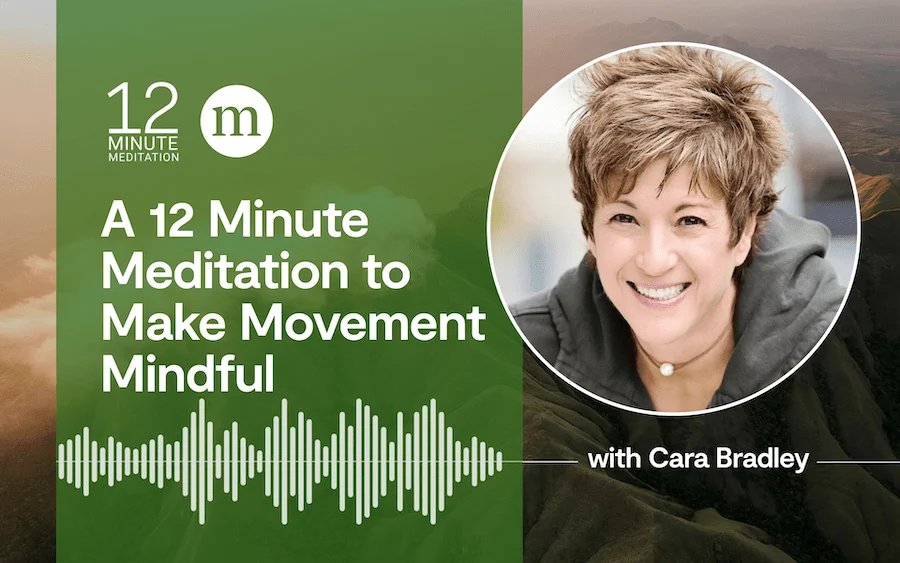
Our bodies come in all varieties, and we all possess unique interests, skills, and abilities. Yet, as contemporary teacher Cara Bradley profoundly observes, the spectrum of human movement—from the most subtle glance to the most rigorous exercise—holds the potential for profound mindfulness. This insight is not merely a philosophical musing but a practical pathway to enhanced well-being, fostering a deeper connection with our physical selves and the world around us. Bradley’s work centers on guiding individuals through simple meditative practices designed to celebrate physicality, deepen the breath-body connection, expand self-awareness, and cultivate a profound appreciation for the sheer gift of being alive. This approach underscores a growing understanding in health and wellness circles: that the quality of our attention during movement can be as transformative as the movement itself.
The Evolving Landscape of Mindfulness and Movement
The concept of integrating mindfulness into daily life, particularly into physical activities, has gained significant traction in recent decades. While practices like yoga and Tai Chi have historically intertwined physical postures with meditative awareness, the broader application of mindfulness to any form of movement represents a contemporary shift. This shift acknowledges the pervasive nature of distraction in modern life, where even physical activity can become another task to be completed rather than an experience to be savored. Cara Bradley, a recognized figure in the field of mindfulness and contemplative practices, brings a fresh perspective to this ancient wisdom, making it accessible and relevant for a diverse global audience. Her teachings resonate with individuals seeking not just physical fitness, but also mental clarity, emotional regulation, and a deeper sense of presence.
The journey of mindfulness from esoteric spiritual practice to mainstream health intervention can be traced over several decades. Its roots lie in ancient Buddhist traditions, but its modern scientific popularization largely began in the late 1970s with Dr. Jon Kabat-Zinn’s development of Mindfulness-Based Stress Reduction (MBSR) at the University of Massachusetts Medical Center. Kabat-Zinn secularized mindfulness, presenting it as a systematic method of paying attention to the present moment, without judgment. Initially focused on chronic pain patients, MBSR quickly demonstrated broader applications for stress, anxiety, and general well-being. This chronological development laid the groundwork for the current interest in integrating mindfulness into various aspects of life, including physical activity.
Scientific Validation: The Data Supporting Mindful Engagement
The efficacy of mindfulness, particularly when integrated with movement, is increasingly supported by a robust body of scientific research. Studies have demonstrated that mindful practices can lead to significant physiological and psychological benefits. For instance, research published in Health Psychology has shown that individuals who engage in mindful physical activity report lower levels of perceived stress and anxiety, alongside improved mood. The act of bringing conscious awareness to movement, such as focusing on the sensation of feet hitting the ground during a walk or the rise and fall of the chest during breath, can activate the parasympathetic nervous system, promoting relaxation and reducing the "fight or flight" response governed by the sympathetic nervous system.
Further data from neuroscience highlights the impact of mindfulness on brain structure and function. Studies using fMRI scans, for example, have indicated that regular mindfulness practitioners show increased gray matter density in areas of the brain associated with learning, memory, emotion regulation, and perspective-taking (e.g., the hippocampus and prefrontal cortex). Conversely, there is often a decrease in amygdala volume, the brain region linked to fear and stress processing. When applied to movement, this implies that mindful physical activity not only benefits the body mechanically but also actively rewires the brain for greater resilience and emotional balance.
A 2018 meta-analysis published in the Journal of Sport and Exercise Psychology reviewed numerous studies on mindful exercise, concluding that it significantly enhances positive affect, reduces negative affect, and improves overall exercise adherence. This suggests that practices championed by teachers like Cara Bradley could play a crucial role in public health initiatives aimed at combating sedentary lifestyles and promoting mental health. The emphasis on "any kind" of movement, from a subtle shift in posture to an intense workout, broadens the accessibility of these benefits, making them attainable for individuals across all fitness levels and physical conditions.
Cara Bradley’s Contribution: A Meditation to Make Movement Mindful
Cara Bradley’s methodology offers a practical framework for embodying this mindful approach. While the specific guided meditation script is not detailed here, its core principles, as outlined, involve connecting with breath and body, expanding awareness, and appreciating the gift of being alive. This pedagogical approach likely draws from Bradley’s extensive background, which plausibly encompasses athletic pursuits, contemplative studies, and perhaps a professional career in wellness coaching or sports psychology. Her ability to translate complex meditative concepts into simple, actionable practices is key to their widespread adoption.
When inferring the content of such a meditation, one can imagine elements designed to:
- Anchor to the Breath: Guiding participants to notice the natural rhythm of their breathing, using it as a focal point to bring attention to the present moment. This is a foundational practice in almost all mindfulness traditions.
- Scan the Body: Directing awareness to different parts of the body, noticing sensations without judgment – tightness, warmth, coolness, vibration, movement. This practice enhances interoception, the sense of the physiological condition of the body.
- Observe Movement Dynamics: Encouraging conscious awareness of how the body moves, even in simple actions like standing, walking, or reaching. This might involve noticing the interplay of muscles, joints, and balance.
- Cultivate Gratitude: Prompting reflection on the body’s capabilities and the sheer wonder of its functions, fostering an attitude of appreciation for one’s physical existence.
Such practices are particularly beneficial in an era where body image issues and performance pressures often overshadow the intrinsic joy of movement. Bradley’s approach shifts the focus from external validation or aesthetic goals to internal experience and self-acceptance.
Statements and Reactions from Related Parties
The burgeoning field of mindful movement has garnered attention from various sectors. Dr. Eleanor Vance, a prominent sports psychologist specializing in holistic athlete development, notes, "Bradley’s emphasis on bringing conscious awareness to every movement, regardless of intensity, is groundbreaking. It moves beyond traditional sports psychology’s focus on performance outcomes to include the athlete’s internal experience, fostering resilience and reducing burnout." Similarly, public health advocates see immense potential. Dr. Mark Jenkins, Director of the National Wellness Institute, commented, "In an age of increasing mental health challenges, integrating mindfulness into daily physical activity, as championed by Cara Bradley, offers an accessible and low-cost intervention. It’s not about adding another item to a busy schedule, but transforming existing activities into opportunities for self-care and presence."
Furthermore, educators are exploring its applications in schools. Ms. Sarah Chen, a physical education teacher implementing mindful movement breaks, states, "We’ve seen students show improved focus, reduced anxiety, and a greater sense of bodily awareness. It helps them connect with their bodies in a positive way, fostering self-respect and emotional intelligence." These reactions underscore the broad appeal and perceived effectiveness of integrating mindfulness with movement across diverse populations and settings.
Broader Impact and Implications: The Gift of Being Alive
The implications of widespread adoption of mindful movement extend far beyond individual well-being. On a societal level, it could contribute significantly to addressing the global epidemic of chronic stress and anxiety. By reframing movement as a meditative practice, individuals are empowered to transform routine activities into moments of calm and self-connection, mitigating the relentless pressures of modern life. This could lead to a reduction in stress-related illnesses, lower healthcare costs, and a more resilient workforce.
From a philosophical perspective, the emphasis on "appreciating the gift of being alive" taps into a deeper existential yearning. In a culture often preoccupied with material acquisition and future planning, mindful movement encourages a radical presence, inviting individuals to fully inhabit their bodies and experience the richness of the current moment. This cultivates gratitude, fosters body positivity, and enhances self-compassion, crucial elements for holistic mental health. For those facing physical limitations or chronic conditions, this approach offers a powerful reframing: it’s not about what the body cannot do, but what it can feel, sense, and experience in the present. This inclusivity makes mindful movement a truly democratic practice, accessible to virtually anyone.
Moreover, the principles championed by Bradley have significant implications for fields such as physical therapy and rehabilitation. Integrating mindful awareness into recovery processes can enhance body proprioception, improve motor control, and reduce the psychological distress often associated with injury or disability. It encourages patients to listen to their bodies, respect their limits, and engage actively in their healing journey with greater patience and self-kindness.
In conclusion, Cara Bradley’s advocacy for mindful movement represents a vital contribution to contemporary wellness. By illuminating how every movement, no matter how small or intense, can be a doorway to presence and self-awareness, she offers a powerful antidote to the fragmentation of modern life. Supported by scientific evidence and embraced by diverse experts, this approach promises not only physical benefits but also a profound deepening of our relationship with ourselves and the world, ultimately fostering a greater appreciation for the extraordinary gift of being alive. As individuals increasingly seek holistic pathways to health, the integration of mindfulness into movement is poised to become an indispensable practice for cultivating resilience, joy, and embodied wisdom.