Cintya Tara Annisa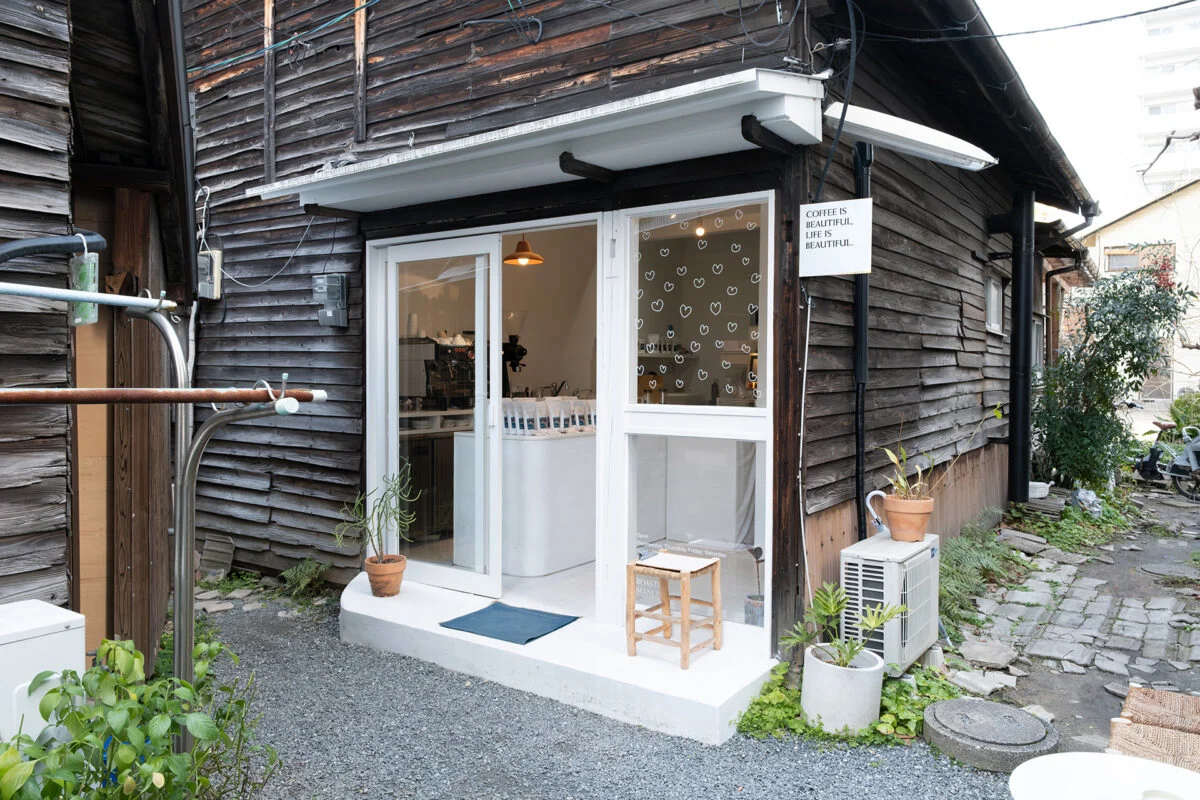
Fukuoka, the largest city on Japan’s southern island of Kyushu, has quietly ascended to become one of the most significant hubs for coffee culture in the world. While Tokyo has historically commanded international attention for its high-end coffee scene, Fukuoka—often referred to as Hakata—has cultivated an environment defined by technical precision, a deep respect for historical brewing traditions, and a collaborative spirit that has produced multiple world-champion baristas and roasters. This article examines the structural, historical, and economic factors that have allowed Fukuoka to outperform larger metropolises in both quality and community-driven innovation.
The Historical Context of Kissaten Culture
The foundation of Fukuoka’s current coffee prominence lies in the traditional Japanese kissaten (coffee house). For decades, these establishments served as the bedrock of the city’s social fabric. Institutions such as Café Brasileiro, Coffee Sya Noda, and Coffee Hiiragi established a standard for the Shōwa-era aesthetic, focusing on siphon-brewed or Nel-dripped "deep roasts." These venues were not merely places for consumption but were institutions that treated coffee as a craft.
In 1977, the founding of Coffee Bimi by Muneo Morimitsu marked a pivotal shift in this trajectory. At a time when coffee was largely viewed as a mass-market commodity, Morimitsu began prioritizing the meticulous selection of green seeds and in-house roasting techniques. This focus on the provenance of the bean signaled a transition from the consumption of dark-roasted blends to the appreciation of specialty, single-origin profiles.
The Rise of Global Champions and Professional Development
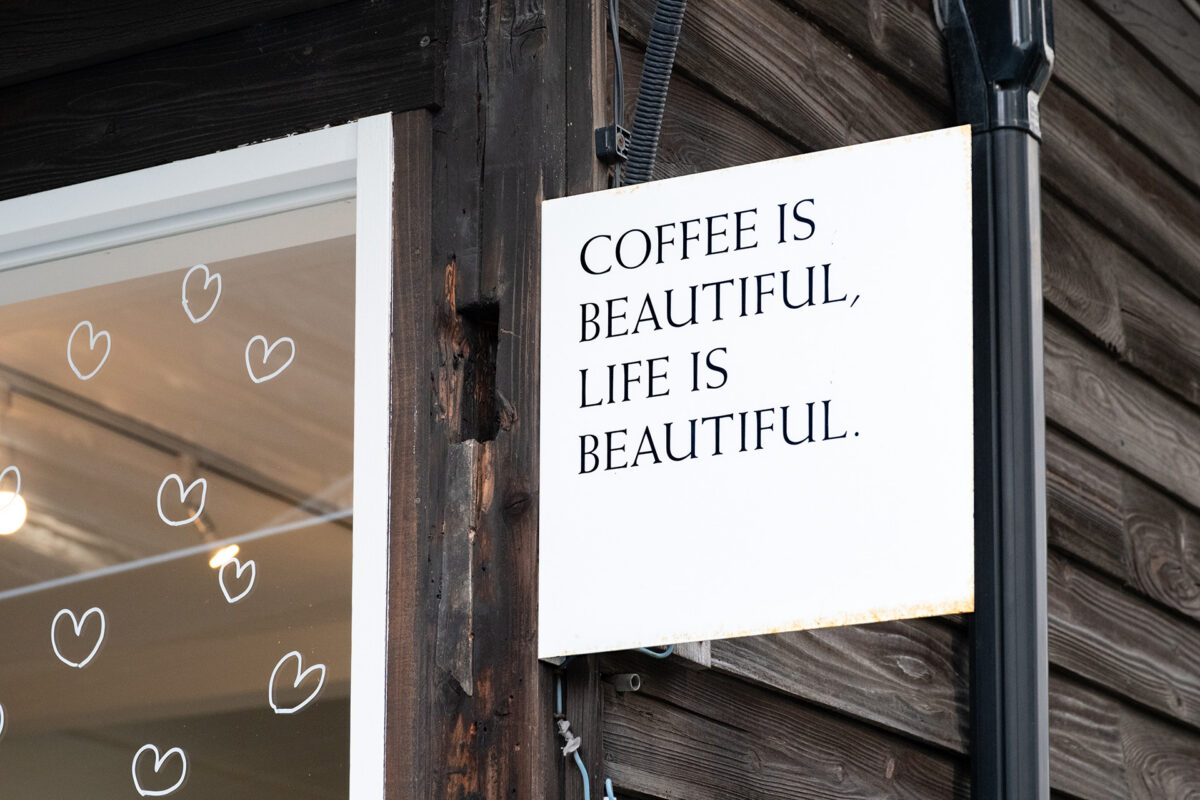
Fukuoka’s impact on the international stage is statistically significant, disproportionate to its size. The city’s coffee professionals have consistently secured top honors in global competitions, indicating a high baseline of technical training. Naoki Gotō of Tokado Coffee won the 2013 World Coffee Roasting Championship (WCRC), and Hidenori Izaki, a Fukuoka native, secured the 2014 World Barista Championship (WBC) title.
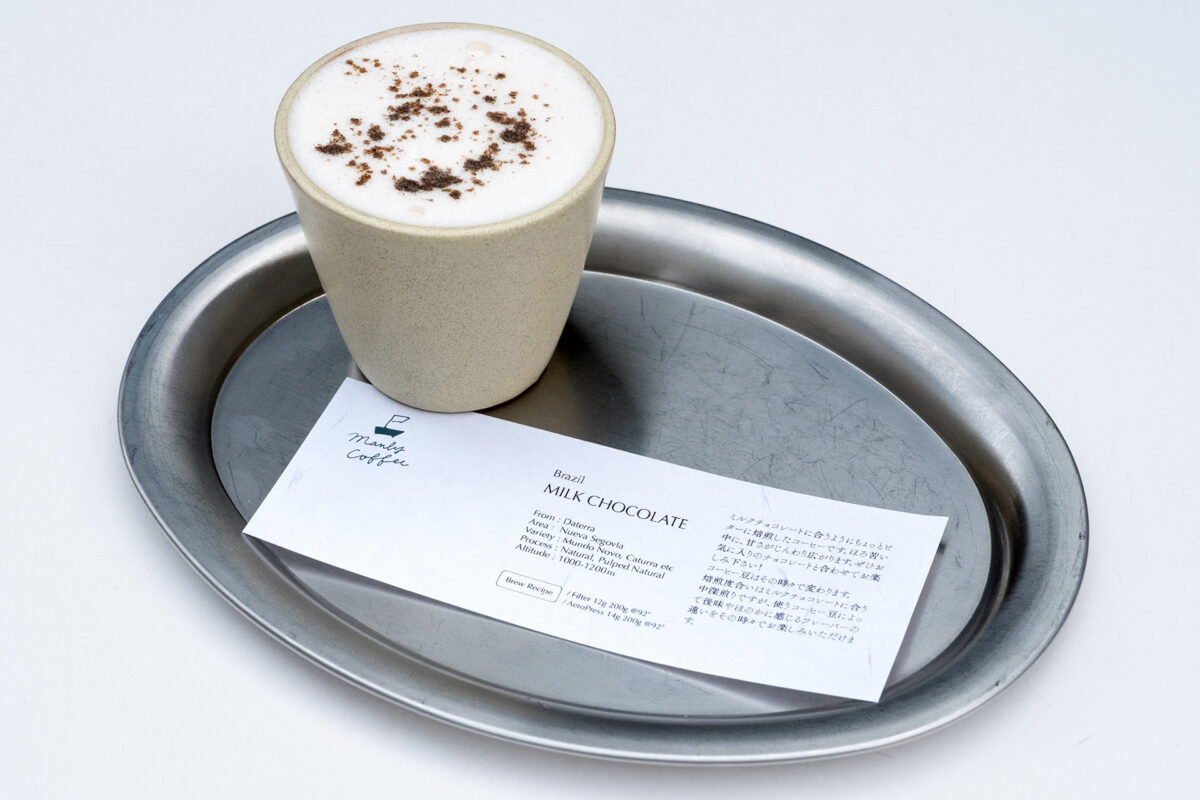
These achievements were not isolated successes but the byproduct of a collaborative professional network. In 2007, the volunteer group COF-FUK was established by Noriko Sunaga, Yumiko Koga, and Sōshi Nishioka. The group’s activities, which included free cuppings, blind tastings, and the sharing of seminar materials, created an incubator for the city’s future leaders. This collective approach to education fostered the growth of companies like Rec Coffee and Manly Coffee, ensuring that professional knowledge was widely distributed rather than siloed within individual businesses.
Profiles of Key Industry Leaders
The modern Fukuoka coffee market is characterized by a blend of traditional methods and cutting-edge technology. Several establishments represent the evolution of this industry:
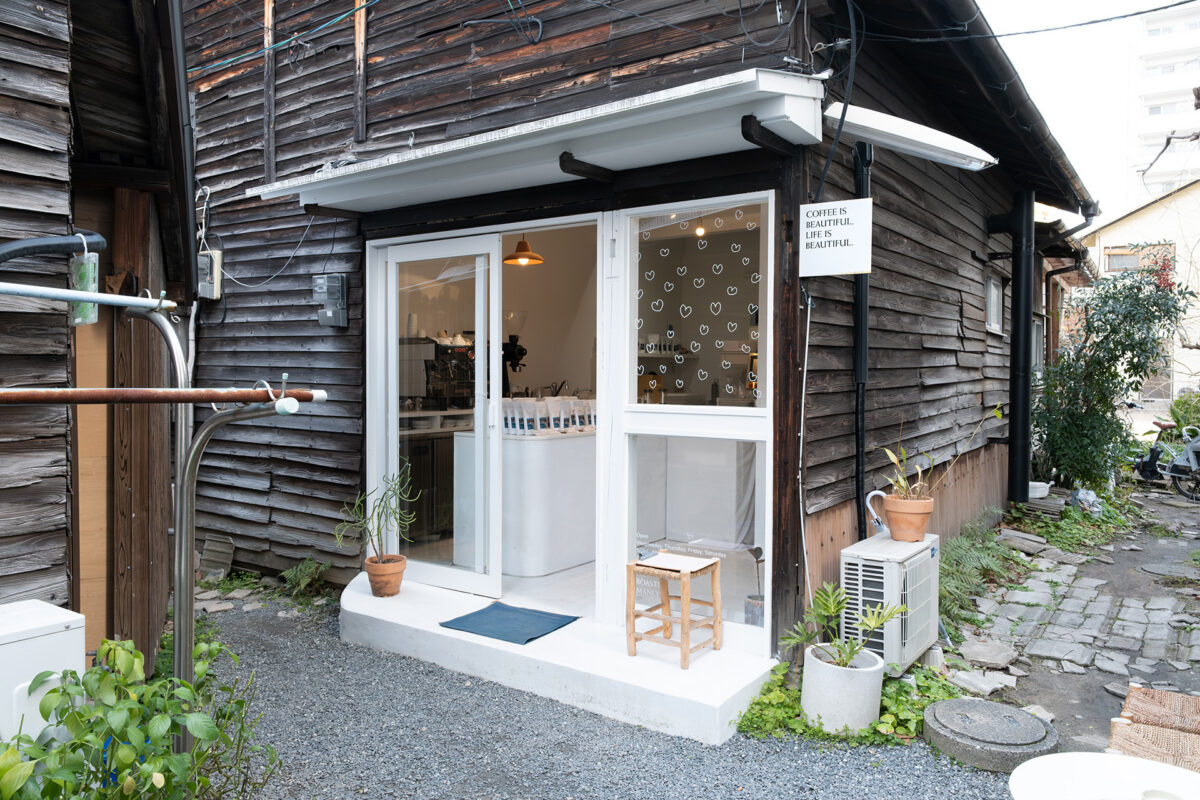
Manly Coffee: Founded by Noriko Sunaga in 2008, the shop has become a benchmark for excellence. Sunaga’s philosophy emphasizes constant self-challenge, utilizing high-end roasting equipment like the Loring S15 Falcon alongside traditional manual record-keeping. Her approach demonstrates that modern data monitoring, such as the use of Cropster, can coexist with artisanal human intuition.
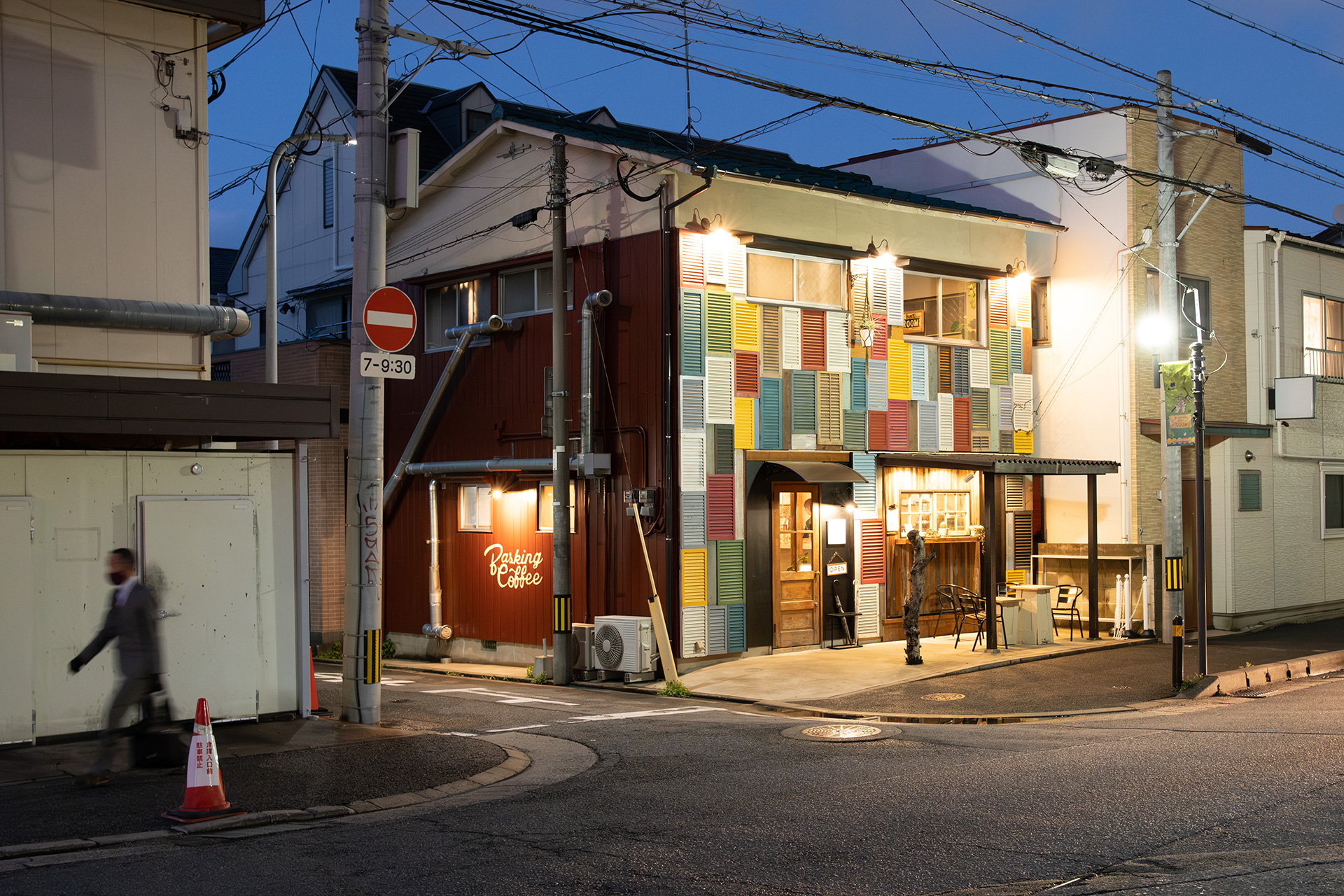
Basking Coffee Ropponmatsu: Founded in 2014 by Keita Enohara, this branch reflects the city’s "boho-chic" aesthetic. Enohara’s career trajectory—from musician to coffee professional—mirrors the diverse backgrounds often found in the city’s specialty scene. The shop is notable for its commitment to customer experience, often remaining open late to serve the community, bridging the gap between specialty roasters and neighborhood cafes.
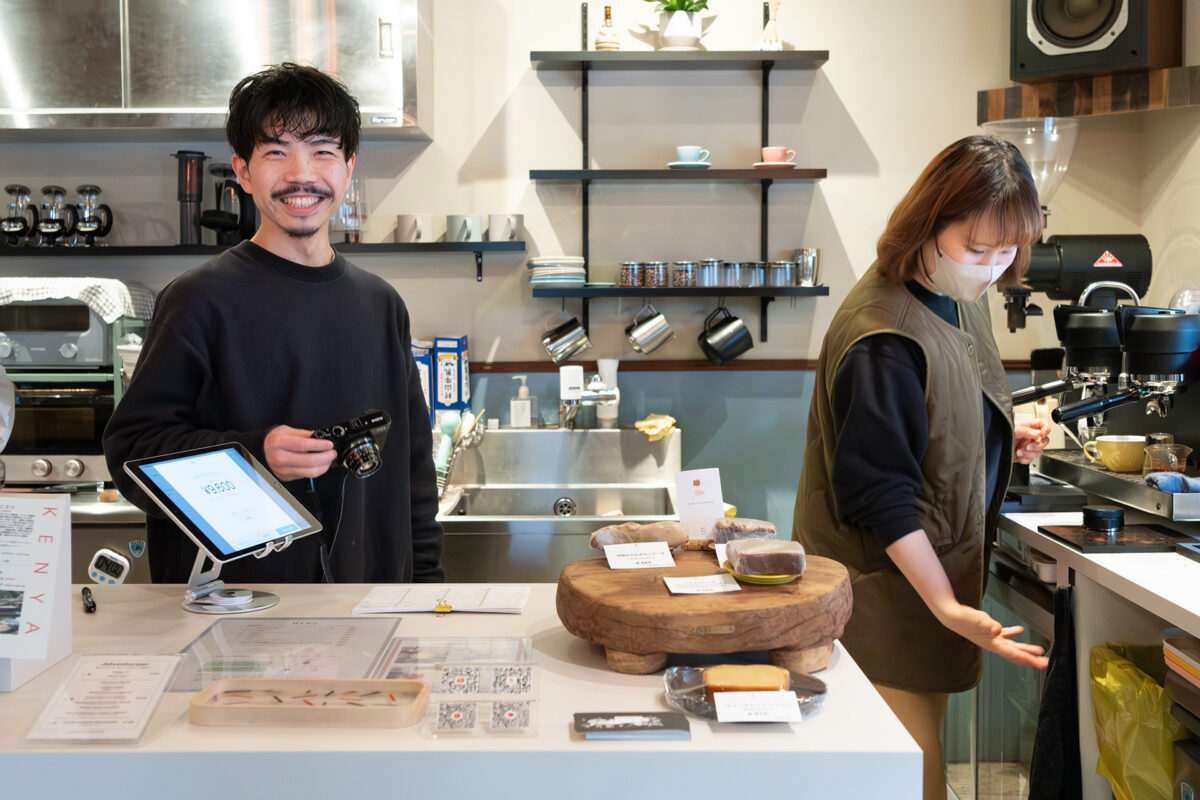
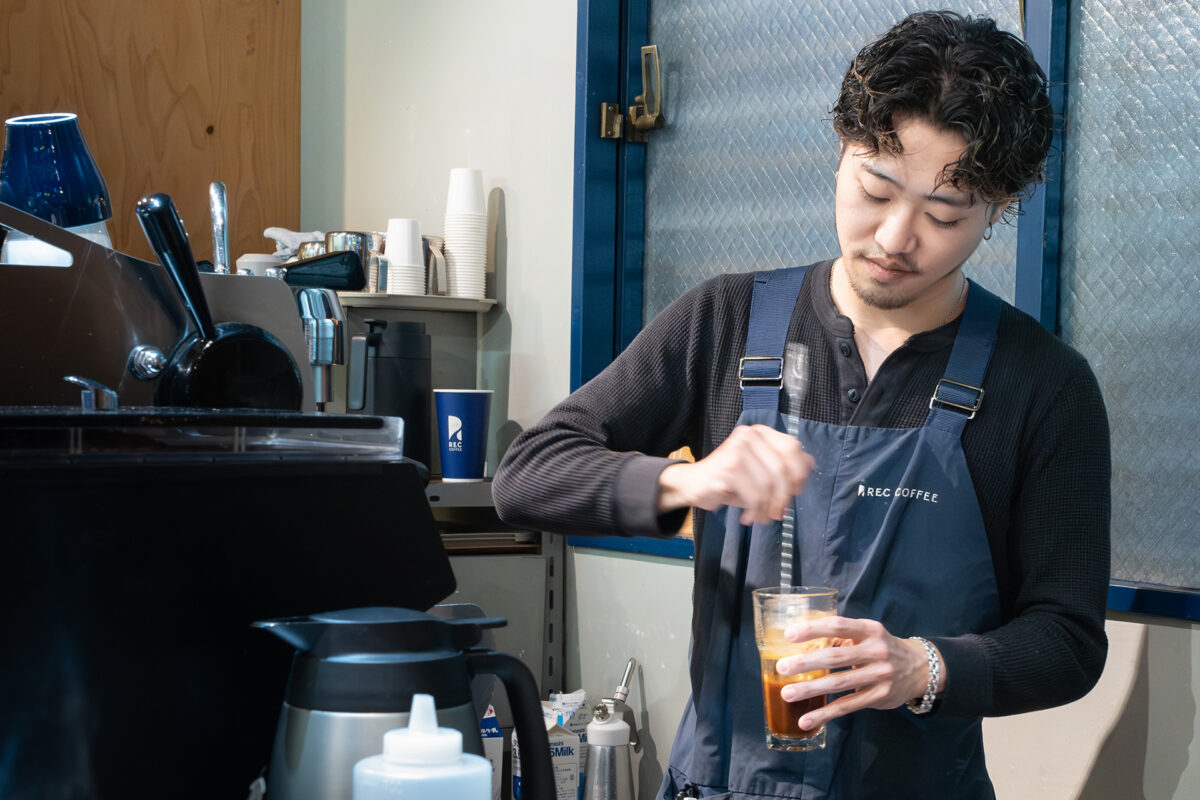
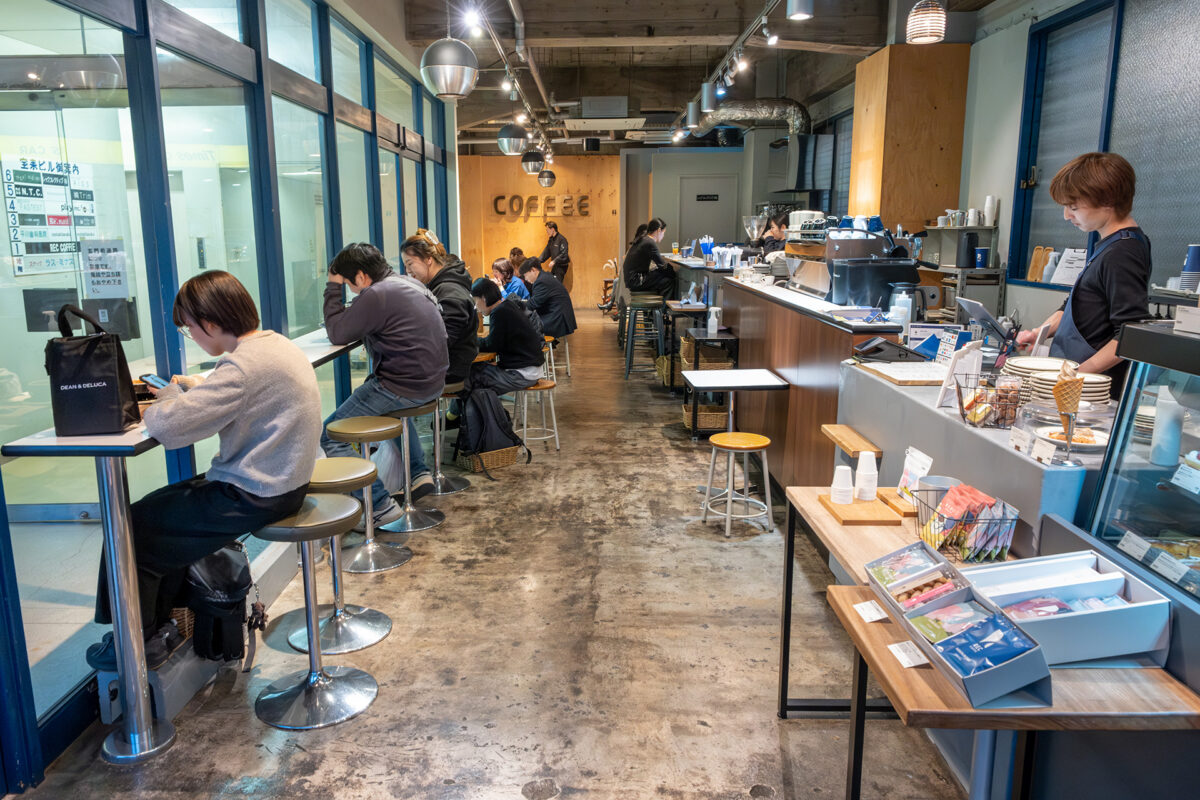
Rec Coffee: Currently a nine-shop international chain, Rec Coffee illustrates the scalability of the Fukuoka model. Co-founders Yoshikazu Iwase and Osamu Kitazoe began with a mobile truck, overcoming financial constraints to build a brand that has expanded to Tokyo and Taiwan. Their success, coupled with Iwase’s two-time victory in the Japan Barista Championship, reinforces the city’s reputation as a center for professional development.
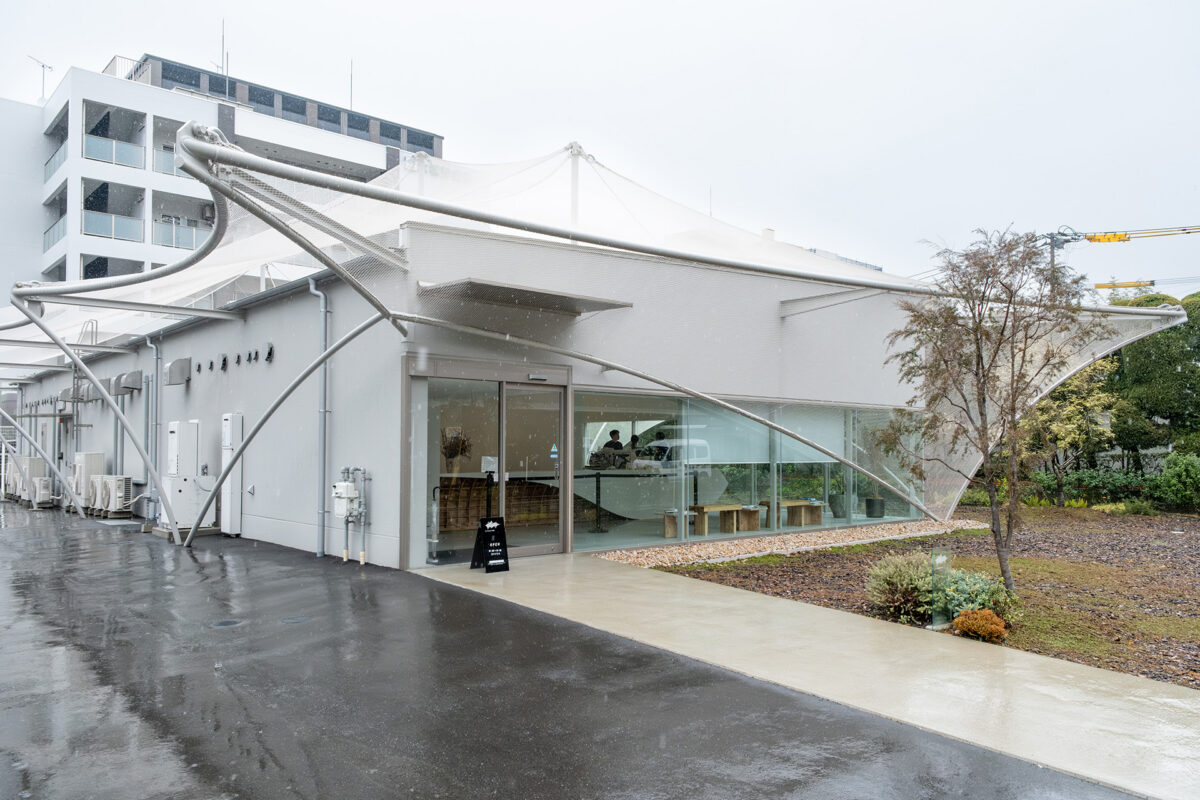
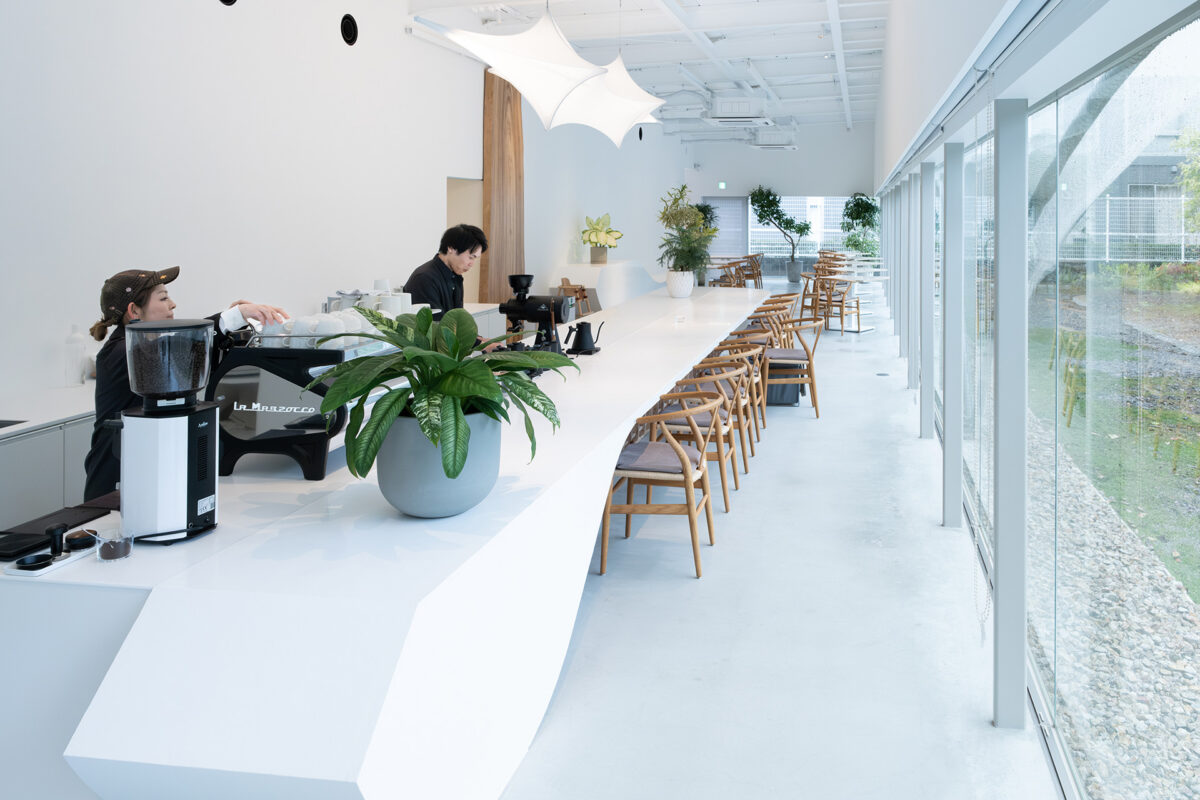
Cs Somme Café: This establishment highlights the intersection of architecture and coffee. Designed by Kengo Kuma and Associates, the café utilizes principles of feng shui and functional design to create a space that enhances the sensory experience. By partnering with Kurasu Kyoto and Rostro for beans and Hoshino Seichaen for tea, the café provides a curated experience that is both architecturally and gastronomically significant.
Sym Coffee Roasters: A collaboration between Ethan Gwon of South Korea’s Momos Coffee and Rui Kondō of Rec Coffee, Sym represents the internationalization of the local scene. The shop, located in the Maidashi district, features innovative equipment, such as an all-white Probat roaster and Victoria Arduino Black Eagle Maverick, catering to a demographic that values both aesthetic novelty and high-quality preparation.
Honey Coffee: Perhaps the most influential institution in the city, Honey Coffee, led by Katsuhide Izaki, has been instrumental in the professionalization of the Fukuoka scene since the early 2000s. Known as "Papa Honey" within the industry, Izaki was a pioneer in sourcing single-origin beans and mentoring many of the city’s current leaders. The brand continues to innovate, recently introducing the "BIRD," a piston-driven vacuum brewer.
Infrastructure and Urban Dynamics
The success of Fukuoka’s coffee scene is also inextricably linked to the city’s physical and cultural geography. As noted by industry participants, the city is geographically compact, which facilitates a "tight-knit" culture where customers and baristas interact with a level of familiarity rarely seen in larger, more anonymous urban centers. This density allows for smaller, highly specialized shops like Fake It Coffee to thrive, focusing on direct consumer engagement rather than mass-market volume.
Furthermore, the "closing coffee" tradition—where shops remain open late into the night—serves a specific cultural function, distinguishing Fukuoka from the typical 9-to-5 or early-closing coffee culture found in other parts of Japan and the world. This late-night accessibility supports the city’s vibrant culinary scene, which includes regional staples like mentaiko, motsunabe, and tonkotsu ramen.
Economic and Industry Implications
The broader implications of Fukuoka’s success suggest that the "specialty" movement does not require the cutthroat, hyper-competitive environment often associated with major global capitals. Instead, the Fukuoka model relies on a cooperative ecosystem where knowledge is viewed as a public good. The presence of volunteer organizations, professional mentorship, and a consistent focus on training has created a sustainable environment for high-quality production.
From a market perspective, Fukuoka’s ability to foster international talent while maintaining a strong local identity suggests that the city is effectively exporting its brand of coffee culture. With chains like Rec Coffee expanding internationally and local roasters increasingly participating in the global supply chain, Fukuoka is transitioning from a regional hub to a recognized international reference point for specialty coffee.
Conclusion
Fukuoka’s coffee scene is a testament to the power of community-driven professionalization. By balancing the historical respect for the kissaten tradition with the technical demands of the modern specialty coffee industry, the city has created a unique, high-performing environment. Whether through the late-night service of Rec Coffee, the architectural integration of Cs Somme Café, or the mentorship legacy of Honey Coffee, the city’s coffee sector remains a model of sustainable growth and technical excellence. As the global coffee market continues to evolve, Fukuoka’s emphasis on honesty, quality, and collaboration provides a blueprint for how cities can define their own place in the global specialty coffee hierarchy.