Cintya Tara Annisa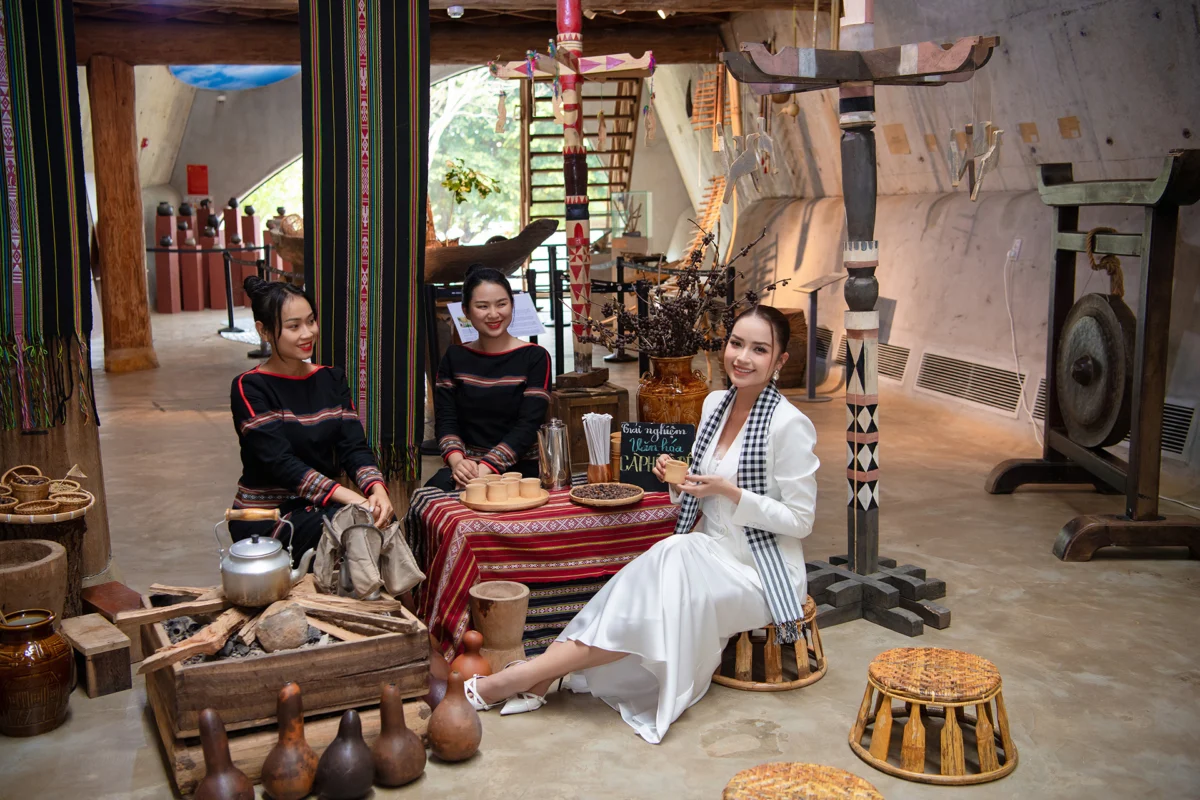
The contemporary specialty coffee industry, while often focused on the rapid pace of technological innovation and the nuances of the "third wave," is increasingly looking backward to contextualize its growth. Across the globe, an expansive network of coffee museums has emerged, functioning as repositories of industrial history, architectural landmarks, and centers for professional pedagogy. From the private collections of industry pioneers in Seattle to state-sanctioned historical institutions in Brazil and Vietnam, these museums serve as vital bridges between the complex global supply chain and the modern consumer.
The Evolution of the Coffee Museum Ecosystem
Coffee museums generally fall into three distinct categories: government-supported cultural heritage sites, private collections curated by industry enthusiasts, and corporate-led initiatives designed to showcase brand legacy. Each category plays a distinct role in the coffee ecosystem.
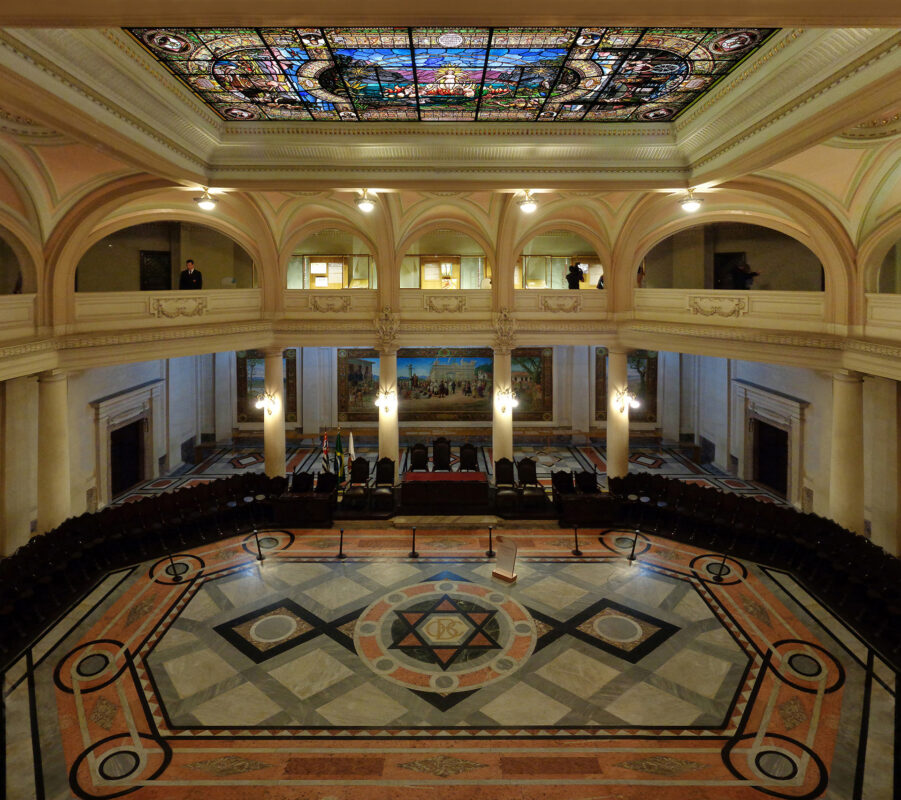
Government-backed institutions, such as the Museu do Café in Santos, Brazil, emphasize the socioeconomic impact of coffee on national identity. The Port of Santos remains the largest coffee-exporting facility in the world, and the museum’s location—housed in the former Coffee Exchange (Salão do Pregão)—underscores the historical weight of the trade. These institutions provide a macro-level view of coffee, tracing its journey from colonial agriculture to global commodity.
Conversely, corporate-led museums like MUMAC (Museo della Macchina per Caffè) in Milan operate as centers of technical research and historical preservation. By housing over 10,000 historical documents and providing public access to complex engineering schematics—such as the exploded view of the La Cimbali M100 espresso machine—these museums provide a level of transparency that is rare in the manufacturing sector.
A Chronology of Coffee Innovation
The history of the coffee machine is a narrative of industrial design and pressure-management evolution. The timeline of these developments is captured in the various exhibits found globally:
- 1884: Angelo Moriondo of Turin, Italy, receives the first patent for an espresso machine, setting the stage for the machine-led era.
- 1901: Luigi Bezzera improves on the design, introducing the portafilter and the modern espresso concept.
- 1948: Achille Gaggia introduces the high-pressure lever machine, allowing for the creation of "crema," which fundamentally altered the sensory profile of the beverage.
- 1961: The Faema E61 debuts, utilizing a motor-driven pump that revolutionized consistency and ease of use, becoming the standard for modern commercial machines.
Museums like the Bakke Coffee Museum in Seattle preserve this chronology through its collection of over 300 commercial espresso machines. Kent Bakke’s collection acts as a physical archive of how the United States transitioned from drip-coffee dominance to the espresso-centric culture that defines the specialty market today.
Architectural Significance and Cultural Preservation
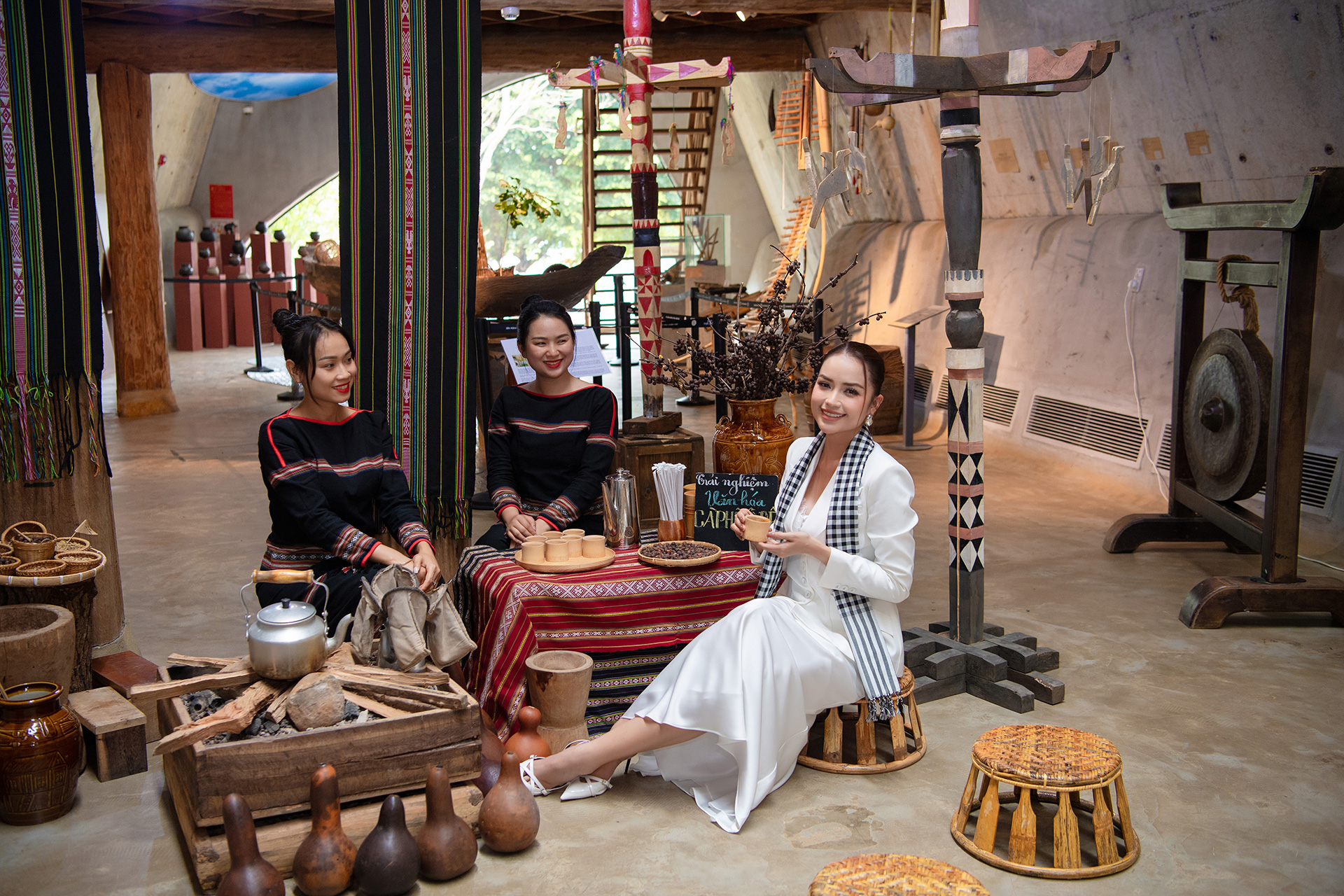
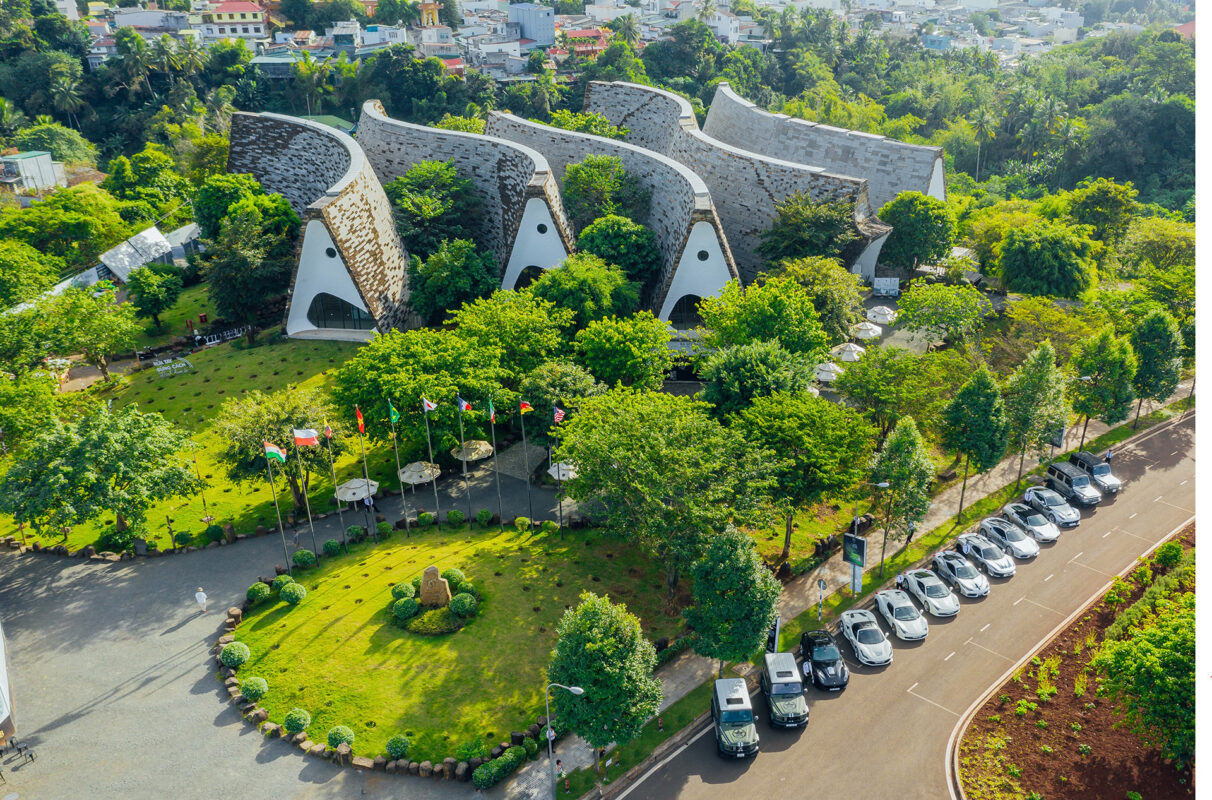
In Vietnam, the second-largest coffee producer globally, the Coffee World Museum (Bảo tàng Thế giới Cà phê) in Dak Lak province represents a shift toward conceptual museum design. Unlike traditional galleries, the museum uses its architecture—inspired by the longhouses of the Central Highlands—to tell the story of coffee.
The museum’s structural design is rooted in the "five stages of coffee": cultivation, nurturing, harvesting, preservation, and appreciation. By integrating these stages into the physical environment, the museum moves beyond a simple display of artifacts to a "living heritage" model. This approach is further exemplified by the institution’s promotion of the "Thiện (Meditation) Civilization," an effort by the Trung Nguyên Legend Group to position coffee not just as a fuel, but as a component of spiritual and holistic well-being.
Data-Driven Insights and Educational Outreach
The impact of these museums is measurable through their educational programs. The Museu do Café’s Coffee Preparation Center, established in 1999, has been instrumental in professionalizing the role of the barista in Brazil. Their curriculum, which spans from basic cultivation knowledge to advanced sensory harmonization, demonstrates how museums act as vocational hubs.
Recent data from the World Coffee Heritage Forum, held at the Coffee World Museum, underscores the growing need for international collaboration between coffee-producing nations. Experts suggest that as climate change threatens traditional coffee-growing regions, these museums will become increasingly important in preserving heirloom varieties and ancestral farming techniques that might otherwise be lost to industrial homogenization.
The Role of Private Collections in Public Education
Smaller, niche museums, such as the Kaffeemuseum in Hamburg, Germany, or the Gangneung Coffee Museum in South Korea, bridge the gap between coffee enthusiasts and the general public. These institutions are often located near established cafe strips, turning a casual visit into an educational experience.
For the average consumer, the "specialty" label can often feel opaque. By providing access to the mechanical evolution of the espresso machine, these museums demystify the process. When a visitor understands that the extraction of a single shot of espresso is the culmination of over a century of engineering—from manual levers to sophisticated thermal-stability systems—the perceived value of the product increases. This educational shift is essential for the sustainability of the industry, as it fosters a consumer base that appreciates the labor and history behind the cup.
Broader Impact and Industry Implications
The growth of coffee museums reflects a broader trend in global tourism and industry marketing: the rise of "experiential consumption." Consumers are no longer satisfied with merely consuming a product; they seek to understand its provenance, its manufacturing, and its cultural lineage.
Museums that are tethered to existing coffee businesses—whether they are roasteries or machine manufacturers—provide a unique marketing advantage. They humanize the corporate entity, positioning the company as a steward of history rather than just a commercial supplier. This "gentle introduction" to the coffee value chain is a sophisticated form of brand building that relies on authority and heritage.
However, there are challenges to this model. As the industry continues to evolve, maintaining the relevance of static exhibits requires significant investment in technology. The integration of virtual museum tours, such as the one offered by the Coffee World Museum, allows for global reach but necessitates a digital infrastructure that many smaller, collection-based museums lack.
Looking Toward the Future
As we look toward the next decade of coffee history, the role of these institutions will likely shift toward climate advocacy and agricultural sustainability. With the increasing interest in the "origins" narrative, museums are uniquely positioned to host exhibits on sustainable farming practices, the economic realities of fair trade, and the potential for coffee to drive regional development in rural areas of the global south.
The consolidation of historical records, technical manuals, and cultural artifacts within these museums ensures that the rapid pace of technological advancement does not erase the lessons of the past. Whether through the lens of Viennese coffee house culture, the mechanical precision of Italian espresso machines, or the indigenous traditions of the Vietnamese highlands, these museums provide a necessary tether to the origins of the world’s most popular stimulant.
In summary, the proliferation of coffee museums is a testament to the industry’s maturity. By transitioning from a commodity-based focus to one that encompasses history, architecture, and education, the coffee sector is successfully creating a cultural legacy that will continue to inform and engage future generations of coffee drinkers and professionals alike. The museum, in this context, is not merely a place for the past, but an active participant in the ongoing development of global coffee culture.