Cintya Tara Annisa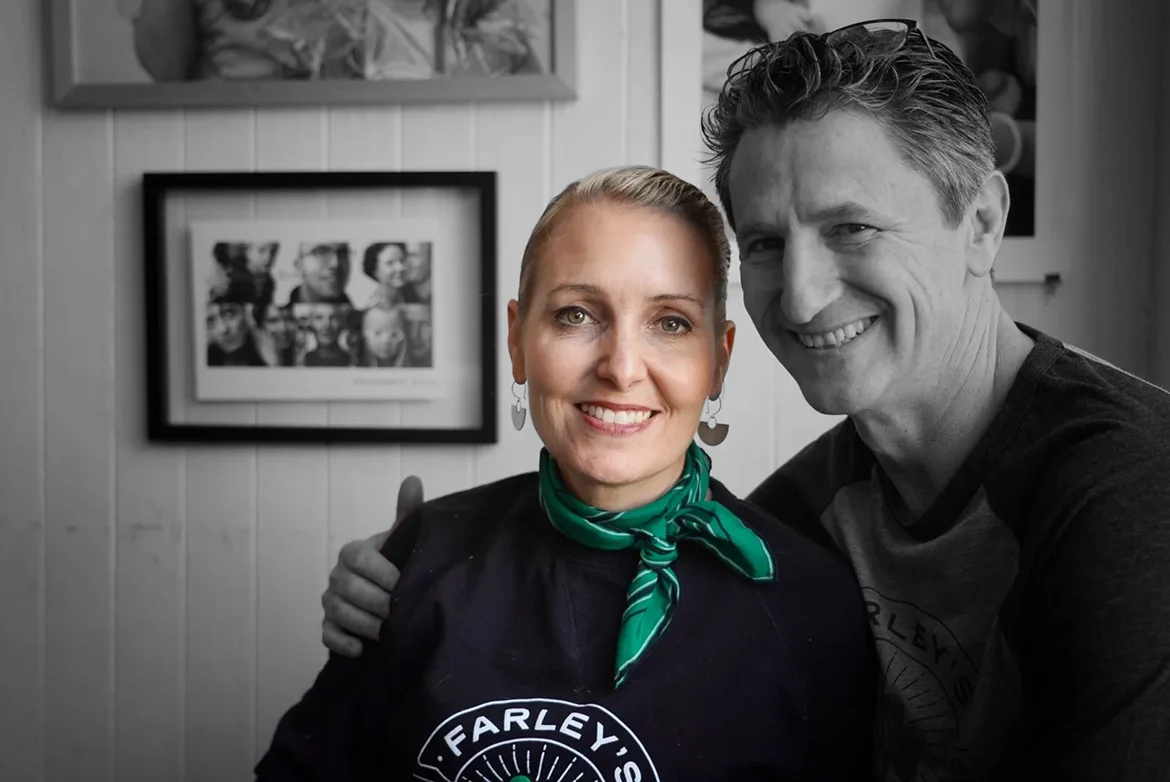
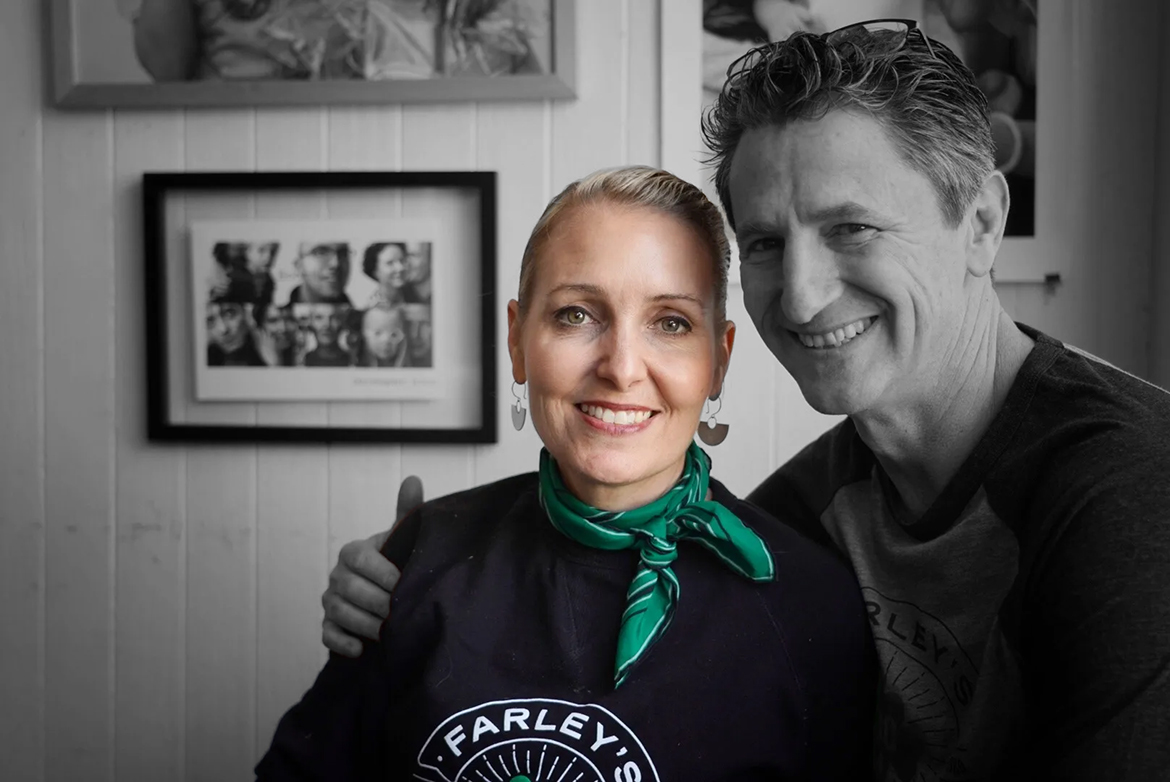
On March 25, Amy Hillyard, a prominent figure in the Bay Area coffee community and co-owner of the storied Farley’s Coffeehouse, departed her Oakland residence and vanished without a trace. Her disappearance, which occurred in broad daylight, has confounded law enforcement and private investigators for half a year. As of late September, a significant development in the case—the identification of five previously unexamined transit routes—has prompted a renewed, large-scale search effort. This development marks a pivotal moment in a case that has remained a haunting enigma for the Oakland community and the hospitality industry at large.
The Disappearance: A Timeline of Events
The chronology of Amy Hillyard’s disappearance begins on the afternoon of Wednesday, March 25. Hillyard, an experienced and avid hiker, left her home alone. According to statements provided by her husband and business partner, Chris Hillyard, she did not take her cellular phone, wallet, or any other personal belongings with her—a departure from her standard routine that immediately signaled a crisis to her family upon her failure to return.
In the immediate aftermath of her disappearance, the Oakland Police Department and local search-and-rescue teams launched an extensive operation. Investigators initially focused their efforts on three specific hiking trails in the Oakland hills, areas where Hillyard was known to frequent. Despite exhaustive ground searches, aerial surveillance, and the deployment of K-9 units, no physical evidence of her whereabouts was uncovered. The absence of a "last known location" beyond her front door created a logistical vacuum that hindered the initial phase of the investigation.
Forensic Breakthroughs and New Investigative Leads
The stagnation of the case led the Hillyard family to engage the services of private investigator Steve Fischer. Fischer, a veteran of complex missing persons cases, conducted what has been described as a "forensic deep dive" into Hillyard’s digital footprint, including her personal computer and archived cellular data from prior to the date of her disappearance.
This meticulous review has yielded five potential travel routes that had not been previously considered by official search parties. These paths were identified based on patterns of activity and behavioral mapping. The discovery is significant because it shifts the focus from the wilderness trails themselves to the transition zones—the populated, urban corridors that Hillyard would have needed to traverse to reach the trailheads.
Fischer has expressed profound professional frustration regarding the lack of physical evidence, noting that in the age of ubiquitous surveillance, it is highly unusual for an individual to vanish while walking through a densely populated urban environment. "This is a woman who walked away from a very populated area in Oakland, most likely heading toward hiking trails," Fischer stated. "Even as an investigator, it is hard to wrap my head around this. She had to traverse a highly active area, yet she is invisible on almost every camera."
The Institutional Significance of Farley’s Coffeehouse
The disappearance has rippled far beyond the Hillyard family, impacting the broader Bay Area cultural landscape. Farley’s Coffeehouse, located in the Potrero Hill neighborhood of San Francisco, is not merely a business; it is a regional institution. Established in the late 1980s by Roger Hillyard, the shop played a seminal role in the evolution of American coffee culture.
Farley’s is frequently cited by industry historians as a bridge between the "second wave" of coffee—characterized by the rise of mass-market specialty chains—and the "third wave," which emphasizes origin transparency, direct trade, and artisanal brewing methods. When Roger Hillyard passed the mantle to his son, Chris, and his daughter-in-law, Amy, the shop maintained its reputation as a community hub, serving as a gathering space for artists, activists, and locals. The loss of Amy Hillyard’s presence at the helm of such a central community pillar has left a palpable void, with patrons and fellow business owners expressing deep concern for the family.
Contextualizing Mental Health and Personal Well-Being
In the interest of transparency and to assist in the investigation, the family has been open about the challenges Hillyard was facing. In interviews with the San Francisco Chronicle, Chris Hillyard confirmed that his wife had been navigating a period of recovery related to depression and anxiety. According to private journals recovered during the investigation, Hillyard frequently utilized hiking as a therapeutic tool—a means to manage the symptoms of her anxiety and maintain mental equilibrium.
The intersection of mental health struggles and missing persons cases presents a unique set of challenges for law enforcement. While the family remains hopeful, the psychological context provides a framework for understanding why Hillyard might have sought the solitude of a trail on the day she disappeared. However, the lack of a note or any indication of intent to harm herself has led investigators to keep all possibilities open, including the potential for an accidental injury while traversing rugged terrain.
Call for Public Assistance and Surveillance Review
The search is entering a critical phase this weekend, with organized rescue parties mobilizing to scour the five newly identified routes. The success of this effort relies heavily on the cooperation of Oakland residents. The family is specifically requesting that homeowners and business owners in the Cleveland Heights, Lake Merritt, Lakeshore District, and Crocker Highlands neighborhoods review any private security camera footage, doorbell camera recordings, or dashcam files captured on March 25, starting at 2:00 p.m.

"Even a grainy image or a fleeting glimpse of a person matching her description could be the missing piece of this puzzle," a family representative stated. The family has bolstered this plea with a $25,000 reward, offered for information that leads to her safe return. This financial incentive is intended to encourage the public to re-examine their archives, as many residents may have overlooked footage from that day, not realizing its potential relevance to the investigation.
Broader Implications of Missing Persons Cases in Urban Areas
The Hillyard case serves as a stark reminder of the limitations of modern urban surveillance. While cities are increasingly monitored, the "blind spots" between private security systems and public transit cameras remain significant. Data from the National Missing and Unidentified Persons System (NamUs) indicates that thousands of individuals go missing annually in the United States, and cases involving individuals who "walk away" without a trace are often the most difficult to resolve.
The implications for public policy are clear: the integration of private and public surveillance data is often the deciding factor in locating missing persons. However, this raises complex questions regarding privacy rights versus public safety. In the case of Amy Hillyard, the family’s reliance on a private investigator to bridge these gaps highlights the often-strained resources of municipal law enforcement, who are frequently tasked with balancing hundreds of active cases simultaneously.
Moving Forward
As the search resumes, the Hillyard family continues to utilize the digital platform BringAmyHome.com to centralize information and coordinate volunteer efforts. The objective remains singular: to find Amy and provide closure to a family that has endured six months of uncertainty.
The Oakland Police Department’s missing persons unit continues to lead the official investigation. They urge anyone who may have seen Hillyard on that Wednesday in March, or who may have information regarding her current whereabouts, to contact them directly at 510-238-3641.
In the Bay Area, where the community is known for its tight-knit nature and dedication to supporting its own, the disappearance of Amy Hillyard remains a focal point of collective concern. As new trails are searched and new evidence is processed, the hope remains that the answers—hidden for so long in the urban sprawl of Oakland—will finally be brought to light. The family’s plea is simple: look back at your records, check your cameras, and share whatever information may exist, no matter how insignificant it may seem. Every detail, at this stage of the investigation, carries the weight of a potential breakthrough.