Reynand Holland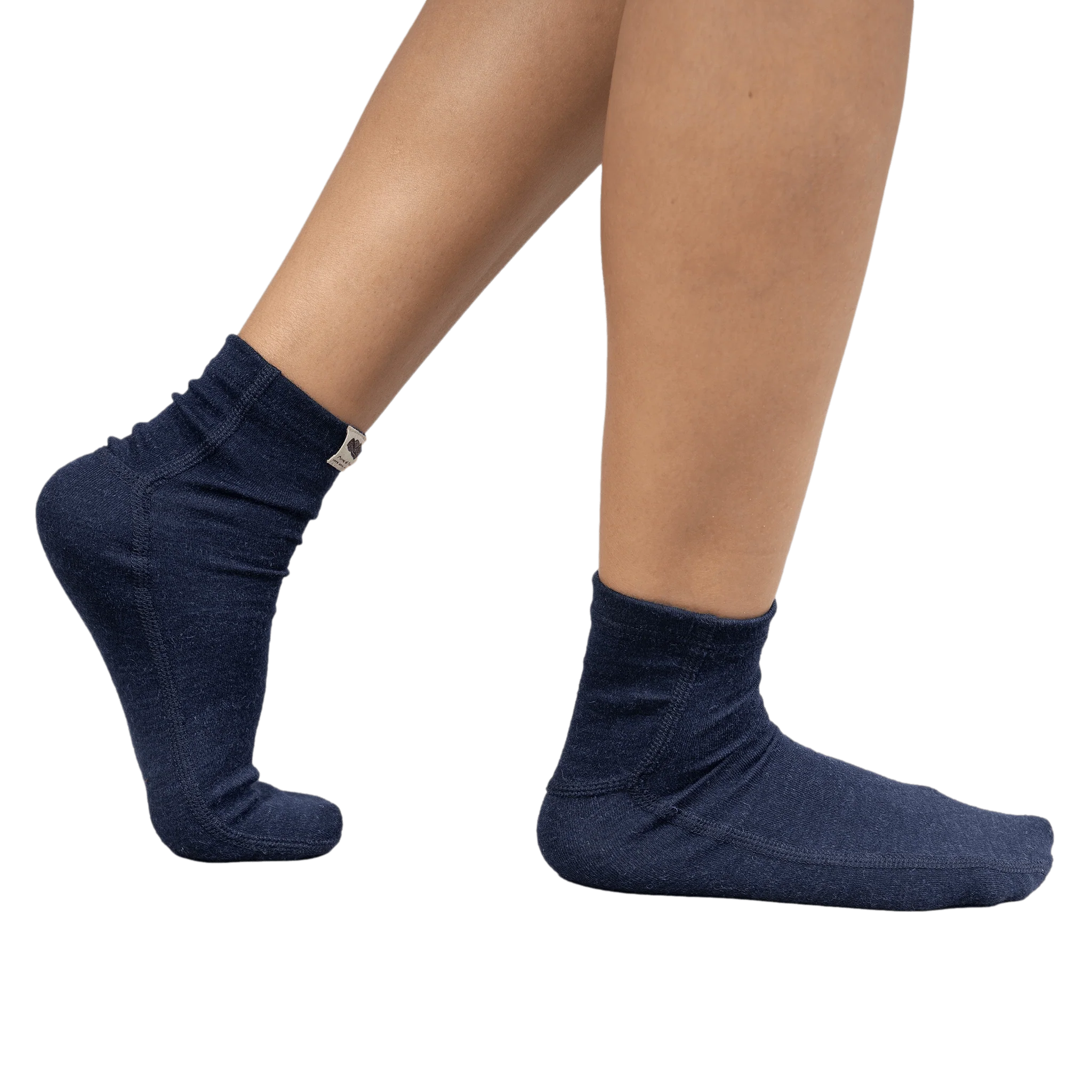
Socks are frequently treated as the most mundane element of a daily wardrobe, chosen primarily for convenience, price, or simple color coordination. Yet, they serve as the foundational barrier between human skin and modern footwear. For millions of consumers, the daily wear of conventional socks—predominantly manufactured from synthetic plastics like polyester, nylon, and elastane—results in chronic skin irritation, persistent odors, and allergic reactions. As awareness of dermal absorption grows, dermatologists and textile researchers are increasingly scrutinizing the chemical composition of foundational garments, steering a rapidly expanding segment of the apparel industry toward natural fibers and skin-safe dyes.
The Material Shift: From Petrochemicals to Natural Fibers
For decades, the global hosiery market has been dominated by petroleum-derived synthetics. These materials are prized by manufacturers for their low production costs, elasticity, and durability. However, synthetic fibers are inherently non-breathable, trapping moisture and creating an ideal microclimate for bacteria and fungi. This moisture retention is precisely what causes shoes and feet to develop strong, unpleasant odors.
More concerning than odor, however, is the chemical processing required to color and finish synthetic textiles. Azo-benzene disperse dyes, frequently utilized to dye polyester and other synthetic fabrics, are documented skin sensitizers. According to toxicological studies published in public health and medical journals, certain azo dyes can break down under physiological conditions to release carcinogenic aromatic amines when absorbed directly through the skin. This risk is magnified in the context of hosiery, as body heat, friction, and perspiration accelerate the migration of residual manufacturing chemicals from the fabric directly into the epidermal layer.
In response to these physiological hazards, a growing cohort of sustainable fashion brands is redefining hosiery manufacturing. By prioritizing certified organic natural fibers—such as GOTS-certified organic cotton, Merino wool, alpaca, linen, bamboo viscose, and Tencel—these companies aim to eliminate synthetic toxins while maintaining comfort and performance.
The Manufacturing Landscape and Certified Safety Standards
Transitioning to non-toxic hosiery involves stringent supply chain oversight, from agricultural practices to chemical management. Regulatory frameworks and independent third-party certifications have emerged as critical benchmarks for verifying claims of safety and sustainability.
Leading the charge in chemical transparency are certifications such as Oeko-Tex Standard 100 and bluesign, which test finished textiles for harmful substances across the entire production chain. Wool products frequently carry the Responsible Wool Standard (RWS) certification, ensuring ethical animal husbandry—specifically prohibiting practices like mulesing—while guaranteeing traceable sourcing. Furthermore, certifications from Fair Trade, the Global Organic Textile Standard (GOTS), and B Corp status provide institutional validation of ethical labor practices and transparent supply chains.
Despite the industry-wide reliance on small percentages of elastane to provide stretch, a select few manufacturers have successfully engineered 100% synthetic-free hosiery, relying entirely on the natural elasticity of fibers like alpaca and specialized cotton weaves.
Industry Leaders and Brand Analysis
The market for non-toxic, sustainable socks now encompasses a diverse array of brands offering specialized solutions for sensitive skin, rigorous outdoor activities, and professional wear.
Harvest & Mill utilizes dye-free, unbleached organic cotton grown, spun, and knit entirely within the United States. By eliminating the dyeing process entirely, the brand mitigates chemical exposure risks for individuals with severe contact dermatitis, pairing this with zero-waste fabric recycling and compostable packaging.
Subset, formerly known as Knickey, produces PFAS-free, Oeko-Tex-certified organic cotton socks sourced from India. While incorporating approximately 24% synthetic fibers for durability, the brand adheres to strict Fair Trade manufacturing protocols, ensuring that chemical inputs are tightly regulated.
For extreme cold and outdoor utility, Paka and Arms of Andes leverage Andean alpaca fiber. Paka blends alpaca wool with Tencel and recycled synthetics, offering high thermal regulation and moisture-wicking properties certified by Oeko-Tex. Conversely, Arms of Andes occupies a rare market position by manufacturing 100% alpaca wool slipper socks completely free of synthetic blends, working directly with rural co-op farmers in South America.
Cottonique addresses severe hyper-sensitivities by specializing in 100% organic cotton, latex-free, and bleach-free garments. Developed in consultation with dermatologists, these hypoallergenic socks feature covered seams to eliminate friction-induced irritation.
Global enterprises such as Boody, Kotn, and Quinn focus on bamboo viscose and traceable organic cotton, balancing professional aesthetics with eczema-friendly designs. Boody relies on WRAP-certified facilities in Asia, utilizing Oeko-Tex-certified bamboo viscose, while Kotn maintains direct-trade relationships with Egyptian cotton farmers to guarantee fair wages and transparent supply chains. Quinn incorporates both GOTS-certified organic cotton and Merino wool, targeting consumers with chronic skin conditions across Canada, Europe, and the United States.
Outdoor and lifestyle brands like Darn Tough, Cariloha, Dedicated, Nisolo, and Swedish Stockings round out the sustainable hosiery sector. Darn Tough utilizes RWS-certified Merino wool paired with restricted substance lists to ensure chemical safety in its Vermont-made performance socks. Nisolo upcycles industrial textile waste—combining cotton, linen, wool, and recycled polyester—in a family-owned North Carolina mill, emphasizing living wages and supply chain traceability. Swedish Stockings provides specialized hosiery, including knee-highs and ankle socks crafted in Italy from Oeko-Tex-certified bamboo, organic cotton, and recycled materials.
Broader Economic and Environmental Implications
The expansion of the non-toxic hosiery sector reflects a broader structural shift within the global textile industry. As consumer demand for health-conscious and environmentally responsible apparel accelerates, brands are forced to move beyond superficial greenwashing. Independent verification through stringent certifications has transitioned from a niche marketing tool to a fundamental baseline for consumer trust.
The long-term implications of this market evolution extend to public health and agricultural reform. Increased adoption of organic agriculture reduces pesticide runoff, while strict adherence to restricted substance lists minimizes occupational chemical exposure for textile workers in manufacturing hubs across the globe. Ultimately, the re-evaluation of something as simple as a sock underscores a fundamental paradigm shift: consumers increasingly expect every layer of their wardrobe—regardless of how foundational or hidden—to prioritize human health and environmental integrity equally.