
 Indra Kusuma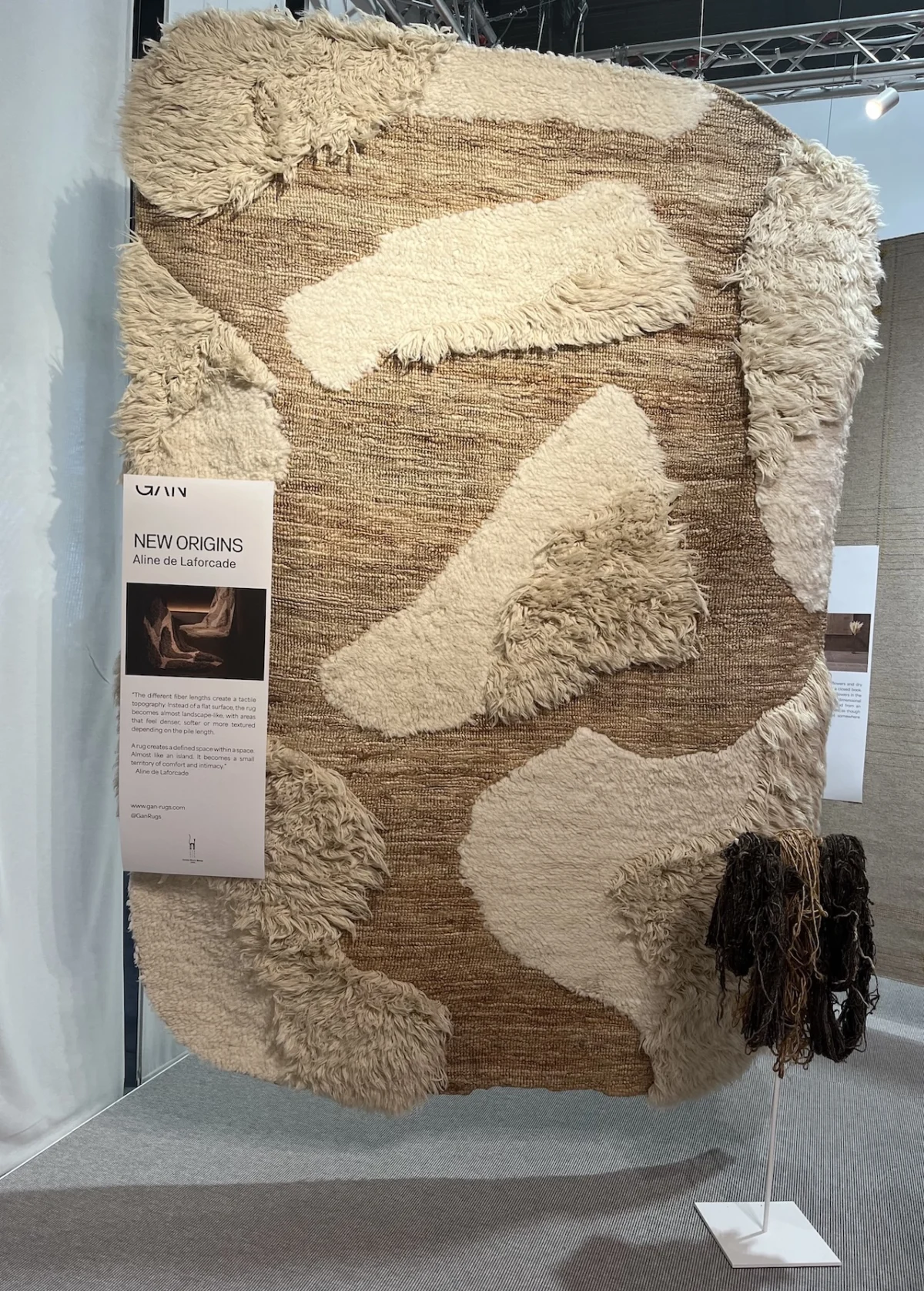
Milan Design Week, an annual global beacon for design innovation, once again proved its expansive influence, extending far beyond its renowned furniture launches and blockbuster exhibitions. Amidst the bustling halls of Salone del Mobile and the hundreds of captivating installations across Fuorisalone, a curated selection of rug collections emphatically stopped industry professionals and design enthusiasts in their tracks, highlighting the evolving role of textiles as both functional elements and profound artistic statements. These collections, ranging from architecturally inspired masterpieces to tactile, nature-driven creations, underscore a significant shift in how rugs are perceived within contemporary interior design, cementing their status as essential components that define space, evoke emotion, and reflect intricate craftsmanship.
The Enduring Legacy and Economic Power of Milan Design Week
Milan Design Week (MDW) is not merely an event; it is a global phenomenon that sets the trends for the coming year in furniture, lighting, and interior design. Anchored by the Salone del Mobile, first established in 1961, MDW has grown exponentially from a trade fair showcasing Italian furniture to an international platform that attracts hundreds of thousands of visitors from over 160 countries annually. In recent editions, visitor numbers have regularly exceeded 300,000, with an additional half-million people engaging with the Fuorisalone events scattered throughout the city’s design districts like Brera, Tortona, and Isola. This week-long spectacle transforms Milan into a vibrant hub of creativity, generating significant economic activity and fostering invaluable networking opportunities for designers, manufacturers, and buyers alike.

The event’s structure, comprising the formal Salone del Mobile fairgrounds and the decentralized Fuorisalone, offers a comprehensive panorama of the design world. While Salone focuses on established brands and large-scale presentations, Fuorisalone allows for experimental installations, emerging designers, and cross-disciplinary collaborations, creating a dynamic interplay between commerce and culture. It is within this rich, multifaceted environment that rug collections often find their unique voice, demonstrating how textile art can command attention alongside more dominant furniture pieces, offering a softer, yet equally impactful, dimension to interior narratives. The global rug market, valued at approximately $80 billion and projected to grow steadily, finds a crucial showcase and trendsetting platform in events like MDW, where innovation in design, material, and production techniques are celebrated.
Architectural Narratives Woven: Kengo Kuma for Jaipur Rugs
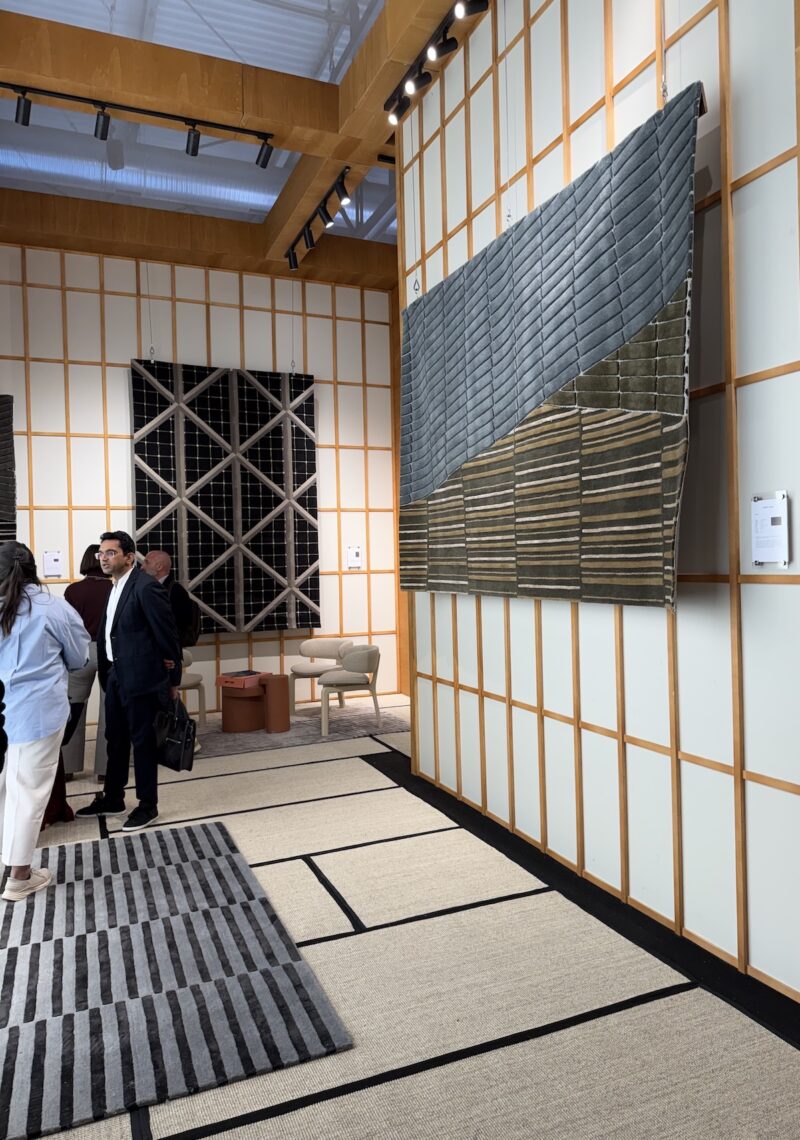
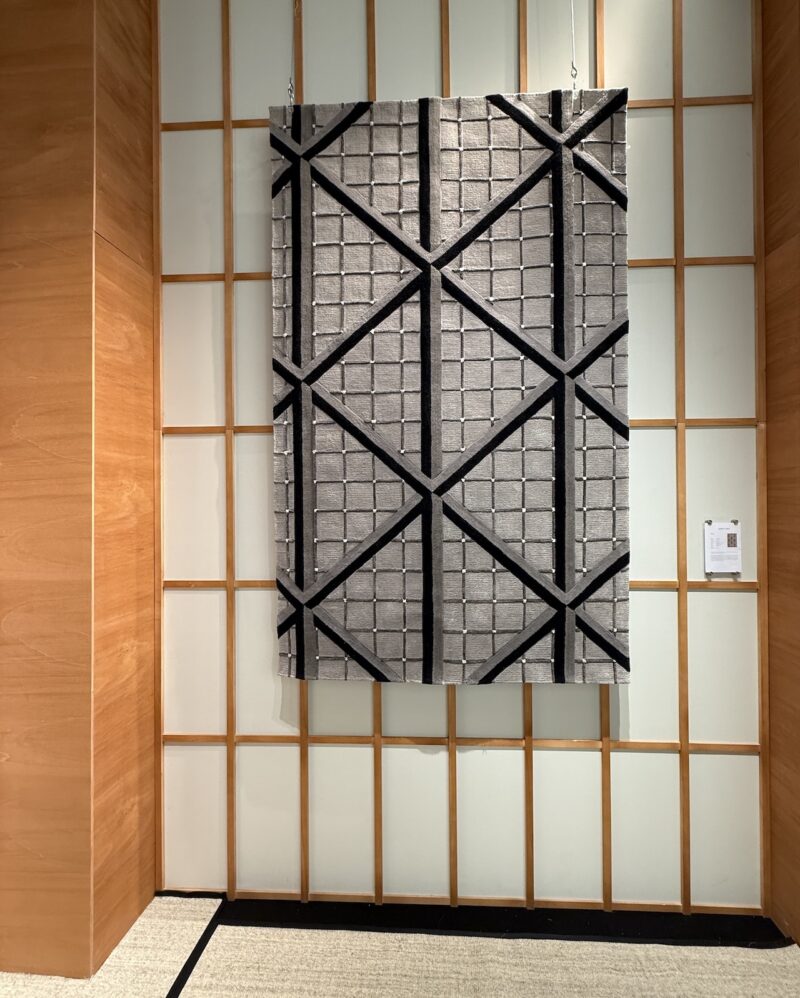
Among the most compelling presentations was the "FACES" collection, a collaboration between the acclaimed Japanese architect Kengo Kuma and the esteemed Indian rug manufacturer Jaipur Rugs. This collection of 16 rugs commanded attention at both Salone del Mobile and various offsite presentations, distinguished by its bold architectural patterns rendered in a sophisticated palette of muted tones. The inspiration for "FACES" draws directly from the facades of Kuma’s most iconic buildings, including the Suntory Museum of Art in Tokyo. The subtle striations and textural nuances of these architectural marvels are artfully hinted at in patterns such as Sukima and Bokashi, transcending literal representation to evoke a deeper sensory experience.
Kengo Kuma, globally celebrated for his philosophy of designing buildings that blend seamlessly with their natural and cultural surroundings, often employs natural materials and traditional Japanese craftsmanship. His work is characterized by an emphasis on light, shadow, and texture, aiming to create spaces that are both modern and deeply rooted in their context. This design ethos found a natural synergy with Jaipur Rugs, a company renowned for its ethical practices, artisan empowerment, and commitment to preserving traditional Indian weaving techniques. The "FACES" collection is not merely about replicating architectural forms; it is an exploration of how light and shadow play across surfaces, an abstract interpretation of Kuma’s architectural language translated into textile. The intricate weaving techniques employed by Jaipur Rugs allow for varying pile heights and yarn densities, which mimic the subtle shifts in perception one experiences when viewing a building facade under different lighting conditions. This nuanced approach results in rugs that are not only visually striking but also invite tactile engagement, making them sophisticated pieces of floor art that enrich any interior space. The collaboration highlights a growing trend of architects venturing into product design, bringing their spatial understanding to more intimate scales and demonstrating the versatility of their creative vision.
Illulian: A Symphony of Artisanal Luxury and Artistic Expression
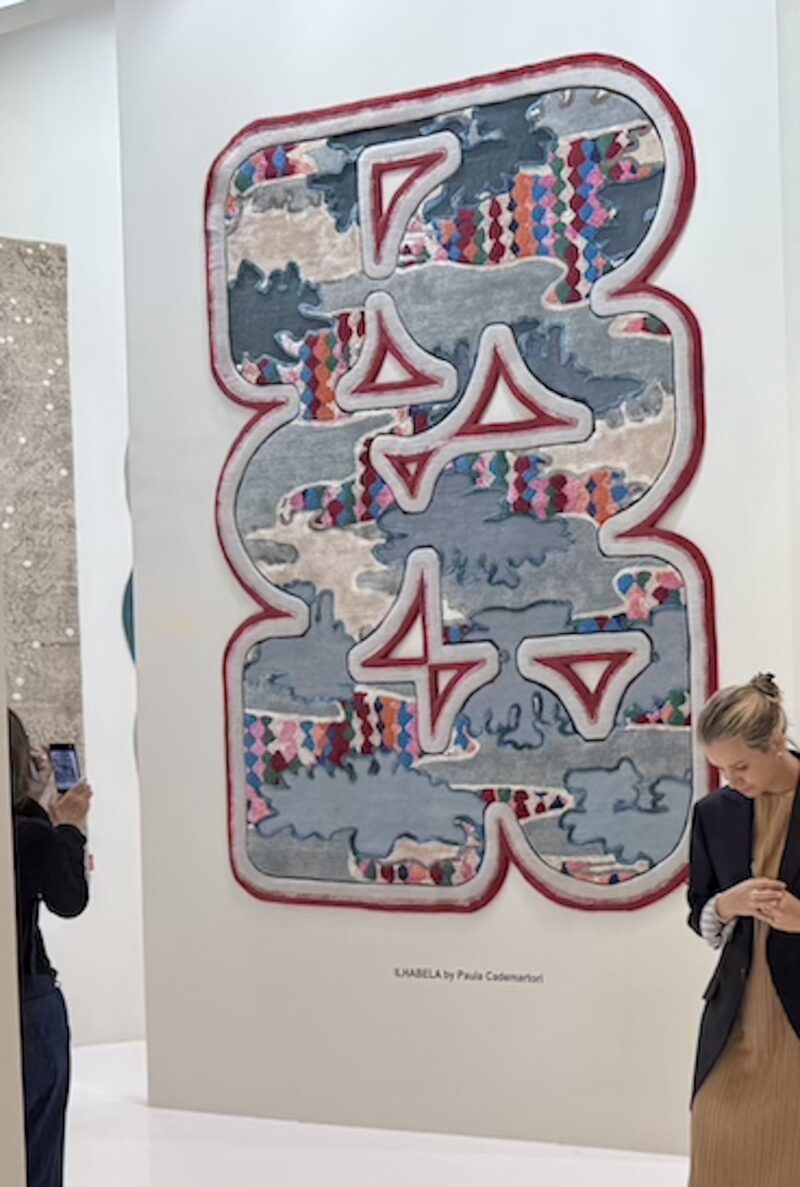
The Italian luxury rug brand Illulian, with its deep-rooted heritage and unwavering commitment to artisanal excellence, showcased pieces that exemplified its artistic ambitions. Handcrafted by master artisans in Nepal, Illulian’s rugs are a testament to meticulous skill and creative vision. Two standout pieces were "Ilhabela" by Paula Cadematori and "Mineralia" by Controvento, each presenting a distinct yet equally captivating aesthetic.
"Ilhabela," part of the NO LAND capsule collection, is a poetic exploration of chromatic contrasts. Designer Paula Cadematori describes it as delving into "the contrast between the depths of blue and the shades of sunrise." This evocative theme is brought to life through a precise 45-degree hand-cutting technique, a challenging method that creates sharp, defined edges and a multi-dimensional surface. This technique allows for a sophisticated interplay of colors and textures, creating a visual flow that mimics natural transitions, such as the shifting hues of the ocean meeting the sky at dawn. Cadematori’s design language often involves a fusion of vibrant colors and intricate details, making her rugs dynamic focal points.
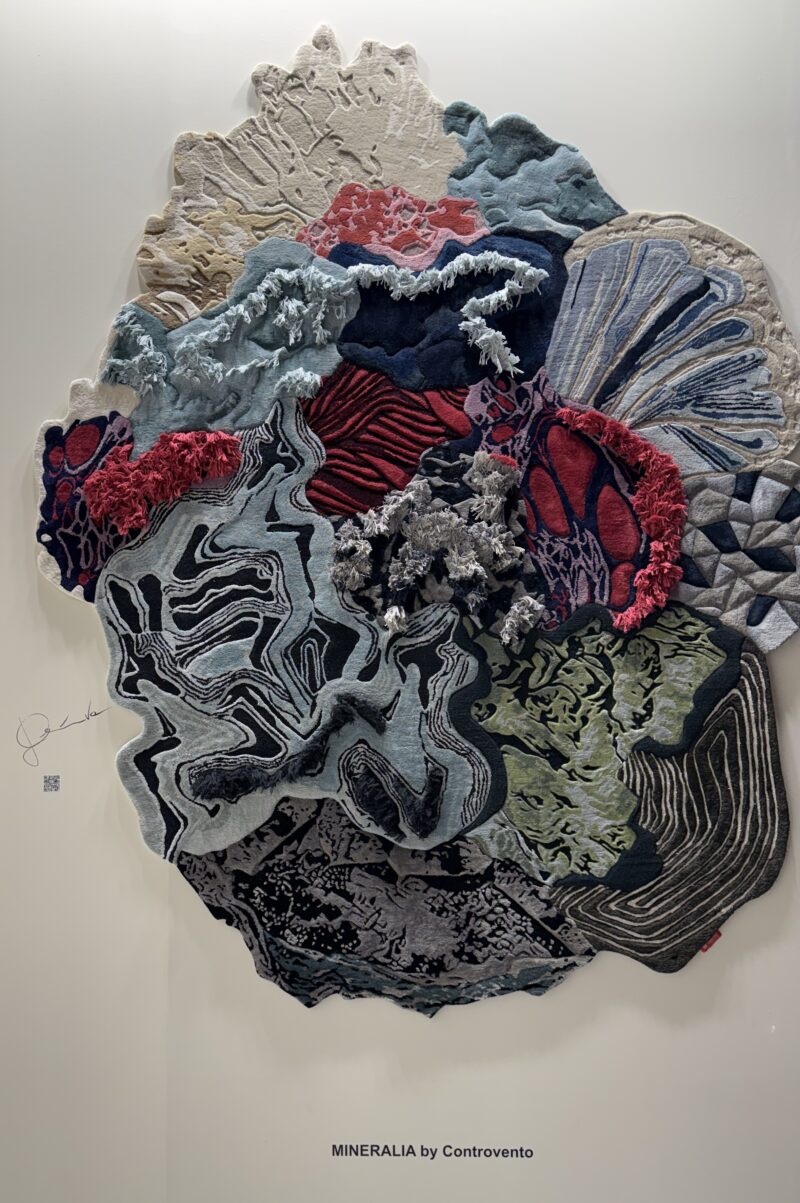
Conversely, "Mineralia" by Controvento offers a more organic and textural experience. This rug masterfully manipulates pile heights and yarn textures to create a floor covering that feels as if it were sculpted by nature itself. The design evokes geological formations, rock strata, and elemental landscapes, bringing a raw, earthy elegance into interior spaces. Controvento’s design philosophy typically leans towards biomimicry and a deep respect for natural forms, which is evident in "Mineralia’s" rich tactile surface and seemingly freeform patterns. Together, "Ilhabela" and "Mineralia" beautifully illustrate Illulian’s diverse range, from geometrically precise and whimsically restrained designs to those that are profoundly organic and fluid. The brand’s reliance on Nepalese craftsmanship not only ensures unparalleled quality but also supports the preservation of traditional weaving techniques, a crucial aspect of sustainable and ethical luxury production.
GAN’s "New Origins": Celebrating Materiality and Craft
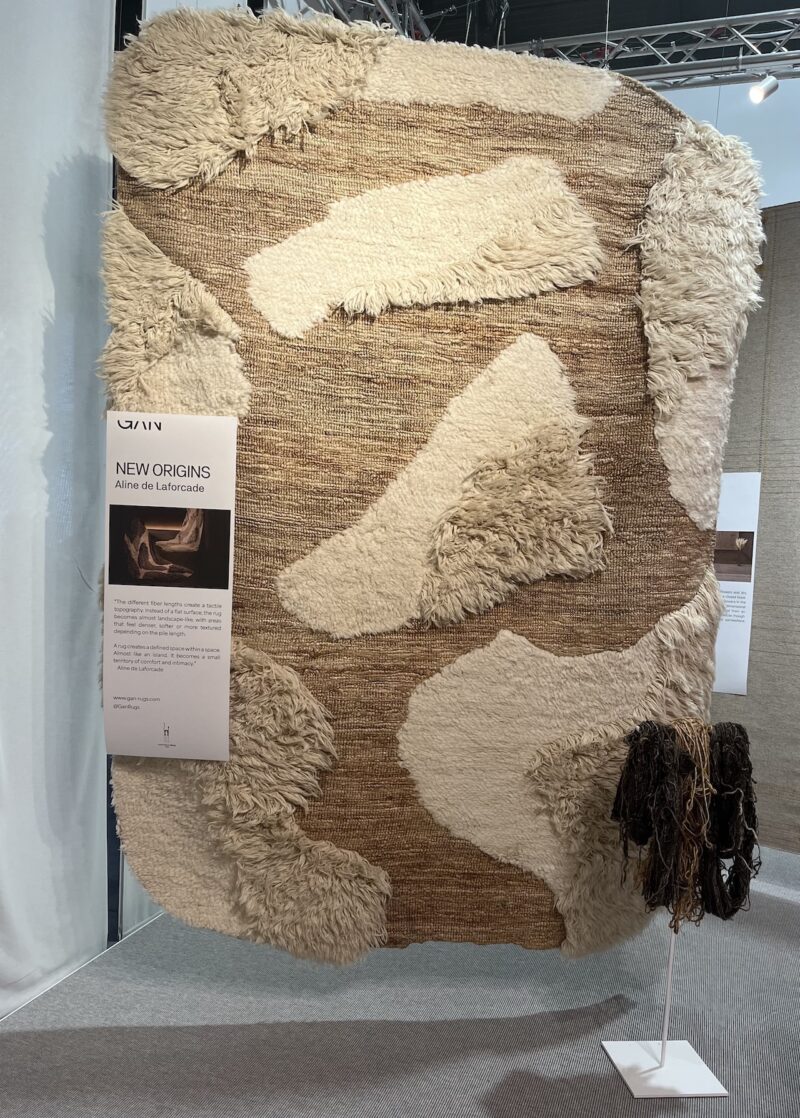
Spanish rug brand GAN, celebrated for its innovative approach to contemporary rug design, presented "New Origins" by Aline de Laforcade. This oval rug, crafted from a compelling blend of jute and wool, immediately captivated with its unique aesthetic, evoking the impression of a shaggy yet regal pet—or, more aptly, the very sheep that provide its foundational yarn. The collection’s production involves a sophisticated combination of two traditional techniques: manual loom weaving and hand-knotting of the wool. This dual approach is instrumental in allowing for the execution of varying textures and densities, which collectively form the rich, layered "landscapes" within its design.
Aline de Laforcade, known for her commitment to natural materials and tactile experiences, imbues "New Origins" with a profound connection to its raw components. The use of jute provides a sturdy, earthy base, while the wool introduces unparalleled softness and warmth. This combination results in a rug that is both robust and inviting, blurring the lines between a practical home accessory and a meticulously crafted artwork. The manual loom technique lays the foundation, establishing the overall form and initial texture, while the hand-knotting allows for the intricate detailing, creating areas of varying pile height and visual depth that contribute to the rug’s organic, almost sculptural quality. This meticulous process ensures that each "New Origins" rug possesses a unique character, reflecting the skilled hands that brought it to life. GAN’s commitment to these traditional, labor-intensive methods not only celebrates artisanal heritage but also aligns with the growing demand for sustainable and authentic products in the luxury design market. The rug’s striking presence makes it a compelling statement piece, embodying comfort, craftsmanship, and a deep appreciation for natural beauty.
Nanimarquina’s Lucia Eames Collection: A Legacy Reimagined
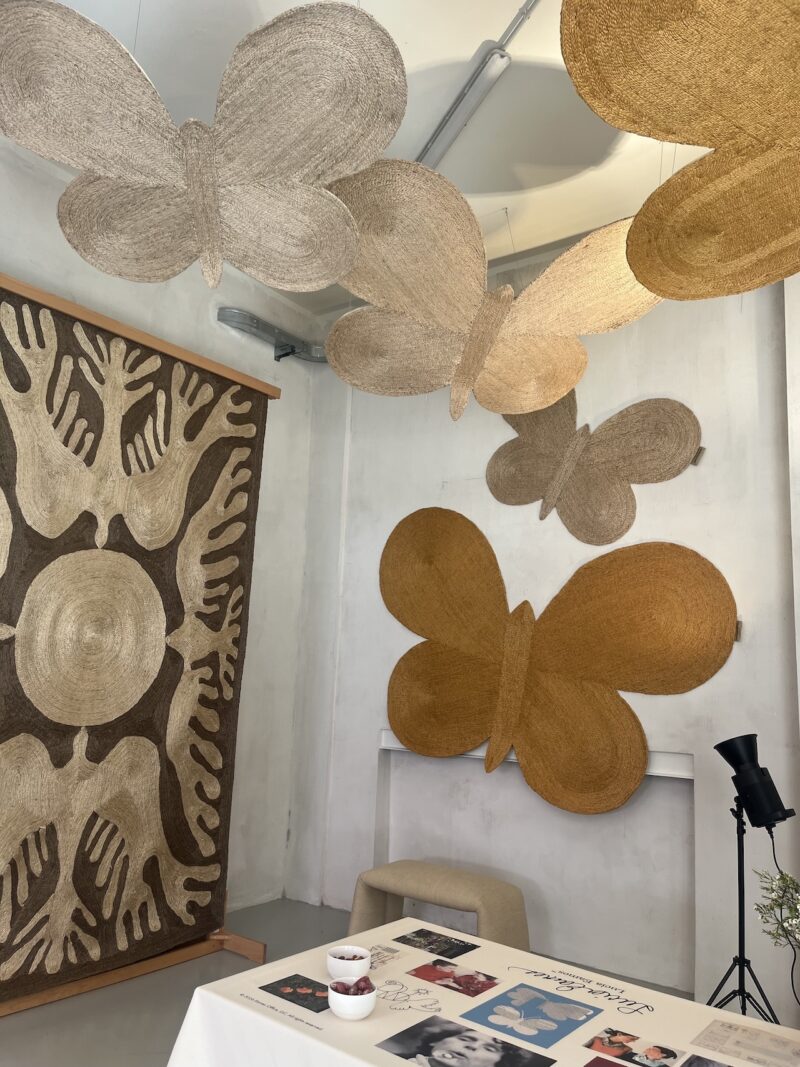
The indelible legacy of the Eames family permeated Milan Design Week, with various installations paying homage to their enduring influence. Beyond the Triennale’s showcase of a prefab modular pavilion based on the iconic Eames House, the nature-inspired drawings of the late Lucia Eames—daughter of Charles Eames and his first wife, Catherine Woermann—were beautifully interpreted into a delightful rug collection by the Spanish brand Nanimarquina.
Lucia Eames, while not as widely recognized as her famous parents, possessed a unique artistic vision characterized by a profound appreciation for the natural world. Her intricate, organic drawings, often featuring flora and fauna, served as the primary inspiration for Nanimarquina’s collection. The rugs were prominently installed at Salone del Mobile, where butterfly motifs, a recurring theme in Lucia’s work, appeared to soar gracefully above the Nanimarquina booth, creating an immersive and ethereal experience. This artistic presentation underscored the collection’s ambition to transcend mere floor covering, positioning each piece as a work of art.
The collection employs a sophisticated array of traditional and innovative techniques, including hand tufting, hand knotting, hand looming, and embroidery. Furthermore, Nanimarquina integrated new developments such as sculptural tufting—which adds three-dimensional relief—and hand-braided, hand-stitched jute elements. These diverse techniques allow for a rich tapestry of textures and patterns, faithfully translating Lucia Eames’s intricate drawings into textile form. The use of natural fibers, specifically high-quality Afghan and New Zealand wool combined with jute, creates surfaces that play subtly between matte and luminous qualities. Afghan wool is prized for its durability and natural sheen, while New Zealand wool offers exceptional softness and purity of color. Jute, a sustainable fiber, adds a rustic texture and contributes to the collection’s earthy feel. This thoughtful combination of materials and techniques not only honors Lucia Eames’s artistic legacy but also reinforces Nanimarquina’s commitment to craftsmanship, natural aesthetics, and sustainable design practices, further cementing the Eames family’s multi-generational impact on contemporary design.
Bieke Casteleyn x JOV: The "Clover" of Immersive Softness
At Fuorisalone, the collaboration between Belgian designer Bieke Casteleyn and textile specialist JOV introduced "Clover," an installation that challenged conventional notions of rug functionality and display. Described by its creators as "an immersive landscape of softness, form, and material," the collection featured rugs presented in rounded, organic forms, prominently displayed as wall-mounted art pieces. This innovative approach highlighted the rug’s potential beyond floor covering, transforming it into a sculptural element that enhances the architectural space.
Bieke Casteleyn is renowned for her minimalist yet deeply tactile design approach, often blurring the boundaries between furniture, art, and interior architecture. Her work typically emphasizes sculptural forms, natural materials, and an inherent sense of tranquility. JOV, known for its high-quality textiles and innovative weaving techniques, provided the perfect platform for Casteleyn’s vision. The "Clover" collection, named perhaps for its organic, rounded shapes reminiscent of the plant, showcased an inherent simplicity combined with an undeniable playfulness. The wall-mounted presentation encouraged viewers to perceive the rugs as large-scale textile artworks, inviting interaction not through walking, but through visual and tactile appreciation.
The "immersive landscape" concept was achieved through the careful selection of materials and manipulation of textures, creating a multi-sensory experience. While specific materials were not detailed in the initial brief, the emphasis on "softness" suggests luxurious, inviting fibers, likely high-grade wools or blends that contribute to a plush, comforting aesthetic. The rounded forms softened the angularity of typical exhibition spaces, creating pockets of serene, tactile beauty. This collaboration exemplifies a growing trend in design where traditional objects are recontextualized, pushing the boundaries of their intended use and integrating art seamlessly into living environments. "Clover" stood out for its ability to combine minimalist aesthetics with a warm, inviting presence, demonstrating how rugs can become dynamic, sculptural interventions in contemporary interiors.
Broader Implications: Trends and the Future of Rug Design
The rug collections unveiled at Milan Design Week collectively signal several key trends shaping the future of interior design. Firstly, there is an undeniable emphasis on sustainability and ethical production. Brands like Jaipur Rugs, Illulian, GAN, and Nanimarquina consistently highlight the use of natural fibers—wool, jute, silk—and the preservation of artisanal craftsmanship. This commitment resonates with a growing consumer demand for products that are not only beautiful but also environmentally responsible and socially conscious, ensuring fair wages and skill development for artisans.
Secondly, the event underscored the blurring lines between artistry and functionality. Many of these rugs transcend their traditional role as mere floor coverings to become sculptural installations, wall hangings, or central artistic statements. Kengo Kuma’s architectural interpretations, Illulian’s painterly designs, and Bieke Casteleyn’s wall-mounted forms all exemplify this shift, elevating rugs to the status of fine art that profoundly influences the aesthetic and emotional tenor of a space.
Thirdly, tactility and sensory experience are paramount. Designers are increasingly experimenting with varied pile heights, yarn textures, and material combinations to create rich, multi-dimensional surfaces that invite touch and add depth to interiors. The interplay of matte and luminous fibers in Nanimarquina’s collection or the deliberate manipulation of textures in GAN’s "New Origins" speaks to this heightened sensory awareness.
Finally, the architectural and cultural influences on rug design are becoming more pronounced. Kuma’s direct translation of architectural facades into textile patterns, and Nanimarquina’s homage to Lucia Eames’s nature-inspired drawings, illustrate how rugs are becoming integral to holistic design narratives, often drawing from diverse cultural heritages and historical contexts. This integration enriches the design landscape, offering pieces that are not only aesthetically pleasing but also carry deeper cultural and intellectual significance.
In conclusion, Milan Design Week 2024 reaffirmed the rug’s elevated status in contemporary design. Far from being relegated to a secondary role, these innovative collections demonstrated the rug’s potential as a primary design element capable of transforming spaces, expressing sophisticated artistic visions, and embodying a commitment to craftsmanship and sustainability. As designers continue to push boundaries, the future of rug design promises even more exciting intersections of art, architecture, and textile innovation.







