Cintya Tara Annisa
The global coffee industry is standing at the precipice of a technological transformation, moving beyond traditional storage methods toward a data-driven, integrated ecosystem of quality preservation. Ecotact, a New Delhi-based leader in hermetic packaging and storage solutions, has announced its intention to catalyze this shift by unveiling three major innovations at the upcoming World of Coffee (WOC) San Diego 2026. This move marks a strategic evolution for the company, transitioning from a provider of high-quality storage bags to a holistic architect of the coffee value chain, addressing critical touchpoints from the farm gate to the final consumer.
Scheduled to take place from April 10th to 12th, 2026, at the San Diego Convention Center, the event serves as a premier global platform for the specialty coffee sector. Ecotact’s presence at Booth 3723 will highlight a trio of solutions: Ecotact TraceIQ, Ship Shield Bulk Liners, and a dedicated Fermentation Kit. These products are designed to solve long-standing challenges in the industry, including transit-related quality degradation, lack of real-time supply chain transparency, and the high cost of experimental processing for smallholder farmers.
A Strategic Pivot Toward Digital and Integrated Solutions
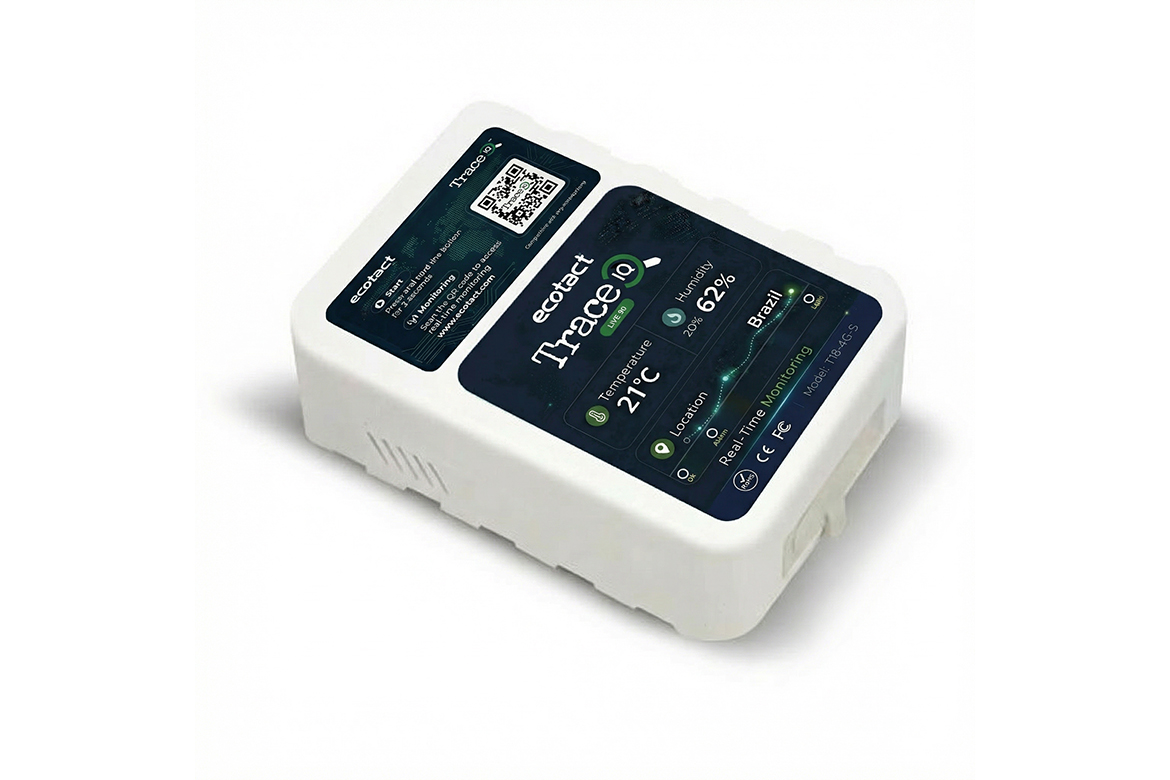
The centerpiece of Ecotact’s 2026 lineup is TraceIQ, a smart digital logging solution that represents the brand’s first major foray into the Internet of Things (IoT) and Agri-Tech space. Unlike traditional data loggers that require manual retrieval and downloading upon arrival, TraceIQ utilizes GSM-based technology to provide real-time updates. This device is engineered to monitor high-value specialty coffee lots during both long-term storage and international transit.
In an era where coffee prices are increasingly volatile and the demand for specialty grades is at an all-time high, the ability to monitor environmental parameters is no longer a luxury but a necessity. TraceIQ tracks temperature, humidity, and precise GPS location. By providing this data in real-time, the system allows stakeholders—including exporters, importers, and roasters—to identify potential risks before they result in total product loss. For instance, if a shipping container’s internal temperature spikes while sitting at a port in a tropical climate, the owner of the coffee can receive an immediate alert, allowing for rapid intervention or insurance documentation.
Industry analysts suggest that the integration of digital tracking into hermetic storage could reduce "invisible" losses—such as the loss of aroma and moisture consistency—which can devalue a specialty lot by up to 15% during a standard transoceanic voyage. By bridging the gap between physical protection and digital oversight, Ecotact is positioning itself as a guardian of the "sensory equity" of the coffee bean.
Revolutionizing Logistics with Ship Shield Bulk Liners
While TraceIQ handles the digital oversight, the physical challenges of bulk transportation are addressed by the new Ship Shield Bulk Liners. As global logistics continue to face pressures from fluctuating fuel costs and container shortages, the efficiency of green coffee transit has become a focal point for large-scale operations.
The Ship Shield Bulk Liner is designed specifically for long-haul transits where green coffee beans are most vulnerable to the "container sweat" phenomenon. This occurs when temperature fluctuations during sea travel cause moisture to condense on the interior walls of a metal container, leading to mold growth and musty flavors. Ecotact’s new liners incorporate advanced condensation protection and anti-mold properties within a high-barrier, hermetic structure.
Functionality is a key driver of this innovation. The liners feature specialized loading, unloading, and sampling spouts, which streamline the labor-intensive process of handling bulk shipments. Furthermore, in alignment with global sustainability mandates, the Ship Shield is 100% reusable and recyclable. This focus on the circular economy is expected to resonate strongly with the San Diego audience, as California remains a hub for environmental regulation and corporate responsibility.
Empowering Producers through Controlled Fermentation
Perhaps the most significant impact on the "origin" side of the value chain comes from the introduction of the Ecotact Fermentation Kit. In recent years, anaerobic fermentation—a process where coffee cherries are fermented in an oxygen-free environment—has become a dominant trend in the specialty market, allowing producers to unlock complex, fruit-forward flavor profiles that command premium prices.
However, traditional anaerobic setups often require expensive stainless-steel tanks or complex infrastructure that is out of reach for many small-scale farmers. Ecotact’s Fermentation Kit democratizes this process by utilizing their proven Farmer D’lite bags. The kit provides a cost-effective, field-tested method for farmers to conduct controlled anaerobic fermentation directly at the farm level.
By providing a reliable and easy-to-use system, Ecotact is enabling farmers to move up the value chain from commodity production to specialty processing. This has the potential to significantly increase the household income of producers in regions like Ethiopia, Colombia, and Vietnam, where experimental processing is often the only way to differentiate a harvest in a crowded market.
The Context of World of Coffee San Diego 2026
The choice of San Diego as the launch site is highly intentional. The World of Coffee trade show, organized by the Specialty Coffee Association (SCA), is one of the most influential gatherings in the global industry. San Diego, with its proximity to both the major roasting hubs of the West Coast and the producing regions of Central and South America, serves as a bridge between two worlds.
The 2026 event is expected to draw over 15,000 attendees, including green coffee buyers, roasters, logistics providers, and technology innovators. As the coffee-consuming markets in North America and Europe increasingly demand transparency and sustainability, the innovations presented by Ecotact align with the "Third Wave" coffee movement’s emphasis on traceability and quality preservation.
The timeline of these releases reflects a broader trend in the 2020s: the professionalization of the mid-stream coffee supply chain. For decades, the industry focused on either the farm (agronomy) or the cafe (brewing). The "missing middle"—the months spent in storage and transit—is finally receiving the technological attention it requires.
Leadership Vision and Industry Implications
Hanuman Jain, the Founder and CEO of Ecotact, emphasized that these developments are the result of years of on-ground feedback from stakeholders across the globe. "Ecotact has always been rooted in delivering practical, on-ground solutions for the coffee value chain," Jain stated. "Today, we are expanding beyond packaging into smart, integrated technologies that make the industry more future-ready."

Jain’s vision reflects a broader corporate strategy to insulate the coffee industry against the uncertainties of climate change and supply chain disruptions. By ensuring that quality is preserved from the moment of harvest through to the final port of entry, Ecotact is essentially providing "insurance" for the hard work of the coffee farmer.
Industry experts anticipate that the launch of TraceIQ and the Fermentation Kit will spark a new wave of competition in the hermetic storage market. Competitive brands may be forced to accelerate their own digital offerings to keep pace with the real-time tracking capabilities now being introduced. Furthermore, the focus on reusability in the Ship Shield Bulk Liners sets a new benchmark for industrial-scale packaging, potentially influencing future international standards for coffee shipping.
Data-Driven Analysis: The Economic Stakes of Preservation
The economic argument for Ecotact’s new ecosystem is supported by sobering statistics regarding post-harvest loss. According to various agricultural studies, approximately 10% to 15% of global food production is lost between the farm and the market due to poor storage and handling. In the coffee sector, "loss" isn’t always physical volume; it is often the loss of "cup quality."
A specialty coffee that scores 88 points at the farm may drop to 82 points after three months in a standard jute bag during a humid sea transit. In financial terms, this can represent a drop in value from $6.00 per pound to $2.50 per pound. By maintaining a modified atmosphere and providing real-time data to correct environmental deviations, Ecotact’s integrated system aims to eliminate this value erosion.
Moreover, the sustainability aspect of the Ship Shield Bulk Liner addresses the growing "Scope 3" emission concerns of major coffee roasters. As companies strive to reach Net Zero targets, the ability to use recyclable, high-capacity bulk liners instead of thousands of single-use smaller bags offers a measurable reduction in the carbon footprint of coffee logistics.
Conclusion: A New Era for the Coffee Value Chain
The unveiling of these three innovations at WOC San Diego 2026 signifies more than just a product launch; it represents a maturation of the coffee industry’s infrastructure. By combining the biological needs of the coffee bean (fermentation and hermetic protection) with the logistical needs of the modern world (bulk efficiency and digital traceability), Ecotact is addressing the coffee value chain as a single, interconnected organism.
As visitors gather at the San Diego Convention Center this April, the focus will likely remain on how these technologies can be scaled. For the smallholder farmer in Huila or the boutique roaster in Oslo, the message from Ecotact is clear: the future of coffee quality is no longer left to chance; it is monitored, managed, and preserved through science and technology. The shift from "packaging solutions" to a "quality preservation ecosystem" is officially underway, setting a new standard for the global coffee trade in 2026 and beyond.