
 Indra Kusuma
London, UK – Design Milk, a prominent global platform for design inspiration and discovery, successfully hosted its inaugural "Design Dialogues" series at Clerkenwell Design Week 2026, held from May 19th to 21st. This landmark initiative brought together an influential assembly of leading architects, emerging designers, technologists, social scientists, and media experts for three days of intensive discussions. The program aimed to ignite conversations around the most pressing and transformative issues facing contemporary design practice, reinforcing Design Milk’s commitment to advancing design through the vibrant exchange of ideas.
Clerkenwell Design Week, recognized as the UK’s most dynamic annual gathering for the design community, provided an ideal backdrop for the "Design Dialogues." Spanning hundreds of events and special installations across London’s historic design district, the festival annually draws thousands of industry professionals, fostering networking, product launches, and intellectual discourse. Design Milk’s dedicated programming contributed significantly to this year’s creative ferment, positioning itself at the forefront of critical thought leadership within the global design landscape. The curated series of talks and conversations, expertly moderated by Design Milk’s Deputy Editor Joseph P. Sgambati III, Architizer’s Managing Editor Hannah Feniak, and SANDOW Design Group’s EVP and Design Futurist AJ Paron, delved into pivotal themes that are reshaping the future of design.
The Genesis of Design Dialogues: A Commitment to Evolving Design
Design Milk’s philosophy centers on the belief that design is a continuously evolving discipline, propelled forward by collaborative thought and the cross-pollination of diverse perspectives. As a platform dedicated to showcasing innovation and inspiring creativity, the "Design Dialogues" initiative represents a natural extension of its mission. The decision to launch this series at Clerkenwell Design Week underscores the event’s stature as a nexus for design innovation and its capacity to attract a broad, engaged audience eager to explore new frontiers. The 2026 edition of the festival, known for its experimental and forward-thinking spirit, offered an unparalleled environment for such an ambitious intellectual undertaking. The three-day format allowed for a deep dive into complex subjects, moving beyond superficial presentations to foster genuine, multi-faceted dialogues that challenge existing paradigms and propose actionable solutions for the industry.

Neurodiversity and Immersive Spaces: Designing for Human Experience
A central theme explored during the "Design Dialogues" was the burgeoning field of neuro-inclusive design and the ethical implications of immersive technologies. The conversations highlighted a growing industry imperative to create environments that cater to a broader spectrum of human experiences and cognitive profiles.
Noted immersive experience designer Adipat Virdi delivered a compelling presentation that illuminated the critical role of empathy in an increasingly AI-driven and mixed-reality world. Virdi’s insights, drawn from his extensive work in creating engaging and emotionally resonant digital and physical experiences, emphasized that technology should serve to augment human connection and understanding, rather than diminish it. He was joined in a thought-provoking discussion by Gamma Basra, Senior Partner and Head of Visualization at Foster + Partners; Andrew Reid, SVP of Commercial and Creative Strategy at Jack Morton; and Mark Jeffrey, Creative Director at Vision Tank. Their collective expertise underscored how architects, strategists, and creative directors are grappling with the ethical dimensions of crafting environments that are both technologically advanced and deeply human-centric. The panel explored how designers can leverage immersive tools not just for spectacle, but to foster genuine empathy and understanding of diverse user needs, particularly in the context of accessibility and neurodiversity.
Furthering this critical discourse, AJ Paron, a leading expert in design for autism, unveiled a groundbreaking framework for neuro-inclusive design. Her presentation challenged conventional "high vs. low sensitivity" models, advocating for a more nuanced approach informed by the four distinct cognitive profiles associated with autism. Paron’s research-backed insights, developed in collaboration with Alexandra Cleator, a director of Be Kind Research, emphasized that effective neuro-inclusive design requires a deep understanding of individual traits and the varying contexts in which autistic people live and interact with spaces. This paradigm shift encourages designers to move beyond superficial accommodations to create truly supportive and empowering environments that consider sensory input, cognitive load, and social interaction patterns. The discussion highlighted the significant implications for public spaces, educational institutions, and residential design, where tailored solutions can dramatically enhance quality of life.
The convergence of experience design and neuro-inclusive perspectives culminated in "The Post-Neuro Office," a panel discussion dedicated to reimagining workplaces around principles of cognitive load, focus, and long-term mental stamina. As global studies increasingly highlight the prevalence of neurodivergent individuals in the workforce and the universal benefits of thoughtful design, the panel addressed how offices can be optimized for diverse cognitive needs. Panelists Chiara Cantilena, Head of Interiors and Senior Associate at LOM; Megan Dobstaff, Principal and Design Director at Gensler; and Dr. Katie Gaudion, Design Consultant and Senior Research Associate at the Royal College of Art’s Helen Hamlyn Centre for Design, shared strategies for creating flexible, adaptable, and stimulating workspaces. Discussions ranged from the integration of quiet zones and sensory-friendly materials to personalized lighting and acoustic solutions, all aimed at fostering environments where every employee can thrive, irrespective of their neurocognitive profile. The consensus was that designing for neurodiversity is not merely an act of compliance but a strategic investment in innovation, productivity, and employee well-being.

Design For This Generation and the Next: Reshaping Future Environments
The "Design Dialogues" also cast a forward-looking gaze, exploring how contemporary design must adapt to the evolving needs and expectations of current and future generations, particularly in the context of post-pandemic shifts and the rise of AI-native populations.
Six years after the onset of the COVID-19 pandemic, organizations worldwide continue to navigate a dramatically transformed workplace landscape. The panel titled "Designing for a Workforce That Doesn’t Fully Trust the Office" grappled with the complex dynamics of hybrid work models and shifting employee loyalties. Joanne Sanger, Associate Interior Designer at Resonate Interiors, and Mijail Gutierrez, Design Director at Perkins&Will, engaged in a robust debate with AJ Paron about the enduring implications of remote and flexible work. Putting themselves in the shoes of Generation Z, which largely entered the workforce during an era where hybrid work was the norm, the panelists critically examined how workplace design must evolve to meet the unique demands of this generation. Discussions touched upon the need for offices to offer compelling reasons for in-person attendance, focusing on community building, mentorship opportunities, and access to resources that cannot be replicated at home. The experts highlighted trends indicating a preference for flexible, adaptable spaces that support various work styles, foster collaboration, and prioritize employee well-being, moving away from rigid, traditional office layouts.
Peering further into the future, a second generation-focused panel, "Designing for Gen Alpha," speculated on the types of spaces that Generation Alpha – the first truly AI-native generation – might inhabit, work in, learn from, and relax within. AJ Paron moderated this insightful session, joined by Elisa Cecilli, Strategic Foresight Lead at Perkins&Will & Portland Design; Jo Rowan, Associate Director of Strategy at Priestman Goode; and Lee Roberts, VP and Principal at Zebra Projects. The debate centered on the design preferences of a generation growing up immersed in artificial intelligence, virtual realities, and hyper-connectivity. Panelists explored how the built environment might respond to Gen Alpha’s anticipated comfort with fluid, dynamic spaces, their expectation of personalized experiences, and their potential demand for seamless integration of digital and physical realms. The discussion posited that future designs might emphasize adaptability, interactivity, and a blending of functions, anticipating a workforce that values experiential learning and hyper-customization in all aspects of their lives.
Responsible Materials and Nature-Inspired Spaces: A Sustainable Future
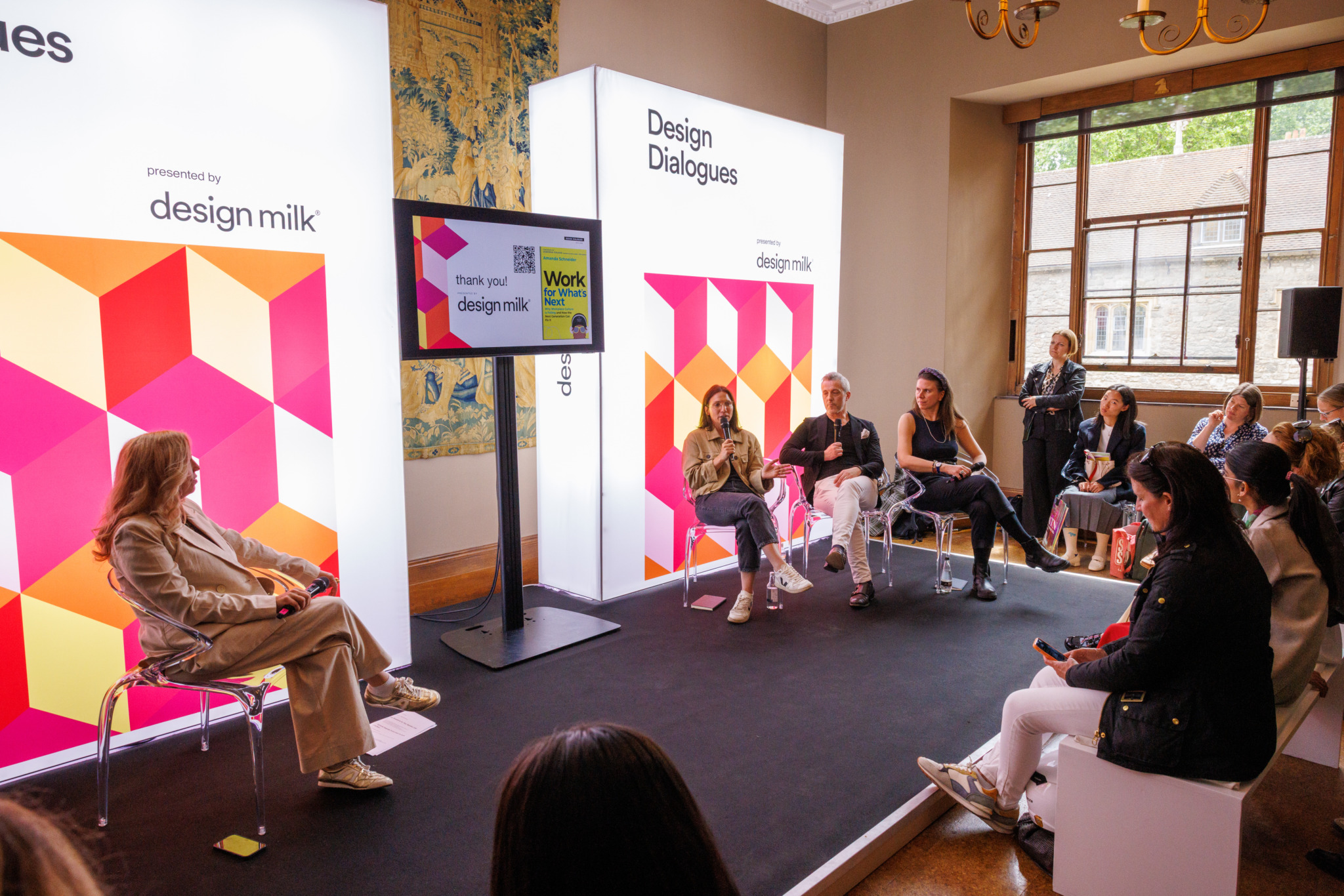
Sustainability emerged as a pervasive and crucial thread throughout several conversations, facilitated by Architizer’s Hannah Feniak. The panels underscored the design industry’s pivotal role in addressing climate change and promoting ecological stewardship.
In "Beyond Biophilia: The Next Phase of Nature-Integrated Design," Oliver Heath of Oliver Heath Design Studio presented a holistic approach to design that extends biophilia beyond mere aesthetic integration of plants. Heath shared how his practice considers birds, plants, insects, soil, and other elements of the broader ecosystem as integral, equal stakeholders in the design process. This expanded view of nature-integrated design emphasizes ecological function, biodiversity, and regenerative principles. John Bushell, Principal at KPF, further elaborated on this by discussing strategies for integrating nature at the urban scale, focusing on developing climate-responsive cities through innovative landscape architecture, green infrastructure, and sustainable master planning. Sarah Dabbs, Studio Operations Director at SpaceInvader, complemented these macro-level insights with her approach to low-impact interiors, combining biophilic design with robust strategies for reuse, repair, and comprehensive waste diversion. The discussion highlighted a shift from superficial greening to deep ecological integration, where design actively contributes to ecosystem health.
The panel "Future Nostalgia: Reinventing Materials" brought together design leaders to discuss diverse and innovative material strategies. Arthur Mamou-Mani detailed how his studio, known for its pioneering work in computational design and digital fabrication, operates an in-house fabrication and recycling facility. This setup allows him and his team to continually experiment with combining digital tools and design for circularity, transforming waste into new architectural components and products. Catarina Kohut of Tuckey Design Studio spoke passionately about prioritizing place and earth in architecture projects, advocating for locally sourced, natural, and low-impact materials that connect buildings intrinsically to their geographical and cultural contexts. Colin Macgadie, Founding Director of ForEveryday.Life and Chair of the USM Futures Lab, shared his extensive experience in re-orienting global real estate portfolios away from resource-intensive ground-up construction towards the adaptive reuse of existing buildings and materials. His insights underscored the immense environmental and economic benefits of embracing existing infrastructure and extending material lifecycles.
Design brands, crucial suppliers of materials for building products and projects, also contributed to the "Design Dialogues," showcasing their commitment to sustainability. Cristina Stefani, Marketing & Communication Strategist at Aquafil, informed attendees about the significant impact designers can make by specifying fully regenerated Econyl nylon fiber, derived from waste materials such as fishing nets and old carpets. This demonstrated a tangible pathway for designers to contribute to a circular economy. April Renee Graves, Partner at Aria Stone Gallery, celebrated the inherent sustainability and nuanced beauty of specifying natural stone. She articulated how thoughtful selection and responsible sourcing of natural stone represent a powerful way of practicing earth-centered design, connecting interiors to geological processes and promoting enduring material choices. These brand perspectives provided practical insights into how material selection can drive ecological responsibility and aesthetic excellence simultaneously.
Design Process and Business Today: Navigating Creative and Strategic Imperatives

The concluding segment of the "Design Dialogues" programming addressed the intricate creative and strategic concerns of design firms and studios, focusing on collaborative practices, iterative design processes, and robust brand building. This series of talks offered a holistic view of the operational realities and aspirational goals within the design industry.
Marketing and Communications leaders, participating in the panel "True to You: Building a Design Brand with Integrity," asserted a fundamental shift in how design studios are growing their practices and gaining recognition today. Consultant Ayo Abbas underscored that a firm’s internal work culture and ethical decisions are often more impactful in building its market presence than traditional branding elements like logos and websites. She emphasized that authenticity and transparency resonate deeply with contemporary clients and talent. Anya Cooklin-Lofting of Caro Communications seconded this perspective, highlighting the immense value clients and the public place on getting to know the real people and values behind a firm’s projects. This human-centered approach to branding fosters trust and creates deeper, more meaningful connections. Sophie Irvine, Head of Finance and Operations at the Glasgow-based, employee-owned firm Collective Architecture, provided a compelling case study. Her firm’s identity is intrinsically tied to its collaborative working model and the diverse composition of its team, rather than adhering to a particular design style or process, demonstrating how organizational structure can be a powerful brand differentiator.
Artisanal processes and the critical role of craft collaborators were highlighted in a panel hosted by Design Milk’s Joseph P. Sgambati III. Bill Amberg of Bill Amberg Studios, a global authority on the use of leather in architecture and interiors, shared his firm’s distinctive work, showcasing the profound impact of material expertise in shaping a truly unique design practice. His insights demonstrated how deep knowledge of materials, combined with artisanal craftsmanship, can lead to highly bespoke and innovative applications. He was joined by Shay Alkalay, co-founder of the critically acclaimed Raw-Edges Design Studio, known for its experimental approach to products, limited edition offerings, and installations for global brands such as Louis Vuitton, Vitra, Mutina, and Kvadrat. Alkalay’s contributions illuminated the power of creative collaboration and the value of pushing material boundaries to achieve groundbreaking results.
Billy Mavropoulos and Katerina Dionysopoulou, founders and directors of Bureau de Change architecture, offered attendees an exclusive look into their firm’s methodology. They detailed how their award-winning projects are propelled by a culture of rapid experimentation, prototyping, and continuous testing and fabrication. Their process involves an iterative cycle of material exploration and technical refinement, leading to fascinating and often unexpected combinations of materials and fabrication processes. This emphasis on hands-on discovery and iterative development allows them to push architectural boundaries and achieve highly innovative, context-specific solutions.
The 2026 Design Dialogues, with its rich array of perspectives from large international firms, agile boutique studios, and individual thought leaders across numerous areas of expertise, offered attendees a comprehensive snapshot of how design studios are proactively preparing to meet the multifaceted challenges of a rapidly transforming world. The event underscored the critical importance of continuous learning, interdisciplinary collaboration, and an unwavering commitment to both social and environmental responsibility in shaping the future of design. Design Milk’s successful orchestration of this initiative firmly established it as a vital forum for thought leadership, setting a new benchmark for intellectual engagement within the design community.







