

The landscape of social media management software in 2026 is defined by a sharp bifurcation in target audience design, pricing models, and feature ecosystems. As organizations increasingly rely on digital channels to maintain brand consistency, customer engagement, and market share, choosing the right management platform has become a critical operational decision. Among the market leaders, Buffer and Hootsuite represent two distinct philosophical and architectural approaches to social media administration. While both platforms offer fundamental capabilities such as cross-platform scheduling, basic engagement tracking, and multi-channel analytics, their underlying business models, target demographics, and technological integrations cater to fundamentally different segments of the digital economy.
Industry Background and Market Evolution
Over the past decade, the social media management sector has evolved from a simple utility for scheduling posts into a sophisticated suite of enterprise marketing, consumer intelligence, and customer relationship management (CRM) tools. Platforms that once focused solely on queuing Twitter and Facebook updates now incorporate artificial intelligence, deep analytics, sentiment tracking, and complex permission hierarchies.
Hootsuite, founded in 2008, established itself early as an enterprise-grade solution designed to help large organizations manage dozens of accounts, disparate marketing teams, and complex approval workflows. Its architecture reflects the demands of corporate marketing departments that require robust governance, security, and advanced functionalities like social listening and paid ad management.
Conversely, Buffer, launched in 2010, carved out a dominant position among individual creators, solopreneurs, and small-to-mid-sized businesses (SMBs). Buffer’s historical growth has been anchored in user-friendly design, transparent pricing, and accessibility, making sophisticated social media management attainable for users without dedicated IT or marketing departments. By 2026, both platforms have adapted to the rise of short-form video, platform proliferation (such as the integration of Threads and Bluesky), and the integration of generative artificial intelligence, yet their foundational design principles remain largely unchanged.

Core Structural Differences: Pricing and User Models
The most immediate distinction between Buffer and Hootsuite lies in their monetization structures. Buffer employs a per-channel pricing model, charging users based on the number of social media profiles they manage, while offering a robust, forever-free tier for up to three channels. In contrast, Hootsuite operates exclusively on a per-user pricing model with no free tier, targeting organizations with larger budgets and multiple team members requiring granular administrative control.
Buffer’s pricing begins with a free tier that supports up to three channels, ten queued posts per channel, basic analytics, and a universal comment inbox. Paid plans start at approximately $5 to $6 per channel per month, allowing small teams to scale their channel presence without incurring proportional cost increases for additional human collaborators. On Buffer’s Team plans, user seats are unlimited, meaning an organization can add as many team members as necessary without altering their subscription costs.

Hootsuite’s cost structure starts at $99 per user per month for its Standard tier, scaling up to $249 per user per month for Advanced plans, with bespoke pricing required for Enterprise tiers. Hootsuite does not offer a permanent free plan, though it provides a 30-day trial period for prospective users to evaluate its feature set. For a solo creator managing three channels, Hootsuite’s entry-level cost represents a significant financial commitment compared to Buffer’s zero-cost free plan or low-cost per-channel tier. Conversely, for large enterprises where dozens of marketing professionals require system access, Hootsuite’s per-user model aligns with corporate software purchasing conventions, whereas Buffer’s per-channel model would become difficult to scale for enterprises managing hundreds of individual brand accounts.
Feature Comparison: Scheduling, Creation, and AI Integration
Both Buffer and Hootsuite provide comprehensive tools for drafting, editing, and publishing content across major networks including Instagram, Facebook, LinkedIn, TikTok, X (formerly Twitter), YouTube, Pinterest, Threads, and Bluesky. However, subtle technical differences in content creation and execution affect user efficiency.
Content Planning and Asset Management
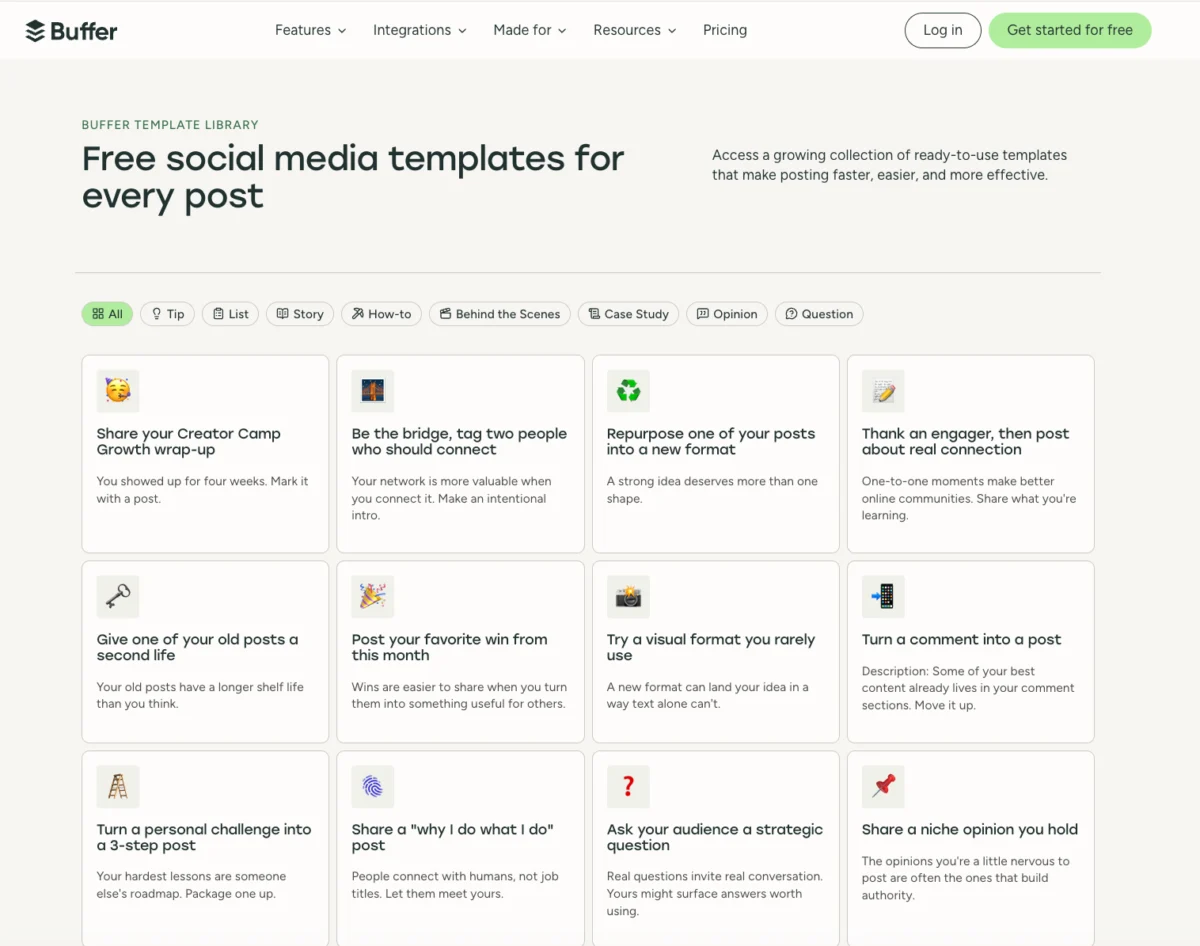
Buffer provides "Create Space," a dedicated ideas hub equipped with Kanban board views, tags, and built-in templates designed to store unfinished post ideas, text drafts, and media assets. This allows creators to build a repository of content before scheduling. Hootsuite approaches content planning primarily through its AI assistant, OwlyGPT, and the Content Library feature on its higher-tier plans. While Hootsuite lacks a native Kanban ideation board for unassigned drafts, it compensates with advanced digital asset management capabilities tailored to large marketing teams needing centralized access to brand-approved media.
Artificial Intelligence Integration
Both platforms have integrated generative AI to assist with content creation, though their execution reflects their target markets. Buffer’s AI Assistant is included across all plans, including the free tier, with no usage limits, and connects via API to allow custom workflows with models like ChatGPT and Claude. Hootsuite’s OwlyWriterAI is available across paid plans to generate campaign ideas, repurpose content, and draft captions, but it operates under token consumption limits, requiring users to manage their usage more selectively. Furthermore, Hootsuite’s OwlyGPT functions as a conversational chatbot capable of drafting comprehensive multi-channel publishing schedules based on connected brand profiles.
Platform-Specific Publishing Capabilities
Technical constraints vary between the two tools regarding specific social networks. Hootsuite allows direct ad management and paid post promotion across Facebook, Instagram, LinkedIn, and X, a capability absent in Buffer. However, Buffer offers superior support for certain creator-focused features, such as the ability to select custom cover images and thumbnails for Instagram Reels and TikTok videos—a limitation noted in Hootsuite’s Creator configurations. Additionally, Buffer supports native cross-posting to Pinterest, whereas Hootsuite requires image-only workarounds for specific pin formats.
Engagement Management and Social Listening
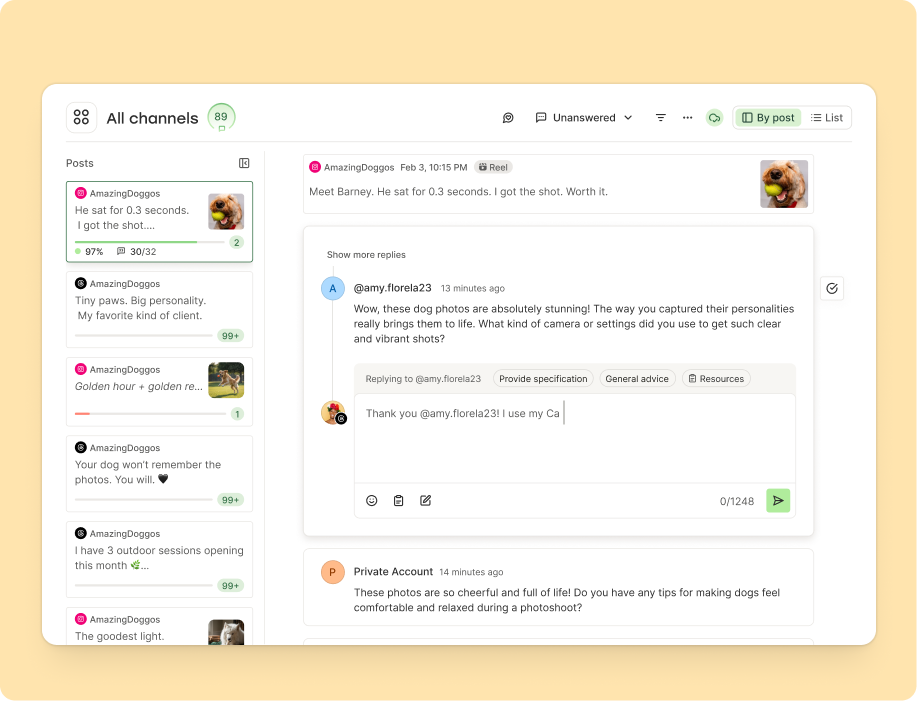
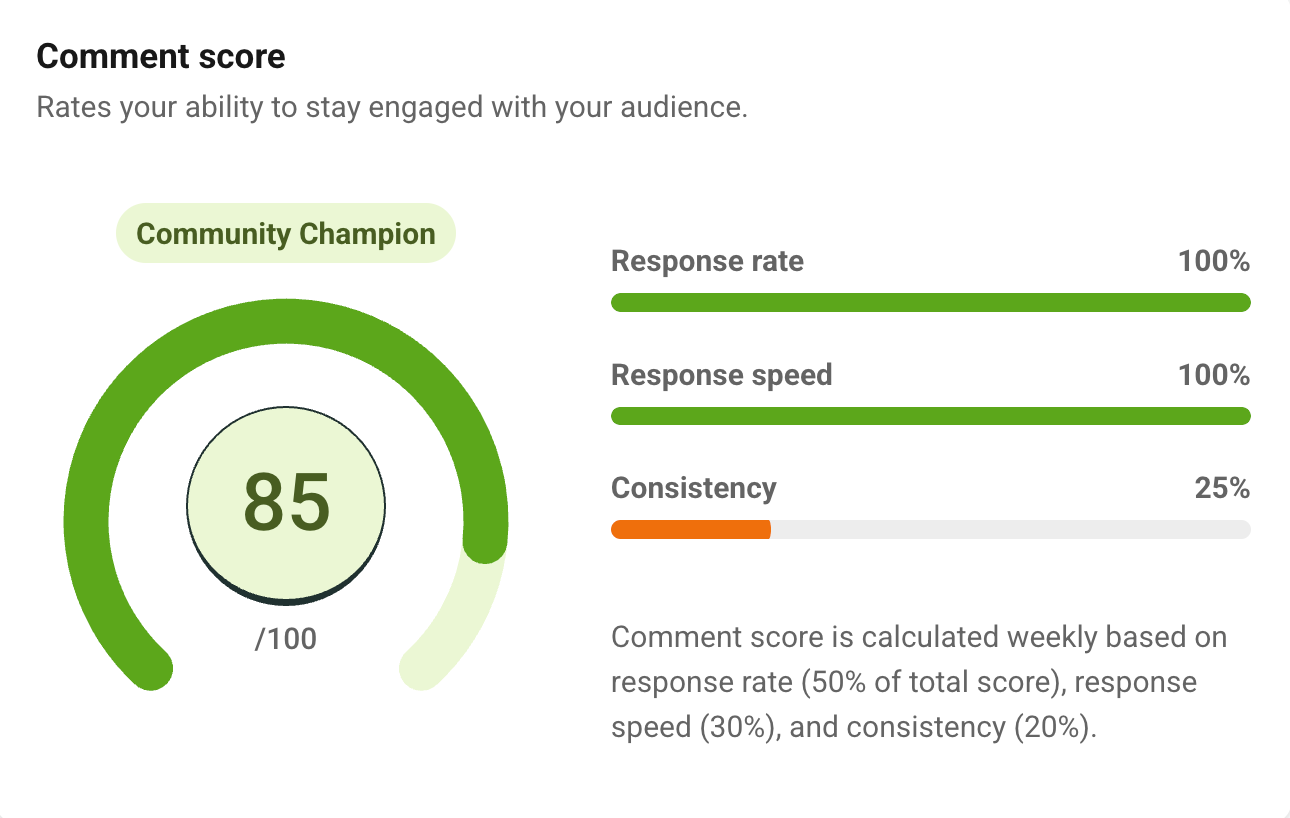
Audience engagement capabilities represent another major point of divergence between the two platforms. Buffer addresses community interaction through its "Community" tab, a unified inbox designed to aggregate comments across multiple social networks. The interface includes AI-suggested responses, saved replies for frequently asked questions, and a "comment score" metric that evaluates response times and consistency across channels. Buffer’s engagement design prioritizes a clean, calm user experience aimed at solopreneurs and small teams.
Hootsuite approaches engagement through Inbox 2.0, an enterprise-grade conversation management system that functions similarly to a customer support ticketing platform. Inbox 2.0 combines comments and direct messages from connected platforms, allowing team members to assign conversations, apply routing rules, and update contact profiles with CRM data such as email addresses and phone numbers. However, advanced automation and tagging features within Hootsuite’s inbox are restricted to its highest-cost Enterprise tier.
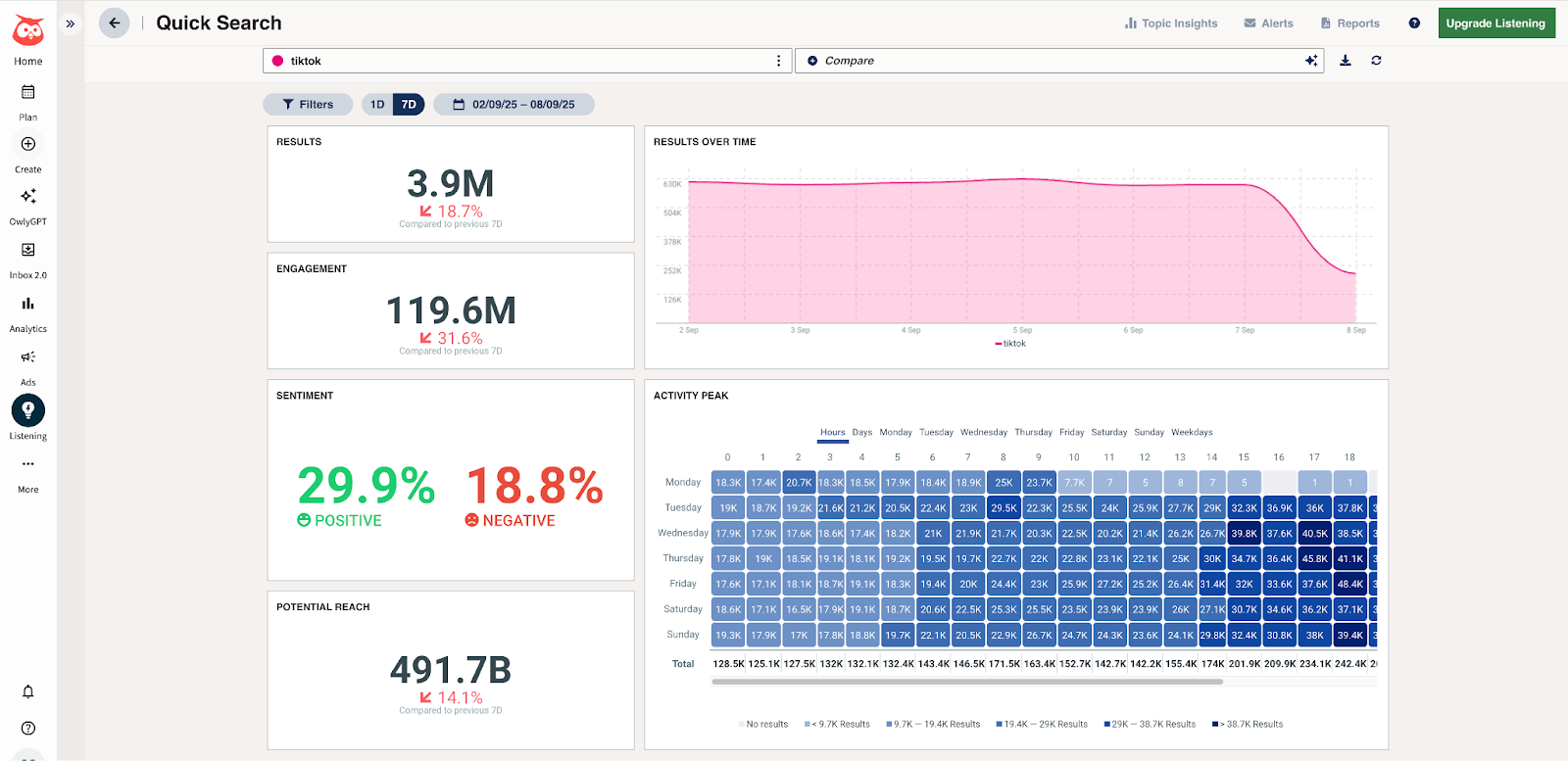
Crucially, Hootsuite offers dedicated social listening tools designed to monitor brand sentiment, track industry mentions, and analyze real-time public conversations across the web. Buffer does not offer native social listening capabilities, positioning itself strictly as a publishing, analytics, and direct community management tool rather than a market intelligence platform.
Analytics and Reporting Paradigms
Data-driven decision-making is central to modern social media strategy, and both Buffer and Hootsuite provide extensive analytics suites. Their reporting capabilities reflect their respective user bases.
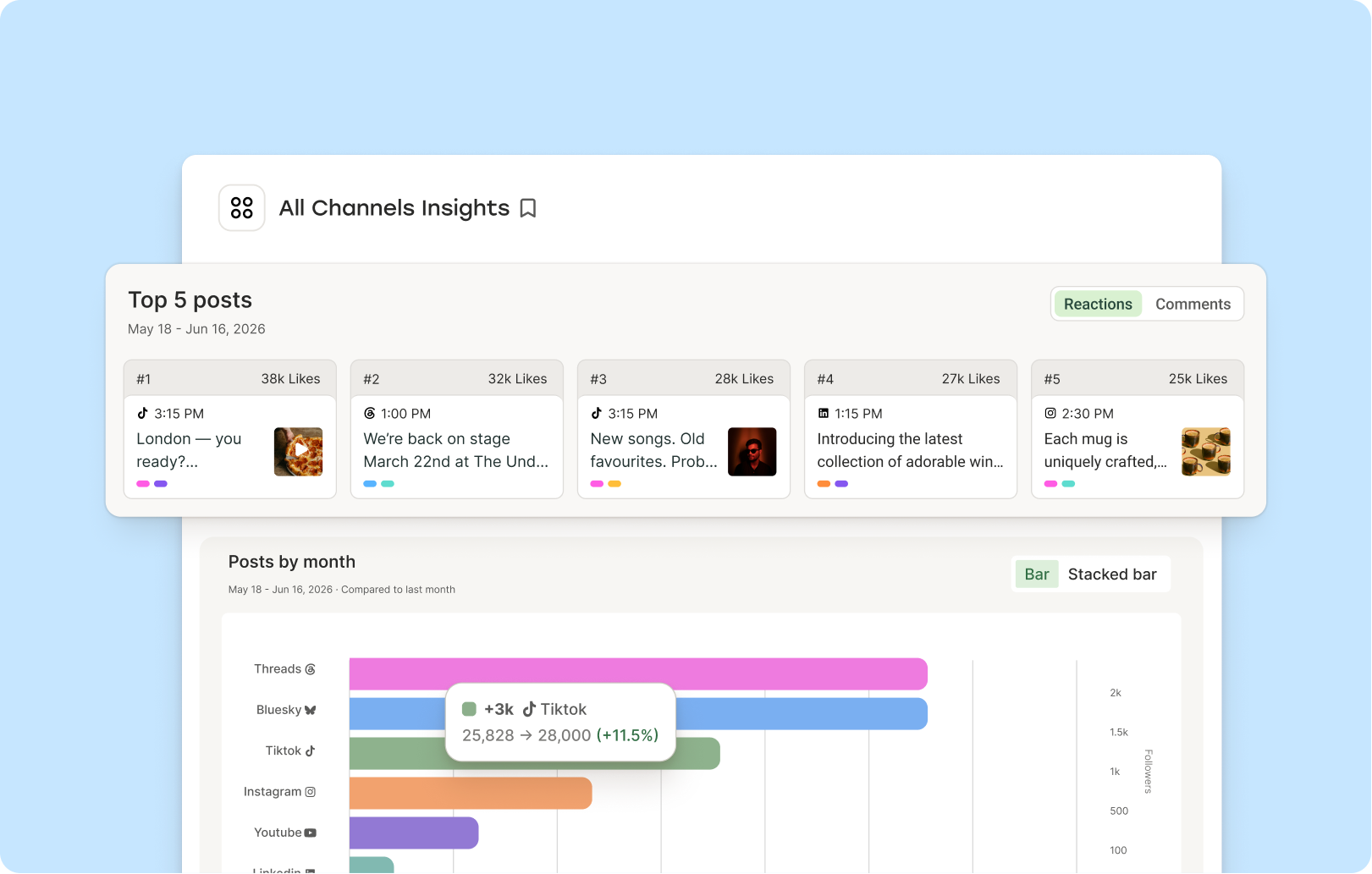
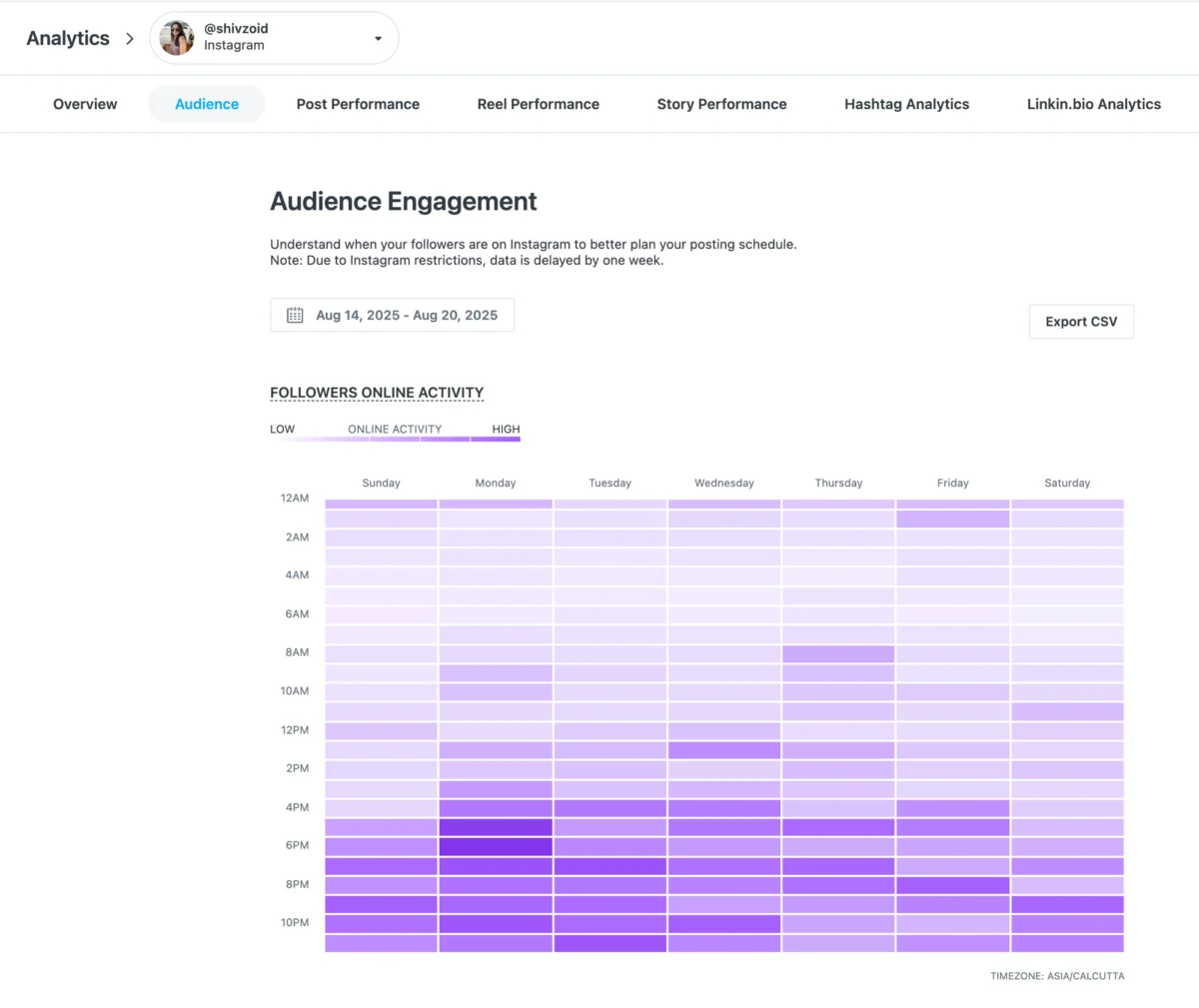
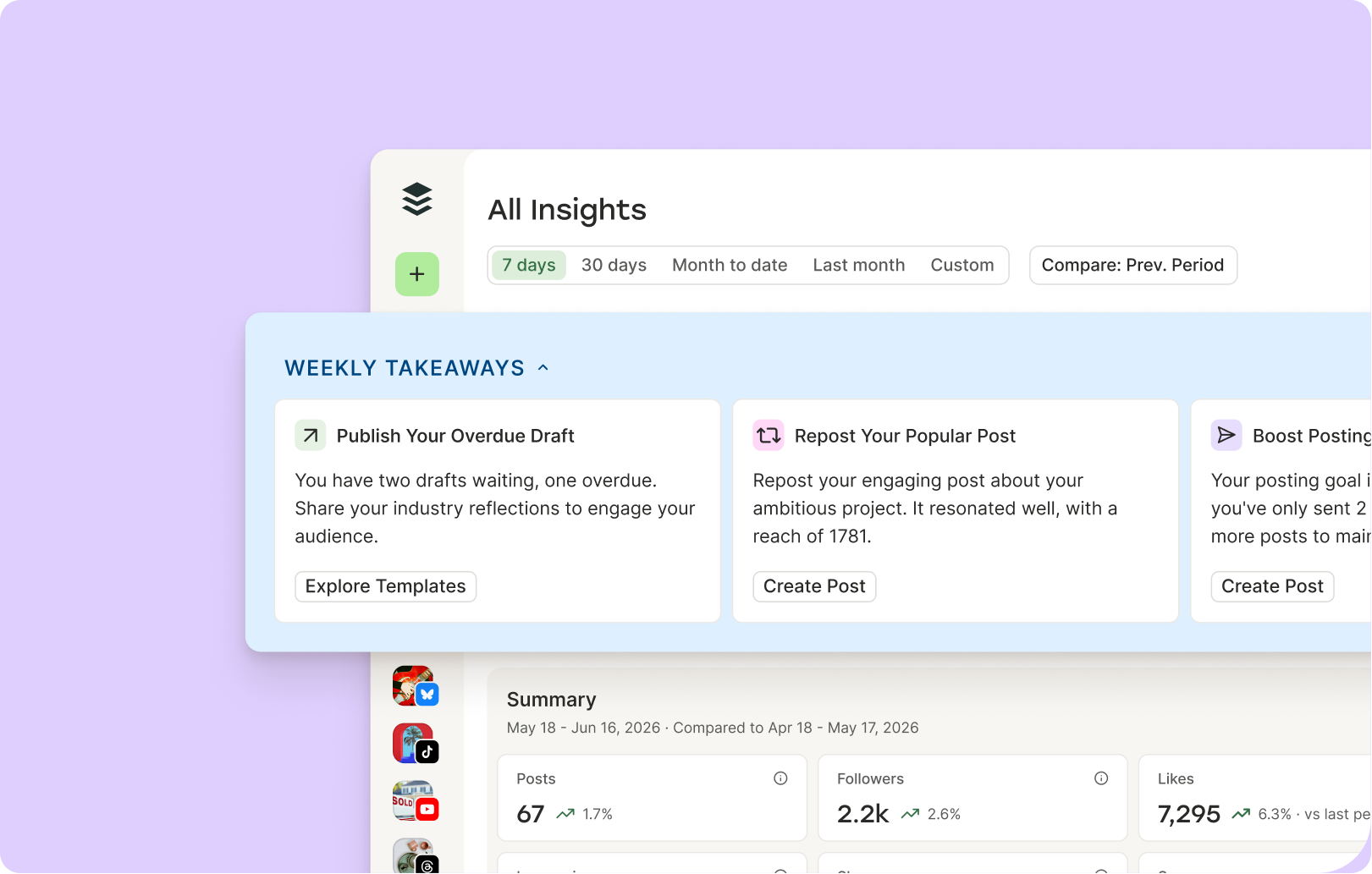
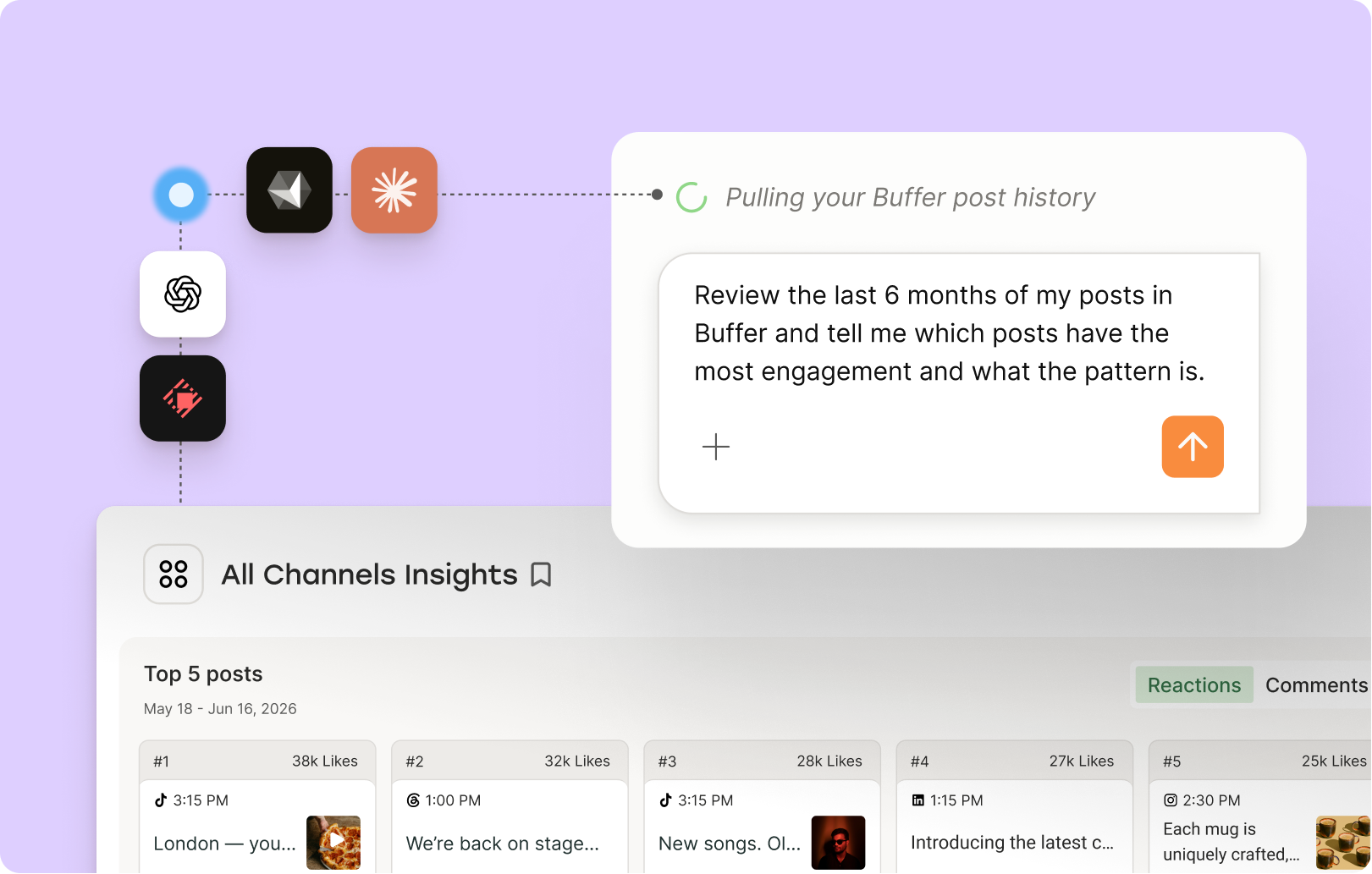
Buffer’s analytics are centralized in its "Insights" system. Designed for clarity, Insights provides post-level data across all connected channels within a single dashboard. A standout feature of Buffer’s analytics is "Takeaways," an analytical utility that automatically interprets performance patterns and issues actionable recommendations for future content strategies based on historical data. Buffer also permits data exports in PDF, CSV, and Markdown formats, facilitating seamless integration with external AI analysis tools.
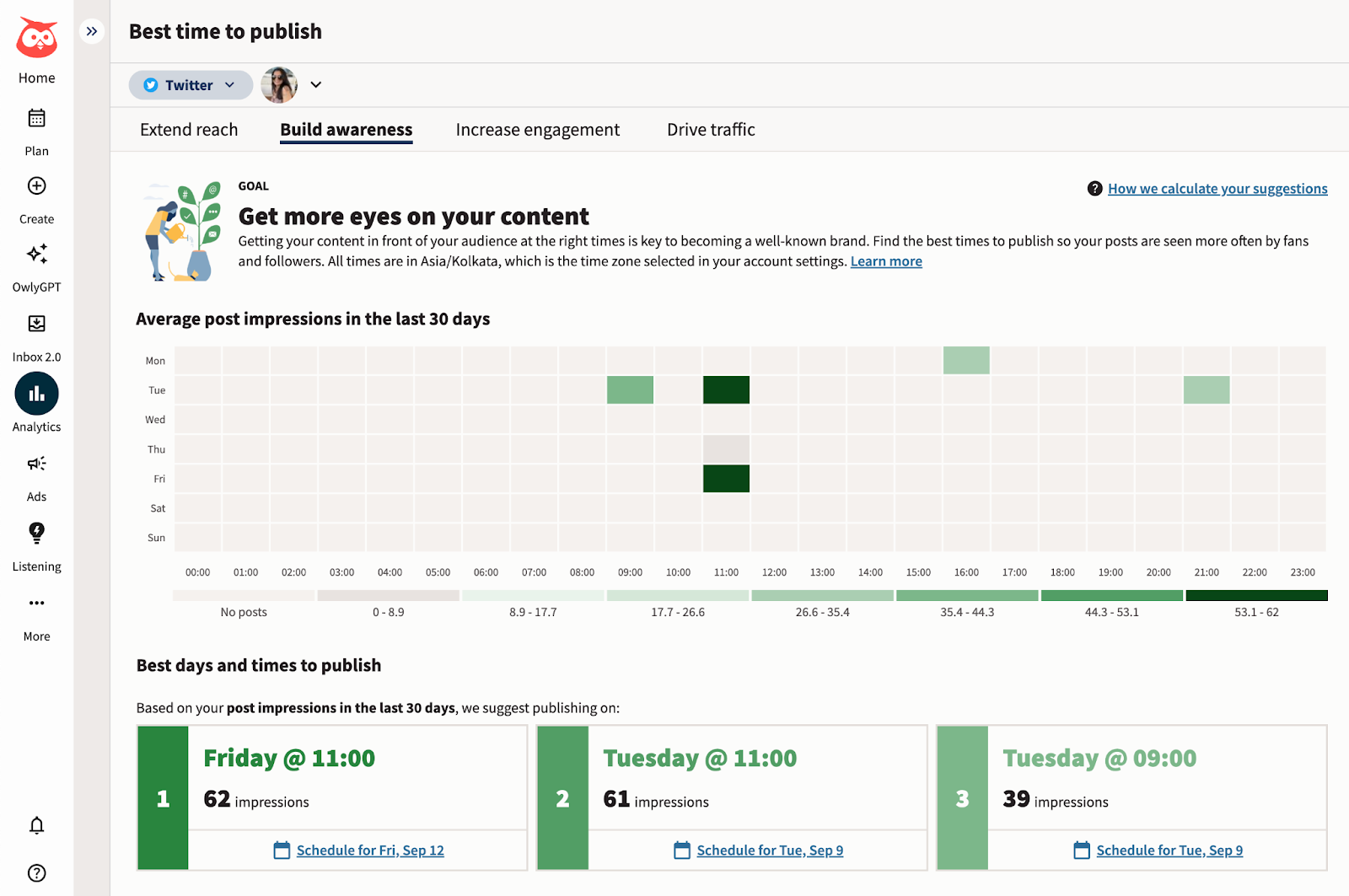
Hootsuite provides robust core analytics alongside advanced enterprise features such as industry benchmarking and competitive benchmarking. On Hootsuite’s Standard and Advanced plans, users can track their performance against up to 20 industry competitors, analyzing metrics side-by-side to justify marketing expenditures to corporate stakeholders. While Hootsuite’s data visualization is comprehensive, it lacks the automated, plain-language tactical takeaways found in Buffer’s Insights, requiring analysts to manually interpret complex heatmaps and engagement graphs.
Team Collaboration and Governance
Organizations operating with multiple contributors require structured permission hierarchies to prevent unauthorized publishing and ensure brand safety.
Buffer handles team collaboration efficiently through its Team plans, which permit unlimited users and offer three distinct access levels per channel. This straightforward structure allows small agencies and businesses to grant role-based permissions without administrative overhead.
Hootsuite is engineered for complex organizational structures, featuring a hierarchical system encompassing "Organizations," teams, and individual channel assignments. Administrators can enforce strict approval workflows, dictate default permission tiers for new members, and restrict access based on geographic or departmental lines. While powerful, this complexity requires dedicated training time for onboarding new team members.
Comparative Market Overview
To contextualize Buffer and Hootsuite within the broader software ecosystem, industry analysts frequently evaluate alternative solutions tailored to specific market niches:
- Sprout Social: Positioned for enterprise teams requiring deep analytics and a built-in social CRM, operating at premium price points.
- Later: Favored by creators focused heavily on Instagram and short-term video, emphasizing visual content calendars and link-in-bio tools.
- Metricool: A budget-friendly alternative providing combined scheduling and analytics for independent creators.
- Sendible: Tailored specifically for digital agencies managing multiple client accounts with white-label reporting.
- Agorapulse: Focused on teams prioritizing a shared unified inbox and collaborative reporting.
Implications and Strategic Selection
The choice between Buffer and Hootsuite ultimately depends on an organization’s operational scale, budgetary constraints, and strategic objectives. For independent creators, solopreneurs, startups, and small marketing agencies, Buffer provides an accessible, cost-effective solution characterized by rapid onboarding, per-channel pricing, and intuitive AI-driven analytics. Its forever-free tier and low paid entry costs eliminate financial barriers for early-stage digital publishers.
Conversely, large enterprises, multi-tiered marketing departments, and brands requiring advanced functionalities—such as comprehensive social listening, competitive market benchmarking, multi-layered approval workflows, and native paid ad management—will find Hootsuite’s enterprise architecture better suited to their operational demands. Although Hootsuite commands a substantially higher financial investment, its capacity to manage complex organizational structures and large-scale data analytics justifies its position as an enterprise-grade standard in digital marketing infrastructure.