Muhammad Hendra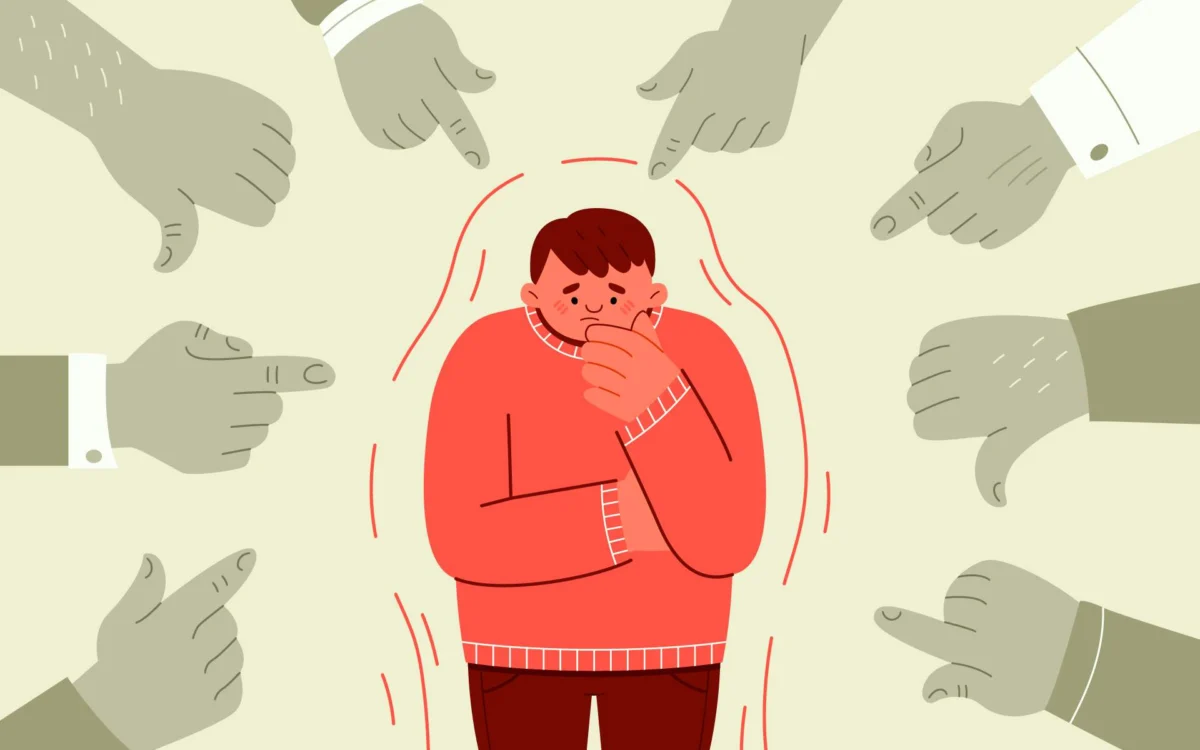
The highly anticipated Apple TV series, "Margo Has Money Problems," has quickly captivated audiences and critics alike, not only for its raw portrayal of complex family dynamics but also for its unflinching exploration of the profound psychological burdens of guilt and shame. Headlined by a compelling comeback performance from Michelle Pfeiffer as Shyanne, the series delves into the cyclical nature of trauma and societal judgment, particularly concerning single motherhood and its enduring stigma. The narrative centers on Shyanne, who herself became pregnant after a one-night stand with a married man, and her daughter, Margo, now grappling with an identical predicament – raising a child conceived with a married man who is absent from their lives. This poignant mirroring of circumstances serves as a powerful dramatic device to examine how unresolved emotional wounds and societal pressures can ripple across generations, impacting self-worth and the ability to forge healthy relationships.
The Narrative Core: A Mother’s Despair and a Daughter’s Inheritance
Central to the series’ emotional intensity is a pivotal scene depicting Shyanne’s public breakdown. Having initially struggled with her role babysitting her grandchild, she confronts Margo in a parking lot outside the chain restaurant where Margo works. In a raw display of self-recrimination, Shyanne hands the infant back to Margo, loudly declaring her perceived failures as both a grandmother and a mother. Her anguished cry, "I wish I could be a better person, but I’m not!…and I will not be judged, by him or anyone else," encapsulates the essence of a shame spiral – a descent into self-condemnation where personal failings are internalized as inherent flaws of the self. This dramatic moment, widely praised by critics for its authenticity, resonates with countless individuals who have experienced similar internal battles against self-judgment and the fear of external condemnation. The scene effectively grounds the series’ ambitious psychological themes in a relatable, albeit painful, human experience, setting the stage for deeper explorations of guilt, shame, and the quest for acceptance.
Psychological Underpinnings: Decoding Guilt and Shame
The series offers a compelling dramatization of psychological concepts that experts have long studied: the intricate, often destructive, interplay between guilt and shame. While frequently conflated in everyday language, these emotions possess distinct characteristics with vastly different implications for an individual’s mental health and capacity for growth.
Distinguishing Guilt and Shame: Expert Perspectives
Meditation teacher Caverly Morgan, in her book The Heart of Who We Are, succinctly differentiates the two: "When you feel guilty, there’s a judgment that something you’ve done is wrong. When you feel shame, you believe that your whole self is wrong." This distinction is critical. Guilt typically focuses on a specific action or inaction, allowing for the possibility of amends or behavioral change. Shame, conversely, attacks one’s core identity, fostering a belief of inherent unworthiness.
Brené Brown, a research professor and author renowned for her work on vulnerability and courage, further elaborates on this in her groundbreaking book Daring Greatly. Brown identifies guilt as "adaptive and helpful," serving as a catalyst for accountability and correction of actions. Shame, however, she describes as "the intensely painful feeling or experience of believing that we are flawed and therefore unworthy of love and belonging." Brown argues that shame is neither helpful nor productive and actively advocates for its cessation as a tool for change. Her research, supported by extensive qualitative data, indicates that shame often leads to withdrawal, secrecy, and defensive behaviors, thereby hindering genuine personal growth and the repair of relationships.
The Destructive Power of Shame: A Public Health Concern
The portrayal of Shyanne’s breakdown in "Margo Has Money Problems" graphically illustrates Brown’s assertion regarding shame’s damaging effects. When shame takes root, individuals often internalize criticism, leading to feelings of isolation, hopelessness, and worthlessness. Statistically, chronic shame is strongly correlated with a range of mental health challenges, including depression, anxiety disorders, eating disorders, and substance abuse. A 2021 study published in the Journal of Affective Disorders found that individuals with higher levels of self-blame and shame reported significantly higher rates of depressive symptoms and lower levels of psychological well-being. The show effectively humanizes these statistics, demonstrating how shame can ruin lives and families, perpetuating cycles of dysfunction.
Guilt as a Catalyst for Repair: An Adaptive Emotion
In contrast to shame, guilt, when experienced adaptively, can be a powerful force for positive change. Developmental psychologist Chris Moore, in his book The Power of Guilt, posits that guilt’s primary function is to motivate individuals to repair harms and heal relationships. It signals a deviation from one’s moral compass or social expectations, prompting corrective action. When guilt is acknowledged and processed constructively, it can lead to apologies, restitution, and a renewed commitment to ethical behavior. However, Moore cautions that even guilt, if left unaddressed or allowed to fester, can morph into destructive shame, leading to withdrawal rather than engagement and potentially causing permanent damage to relationships.
Evolutionary Perspectives: Shame’s Social Function
While Brown advocates for an end to shame, other researchers offer a more nuanced view, suggesting that shame, in its milder forms, might serve an evolutionary purpose. Evolutionary psychologists, such as Dacher Keltner, place shame within a family of "self-conscious emotions" – alongside guilt, pride, and embarrassment – that play crucial roles in regulating social behavior. According to research published in the Journal of Personality and Social Psychology, shame can function as a signal of appeasement to observers of social transgressions, thereby helping to reestablish social harmony. The act of blushing or displaying remorse, for instance, communicates an acknowledgment of wrongdoing and a desire to remain within the social group. To say someone "has no shame" often implies a disregard for social norms and the feelings of others, as exemplified by certain public figures whose actions appear devoid of moral concern or accountability. From this perspective, a small, proportionate dose of shame can be a mechanism for maintaining social order and demonstrating empathy.
Resilience in the Face of Shame: Working With the Emotion
Psychologist June Tangney, co-author of Shame and Guilt, acknowledges her own propensity for shame but offers a hopeful perspective. She counsels that resilience in the midst of shame is achievable, allowing individuals to divert themselves from spiraling into self-destruction. Tangney’s work suggests that rather than attempting to eradicate an emotion deeply embedded in the human experience, a more effective approach is to accept its potential emergence and develop strategies to work with it constructively. This perspective implies that the problem lies not in the existence of shame itself, but in the maladaptive ways individuals often react to it, allowing it to become overwhelming and disproportionate to the transgression. The series subtly hints at this potential for resilience through Margo’s evolving journey, suggesting that while the cycle of shame may be inherited, it is not necessarily unbreakable.
Societal Context: The Intergenerational Cycle
"Margo Has Money Problems" is more than a family drama; it is a commentary on the societal context that often amplifies feelings of guilt and shame, particularly for women facing challenging circumstances like single motherhood.
Single Motherhood and Societal Judgment: A Historical and Contemporary Overview
The show’s premise—both Shyanne and Margo raising children conceived with married, absent fathers—strikes a chord with the historical and ongoing stigmatization of single mothers. For centuries, single mothers, especially those outside of conventional marital structures, have faced disproportionate social judgment, economic hardship, and moral condemnation. According to the U.S. Census Bureau, in 2022, approximately 15.3 million children lived with a single mother. While societal acceptance has increased, biases persist. Single mothers often contend with stereotypes related to their perceived moral character, financial instability, and the impact on their children’s well-being. These judgments, whether overt or subtle, can significantly contribute to feelings of shame and inadequacy, echoing the struggles portrayed by Shyanne and Margo. The show highlights how this external judgment can be internalized, making it harder for individuals to process their experiences constructively.
The "Cycle" of Trauma: Breaking the Pattern
The mirroring of Shyanne’s and Margo’s situations underscores the psychological concept of intergenerational patterns, where unresolved issues, traumas, or coping mechanisms are inadvertently passed down through family lines. While not a direct genetic inheritance, these patterns can manifest in repeated life choices, emotional responses, and relationship dynamics. The series effectively illustrates how Shyanne’s own unaddressed shame from her past contributes to her difficulties in supporting Margo, inadvertently perpetuating a cycle. Understanding these patterns is crucial for breaking them, and the show’s narrative arc implicitly challenges viewers to consider how such cycles can be recognized and ultimately disrupted through self-awareness and healthier emotional processing.
Addressing Maladaptive Responses: Pathways to Atonement and Repair
Recognizing the destructive potential of guilt and shame, both ancient spiritual traditions and modern therapeutic practices offer pathways for processing these powerful emotions in healthier ways, focusing on repair, self-compassion, and future-oriented action.
Spiritual and Therapeutic Approaches to Atonement
Spiritual traditions across the globe have long understood how guilt and shame can tear at the human heart and sever communal bonds. As such, many have developed structured forms of atonement, emphasizing honest acknowledgment of harm, repairing that harm where possible, and a vow not to repeat the transgression.
- Christianity: Catholics, for instance, have the sacrament of Confession and the liturgical season of Lent, both providing frameworks for reflection, repentance, and seeking forgiveness.
- Judaism: Yom Kippur, the Day of Atonement, is a solemn occasion dedicated to introspection, seeking forgiveness from both God and fellow human beings, and committing to improved conduct.
- Islam: Tawba, or repentance, is a continuous practice, intensified during the last ten days of Ramadan, involving sincere regret, cessation of sin, and resolve not to return to it.
- Buddhism: While less publicly known, ancient codes of monastic discipline include regular acknowledgment of wrongdoing, sometimes encompassing collective transgressions "since beginningless time," fostering humility and ethical conduct.
- Twelve-Step Programs: These widely adopted recovery programs dedicate several steps to self-examination, confession, making amends for harm caused, and ongoing spiritual growth.
These diverse traditions, while distinct in their theological underpinnings, share a common thread: providing a structured, often communal, process for individuals to confront their wrongdoings, seek reconciliation, and embark on a path of moral and spiritual renewal. They offer a counterbalance to the isolating nature of shame, promoting connection and accountability.
Mindfulness and Self-Compassion: Modern Tools for Emotional Regulation
For those not engaging in formal religious traditions, modern psychological practices offer equally valuable tools. Mindfulness, in particular, has emerged as a powerful technique for interrupting the destructive shame spiral. By cultivating present-moment awareness without judgment, individuals can observe the emergence of guilt and shame as transient feelings rather than overwhelming truths about their identity. This practice allows for a crucial pause, preventing the immediate leap from "I did something bad" to "I am bad."
A regular mindfulness practice can help individuals develop greater emotional literacy, enabling them to distinguish between a specific action and their inherent self-worth. It fosters self-compassion, teaching individuals to meet their difficult emotions with kindness and understanding, rather than self-flagellation. This shift in perspective is critical for moving beyond punitive self-criticism towards constructive self-reflection, allowing individuals to focus on future actions and genuine repair. As the ancient prayer goes, "forgive our trespasses as we forgive those who trespass against us," mindfulness helps cultivate this reciprocal capacity for forgiveness, both for oneself and for others.
Critical Reception and Broader Implications of "Margo Has Money Problems"
"Margo Has Money Problems" has garnered significant critical acclaim for its nuanced portrayal of complex family dynamics and its courageous engagement with themes often considered taboo. Reviewers have lauded Michelle Pfeiffer’s performance as a career highlight, praising her ability to convey Shyanne’s deep-seated pain and vulnerability with authenticity. The series has been commended for its unflinching look at the societal pressures faced by single mothers and the psychological toll of unaddressed intergenerational trauma.
Statements and Reactions:
Sources close to the production have indicated that the showrunners aimed to spark a wider conversation about empathy and the hidden struggles many individuals face. In a recent interview, Michelle Pfeiffer reportedly remarked, "Playing Shyanne was profoundly challenging because her pain is so real. It’s the kind of pain that so many women carry, often silently, about not being enough, about past mistakes. I hope the show encourages people to look at these cycles with more compassion, both for themselves and for others." This sentiment aligns with the series’ underlying message: that while shame is a universal human experience, the way we respond to it, both individually and collectively, defines our capacity for healing and growth.
Public Discourse and Social Impact:
Beyond critical reception, "Margo Has Money Problems" is contributing to a vital public discourse on mental health, family patterns, and the pervasive impact of societal judgment. The show prompts viewers to reflect on their own experiences with guilt and shame, challenging preconceived notions and fostering a greater understanding of the human condition. Its raw honesty serves as a mirror, inviting introspection into how individuals cope with personal failures and how communities can better support those navigating difficult circumstances. By spotlighting the destructive nature of unexamined shame and the potential for breaking negative cycles, the series underscores the enduring human quest for self-acceptance, repair, and genuine connection. It serves as a poignant reminder that while the journey through shame and guilt is often arduous, pathways to healing and compassion are always within reach.