Cintya Tara Annisa
The global specialty coffee landscape continues to undergo a rapid transformation, driven by an increasing consumer demand for transparency, traceability, and sensory complexity. This evolution is most visible in the weekly curation of the Roaster’s Village, a platform that aggregates the most significant offerings from top-tier roasting operations across North America and beyond. As the 2025 harvest season progresses, several key trends have emerged, including a renewed focus on rare botanical varieties like the Gesha (or Geisha), experimental fermentation techniques such as yeast inoculation, and a deepening commitment to social equity through producer-led initiatives.
The Seasonal Transition: From East African Peaks to South American Estates
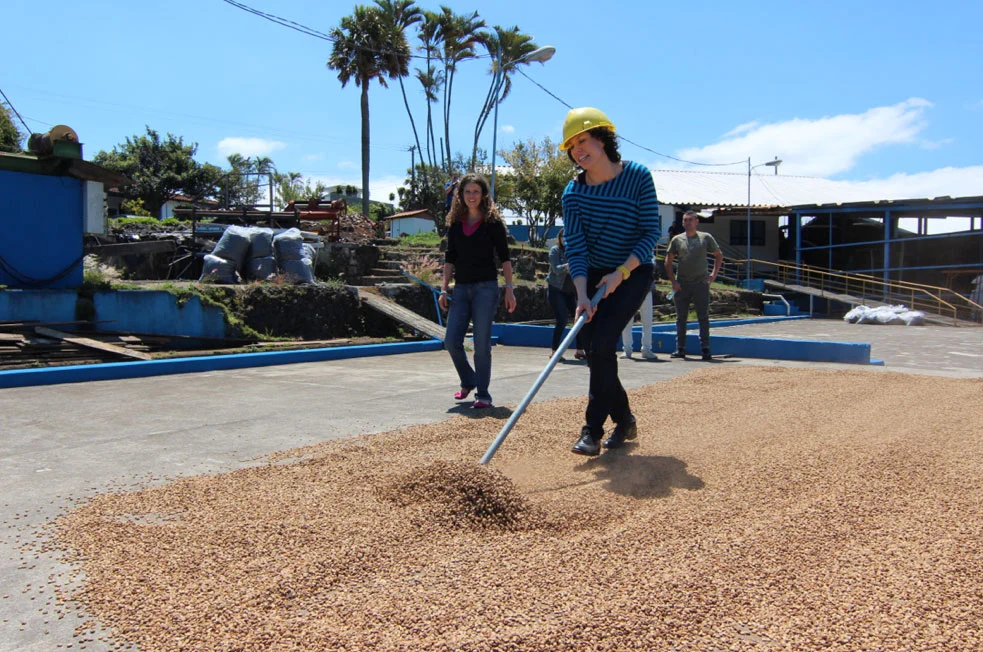
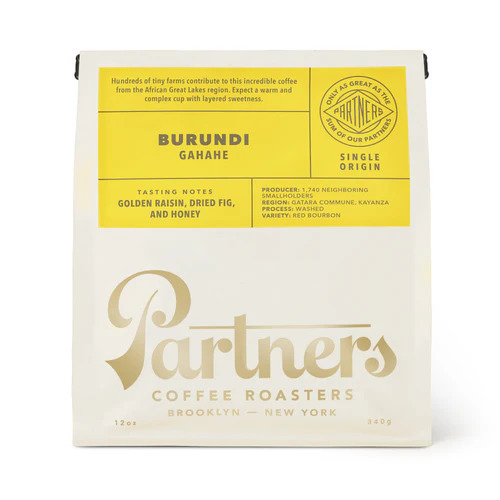
The current coffee calendar marks a critical transition period for roasters. In East Africa, the final lots from the Burundian harvest are reaching peak maturity in storage and roasting labs, while the first arrivals of the fresh Ethiopian harvest are beginning to debut. Partners Coffee has recently highlighted this shift with their offering from the Gahahe washing station, located in the red clay hills of the Kayanza Province. This region is renowned for its high-altitude cultivation, which typically results in high-density beans capable of producing complex acidity and deep sweetness. The Gahahe lot, a fully washed preparation, serves as a benchmark for the clean, floral profiles that have come to define specialty exports from Burundi.
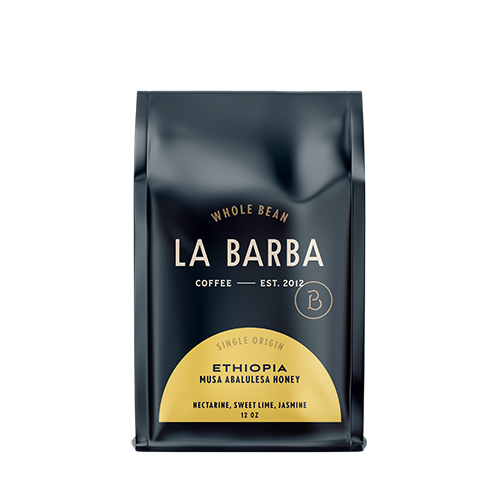
Simultaneously, La Barba Coffee has announced the arrival of the first fresh-harvest Ethiopian lots, specifically the Musa Abalulesa Honey. This represents a significant moment in the industry’s annual cycle, as Ethiopia remains the genetic birthplace of Arabica coffee. The use of the honey process—where a portion of the coffee cherry’s mucilage is left on the bean during drying—provides a bridge between the crisp clarity of washed coffees and the heavy fruit notes of natural processing. According to trade data, the Ethiopian specialty sector has faced logistical challenges in recent years, making the arrival of clean, stone-fruit-forward lots a vital indicator of supply chain stabilization.
Rare Varieties and the Prestige Market: The Rise of the Gesha
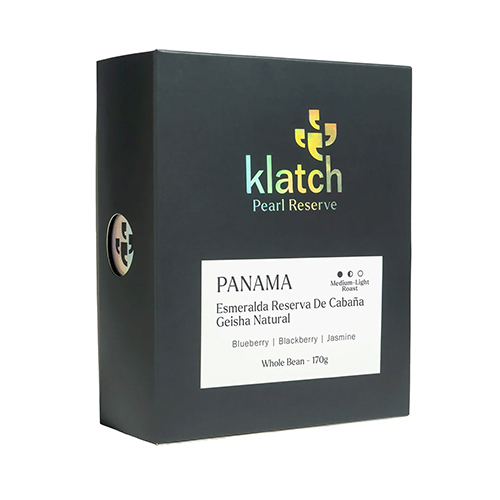
The specialty market’s upper echelon continues to be dominated by the Gesha variety, a coffee known for its tea-like body and intense jasmine and citrus aromatics. Klatch Coffee recently secured a limited quantity of the Panama Esmeralda Reserva De Cabaña Geisha Natural. This offering follows the Hacienda La Esmeralda’s dominant performance in the 2025 "Best of Panama" competition, where the estate’s lots achieved historic scores from international sensory panels. The inclusion of such high-scoring coffees in a weekly retail rotation underscores the growing "premiumization" of the home brewing market, where enthusiasts are willing to pay significant premiums for competition-grade beans.
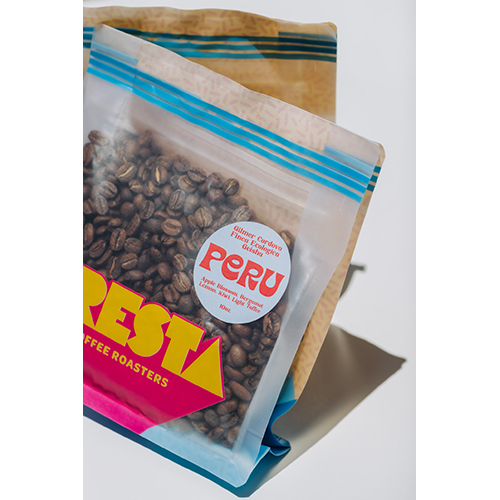
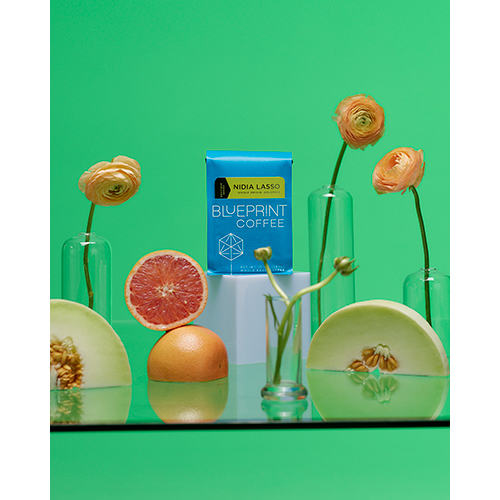
The influence of the Gesha variety is not limited to Panama. Presta Coffee Roasters has introduced a Gesha lot from Gilmer Mejia Cordova at Finca Ecológica Agua Colorada in Cajamarca, Peru. This specific farm gained international recognition after placing 6th in Peru’s 2017 Cup of Excellence. The expansion of Gesha cultivation into Peru and Colombia—evidenced by Blueprint Coffee’s "Boutique Series" featuring Nidia Lasso’s washed Gesha—indicates a broader geographic diversification of luxury coffee production. These developments suggest that high-elevation microclimates in the Andes are becoming competitive with traditional Panamanian estates in producing world-class floral and citric profiles.
Social Responsibility and Collaborative Economic Models
Modern coffee roasting is increasingly defined by the relationship between the roaster and the producer. Joe Coffee Company’s "Café Feminista" program serves as a primary example of how the industry is addressing gender equity. By specifically sourcing from women producers who identify with feminist principles, the program aims to dismantle systemic barriers in the coffee supply chain, where women often perform the majority of the labor but hold minority ownership of land and capital.
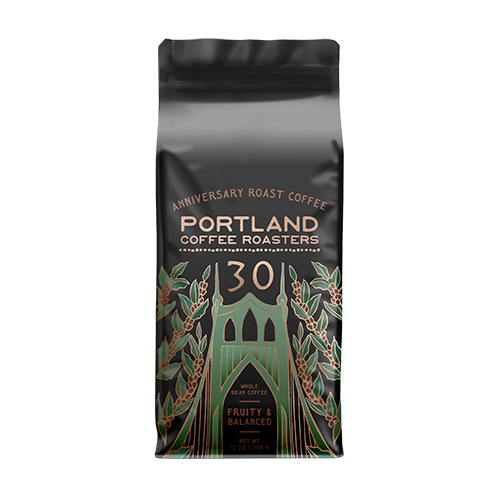
Similarly, Portland Coffee Roasters has leveraged a media partnership to promote social causes. Their "OPBEANS" collaboration with Oregon Public Broadcasting features a 100% women-produced organic coffee from Honduras. This model integrates public media support with ethical sourcing, creating a feedback loop that benefits both local community programming and international agricultural cooperatives.
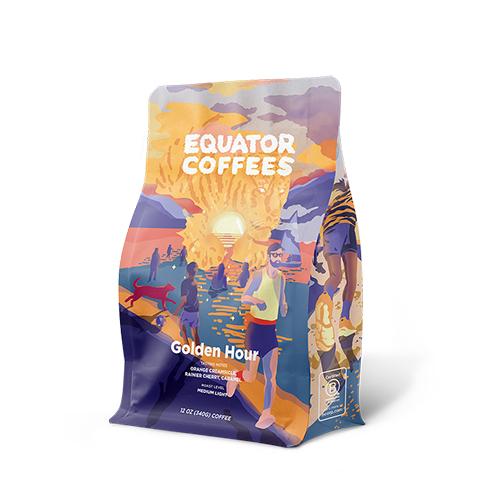
Equator Coffees has also integrated a charitable component into its product line. With the release of the "Golden Hour Blend," a composite of coffees from Brazil, Papua New Guinea, and Colombia, the company has committed 5% of all sales to Fazenda California in Brazil. This direct reinvestment into producer partners is becoming a standard practice for "B-Corp" certified roasters, who seek to balance profit with measurable social impact.
Technical Innovation in Processing and Blending
As the competitive landscape intensifies, roasters are turning to advanced processing methods to differentiate their flavor profiles. Verve Coffee Roasters’ "Wilder Blend" utilizes yeast-inoculated Colombian coffees. This process involves introducing specific yeast strains during the fermentation phase to control the metabolic pathways of the coffee cherry, resulting in amplified aromatics and a more structured sweetness. This move toward "designer fermentation" reflects a shift from traditional agricultural methods to a more bio-chemical approach to flavor development.
In the realm of anaerobic and experimental processing, PERC Coffee’s "Super Power Plum," produced by Diego Bermudez, represents the cutting edge of Colombian coffee science. Bermudez is widely considered a pioneer in thermal shock processing and controlled fermentation, techniques that produce intense, often "pixelated" fruit flavors such as raspberry and red plum. These coffees often challenge the traditional palate, offering a sensory experience more akin to a fruit infusion than a traditional cup of coffee.
The Enduring Appeal of the Flagship Blend
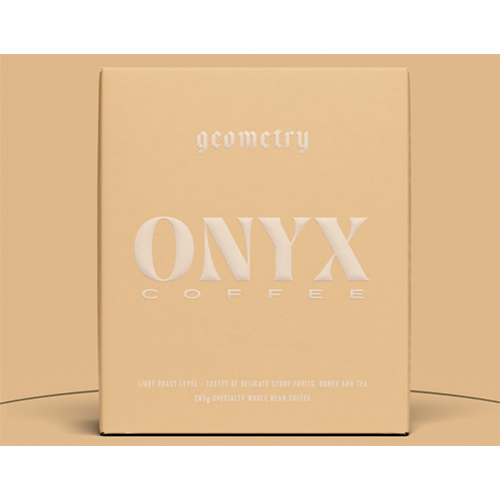
While single-origin microlots capture the attention of connoisseurs, the "flagship blend" remains the economic engine of the specialty roasting industry. These blends are designed for consistency, versatility, and "dial-in" ease, making them ideal for both espresso and filter applications. Onyx Coffee Lab’s "Geometry" blend, which combines washed Ethiopian and Colombian components, is a prime example of a modern blend designed to satisfy both high-acid preferences and the need for a balanced, everyday cup.

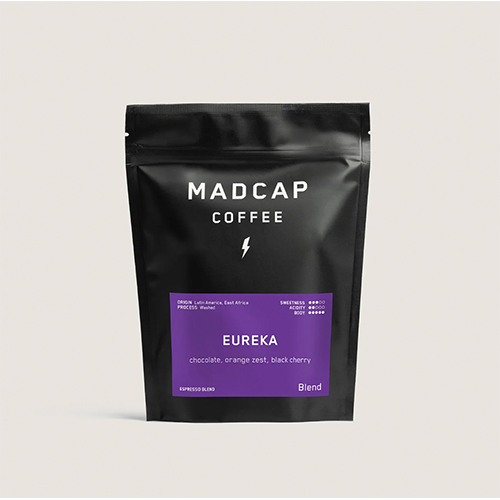
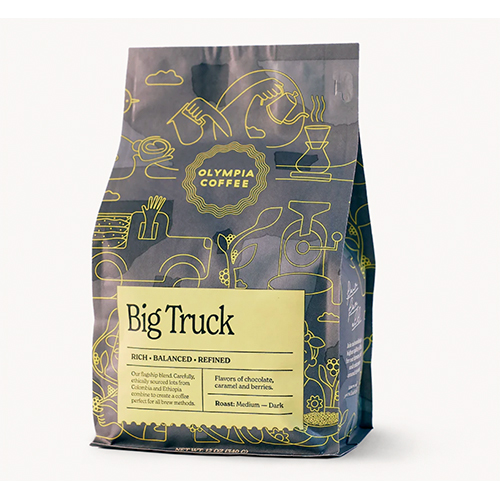
Olympia Coffee’s "Big Truck" and Madcap Coffee’s "Eureka" similarly serve as foundational products for their respective brands. These blends often utilize ethically sourced lots from Colombia and Ethiopia to create a flavor profile centered on chocolate, caramel, and berry notes. The longevity of these blends—some of which have been in production for over a decade—highlights the importance of "relationship coffee" models, where roasters commit to buying large volumes from the same producer groups year after year, providing those farmers with financial stability.
Geographic Diversification: The Emergence of Java and Honduras
The "Roaster’s Village" also highlights the expanding map of specialty coffee. Mr. Espresso has introduced a natural-process coffee from Java Garut, Indonesia. Traditionally, Indonesian coffees are processed using the "Giling Basah" (wet-hulled) method, which yields earthy, spicy profiles. The move toward natural processing in West Java represents a significant departure from tradition, offering a profile rich in passion fruit and papaya that more closely resembles high-end African naturals.
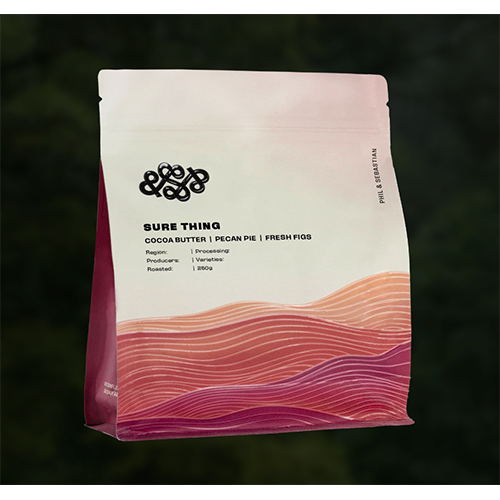
Honduras has also seen a rise in specialty representation. Phil & Sebastian’s "Sure Thing" blend currently sources from the El Cielito and El Cedral regions of Honduras. Historically viewed as a source of high-volume, lower-quality coffee, Honduras has invested heavily in infrastructure and education over the last decade, allowing smallholder groups to produce coffees with the "warmth and richness" of pecan pie and fresh figs, as noted in recent cuppings.
Broader Industry Implications and Economic Outlook
The diverse range of offerings in the current market reflects a specialty coffee industry that is increasingly resilient yet sensitive to global economic shifts. The emphasis on high-scoring Geshas and experimental processes suggests that there is still significant growth potential in the luxury segment. However, the concurrent focus on blends and social equity programs indicates that roasters are also prioritizing long-term sustainability and consumer accessibility.
As climate change continues to threaten traditional coffee-growing regions, the industry’s move toward technical innovation—such as Verve’s yeast inoculation and the exploration of new origins like Java Garut—will be essential for maintaining flavor diversity. Furthermore, the success of programs like Café Feminista suggests that the future of the industry will be inextricably linked to the social and economic empowerment of the people at the beginning of the supply chain.
In conclusion, the current curation of the Roaster’s Village provides more than just a list of products; it offers a roadmap of where the coffee industry is heading. From the high-altitude peaks of Burundi to the innovative labs of Colombia, the commitment to quality, ethics, and innovation remains the driving force behind the world’s most talented roasters. As these coffees make their way into the hands of consumers, they carry with them the stories of the producers and the technical mastery of the roasters, reinforcing coffee’s status as a complex, global, and deeply human craft.