Cintya Tara Annisa
The global specialty coffee landscape is currently witnessing a significant seasonal shift, marked by the arrival of fresh harvests from East Africa and South America alongside a surge in experimental processing methods designed to enhance flavor complexity. As the industry moves further into 2025, the distinction between traditional washing techniques and modern fermentation styles continues to blur, providing consumers with an unprecedented range of sensory profiles. This week’s curated selection of offerings from prominent roasting partners illustrates the diverse strategies employed by industry leaders to source, process, and market high-scoring lots. From the prestigious Gesha varieties of Panama and Colombia to the socially conscious cooperatives of Honduras and Burundi, the current market reflects a deepening commitment to traceability, farmer equity, and technical precision in the roasting process.
The Dominance of Rare Varietals and High-Altitude Geshas
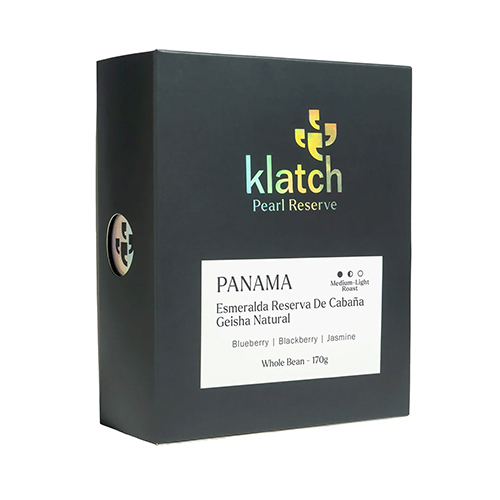
A primary trend in the current specialty market is the continued prestige of the Gesha (or Geisha) variety, which remains the gold standard for acidity and floral aromatics. Several roasters have secured limited lots that showcase the variety’s adaptability across different terroirs. Klatch Coffee, a perennial leader in sourcing award-winning beans, has recently highlighted the Panama Esmeralda Reserva De Cabaña Geisha Natural. This lot originates from Hacienda La Esmeralda, a farm that fundamentally altered the coffee industry in 2004 by reintroducing the Gesha variety to the global stage. The 2025 "Best of Panama" competition saw the estate continue its legacy of high scores, with the Reserva De Cabaña lot noted for its intense blueberry aromatics—a profile achieved through meticulous natural processing at high altitudes.
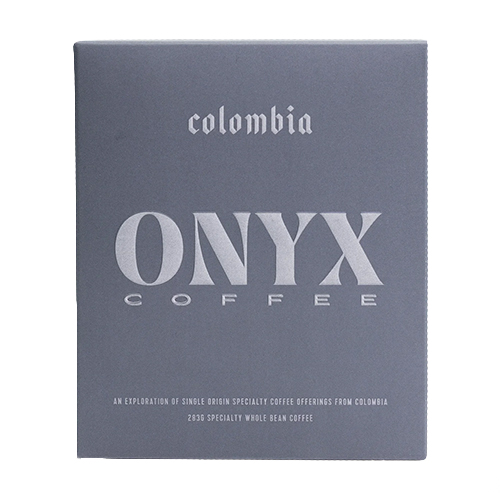
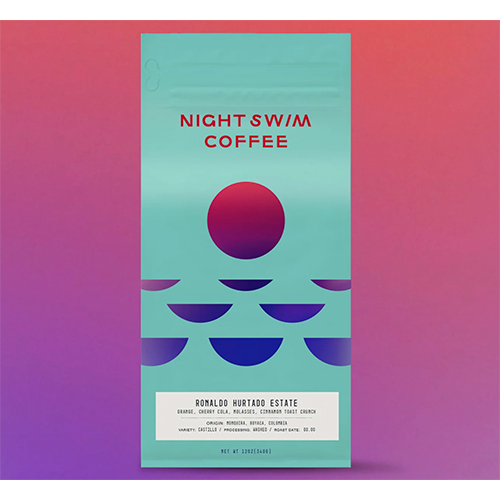
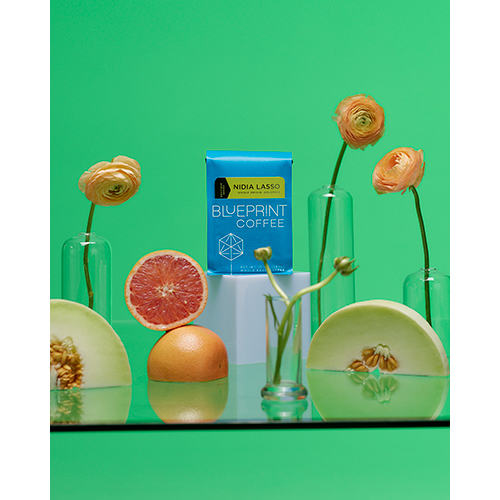
In South America, the Gesha variety is being utilized to highlight the specific microclimates of the Andes. Onyx Coffee Lab’s latest release, the Colombia Juan Jimenez Gesha, serves as a testament to the expertise of second-generation farmers in the Palestina region of Huila. Juan Jimenez, who has cultivated coffee for over four decades, has transitioned his 16-hectare farm, El Porvenir, into a hub for specialty cultivars. While Jimenez gained initial acclaim for his work with Pink Bourbon, his Gesha lots are now being recognized for their refined cup quality. Similarly, Blueprint Coffee’s Boutique Series has introduced a washed Gesha from Nidia Lasso in Colombia, emphasizing the traditional "clean" profile of the variety, characterized by honeysuckle, jasmine, and candied citrus notes.
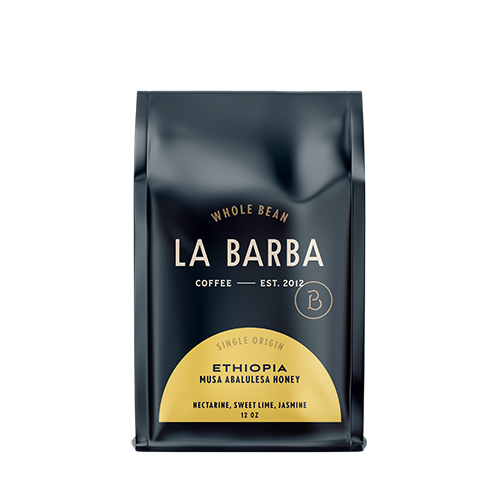
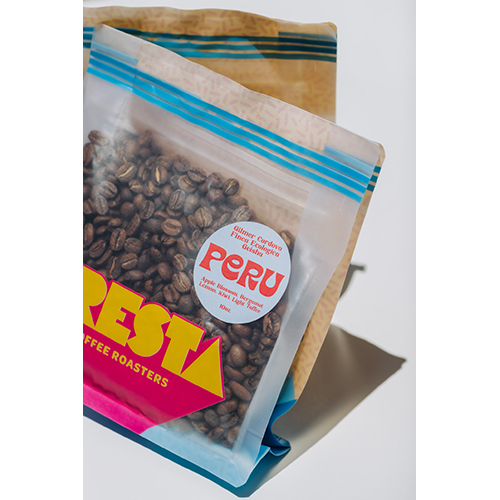
In Peru, the high-elevation Cajamarca region is producing Geshas that rival the world’s best. Presta Coffee Roasters has secured a lot from Gilmer Mejia Cordova at Finca Ecológica Agua Colorada. This organic farm, situated at extreme altitudes with fertile volcanic soil, produced a Gesha that placed sixth in Peru’s 2017 Cup of Excellence. The traditional washed process used by Cordova highlights the elegant floral aromatics and bright acidity that have become synonymous with Peruvian specialty coffee in recent years.
Seasonal Transitions: The Close of Burundi and the Rise of Ethiopia
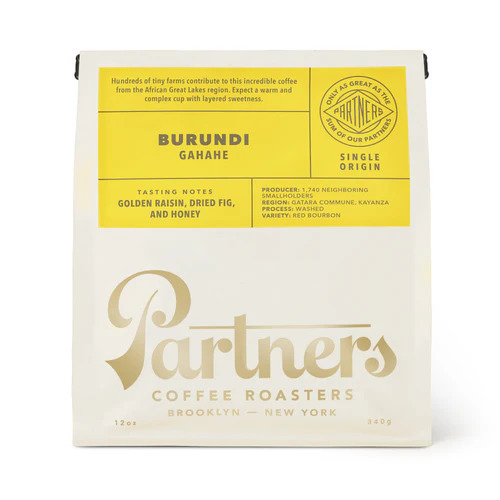
The coffee calendar is currently at a crossroads as roasters transition between major harvest cycles. Partners Coffee Roasters has announced the final Burundian offering of the season, a fully washed lot from the Gahahe washing station in Kayanza Province. Kayanza is renowned for its red clay hills, which impart a distinct mineral complexity to the coffee. This particular lot is described as a complex rendering of East African flavors, featuring notes of cranberry, golden raisin, and dried fig. The conclusion of the Burundi season typically signals a shift in focus toward the fresh arrivals from Ethiopia, the genetic birthplace of Arabica coffee.
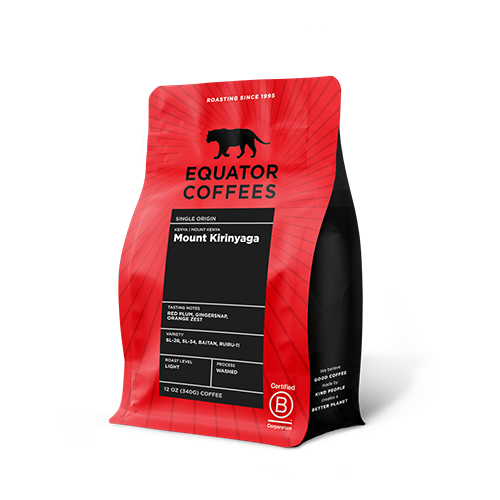
La Barba Coffee has reported the arrival of the first fresh harvest from Ethiopia, specifically the Musa Abalulesa Honey process. The honey process, which leaves a portion of the coffee cherry’s mucilage on the bean during drying, is increasingly popular in Ethiopia for its ability to bridge the gap between the clarity of washed coffees and the fruit-forward nature of naturals. This specific lot from Musa Abalulesa is noted for its "sweet lime" acidity and jasmine undertones, signaling a high-quality start to the Ethiopian shipping season.
Technical Innovation and Experimental Fermentation
Beyond varietal and origin, the industry is increasingly defined by "processing madness"—a term used to describe the highly controlled fermentation techniques pioneered by producers like Diego Bermudez. PERC Coffee’s "Super Power Plum" is a prime example of this trend. Produced by Bermudez, this coffee utilizes advanced biotechnological applications to isolate specific yeast strains and manage fermentation temperatures (often referred to as thermal shock processing). The result is a profile that mimics specific fruits, in this case, red plum and raspberry, with an intensity that traditional processing cannot achieve.
Verve Coffee Roasters is also pushing the boundaries of flavor construction with its Wilder Blend. This offering combines yeast-inoculated Colombian coffees with a washed Ethiopian heirloom. Yeast inoculation involves adding specific commercial or wild yeast strains to the fermentation tanks to steer the flavor development toward specific aromatic precursors. Verve’s goal with this blend is to amplify sweetness and aromatics without sacrificing the structural clarity of the cup. Such innovations represent a shift toward a "designer" approach to coffee, where the producer acts as a flavor architect.
In Indonesia, a region traditionally known for the "Giling Basah" (wet-hulled) method, Mr. Espresso is highlighting a rare natural process coffee from West Java. The Java Garut, grown in volcanic loam at 4,000 feet, departs from the earthy, spicy notes typical of Indonesian coffee, offering instead a tropical profile of passion fruit, kiwi, and papaya. This indicates a broader movement within Southeast Asia to adopt processing methods that cater to the global specialty market’s preference for fruit-forward and clean-tasting coffees.
Social Equity and Relationship-Based Sourcing Models
A significant portion of the specialty coffee sector is moving toward sourcing models that prioritize social impact and long-term producer relationships over spot-market transactions. Joe Coffee Company’s Café Feminista program is a leading example, focusing exclusively on women producers who identify with feminist principles of equity and liberation. This initiative aims to reduce structural barriers within the coffee supply chain, where women often perform the majority of the labor but hold a minority of the land titles and financial control.
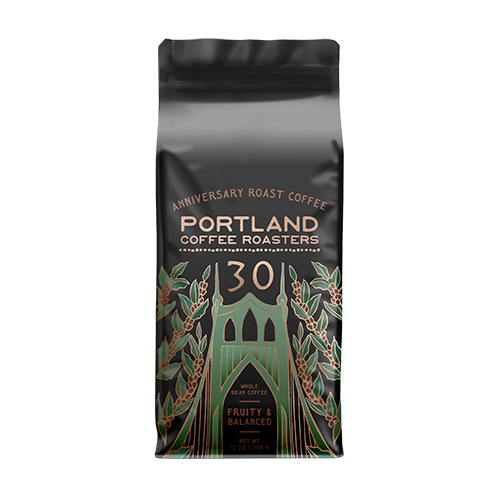
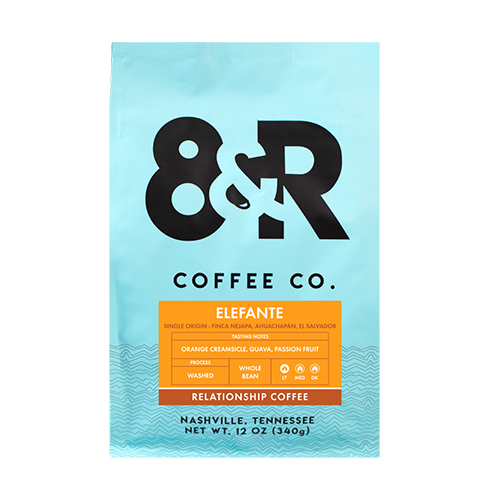
The concept of "relationship coffee" is also central to the operations of 8th & Roast, which sources the Elefante lot from Finca Nejapa in El Salvador. This partnership is built on a long-standing friendship between the roasting team and the Rodriguez family. Such relationships allow for greater stability for the farmer and a consistent quality of product for the roaster. Similarly, Portland Coffee Roasters has launched a collaboration with Oregon Public Broadcasting (OPB) titled "OPBEANS." This washed organic coffee from Honduras is 100% women-produced, further emphasizing the industry’s push toward gender-equitable sourcing.
The Evolution of the Specialty Blend
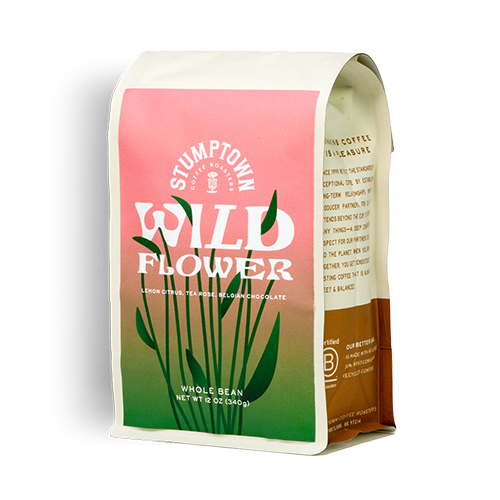
While single-origin coffees often dominate the conversation, the art of the blend is undergoing a renaissance. Modern blends are no longer used to hide defects but are instead crafted to achieve specific sensory goals. Stumptown Coffee Roasters’ seasonal "Wild Flower" blend combines coffees from Papua New Guinea’s Kuta Mill and Rwanda’s Huye Mountain to create a floral, spring-focused profile.

Olympia Coffee’s "Big Truck" and Madcap Coffee’s "Eureka" represent flagship blends that maintain consistency through seasonal rotations. Olympia utilizes ethically sourced lots from Colombia and Ethiopia to create a chocolate-and-berry profile suitable for various brew methods. Meanwhile, Caffé Umbria’s Bizzarri Blend is specifically engineered for milk-based beverages. By blending beans from Peru, El Salvador, and Uganda, the roasters achieve a resonant body and deep acidity that can cut through the sweetness of cream, a technical requirement for high-end espresso service.
Market Implications and Future Outlook
The current diversity in coffee offerings reflects a robust specialty market that is successfully navigating global logistics challenges and climate-related production shifts. The emphasis on Geshas and experimental processing indicates a consumer base willing to pay premium prices for novelty and high-quality scores. However, the focus on women-produced lots and relationship trade suggests that the industry is also preparing for a future where social sustainability is as important as cup quality.
As the Ethiopian harvest begins to reach global markets in larger volumes over the coming months, analysts expect a stabilization of prices for high-end floral coffees. Simultaneously, the success of experimental processes in regions like West Java and Colombia is likely to encourage more producers to invest in fermentation infrastructure. For the consumer, this translates to a market where the "origin character" of coffee is increasingly supplemented by the "process character," creating a more complex and varied tasting experience than ever before. The ongoing success of these roasting partners highlights a sophisticated ecosystem where agricultural tradition and scientific innovation coexist to define the modern coffee experience.