Cintya Tara Annisa
Agricultural researchers at the University of Florida’s Institute of Food and Agricultural Sciences (UF/IFAS) have concluded a multi-year study indicating that South Florida possesses the climatic and environmental conditions necessary to sustain a commercial coffee industry. The findings, recently published in the peer-reviewed journal Crop Science, suggest that while the United States currently relies heavily on international imports to satisfy its massive coffee consumption, the Sunshine State could emerge as a significant domestic producer. This development comes at a critical juncture for Florida’s agricultural sector, which has faced decades of decline in its iconic citrus industry due to disease and urban development. By identifying specific Arabica cultivars that thrive in the state’s unique subtropical environment, the study provides a roadmap for farmers looking to diversify their crops and tap into the high-value specialty coffee market.
The Landscape of American Coffee Production
Historically, coffee production within the United States has been a niche endeavor, geographically limited by the specific environmental requirements of the Coffea arabica plant. Hawaii has long been the primary domestic producer, with its volcanic soil and high-altitude microclimates in regions like Kona and Maui producing roughly 4.2 million pounds of coffee annually. In recent years, California has also entered the fray, with growers utilizing the state’s coastal fog and controlled irrigation to produce premium beans. Beyond the mainland, Puerto Rico maintains a robust coffee tradition, contributing approximately 10 million pounds to the market each year.
Despite these domestic efforts, the United States remains the world’s largest importer of coffee, bringing in billions of pounds annually from Brazil, Colombia, Vietnam, and Ethiopia. The UF/IFAS study suggests that Florida could bridge a portion of this gap. Unlike the high-altitude volcanic slopes of traditional coffee-growing regions, Florida offers a flat, sea-level environment with high humidity and sandy soils. The research sought to determine if these conditions, once considered unsuitable for high-quality Arabica, could be managed to produce a viable and profitable yield.
Scientific Framework and Cultivar Selection
The three-year study focused on the viability of four specific Arabica cultivars: Fronton, Limani, Typica, and Obatã. Each was selected based on a combination of cup quality, yield potential, and resilience to the specific stressors of the Florida climate.
Typica, one of the oldest and most traditional coffee varieties, was included primarily for its exceptional flavor profile. While Typica is known globally for its lower yields and susceptibility to pests, its "cup quality"—the sensory characteristics valued by specialty roasters—makes it a high-value target for boutique production.
Conversely, the cultivars Fronton and Limani were chosen for their proven track record in Puerto Rico. These varieties are known for their stable yields and, crucially, their higher tolerance for heat. As global temperatures rise, heat tolerance has become a primary concern for coffee researchers worldwide.
Obatã was selected for its vigorous growth patterns and its known tolerance to coffee leaf rust, a devastating fungal disease. Furthermore, Obatã is uniquely suited for low- to mid-altitude regions, making it a prime candidate for Florida’s sea-level geography. By testing these four distinct varieties, researchers aimed to find a balance between the hardiness required for the Florida environment and the quality required for the commercial market.
Chronology of the Florida Coffee Experiment
The research initiative began in earnest in 2022, following years of preliminary climate modeling. The timeline of the study reflects the slow, meticulous nature of coffee cultivation:
- Germination (Early 2022): 48 Arabica plants across the four cultivars were germinated under controlled conditions to ensure a healthy start for the seedlings.
- Transplantation (May 2023): The young plants were moved to the UF/IFAS Tropical Research and Education Center (TREC) in Homestead, Florida. This location was chosen for its representative South Florida climate, characterized by high humidity, intense summer sun, and mild winters.
- Establishment and First Harvest (2024): The plants underwent a year of establishment. While the first small harvest occurred in 2024, researchers opted not to include this data in the final quality analysis, as first-year yields are typically unrepresentative of a plant’s long-term potential.
- Primary Data Collection (2025): The 2025 harvest served as the primary source of data. Researchers collected exhaustive metrics on plant growth rates, fruit yield, pest resistance, and bean density.
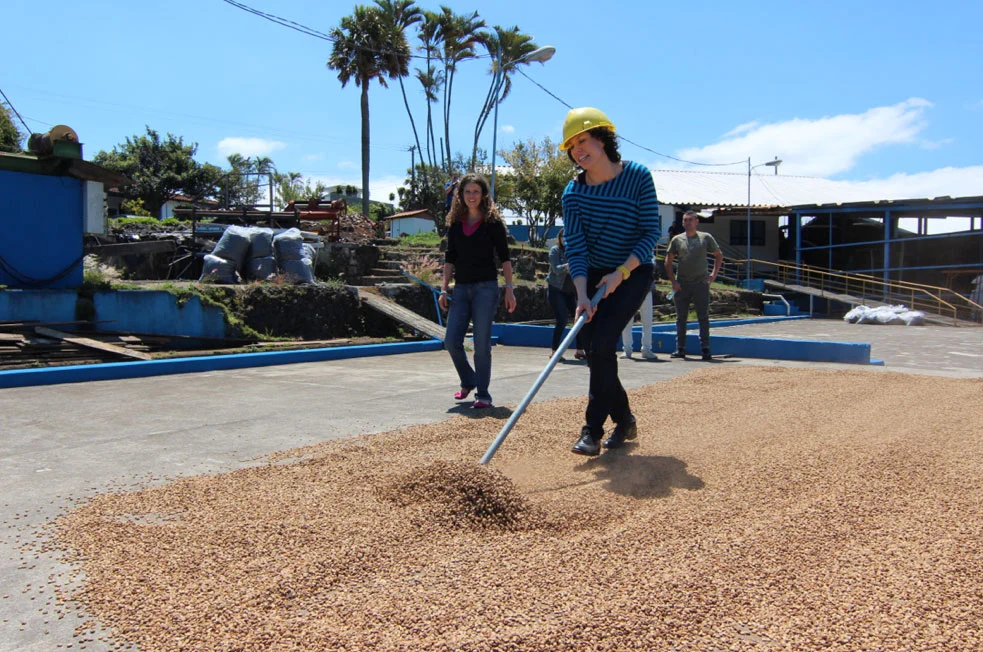
- Processing and Cupping (Late 2025): After the harvest, the coffee cherries were processed into green coffee beans. These beans underwent professional "cupping" sessions, where certified tasters evaluated the acidity, body, and flavor notes of the Florida-grown coffee.
Environmental Challenges and Soil Management
One of the most significant hurdles identified during the study was Florida’s soil composition. Most of the world’s premium coffee is grown in nutrient-rich, well-draining volcanic soil. Florida, by contrast, is dominated by sandy soils that often lack the essential organic matter and mineral density required by Coffea arabica.
To overcome this, the UF/IFAS researchers utilized nutrient-rich amendments to "build" the soil around the plants. This included the use of specific fertilizers and organic compost to mimic the nutrient profiles found in more traditional growing regions. The study found that while the sandy soil was a hurdle, it was not an insurmountable one. With proper management, the plants were able to thrive and produce cherries with the necessary chemical precursors for high-quality flavor.

Water management also played a critical role. Florida’s weather patterns involve periods of intense tropical rainfall followed by dry spells. The researchers implemented precise irrigation schedules to ensure the plants remained hydrated without the roots becoming waterlogged, a condition that can lead to fungal rot in coffee plants.
Economic Viability: Coffee as a Successor to Citrus
Perhaps the most striking finding of the study is that coffee production could potentially be more profitable for Florida farmers than the state’s traditional citrus crops. For over a century, oranges and grapefruits have been the backbone of Florida’s agricultural economy. However, the industry has been decimated by "citrus greening" (Huanglongbing), a bacterial disease spread by an invasive insect that has reduced Florida’s citrus production by more than 70% over the last two decades.
Farmers in the state are desperate for a "cash crop" that can utilize existing agricultural infrastructure and land. The UF/IFAS study suggests that coffee could fill this void. The high market price for specialty Arabica coffee—often fetching significantly more per pound than citrus—presents an attractive economic incentive. Furthermore, the "Made in the USA" label carries a premium in the specialty coffee world, potentially allowing Florida growers to target high-end markets both domestically and internationally.
The Knowledge Gap and Management Hurdles
Despite the biological and economic promise, the researchers issued a caveat regarding the "intense management needs" of coffee. Unlike some industrial crops that can be largely mechanized, high-quality coffee requires a deep level of horticultural expertise.
The study highlighted several areas where Florida currently lacks the necessary infrastructure and human capital:
- Pruning and Maintenance: Coffee plants require specific pruning techniques to maximize yield and ensure the health of the tree over its 20- to 30-year lifespan.
- Fertilization Precision: Because of the sandy soil, fertilization must be highly calibrated to avoid nutrient runoff while ensuring the plant has what it needs during the flowering and fruiting stages.
- Harvesting Labor: Coffee cherries do not ripen all at once. To achieve high quality, they must be hand-picked at the peak of ripeness, requiring a skilled labor force that understands the nuances of the crop.
Currently, there is no established "coffee belt" of labor or expertise in Florida. For the industry to scale, the researchers noted that educational programs and agricultural extensions will be necessary to train a new generation of American coffee farmers.
Broader Implications and the Future of the Industry
The success of the UF/IFAS study has broader implications for the global coffee industry, which is currently under threat from climate change. Traditional coffee-growing regions in Central and South America are seeing their viable land shrink as temperatures rise and weather patterns become more volatile. Florida’s success suggests that coffee production may be able to shift into new latitudes as the global climate changes.
While Florida is unlikely to replace major exporters like Brazil, the state could carve out a significant niche in the specialty market. The proximity to major East Coast shipping hubs and a large domestic consumer base provides a logistical advantage that Hawaii and Puerto Rico do not share with the mainland.
Industry reactions to the study have been cautiously optimistic. Agricultural analysts suggest that while the initial investment in coffee infrastructure—such as processing mills and drying beds—is high, the long-term ROI (Return on Investment) could stabilize the rural economies of South and Central Florida. For the American consumer, the prospect of "Florida-grown" coffee offers a new frontier in the farm-to-table movement, bringing one of the world’s most popular beverages closer to home.
As the research moves from the laboratory to the field, the next phase will involve pilot programs with private landowners. If these commercial trials mirror the success of the University of Florida’s initial study, the American coffee landscape may be on the verge of a historic transformation, turning the Sunshine State into a new destination for the world’s favorite bean.