Angie Faith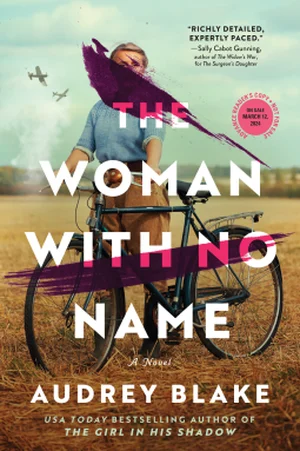
The literary landscape is witnessing a significant and increasingly popular trend: the centering of older women in historical fiction. This phenomenon is not merely a passing fad but a reflection of evolving societal perspectives on aging, particularly for women, and a growing demand for narratives that challenge ageist stereotypes. Books like Virginia Evans’s The Correspondent, a fan-favorite from the past year that features a septuagenarian protagonist and garnered three Goodreads Choice award nominations, exemplify this trend. This success is echoed by a wave of other critically acclaimed and reader-beloved novels that place characters in their middle or later years at the forefront, including Fredrik Backman’s A Man Called Ove, Richard Osman’s The Thursday Murder Club, Jesse Q. Sutanto’s Vera Wong’s Unsolicited Advice for Murderers, and Helene Tursten’s An Elderly Lady Is Up to No Good. While the inherent charm and skillful writing of these books are undeniable contributors to their popularity, the prominence of older female protagonists is particularly noteworthy in a culture that often marginalizes and devalues aging, especially for women.
Challenging Ageist Narratives
The cultural discourse surrounding aging, particularly for women, is often characterized by a fear of decline and a pressure to maintain youth. This is starkly contrasted with the way aging men are frequently perceived, often being described as "silver foxes" while women face societal expectations to conceal signs of aging through cosmetic procedures or hair dye. This disparity is also evident in media representation, where older men often continue to play leading roles, including superhero archetypes, while older women can struggle to find comparable opportunities. In this context, the rise of historical fiction featuring older women offers a refreshing counter-narrative, placing these characters at the center of compelling stories, allowing their experiences, wisdom, and continued agency to be explored and celebrated.

Julia Rittenberg, writing for Book Riot, posits that the appeal of novels with elderly protagonists lies in the "comfort in reading about the many years of experience we’ll all have when we get older," particularly within a "youth-obsessed culture." This perspective resonates deeply, suggesting that these narratives provide a valuable reminder that life’s richness, purpose, and potential for new adventures are not confined to youth. Whether readers are navigating their own later years or are decades away from them, these stories offer a sense of continuity and possibility, affirming that age is not a barrier to growth or meaningful engagement with the world.
Spotlight on Literary Voices: A Selection of Notable Works
The growing presence of older women in literature is not limited to a single genre, but historical fiction offers a unique canvas for exploring their lives within the context of past events and societal norms. The following selections highlight some of the most impactful and engaging examples:
The Correspondent by Virginia Evans
At the heart of this acclaimed novel is Sibyl, a woman in her seventies whose life revolves around the art of letter writing. Through her correspondence, Sibyl navigates the complexities of her world, seeking to understand and process events. However, when a particular letter arrives, it forces her to confront a painful chapter of her past, an experience she can no longer evade through emotional distance. This realization propels Sibyl towards a fundamental shift in her life, culminating in the dispatch of a letter she never imagined sending. Hailed by Roxanne Gay as "a perfect novel," The Correspondent has quickly become a must-read, captivating readers with its poignant exploration of memory, vulnerability, and the courage to connect.

The Woman Next Door by Yewande Omotoso
This novel presents a compelling dynamic between two elderly neighbors, Hortensia James and Marion Agostino, whose shared hedge masks a deep-seated animosity. Both women, one Black and one white, have led lives marked by professional success but also by the profound loss of their late husbands. Residing in post-Apartheid South Africa, their days are filled with committee meetings and thinly veiled insults. However, unexpected circumstances compel them to interact more closely, leading their verbal sparring to evolve into deeper conversations and shared reminiscences of their lives. This burgeoning connection raises the question of whether their shared experiences and emerging understanding can overcome the historical divides of racism and long-held animosity.
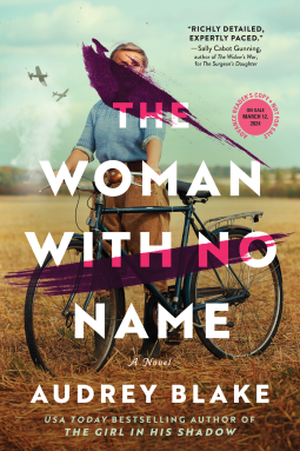
The Woman With No Name by Audrey Blake
Drawing inspiration from the extraordinary life of Yvonne Rudellat, this historical novel plunges readers into the clandestine world of World War II espionage. Yvonne, a middle-aged woman estranged from her husband and with her daughter contributing to the war effort, finds herself adrift. Her life takes a dramatic turn when her London apartment is destroyed in the Blitz. Seeking to contribute to the war effort, she discovers that her unassuming demeanor is precisely what makes her valuable to the Special Operations Executive (SOE). Recruited as a saboteur, Yvonne defies the underestimations of the men around her, embarking on a thrilling journey to occupied France, where she will face the ruthless Nazi regime in a high-stakes game of cat and mouse.
An Unnecessary Woman by Rabih Alameddine
Aaliya Sohbi, the protagonist of this introspective novel, lives a life that her family dismisses as inconsequential. Unbeknownst to them, Aaliya has dedicated the last 37 years to a secret passion: translating books into Arabic. These translated works, however, remain unread by anyone but herself, tucked away as private treasures. Haunted by memories of Beirut, both past and present, and her experiences during the Lebanese Civil War, Aaliya finds solace in solitude. She has cultivated a life of independence, divorced and surrounded by books. Yet, beneath this carefully constructed existence, she grapples with questions of purpose and the uncertainties of the future.

Two Old Women by Velma Wallis
Rooted in an Athabascan legend from the Yukon River Valley of Alaska, this powerful novel recounts the harrowing tale of two elderly women abandoned by their tribe during a severe winter. Deemed a burden, they are left to face the unforgiving wilderness alone. With no one else to rely on, these women must unearth a deep wellspring of resilience and ingenuity to survive the brutal landscape. Two Old Women is a profound exploration of survival, the bonds of community, and the capacity for forgiveness, even in the face of profound betrayal.
The Broader Implications of this Literary Trend
The increasing prominence of older women in historical fiction signifies more than just a shift in literary themes; it reflects a broader societal re-evaluation of aging and a growing recognition of the value and complexity of later life stages. As Rittenberg suggests, these narratives offer a comforting perspective on the accumulation of life experience, providing a counterpoint to the relentless emphasis on youth in contemporary culture.
The success of these novels can be attributed to several factors:
- Authenticity and Relatability: Older characters, particularly women, can offer unique perspectives shaped by decades of lived experience. Their narratives often delve into themes of resilience, wisdom gained through hardship, and a deeper understanding of life’s complexities, which can resonate powerfully with a diverse readership.
- Challenging Stereotypes: By placing older women at the forefront, these stories actively dismantle ageist stereotypes. They showcase characters who are active, intelligent, capable, and have rich inner lives, challenging the notion that aging equates to decline or irrelevance.
- Exploration of Untapped Narratives: Historical fiction, in particular, provides fertile ground for exploring the often-overlooked contributions and experiences of women throughout history, especially those who may have been marginalized due to age or gender.
- Market Demand: The enthusiastic reception of these books indicates a clear reader appetite for stories that defy conventional age-based casting and offer diverse representations of life’s journey. This demand encourages publishers and authors to continue exploring these themes.
The trend of featuring older women in historical fiction is a testament to the evolving literary landscape and a hopeful indicator of societal progress in valuing and celebrating individuals across all ages. As more authors embrace these narratives, we can expect a richer and more inclusive tapestry of stories that reflect the full spectrum of human experience.