
 Ali Ikhwan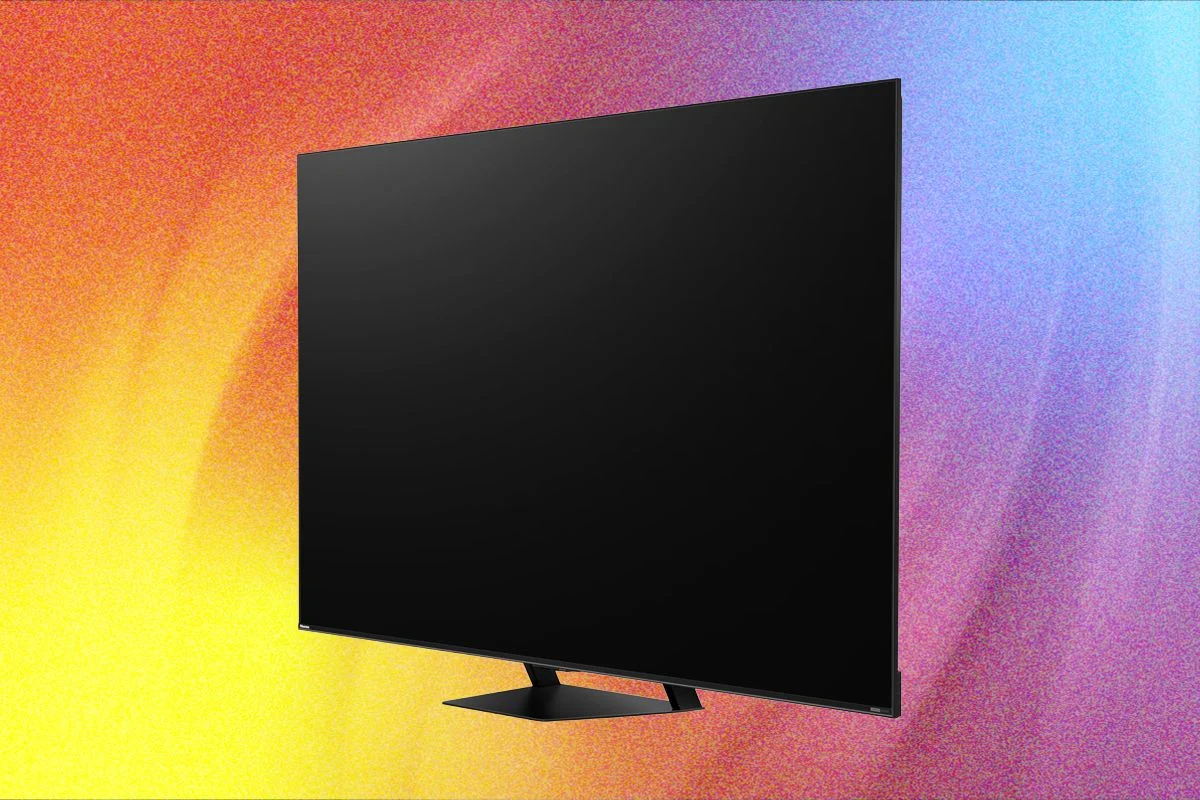
The Hisense U7SG represents a significant pivot for the global electronics manufacturer as it attempts to blur the lines between midrange affordability and premium display performance in the 2026 television market. Traditionally positioned as the "sweet spot" in the Hisense lineup, the U7 series has historically balanced cost-effectiveness with features typically reserved for flagship models. With the 2026 iteration, Hisense introduces high-end industrial design elements, such as an anti-reflective matte screen and a reinforced stand architecture, while maintaining the mini-LED backlighting that has become the hallmark of the brand’s performance tier. However, as the television industry enters a new era of RGB LED technology, the U7SG finds itself in a complex competitive landscape where the definition of "midrange" is being rapidly redefined by both internal upgrades and external rivals.
Design Evolution and Industrial Build Quality
The 2026 U7SG moves away from the utilitarian aesthetics of previous years, adopting a design language reminiscent of high-end competitors like Samsung’s QN90 and S95 series. The most notable physical change is the introduction of a rugged, heavy-duty base plate. For the 65-inch model, the stand alone adds approximately 10 pounds to the unit’s 43.2-pound chassis. While the six-screw assembly process is more complex than the previous year’s U75QG model, the resulting stability provides a secure foundation for the large-format panels, which now scale up to a massive 116 inches.
.jpg)
A critical addition to the hardware suite is the new matte-like anti-reflective screen. In high-ambient-light environments, traditional glossy panels often struggle with glare from windows or lamps. The U7SG’s specialized coating is designed to diffuse light, maintaining contrast levels even in bright living rooms. Furthermore, Hisense has integrated a dual-woofer audio system into the rear of the chassis. While most enthusiasts will likely opt for an external soundbar or dedicated speaker system, the inclusion of dedicated low-frequency drivers represents an effort to provide a more robust out-of-the-box audio experience than standard downward-firing speakers.
Chronology of Hisense Display Technology
To understand the positioning of the U7SG, one must look at the trajectory of Hisense’s U-series over the past three years.
- 2024-2025: Hisense solidified its market share by aggressive implementation of mini-LED across the U6, U7, and U8 lines, significantly undercutting traditional premium brands on price-per-zone ratios.
- Early 2026: Hisense announced a restructuring of its hierarchy. The U8 model, previously the flagship of the standard range, has been superseded by the UR8.
- The UR8 Shift: The new UR8 series introduces RGB LED backlighting, a revolutionary technology that replaces standard blue or white mini-LEDs with dedicated Red, Green, and Blue light sources. This allows for a wider color gamut and higher peak brightness.
Consequently, the U7SG remains the standard-bearer for traditional mini-LED technology within the Hisense ecosystem for 2026. It serves as the bridge between the entry-level U6 and the high-performance RGB-driven UR8, catering to consumers who want high brightness and gaming features without the premium price tag associated with the latest backlight innovations.
.jpg)
Technical Analysis of Picture Performance and Processing
The U7SG utilizes a sophisticated mini-LED backlight system paired with a Quantum Dot layer (QLED) to produce high-intensity brightness and deep color saturation. Benchmarks indicate that the U7SG can achieve brightness levels nearly three times higher than standard streaming content requirements, which are often capped to manage bandwidth and compression. This "headroom" allows the TV to render specular highlights—such as sunlight reflecting off water or the glow of a lightsaber—with remarkable intensity.
High Dynamic Range (HDR) Support
Hisense continues to be one of the few manufacturers to support all primary HDR formats:
- HDR10: The industry standard for high dynamic range.
- HDR10+: A dynamic metadata format favored by Amazon Prime Video.
- Dolby Vision: The most widely adopted premium HDR format for streaming and 4K Blu-rays.
- HLG: The standard for broadcast HDR.
Despite this broad compatibility, the U7SG’s internal processing presents some challenges in its default configurations. The "Local Dimming" feature, essential for managing the mini-LED zones, is set to "High" by default. While this maximizes black levels, it can inadvertently create a "haloing" effect or unnatural highlights when bright objects are displayed against gray backgrounds. Adjusting this setting to "Low" typically resolves the artifacting, though at the slight expense of absolute black depth.

Furthermore, the 2026 model introduces a "Details Preferred" setting within its Dynamic Tone Mapping for HDR10 content. While intended to optimize frame-by-frame contrast, initial testing shows that it can occasionally over-process the image, giving live-action cinematography a hyper-realistic, almost animated appearance. Industry analysts suggest that while these features are technically impressive, they require manual calibration to satisfy videophiles who prefer "director’s intent" over artificial enhancement.
Gaming Capabilities and Interface Integration
The U7SG is heavily marketed toward the gaming demographic, featuring specifications that rival high-end gaming monitors. The panel supports a variable refresh rate (VRR) of up to 165 Hz at 4K resolution. This exceeds the 120 Hz output of the PlayStation 5 and Xbox Series X, making the U7SG a viable option for high-end gaming PC users who require ultra-smooth motion handling.
Connectivity is a highlight of the 2026 model, with all four HDMI ports supporting modern gaming features, including Auto Low Latency Mode (ALLM) and high-bandwidth data transfer. The inclusion of a dedicated "Gaming Bar" allows users to monitor frame rates and adjust image settings without exiting their game, providing a streamlined interface for real-time performance tuning.

The software experience is powered by the latest iteration of Google TV. In 2026, the interface has been optimized for speed, with the U7SG demonstrating some of the fastest navigation times in the midrange category. While the transition from the legacy Google Home app to the new Google TV mobile app has met some connectivity hurdles, the on-screen experience remains highly customizable. Users can integrate Google Photos for ambient screensavers and access a wide array of streaming applications with minimal latency.
Data and Market Comparison
When compared to its primary competition, the U7SG occupies a unique niche.
| Feature | Hisense U7SG (2026) | Typical Midrange OLED | Premium Mini-LED (Samsung/Sony) |
|---|---|---|---|
| Peak Brightness | Very High (1500+ nits) | Moderate (700-900 nits) | Extreme (2000+ nits) |
| Black Levels | Excellent (with dimming) | Perfect (Pixel-level) | Excellent |
| Refresh Rate | 165 Hz | 120 Hz | 120-144 Hz |
| Screen Surface | Matte Anti-Reflective | Glossy | Varies |
| Off-Angle Viewing | Middling | Perfect | Good |
The U7SG’s primary weakness remains its off-angle performance. Due to the inherent limitations of the VA (Vertical Alignment) panels often used in these models to achieve high contrast, colors tend to wash out and contrast drops when viewed from the side. Additionally, some units exhibit the "dirty screen effect" (DSE), where slight non-uniformity in the backlight becomes visible during panning shots across solid colors, such as a green football field or a clear blue sky.

Industry Implications and Consumer Impact
The release of the U7SG highlights a growing trend in the television industry: the "trickle-down" effect of premium features. Features that were exclusive to $3,000 flagships three years ago—such as 1000+ nit brightness, mini-LED arrays, and 144Hz+ refresh rates—are now standard in the $800 to $1,200 price bracket.
However, the 2026 market is also defined by the anticipation of RGB LED technology. As Hisense prepares to launch the UR8, the U7SG serves as a final, highly refined version of traditional mini-LED tech. For consumers, this presents a strategic choice. The U7SG offers a mature, stable platform with a premium build, but it lacks the "next-gen" backlight found in upcoming flagship models.
Market analysts predict that the U7SG will follow the historical pricing trend of the U7 series, seeing significant discounts within three to six months of launch. At its full MSRP, it faces stiff competition from entry-level OLEDs like the LG B-series, which offer superior viewing angles and perfect blacks. However, once the inevitable price drops occur, the U7SG’s combination of high-refresh gaming, immense brightness, and matte-screen utility will likely make it one of the most competitive "bang-for-the-buck" options for the 2026 calendar year.

In summary, the Hisense U7SG (2026) is a robust, feature-rich television that successfully adopts the "clothing" of a premium display. While it retains some of the processing quirks and panel limitations of the midrange category, its advancements in design, gaming support, and brightness ensure it remains a formidable contender in an increasingly crowded market. For users prioritizing a bright, reflection-free screen for daytime viewing or a high-speed panel for competitive gaming, the U7SG represents a well-engineered evolution of the mini-LED formula.







