
 Ali Ikhwan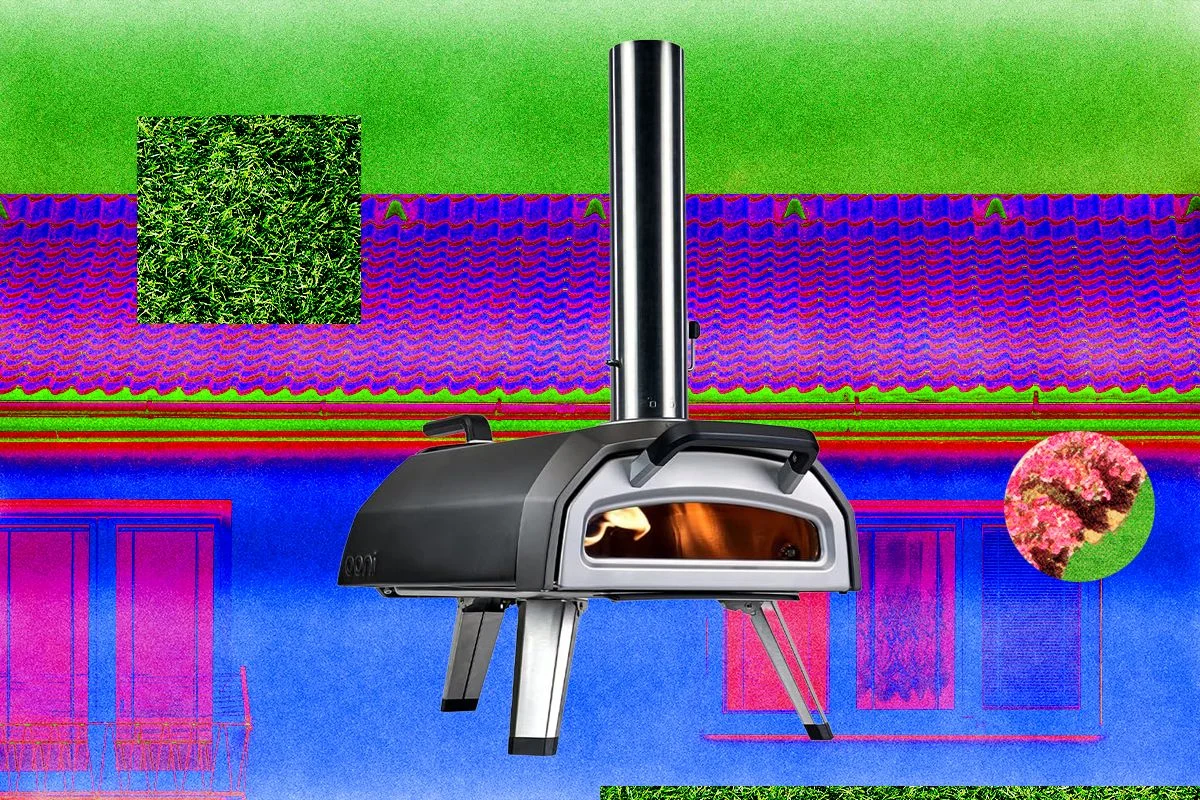
The culinary landscape of the American backyard has undergone a radical transformation over the past decade, shifting from basic charcoal grills to sophisticated, high-heat appliances capable of mimicking professional Italian brick ovens. While pizza has long been a staple of the American diet, the ability to produce a "sophisticate-grade" Neapolitan pie at home was previously hindered by the physical limitations of domestic kitchen hardware. Standard home ovens typically max out at 500 degrees Fahrenheit, a temperature insufficient for the rapid expansion of dough and the charring of crust—known as "leopard spotting"—that defines world-class pizza. To achieve these results, a blistering environment of at least 850 to 900 degrees Fahrenheit is required, a threshold that a new generation of outdoor pizza ovens has finally made accessible to the general public.

The Evolution of the Backyard Pizzeria: A Decade of Innovation
The modern era of home pizza baking began in earnest roughly ten years ago when the company Ooni, then operating under the name Uuni, launched a Kickstarter campaign for a portable, affordable wood-fired oven. This sparked a technological arms race among outdoor appliance manufacturers. What was once a niche hobby for those willing to build massive, permanent brick structures in their yards has become a multi-million dollar industry characterized by rapid product cycles and engineering breakthroughs.
In the years following Ooni’s initial success, competitors such as Gozney, All-Clad, and Solo Stove entered the market, each bringing different philosophies to heat management. The timeline of this evolution moved from basic pellet-fed burners to multi-fuel systems that allow users to toggle between the traditional flavor of wood and the precision of propane. By 2024, the market has matured to include smart technology integrations, digital temperature monitoring, and rotating stones designed to eliminate the steep learning curve traditionally associated with high-heat baking.

Technical Analysis of Market Leaders
The current market is dominated by several key players, each catering to different segments of the consumer base, from the "lifestyle" enthusiast to the nomadic camper.
The Versatility Standard: Ooni Karu 2
The Ooni Karu 2 represents the pinnacle of the multi-fuel category. Priced at approximately $449, it balances portability with thermal mass. Weighing 33.7 pounds, the unit utilizes a powder-coated stainless steel shell that provides significant insulation without the weight of traditional ceramic. A critical upgrade in the second generation is the expanded fuel tray, which is 45 percent larger than its predecessor. This allows for the use of standard hardware-store wood chunks rather than proprietary pellets, reducing the frequency of refueling—a process reviewers have likened to the constant labor of a steamship stoker. Data indicates that the Karu 2 can reach 750 degrees Fahrenheit within 20 minutes, maintaining edge-to-edge temperature consistency that is rare in portable units.
-Reviewer-Photo-SOURCE-Chris-Haslam.jpg)
The Precision Entry: All-Clad Gas-Powered Oven
For many home cooks, the unpredictability of wood fire is a deterrent. All-Clad’s entry into the market focuses on gas-powered consistency. The standout feature of this $800 unit (frequently discounted to $500) is a rotating pizza stone powered by four AA batteries. The stone completes one revolution every 40 seconds, ensuring that the side of the pizza closest to the rear flame does not burn while the front remains undercooked. This mechanical solution addresses the most common failure point for amateur pizzaiolos: the manual turn.
The Professional Grade: Gozney Dome Gen 2
At the luxury end of the spectrum sits the Gozney Dome Gen 2, a $2,300 appliance that functions more like a piece of permanent outdoor furniture than a portable tool. With a ceramic exterior and a silhouette inspired by traditional Italian rotundas, the Dome is designed for thermal retention. When equipped with a "Neapolitan Arch" accessory, the oven maintains 900-degree temperatures with remarkable stability. Industry experts, including those who have collaborated with renowned pizzaiolo Ken Forkish, note that the Dome’s height and airflow allow it to function as a versatile outdoor oven for roasting meats and vegetables, not just baking bread.

Comparative Performance Data and Metrics
To understand the efficacy of these units, one must look at the recovery time—the interval required for the stone to return to peak temperature after a cold dough has absorbed its heat.
| Oven Model | Primary Fuel | Max Temp (F) | Weight (lbs) | Key Innovation |
|---|---|---|---|---|
| Ooni Karu 2 | Multi-fuel | 950 | 33.7 | Large Fuel Tray |
| All-Clad Gas | Propane | 900+ | 40+ | Rotating Stone |
| Gozney Dome | Multi-fuel | 950 | 128 | Ceramic Insulation |
| Ooni Koda Max | Gas | 900 | 50+ | 20-inch Capacity |
| Gozney Tread | Propane | 850 | 30 | Tripod Stand |
Testing protocols conducted by culinary journalists involve thousands of pizzas across various dough hydrations. A common finding is that while many ovens advertise 950-degree capabilities, the ability to hold that temperature while a door is open or after multiple consecutive launches is the true differentiator between "entry-level" and "professional-grade" hardware.

Specialized Solutions: Portability and Family-Scale Cooking
The industry has recently branched into specialized niches to address specific consumer pain points. The Ooni Koda 2 Max, for instance, addresses the "throughput" problem. Traditional home pizza ovens are limited to 12-inch or 16-inch pies, meaning a family of four must eat in shifts. The Koda 2 Max utilizes 35,000 BTUs of gas power to heat a surface large enough for a 20-inch New York-style pizza.
Conversely, the Gozney Tread focuses on the "base camp" experience. While many ovens claim to be portable, the Tread features an engineered tripod stand and handles that allow it to be safely operated on uneven terrain, such as a forested campsite or a rocky beach. Despite its smaller footprint, it maintains the insulation necessary to hit 850 degrees, a feat usually reserved for much heavier desktop models.

The Indoor Frontier: Challenges of Electric Baking
The most recent shift in the market is the move toward indoor electric pizza ovens. For consumers without outdoor space, units like the Ooni Volt 2 ($698) and the Breville Pizzaiolo ($1,000) offer a solution. These devices plug into standard 120V outlets and use high-wattage heating elements to reach 850 degrees.
However, this category faces significant engineering hurdles. The Ooni Volt 2, while effective at baking flatbreads and pizzas, produces internal fan noise measured at 60 decibels and offers limited vertical clearance, making it less versatile than its outdoor counterparts. Market analysis suggests that while the indoor segment is growing, it remains a secondary choice due to the high price-to-performance ratio compared to gas-powered outdoor units.

Broader Implications for the Culinary Industry
The proliferation of high-performance home pizza ovens has broader implications for both the appliance industry and the restaurant sector. As consumers become more adept at handling high-hydration doughs and sourcing premium ingredients like San Marzano tomatoes and "00" flour, their expectations for commercial pizzerias have risen.
Furthermore, this trend has birthed a secondary market for accessories. Infrared thermometers have become essential tools for the home cook, as measuring the "ambient" temperature of the oven is less important than measuring the "deck" temperature of the stone. The rise of the "home pizzaiolo" has also fueled a boom in cookbook publishing, with titles like Ken Forkish’s The Elements of Pizza serving as technical manuals for this new generation of hobbyists.

Future Outlook and Conclusion
As we look toward 2025, the trend in outdoor pizza ovens appears to be moving toward automation and hybrid technology. The introduction of rotating stones in mid-priced models and the integration of smartphone apps to monitor heat levels suggest that manufacturers are trying to lower the barrier to entry.
The backyard pizza oven is no longer a luxury reserved for the obsessed; it is becoming a standard component of the American outdoor kitchen. Whether through the rustic charm of a wood-burning Karu or the push-button convenience of a rotating All-Clad, the goal remains the same: the pursuit of the perfect 60-second bake. With prices stabilizing and technology improving, the gap between the neighborhood pizzeria and the suburban backyard continues to close.







