Cintya Tara Annisa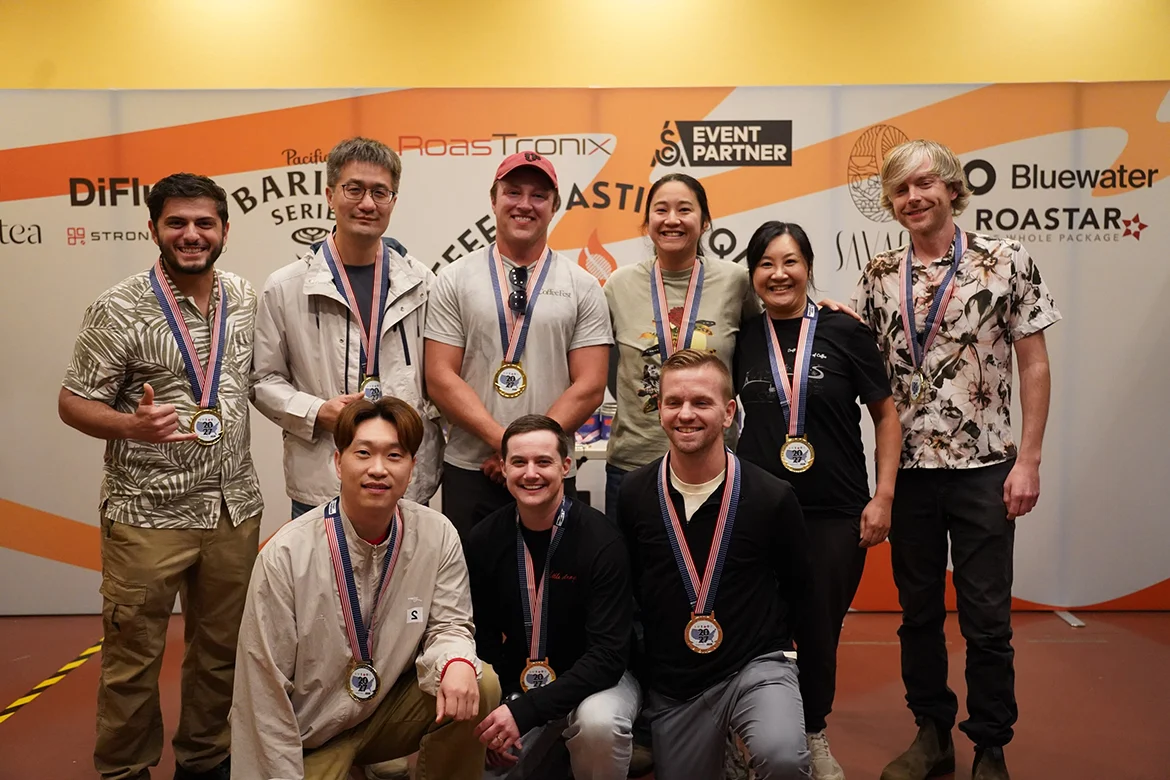
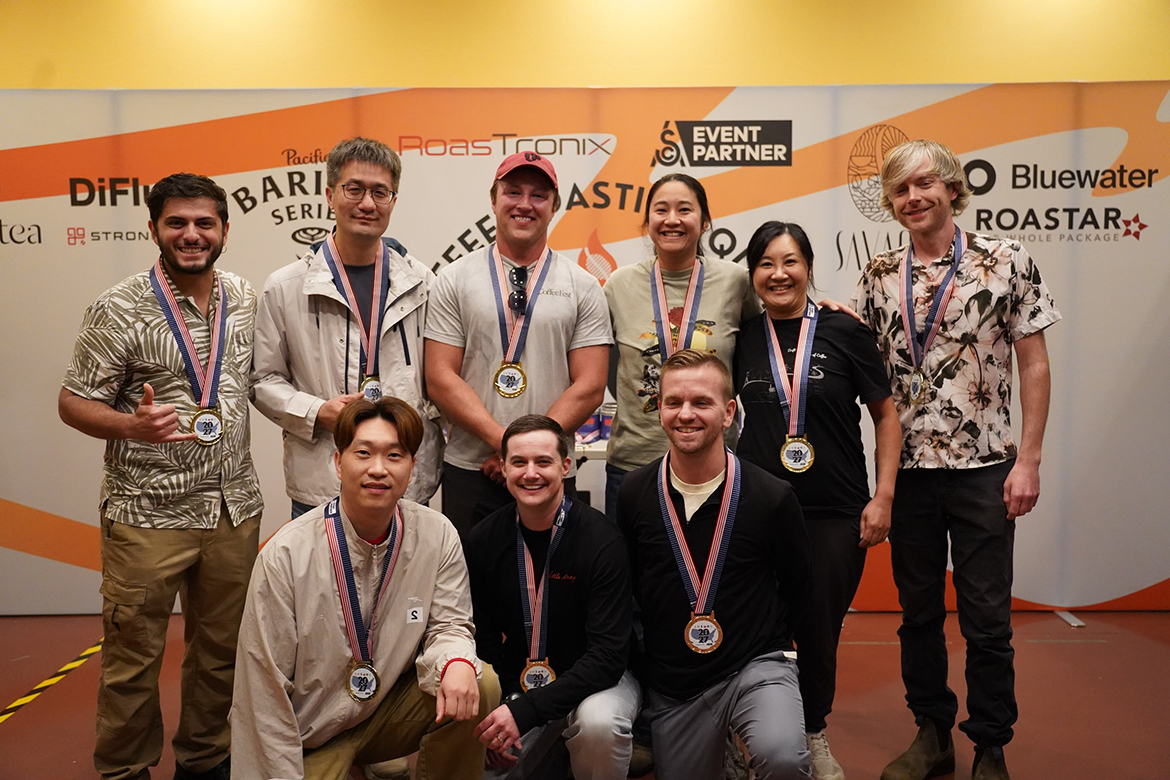
The path to the 2027 US Roasters Championship has reached its definitive conclusion as the final nine competitors secured their berths during the western regional qualifying event held at the iFill facility in Washougal, Washington. This weekend’s competition marked the final hurdle for roasters aiming to join the national elite, following an inaugural qualifying event in Houston earlier this month. With the field now solidified, eighteen of the nation’s most skilled coffee professionals are prepared to converge on Kona, Hawaii, this December to determine who will represent the United States on the global stage.
A Rigorous Three-Day Evaluation Process
The Washougal qualifier was defined by a high-stakes, multi-faceted testing environment designed to push the boundaries of technical proficiency. Over the course of three intensive days, 24 regional participants were subjected to a comprehensive series of evaluations that reflect the realities of professional coffee production.
The competition framework, established by the Specialty Coffee Association (SCA) and the US Coffee Championships, mandates that roasters demonstrate mastery across four critical pillars: sample roasting, cupping, evaluation, and production roasting. Competitors were required to transform green coffee into a final, market-ready product under strict time constraints. Judges assessed not only the flavor profiles of the final brews but also the meticulousness of the roast curves, which provide a graphical representation of heat application and chemical development throughout the roasting process.
For those in attendance, the atmosphere was one of calculated intensity. The ability to calibrate equipment, adjust for environmental variables—such as the atmospheric conditions near the Columbia River—and produce consistent, high-quality results under pressure remains the hallmark of a national-caliber roaster.
The Path to Kona: Completing the National Field
The nine roasters who successfully navigated the Washougal event join a cohort of nine others who qualified in Houston. The inclusion of these finalists brings the total national field to 18. This number is carefully curated to ensure that only the most consistent performers proceed to the final stage. The transition from regional qualifying events to a centralized national championship is a logistical effort that reflects the growth of the US specialty coffee sector.
The following professionals emerged from the Washington event, earning their place in the upcoming December championship:
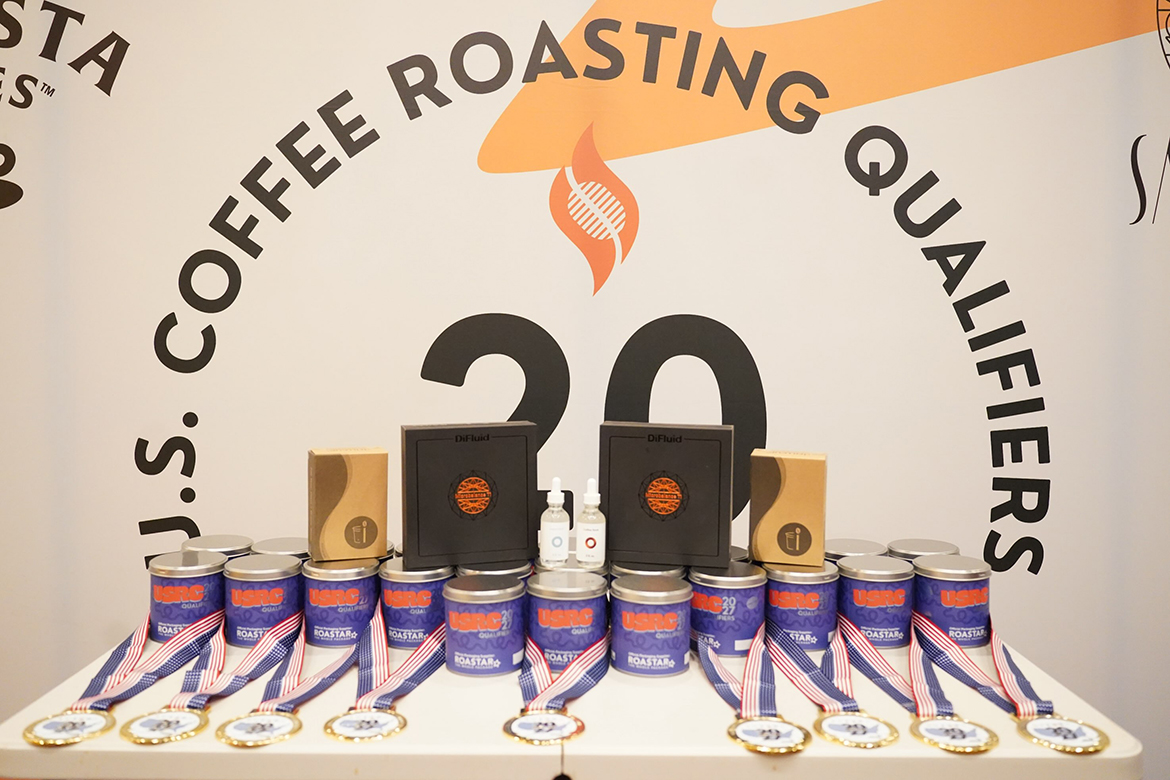
- Jaehwan Park, Story Coffee
- Jana Nguyen, River Phin Coffee Roasters
- Matthew Selivanow, Kafiex Roasters
- Jacob White, Olympia Roasters
- Beckett Reynolds, Guilder Coffee
- Matt Heltzel, Moxie Coffee Co
- Camilla Yuan, Camellia Coffee Roasters
- Payman Namvar, Namvar Estates
- Grant Hamby, Hipfire Coffee
- ChiaHung (Alex) Huang, Desolate Coffee
(Note: The list above includes ten identified names from the qualifying event; organizers have confirmed that the final field of 18 is now finalized to include the top performers from both regional rounds.)
Strategic Significance of the US Roasters Championship
The US Roasters Championship serves as the primary gateway to the World Roasters Championship, an annual event that draws participants from dozens of countries. The winner of the December event in Kona will hold the title of US Champion, a designation that carries significant weight in the industry, often leading to increased recognition for their respective roasteries and personal professional development.
The choice of Kona, Hawaii, for the 2027 national final is particularly symbolic. As the only major coffee-growing region in the United States, hosting the championship there bridges the gap between the cultivation of the cherry and the final roasting process. This location serves as an educational touchpoint for competitors, many of whom are deeply involved in supply chain transparency and direct trade initiatives.
The Road to New Orleans
Looking ahead, the victor of the December championship will represent the United States at the World of Coffee event in New Orleans, scheduled for April 2028. This international competition brings together the best roasters from the global community to compete in a standardized environment. For the US representative, the training cycle begins immediately following the December announcement.
The standard of excellence required for this level of competition has risen steadily over the last decade. Modern competitors are expected to possess a deep understanding of thermodynamics, sensory science, and green coffee chemistry. As the industry evolves, the focus has shifted from simple "roast mastery" to a more holistic approach that encompasses everything from the moisture content of green beans to the specific water chemistry used for the final sensory evaluation.
Implications for the Specialty Coffee Industry
The results of the 2027 qualifying cycle indicate a strong trend toward decentralization in the specialty coffee market. The geographical diversity of the qualifying roasters—representing cities from the Pacific Northwest to Texas—highlights that high-level expertise is no longer concentrated solely in traditional coffee hubs.
For many of the small to medium-sized roasteries represented in this year’s field, the championship acts as a platform for industry advocacy. By participating, roasters are not only testing their skills but also contributing to the broader conversation regarding sustainable sourcing and the scientific advancement of roasting techniques.
Market analysts tracking the specialty coffee sector suggest that the performance of these roasters in the national championship often correlates with consumer trends. As the domestic market becomes increasingly sophisticated, the techniques pioneered during these championships—such as high-precision roasting profiles and innovative sensory evaluations—often filter down into the offerings at local independent cafes within 12 to 24 months.
A Professional Standard of Excellence
The oversight of the US Coffee Championships remains a complex undertaking. The rules and regulations governing these events are reviewed annually to ensure they reflect current industry best practices. By maintaining a rigorous standard, the SCA ensures that the eventual champion is capable of competing at the highest level of global sensory and technical performance.
As the competitors prepare for the final in Kona, the focus will turn toward intense preparation and data analysis. The qualifying round in Washougal was not merely an elimination process; it was an opportunity for these professionals to stress-test their workflows and refine their strategies. For the nine individuals who punched their tickets in Washington, the journey to Hawaii represents months of preparation, thousands of test roasts, and an unwavering commitment to the craft of coffee.
The industry now turns its attention to the final competition. With a field of 18 established, the stage is set for a high-level display of technical skill that will define the trajectory of American coffee roasting for the coming year. Whether the title goes to a veteran roaster or a rising talent, the results in Kona are expected to influence the standard of quality that coffee consumers across the country can expect from their local roasters in the seasons to come.
As the industry reflects on the conclusion of the qualifying cycle, it is clear that the commitment to professional development remains the bedrock of the specialty coffee community. From the cupping tables in Washington to the final stage in Louisiana, the 2027 season remains a testament to the intersection of art, science, and rigorous competitive standards.