Cintya Tara Annisa
The global coffee trade is currently undergoing a massive financial recalibration as major specialty coffee importers begin the complex process of returning millions of dollars in tariff refunds to roasting companies across the United States. This movement follows a landmark 6–3 ruling by the United States Supreme Court in February 2026, which declared that the broad, reciprocal tariffs imposed under the International Emergency Economic Powers Act (IEEPA) were an unconstitutional overreach of executive authority. As the federal government begins the arduous task of unwinding an estimated $100 billion in collected duties, the coffee industry has emerged as a primary sector where private entities are voluntarily passing these government refunds back down the supply chain to the businesses that originally bore the economic brunt of the trade barriers.
The Genesis of the IEEPA Tariffs and the 2025 Trade Shock
The economic disruption began in April 2025, when the United States government issued a sweeping global "Liberation Day" tariff. This policy mandated a 10% duty on all imported goods entering the country, a move intended to rebalance trade deficits and encourage domestic production. However, for industries like coffee—where the United States is the world’s largest importer and possesses virtually no commercial domestic growing capacity outside of Hawaii and Puerto Rico—the tariff acted as an immediate and unavoidable tax on both businesses and consumers.
The situation for the coffee industry intensified in July 2025, when the administration targeted Brazil, the world’s largest coffee producer, with a specific 50% tariff. Brazil accounts for approximately $1.9 billion in annual coffee exports to the United States. The sudden imposition of a 50% levy on such a massive volume of raw material sent shockwaves through the global commodity markets. Small-to-medium-sized specialty roasters, who operate on thin margins, found themselves facing overnight cost increases that threatened the viability of their business models.
Legal Challenge and the Supreme Court’s 2026 Decision
The legal basis for these tariffs rested on the International Emergency Economic Powers Act of 1977, which grants the President the authority to regulate international commerce during a declared national emergency. However, a coalition of trade groups and importers challenged the administration’s use of the act, arguing that the "emergency" cited was a permanent economic condition rather than a specific, acute threat to national security.
In February 2026, the Supreme Court issued its definitive ruling. The majority opinion held that while the IEEPA provides broad powers, it does not grant the executive branch a "blank check" to bypass Congress’s constitutional authority to lay and collect taxes and duties. By a margin of 6–3, the court ruled the reciprocal tariffs unconstitutional, forcing the Department of the Treasury and U.S. Customs and Border Protection (CBP) to begin the process of returning the billions of dollars collected over the previous year.
The Logistical Complexity of the "Trickle-Down" Refund
While the Supreme Court’s decision mandated that the government return the funds to the entities that paid them—the importers of record—it did not create a legal requirement for those importers to share the refunds with their customers. Because the tariffs were structured as a tax on the importer, the financial "injury" in the eyes of the law ended at the point of entry.
In practice, however, the cost of these tariffs was rarely absorbed by the importers. Instead, the 10% and 50% fees were added to the "landed" price of green coffee, effectively passing the cost to the roasters. The roasters, in turn, were forced to raise wholesale and retail prices, passing the cost to cafes and, eventually, the individual consumer.
Despite the lack of a legal mandate, several pillars of the specialty coffee importing world have announced plans to return the refunded duties to their roasting partners. This proactive approach is being hailed by industry analysts as a significant gesture of corporate responsibility and a move to preserve the long-term health of the specialty coffee ecosystem.
Major Importers Lead the Restitution Effort
At the end of June 2026, Royal Coffee, a prominent importer based in Oakland, California, became one of the first major players to announce a comprehensive refund program. Royal Coffee confirmed it would be issuing credits to customers who purchased green coffee lots that were subject to the IEEPA duties. According to the company, tariffs on 927 specific lots have already been processed and will be proactively applied to customer accounts. An additional 117 lots are currently under review as the company continues to reconcile its records with federal data.
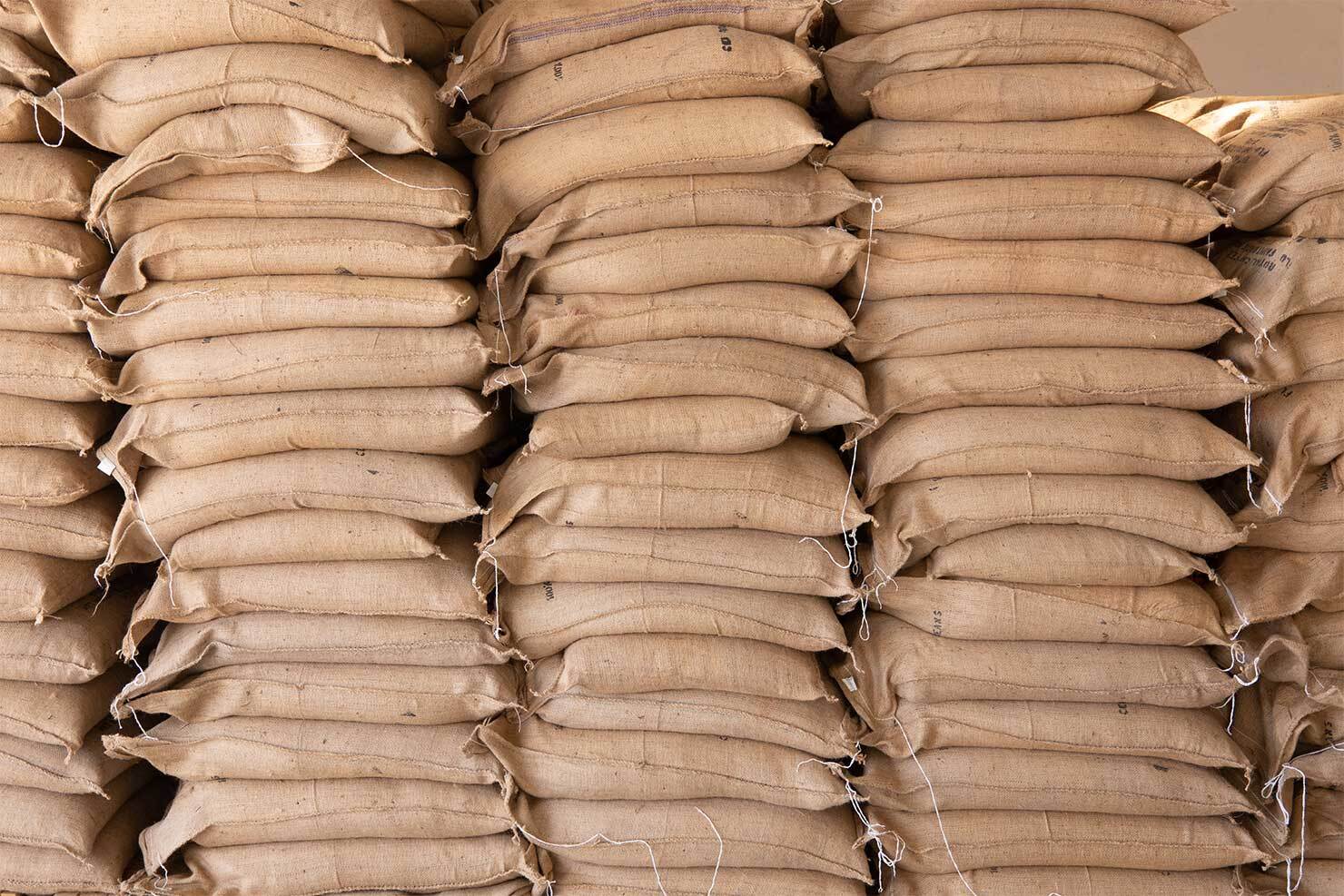
Following Royal Coffee’s lead, Atlas Coffee Importers announced in early July that they were in the process of reconciling shipments and buyer records to facilitate similar refunds. Atlas emphasized the administrative burden of this task, noting that every bag of coffee must be tracked from the port of entry to the final sale to ensure the correct amount is credited to the correct roasting company.
Earlier this week, Cafe Imports, another influential specialty importer, utilized social media to inform its partners that it had received refunds for duties paid throughout 2025. The company stated that it would be passing these funds back to its customers without requiring roasters to file formal requests. This "proactive" model is intended to alleviate the administrative strain on small roasting businesses that may not have the resources to track historical tariff data on every individual invoice.
The Retail Dilemma: Can Consumers See a Refund?
While the movement of funds from the government to importers and then to roasters is quantifiable, the final step in the chain—the consumer—remains the most difficult to address. For the average coffee drinker, the "tariff tax" was often obscured by general inflation or incremental price hikes on lattes and drip coffee.
The difficulty lies in the "fractional" nature of the tariff at the retail level. While a 50% tariff on a shipping container of Brazilian coffee represents hundreds of thousands of dollars, the impact on a single $5.00 cup of coffee might only be 15 to 25 cents. Refunding millions of individual retail transactions from the past year is logistically impossible for most cafes.
However, Royal Coffee’s retail flagship, The Crown in Oakland, has implemented a symbolic but significant solution. The cafe announced a price reduction of 25 cents on all beverages for a 60-day period. This duration and amount were calculated to reflect the approximately $2,500 in IEEPA duties paid on the specific coffee served at the cafe during the tariff period. While modest, the move serves as a blueprint for how retail businesses might attempt to "return" the savings to the public.
Economic Implications and the Future of Trade Policy
The unwinding of the IEEPA tariffs is expected to have a cooling effect on coffee price inflation, which saw a sharp spike in late 2025. Industry data suggests that the specialty coffee market, which relies heavily on high-quality imports from Brazil, Ethiopia, and Colombia, saw a 12% average increase in retail prices directly attributable to the tariff policy.
Economists suggest that the voluntary refunding of these duties by importers could set a precedent for other industries, such as electronics and automotive parts, which were similarly affected by the 2025 trade policies. However, the coffee industry’s unique structure—built on long-term relationships and "transparent" supply chains—makes it more conducive to this type of restitution than more anonymous commodity markets.
The legal fallout from the Supreme Court decision is also expected to lead to legislative reform. Members of the Senate Finance Committee have already begun drafting amendments to the IEEPA to more clearly define what constitutes a "national emergency," seeking to prevent future administrations from using the act as a tool for broad-based economic protectionism without congressional approval.
Conclusion: A Moral Precedent in a Volatile Market
The "unwinding" of the 2025 tariffs marks the end of one of the most volatile periods in the history of the American coffee industry. While the financial recovery will take months to fully process, the actions of companies like Royal Coffee, Atlas, and Cafe Imports suggest a shift toward a more ethical and collaborative trade model.
For the American coffee roaster, the return of these funds represents more than just a balance sheet correction; it provides a much-needed infusion of capital after a year of suppressed growth. For the consumer, while a direct refund for every cup of coffee remains unlikely, the stabilization of prices and the integrity shown by industry leaders offer a rare "heartening" conclusion to a period defined by economic uncertainty. Roasters are encouraged to maintain close communication with their importing partners as the Department of the Treasury continues to release the remaining billions in contested IEEPA funds.