Cintya Tara Annisa
A comprehensive study conducted by researchers at Chongqing Medical University in China has uncovered a significant divergence in how different types of coffee consumption affect the human aging process at a biological level. The research, recently published in the peer-reviewed journal NPJ Science of Food, suggests that while filter coffee is associated with a deceleration of biological aging, the consumption of instant coffee may actually accelerate it. Utilizing data from the UK Biobank, a large-scale biomedical database and research resource, the study provides a granular look at the long-term physiological impacts of one of the world’s most popular beverages, focusing on nearly 50,000 individuals to ensure statistical robustness.
Methodology and the Science of Biological Aging
To understand the relationship between coffee and longevity, the research team moved beyond chronological age—the number of years a person has lived—and focused on biological age, which measures the functional state of a person’s physiological systems. The study utilized three primary metrics to assess this: relative leukocyte telomere length (rLTL), the Klemera-Doubal method biological age acceleration (KDM-BA Accel), and PhenoAge acceleration (PhenoAge Accel).
Telomeres are protective caps at the ends of chromosomes that shorten as cells divide; their length is a widely accepted marker of cellular aging. KDM-BA and PhenoAge are more complex "clocks" derived from clinical biomarkers—such as albumin, creatinine, glucose, and C-reactive protein levels—that provide a snapshot of an individual’s internal wear and tear. By analyzing these metrics across a massive cohort, the researchers were able to quantify how different brewing methods correlate with the rate at which our bodies age internally.
Comparative Findings: Filter vs. Instant Coffee
The core of the study’s findings lies in the stark contrast between those who brew their coffee through a filter and those who opt for instant preparations. According to the data, individuals who consumed filter coffee showed a negative association with KDM-BA Accel. In practical terms, this means that as filter coffee consumption increased among participants, their biological age appeared to lag behind their chronological age, suggesting a protective or "anti-aging" effect.
Conversely, the data regarding instant coffee told a different story. Participants who primarily consumed instant coffee were associated with greater KDM-BA Accel. Notably, this relationship appeared to be dose-dependent: the higher the intake of instant coffee, the more pronounced the acceleration of biological aging markers. The researchers noted that PhenoAge Accel and rLTL metrics mirrored these trends, reinforcing the conclusion that the method of coffee preparation is a critical variable in determining the beverage’s health outcomes.
Accounting for Lifestyle and Environmental Covariates
To ensure that the results were not skewed by external factors, the researchers employed a rigorous statistical model that accounted for a wide array of covariates. The analysis controlled for demographic variables such as age, sex, race, ethnicity, and geographic region. It also factored in socioeconomic status through the Townsend deprivation index, as well as education levels.
Lifestyle choices were heavily scrutinized, with the researchers adjusting for alcohol intake, smoking status, body mass index (BMI), and physical activity levels. Furthermore, the study accounted for dietary additions that might alter the health profile of the coffee, such as sugar, artificial sweeteners, or milk. Perhaps most importantly, the researchers adjusted for pre-existing health conditions, including diabetes, cancer, cardiovascular disease, and hypertension, to isolate the specific impact of coffee type on the aging process.
The Role of Processing and Chemical Composition
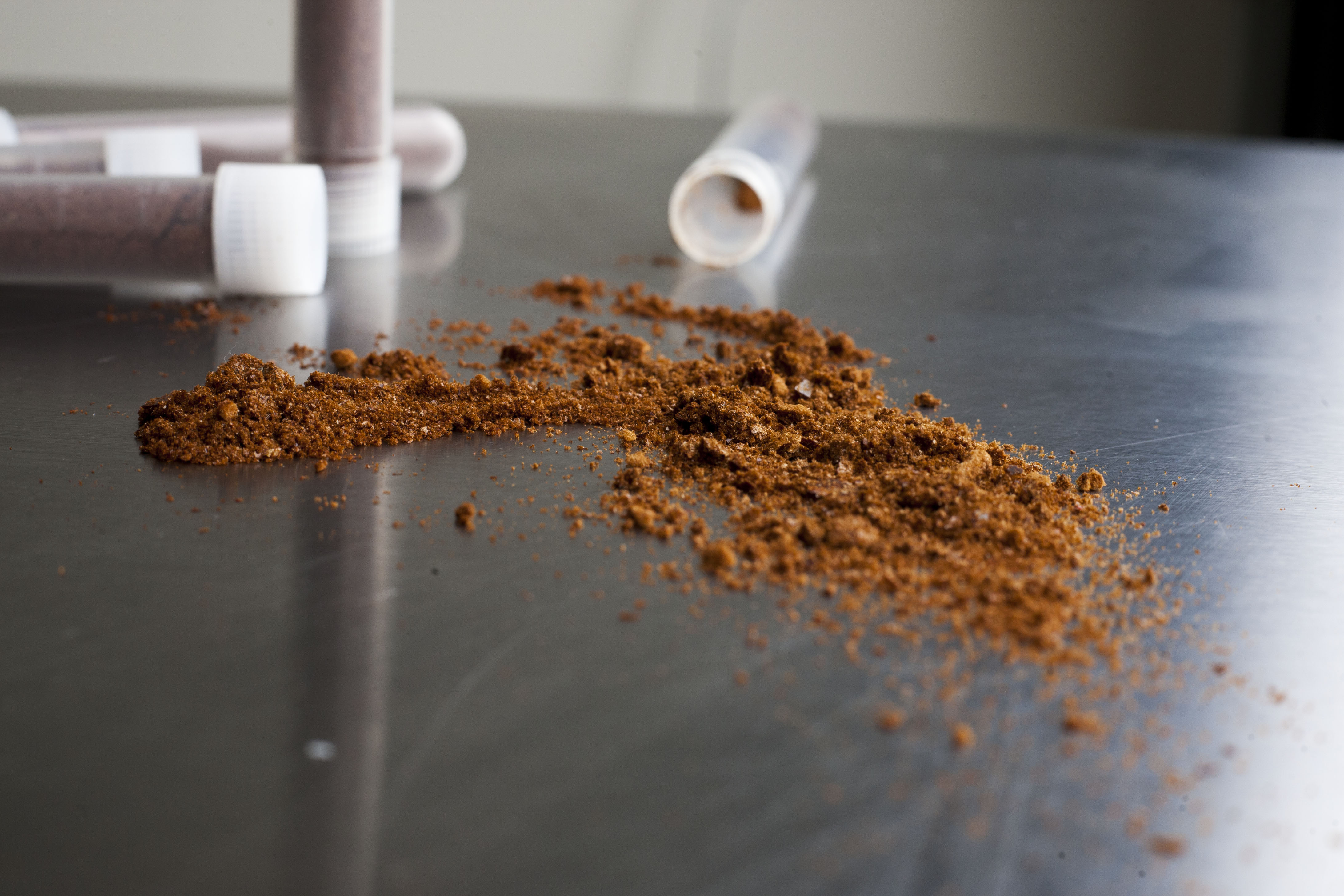
While the study establishes a correlation rather than a definitive causal mechanism, the scientific community has long pointed to the chemical differences between instant and filter coffee as a potential explanation for such findings. Instant coffee undergoes significant industrial processing, including roasting, extraction, and subsequent freeze-drying or spray-drying. This process can lead to higher concentrations of certain compounds, such as acrylamide, a chemical that forms in some foods during high-temperature cooking and has been studied for its potential pro-inflammatory effects.
In contrast, filter coffee involves passing hot water through ground beans and a paper or metal filter. This method is known to effectively remove certain diterpenes, such as cafestol and kahweol, which are found in coffee oils and have been linked to increased cholesterol levels. However, filter coffee also retains high levels of chlorogenic acids and other polyphenols—antioxidants known for their anti-inflammatory and DNA-protective properties. The researchers hypothesize that the preservation of these beneficial compounds in filter coffee, combined with the reduction of potentially harmful processing byproducts, may be the driving force behind its association with slower biological aging.
A Chronology of Coffee and Longevity Research
The Chongqing Medical University study adds a significant chapter to the evolving timeline of coffee research. Over the last several decades, the scientific perception of coffee has shifted from a potential health risk to a functional food with numerous benefits.
- The 1980s and 1990s: Early studies often linked coffee consumption to heart disease and high blood pressure, though many of these studies failed to account for the high prevalence of smoking among coffee drinkers at the time.
- The 2000s: Researchers began to identify the antioxidant properties of coffee, with studies suggesting a reduced risk of Type 2 diabetes and certain types of liver disease.
- The 2010s: Large-scale meta-analyses, including those using the UK Biobank, started showing a general correlation between coffee consumption and reduced all-cause mortality.
- 2020-Present: Research has become more specialized, looking into the "how" and "what" of coffee consumption. Studies have begun to distinguish between caffeinated and decaffeinated, and now, as seen in the NPJ Science of Food report, between different brewing methods.
This latest research is part of a broader trend in "geroprotection"—the search for substances or lifestyle habits that can protect against the biological degradation associated with aging.
Public Health Implications and Expert Reactions
The implications of this study are vast, considering that coffee is a daily staple for billions of people. If filter coffee indeed acts as a mild geroprotector while instant coffee contributes to biological aging, public health recommendations may eventually shift toward specific brewing methods rather than just general caffeine intake.
Nutritionists and geriatricians have noted that while the study is compelling, it should not lead to a "panic" among instant coffee drinkers. The observed acceleration in biological aging, while statistically significant, is one of many factors—including sleep, stress management, and overall diet—that contribute to the aging process. However, for individuals looking to optimize their longevity, switching to filter coffee represents a relatively simple and low-cost intervention.
Industry experts suggest that these findings might also influence the manufacturing sector. If consumers become more aware of the potential downsides of instant coffee processing, manufacturers may be incentivized to develop new methods that better preserve the natural antioxidant profile of the coffee bean while minimizing the formation of aging-accelerating compounds.
Analysis of Study Limitations and Future Research
Despite the large sample size and rigorous controls, the researchers acknowledge certain limitations. The study relies on self-reported data regarding coffee consumption habits, which can be subject to recall bias. Additionally, the UK Biobank cohort, while massive, is primarily composed of individuals of European descent, meaning the findings may not be perfectly generalizable to other global populations with different genetic backgrounds and dietary habits.
Future research is expected to delve deeper into the molecular pathways. Scientists are interested in how coffee compounds interact with sirtuins—a class of proteins involved in nutrient sensing and DNA repair—and how they might influence the gut microbiome, which is increasingly recognized as a major player in systemic aging.
Conclusion: The Path Forward for Coffee Consumers
The Chongqing Medical University study provides a clear signal that the way we prepare our coffee matters as much as the beans themselves. By linking filter coffee to slower biological aging and instant coffee to an accelerated trajectory, the research highlights the complexity of food science and the importance of processing methods.
As the global population continues to age, the demand for accessible, evidence-based longevity strategies will only grow. For the millions who start their day with a cup of coffee, the choice between the kettle and the filter may eventually be viewed not just as a matter of taste or convenience, but as a daily decision impacting their long-term cellular health. While instant coffee remains a staple for its ease of use, the evidence suggests that taking the extra time for a filtered brew may be an investment in a longer, healthier biological life.