rifanmuazin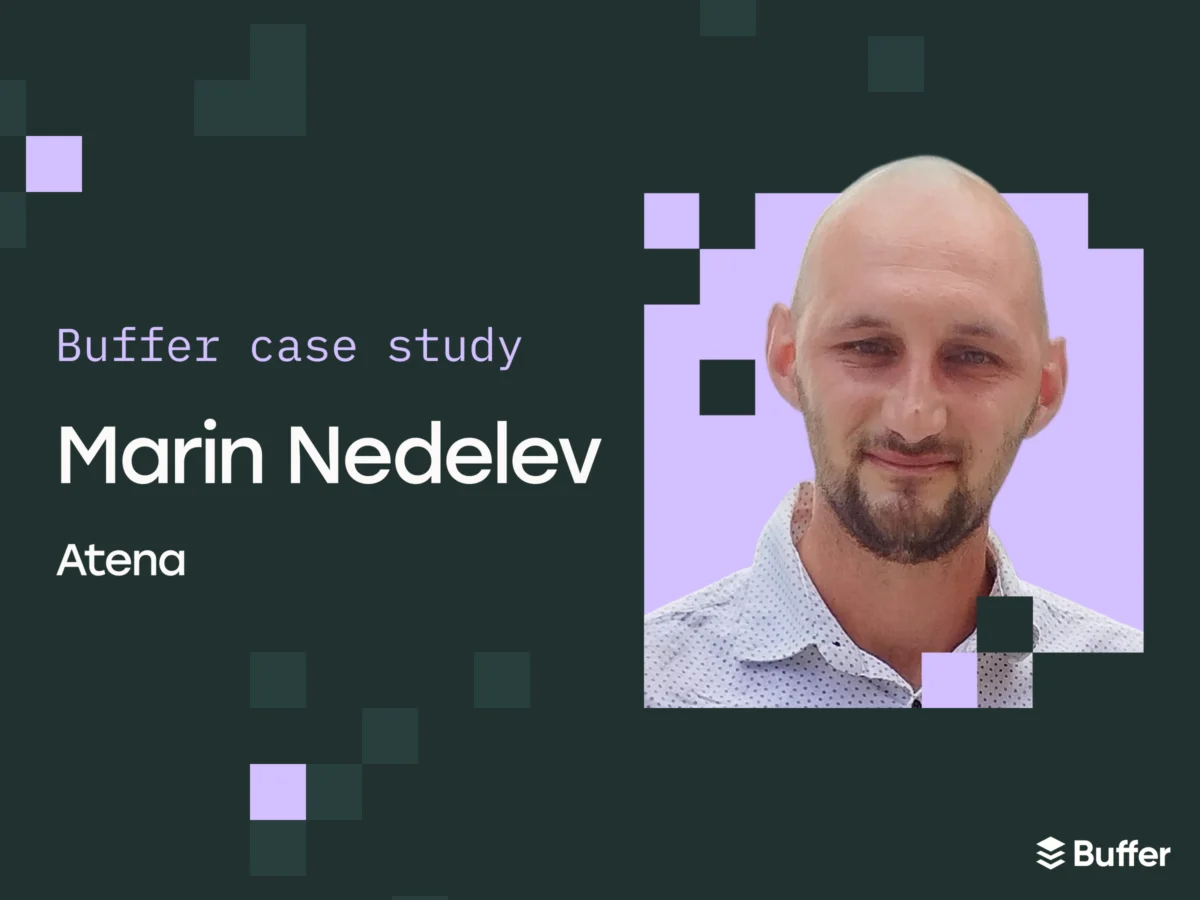
Marin Nedelev, by his own admission, is not a developer, yet he has engineered a sophisticated, automated marketing infrastructure that manages an expansive digital presence across 77 social media channels, 30 users, and ten distinct languages. This feat of ingenuity underscores a growing trend where non-technical professionals leverage powerful tools like APIs and no-code platforms to build custom solutions tailored to complex business needs, dramatically enhancing efficiency and strategic oversight. Nedelev’s work at Atena, a prominent caregiver staffing agency, exemplifies how innovative application of existing technology can overcome significant operational challenges in a highly competitive and geographically dispersed market.
The Scale of the Challenge: Atena’s Pan-European Operations
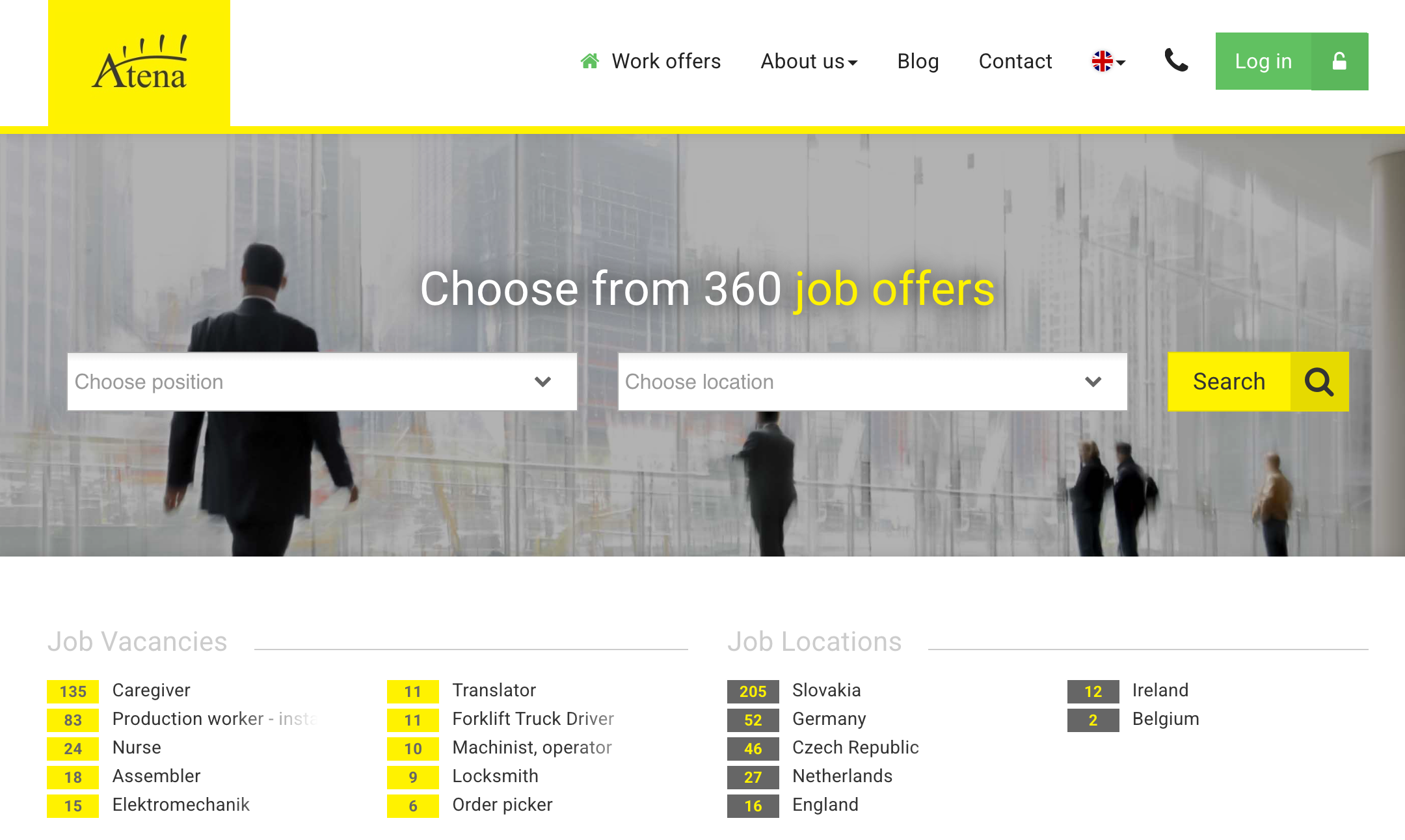
Atena operates as a critical bridge, connecting caregivers from Central and Eastern European nations with families across the continent in need of professional care services. The company’s reach extends across Slovakia, Romania, Hungary, Czechia, Bulgaria, Lithuania, Croatia, and Poland. Each of these countries presents a unique linguistic, cultural, and regulatory landscape, demanding a highly localized approach to marketing and communication. Marin Nedelev, coordinating marketing efforts for Atena, is tasked with overseeing this intricate web of digital interactions.
The sheer volume of Atena’s social media footprint is staggering: 77 distinct channels, each serving specific purposes. Some channels are dedicated to recruiting caregivers within local markets, while others target families actively seeking care services. This dual-pronged strategy requires nuanced messaging and content, all delivered in ten different languages to resonate effectively with diverse audiences. Managing such a vast, multilingual, and multi-country operation manually quickly became an untenable proposition, consuming immense resources and presenting significant risks of inconsistency and error.
The European caregiving sector itself is characterized by high demand, driven by aging populations and evolving societal structures. Agencies like Atena play a vital role in addressing this demand by facilitating cross-border employment, which inherently involves navigating complex immigration, labor, and social security regulations. The margins in this industry are often thin, necessitating highly efficient and cost-effective operational models. Every Euro saved on administrative overhead or marketing inefficiency can be reinvested into improving caregiver support, training, or service quality, directly impacting the lives of both caregivers and care recipients.

The Imperative for Organic Growth: A Strategic Choice
Atena’s social media strategy is rooted entirely in organic reach. Unlike many contemporary businesses that allocate substantial budgets to paid advertising campaigns, Atena prioritizes building authentic connections and fostering community engagement. This strategic choice is not merely a preference but a necessity dictated by the economic realities of the caregiver industry. With narrow profit margins, diverting funds towards extensive advertising campaigns would compromise the company’s ability to allocate resources where they matter most: supporting the caregivers and ensuring high-quality care.
In an environment where trust and personal recommendation are paramount, organic reach offers several distinct advantages. It fosters genuine relationships with both prospective caregivers and families, builds brand credibility over time, and cultivates a loyal audience. Consistent, high-quality organic posting across all channels is, therefore, "the whole game" for Atena. It ensures visibility, establishes authority, and drives engagement without incurring the continuous costs associated with paid promotions. As Atena expanded its operations across more countries and into new social media platforms beyond Facebook and Instagram – embracing TikTok, X (formerly Twitter), and LinkedIn – the challenge of maintaining this consistent organic presence escalated exponentially. The initial manageable number of channels rapidly transformed into a sprawling digital ecosystem that defied manual oversight.
The Quest for a Unified Solution: Buffer Emerges Victorious
The escalating complexity necessitated a single, centralized tool capable of managing Atena’s entire social media operation. The marketing team, under Marin Nedelev’s guidance, embarked on a meticulous evaluation process. This wasn’t a casual selection; it involved a rigorous "old-fashioned way" approach: a detailed spreadsheet comparing various social media management platforms against a comprehensive list of critical categories. Features like multi-channel scheduling, team collaboration, language support, reporting capabilities, and user interface design were meticulously scrutinized.
Among the top competitors, Buffer consistently emerged as the frontrunner. Its robust features, intuitive design, and comprehensive functionalities aligned perfectly with Atena’s complex requirements. While initial pricing comparisons showed Buffer to be slightly higher, Atena engaged directly with Buffer’s customer advocacy team. This collaborative dialogue allowed for a customized pricing structure that acknowledged Atena’s high channel count, ultimately making Buffer’s offering competitive with, and superior to, alternatives that lacked its capabilities. This negotiation highlights the importance of vendor flexibility and customer-centric approaches in enterprise-level software procurement. The ability to tailor solutions, not just in features but also in cost, was crucial for Atena, a company deeply mindful of its operational expenditures.
Beyond Standard Features: Harnessing the Power of APIs and No-Code
While Buffer’s native application provided a strong foundation for scheduling and posting across Atena’s vast network, Marin Nedelev recognized the need to push beyond its out-of-the-box capabilities. The scale of Atena’s operations demanded a level of customization and automation that standard interfaces couldn’t provide. Specifically, Nedelev sought to:
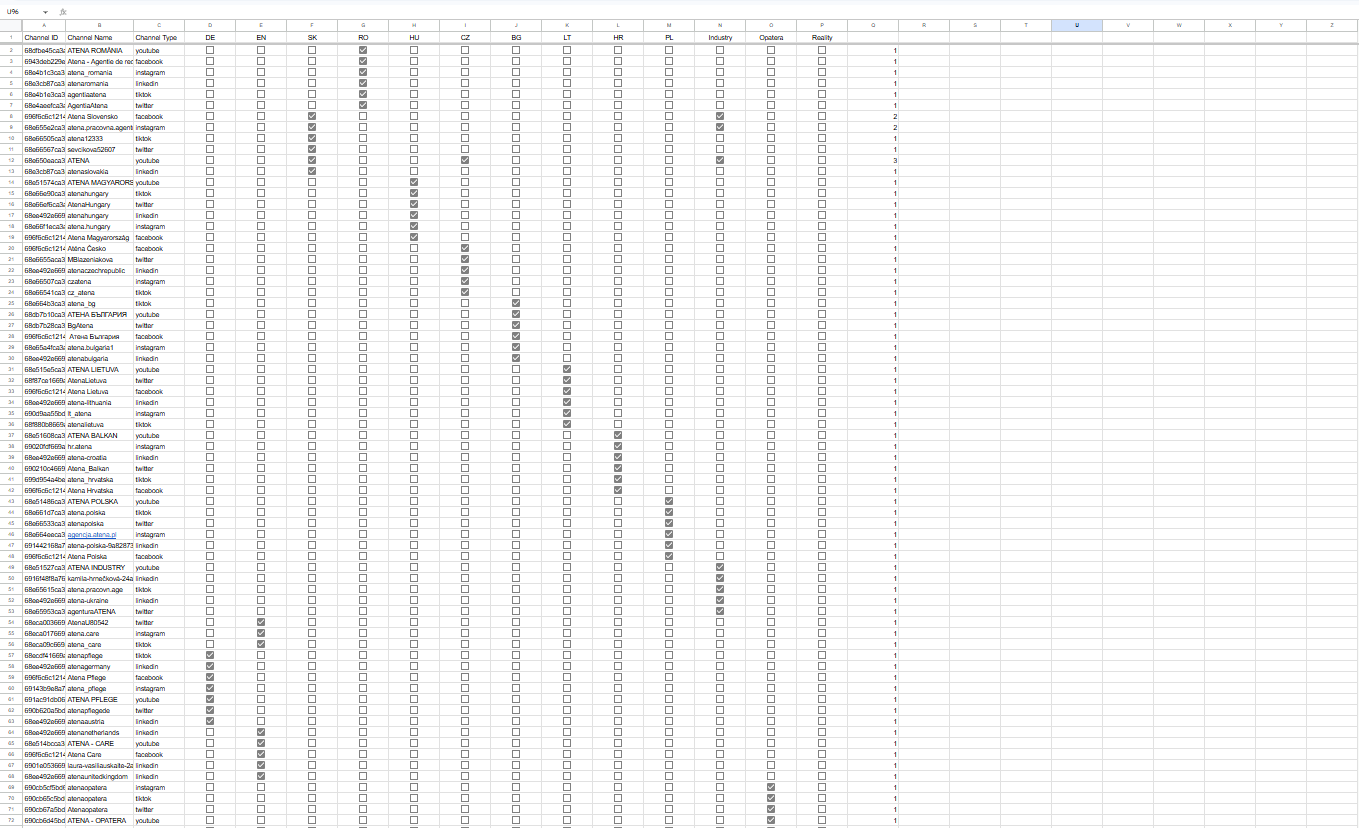
- Map every channel precisely: Each of the 77 channels needed to be clearly associated with its respective country and internal department (e.g., recruitment in Romania, family services in Poland).
- Automate granular reporting: The goal was to generate comprehensive weekly reports detailing who posted what, where, and when, broken down by department and geography, without any manual intervention.
Initially, Nedelev attempted to use Buffer’s built-in tagging system for organization. However, with eight countries, multiple departments, and numerous languages, manual tagging quickly became a bottleneck, proving too cumbersome and error-prone for the sheer volume of content. This limitation prompted a deeper dive into Buffer’s capabilities, leading Nedelev to its newly available Application Programming Interface (API).
An API acts as a bridge, allowing different software applications to communicate and exchange data. For a non-developer like Nedelev, the prospect of directly interacting with an API might seem daunting. However, the burgeoning ecosystem of no-code automation platforms has democratized access to such powerful functionalities. Nedelev turned to n8n, an open-source workflow automation tool designed for users without extensive coding knowledge.
The Architecture of Automation: Marin Nedelev’s Custom System
Using n8n, Marin Nedelev constructed a sophisticated workflow that seamlessly integrates Buffer’s API with Google Sheets. The process unfolds as follows:
- Data Extraction via Buffer API: The n8n workflow initiates by making API calls to Buffer, retrieving real-time data about all scheduled and published posts across Atena’s 77 channels. This data includes details such as the post content, publication time, and the specific channel it was published on.
- Channel Mapping and Categorization: This raw data is then processed within n8n. Nedelev designed logic to automatically map each Buffer channel ID to its corresponding country and internal department, based on a predefined lookup table. This crucial step eliminates the need for manual tagging or categorization within Buffer itself.
- Automated Reporting in Google Sheets: Once the channel data is enriched with country and department information, n8n automatically pushes this structured data into a designated Google Sheet. This Google Sheet serves as the central repository for all social media activity.
- Dynamic Report Generation: Leveraging the structured data in the Google Sheet, the system automatically generates weekly posting reports. These reports are meticulously broken down by department and geography, providing clear, actionable insights into content performance and team activity.
The beauty of this system lies in its autonomy. "With Buffer’s API and n8n, I automated our entire weekly reporting across eight countries," Marin Nedelev proudly states. "No manual tagging, no spreadsheet wrangling." This automation frees up countless hours that would otherwise be spent on tedious data entry and report generation, allowing Nedelev and his team to focus on strategic content creation and analysis.
Crucially, Nedelev didn’t write API calls from scratch. He leveraged automation tools and even leaned on AI to navigate the more technical aspects, demonstrating how accessible these powerful integrations have become for non-technical users. This "low-code/no-code" approach empowers marketers to build bespoke solutions without needing to hire dedicated developers or acquire advanced programming skills, representing a paradigm shift in how business problems are solved.
Transforming Operations: Efficiency and Strategic Reporting
The impact of Nedelev’s automated system on Atena’s marketing operations has been profound, yielding significant improvements in both consistency and strategic reporting:
- Unwavering Consistency: In an organic-first strategy, consistency is paramount. Atena utilizes a uniform posting framework across departments, facilitated by Canva templates integrated with Buffer. This ensures all content remains on-brand, professional, and visually appealing, without creating approval bottlenecks. Content creation seamlessly transitions to scheduling within Buffer, devoid of unnecessary layers of sign-off, thus accelerating content velocity.
- Actionable Strategic Insights: The automated reporting dashboard provides an unparalleled level of detail and clarity. By breaking down posting activity by department and geography, Nedelev can swiftly identify trends, evaluate the effectiveness of localized strategies, and pinpoint areas for improvement. This granular data allows for more informed decision-making, ensuring that Atena’s organic efforts are continuously optimized for maximum impact.
- Time and Resource Optimization: The elimination of manual tagging and spreadsheet wrangling has liberated substantial time for the marketing team. This reclaimed time can now be dedicated to higher-value activities such as content ideation, audience engagement, and performance analysis, rather than repetitive administrative tasks. This translates directly into more efficient resource allocation, a critical factor for a company operating on thin margins.
- Enhanced Accountability and Transparency: The automated reports offer a clear, objective overview of each department’s social media contributions. This fosters greater accountability within the team and provides transparency into the collective effort, reinforcing the importance of consistent organic outreach.
Democratizing Development: The Rise of No-Code for Marketers
Marin Nedelev’s success story is a powerful testament to the growing significance of the no-code/low-code movement within the business world, particularly for marketing professionals. Historically, custom integrations and advanced automation were the exclusive domain of software developers. However, platforms like n8n, Zapier, Make (formerly Integromat), and others are rapidly changing this landscape. They provide intuitive visual interfaces that allow users to connect disparate applications, automate workflows, and manipulate data without writing a single line of code.
This democratization of development empowers marketers, who are often at the forefront of digital transformation, to independently solve their own operational challenges. It bridges the gap between marketing strategy and technical execution, enabling agile responses to market demands and fostering a culture of innovation within non-technical departments. For companies of all sizes, this means faster iteration, reduced reliance on scarce developer resources, and the ability to build highly specific solutions that perfectly fit their unique workflows.
Industry Perspectives and Future Outlook
Buffer’s API, still a relatively new offering, is being actively developed in collaboration with its user base. Marin Nedelev’s experience and insights are already playing a crucial role in shaping its future roadmap. His feedback has highlighted specific areas for enhancement, such as the need for granular comment notifications by department instead of company-wide emails, and a more robust way to monitor comments at scale. This direct user input is invaluable for Buffer, ensuring that its API evolves to meet the practical demands of its most advanced users.
A Buffer spokesperson, commenting on the collaborative development process, might state: "User feedback, especially from innovative implementers like Marin Nedelev, is the lifeblood of our API development. His unique use case at Atena has provided invaluable insights into the needs of large-scale, international operations. We are committed to building an API that not only provides robust functionality but also empowers users, regardless of their technical background, to create truly bespoke solutions that drive tangible business value. Features like granular notifications and advanced comment monitoring are now firmly on our development agenda, directly influenced by Marin’s strategic vision."

The trend of companies opening up their platforms through robust APIs, coupled with the proliferation of no-code tools, points towards a future where digital marketing operations will be increasingly customized and automated. This empowers marketing teams to be more agile, data-driven, and effective in navigating the complexities of the global digital landscape.
Broader Implications for Global Digital Marketing
Atena’s case study, spearheaded by Marin Nedelev’s innovative approach, carries significant implications for other businesses grappling with similar challenges in global digital marketing:
- Necessity of Customization: Standardized tools, while powerful, may not always suffice for highly complex, multi-market operations. The ability to integrate and customize through APIs becomes a strategic differentiator.
- Empowerment of Non-Technical Talent: Investing in training and tools that enable non-developers to build automation is crucial. It unlocks latent potential within marketing teams and reduces dependency on IT departments for every custom solution.
- Strategic Value of Data Integration: Seamless data flow between marketing platforms, CRM systems, and reporting dashboards is essential for comprehensive insights and agile decision-making.
- Focus on Core Business: By automating repetitive tasks, businesses can reallocate human capital to more strategic, creative, and customer-facing roles, ultimately enhancing service quality and market competitiveness.
- Scalability Through Automation: Manual processes inherently limit scalability. Automation, particularly through API integrations, provides the framework for exponential growth without a proportional increase in human resources.
In conclusion, Marin Nedelev’s journey from a non-developer marketer to an architect of a sophisticated automated social media system for Atena is a compelling narrative of modern digital transformation. It demonstrates that with the right tools and an innovative mindset, even the most complex marketing challenges across diverse international markets can be efficiently managed and strategically optimized, pushing the boundaries of what is possible in an increasingly interconnected world. Buffer’s API, now widely available, stands as a testament to this evolving landscape, inviting other innovators to build the exact solutions their unique situations demand.