Cintya Tara Annisa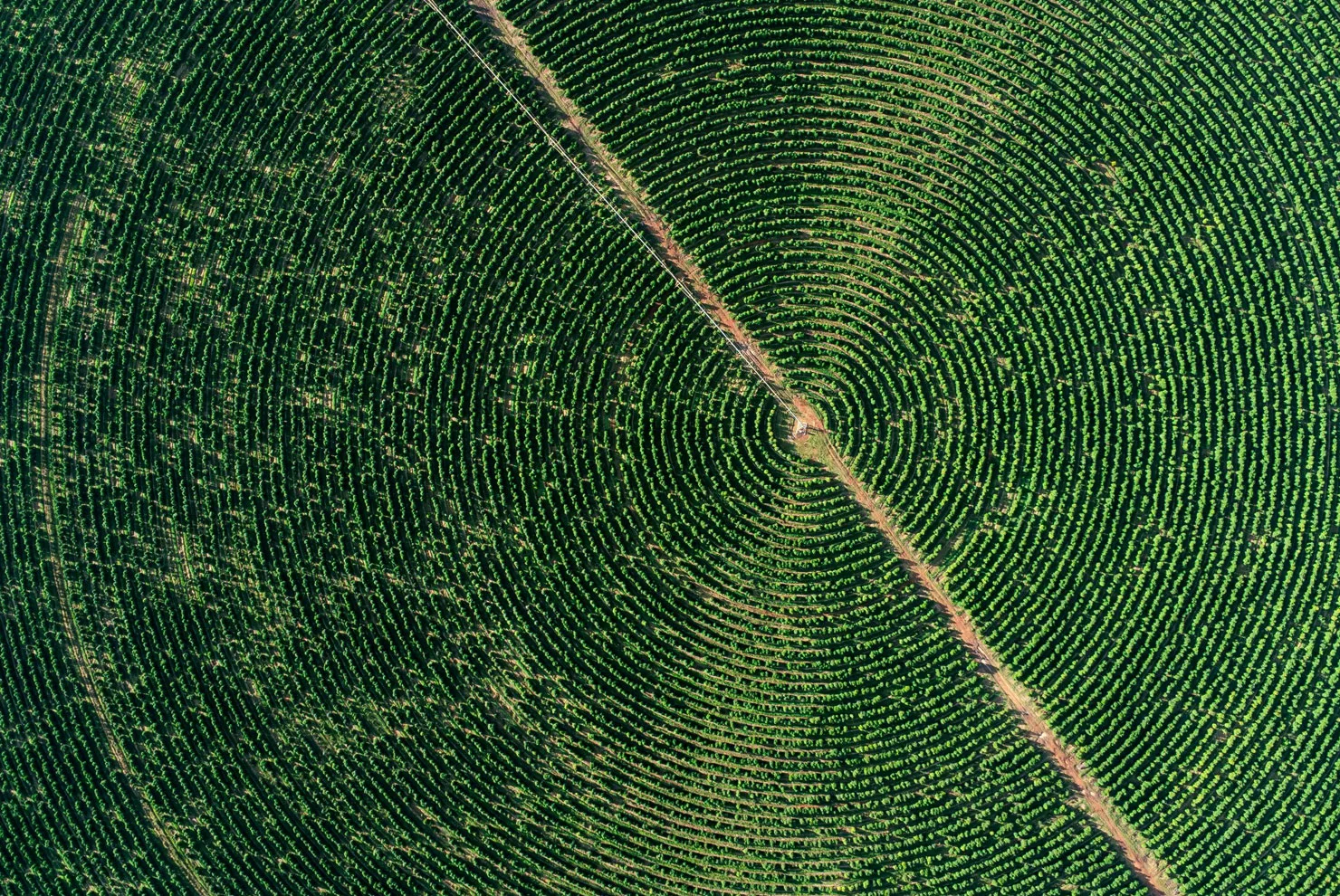
A coalition of the world’s most prominent coffee buyers and traders has officially announced the formation of the Coffee Canopy Partnership, a large-scale technological initiative designed to align the global coffee supply chain with the stringent requirements of the European Union Deforestation Regulation (EUDR). Led by JDE Peet’s, the partnership includes major industry players such as the Louis Dreyfus Company (LDC), Sucden, Neumann Kaffee Gruppe (NKG), Touton, Sucafina, and Tchibo. This collaborative effort represents a significant shift in how the private sector approaches environmental compliance, moving toward a unified digital infrastructure to track and verify the origins of coffee produced in some of the world’s most complex agricultural landscapes.
The initiative arrives at a critical juncture for the coffee industry. The EUDR, which was originally passed in 2022, mandates that products sold within the European Union must be proven to be free from deforestation or forest degradation occurring after December 31, 2020. While the regulation was initially set for more immediate implementation, the European Commission recently proposed a 12-month delay following intense pressure from global trading partners and industry stakeholders. Under the revised timeline, the regulation is scheduled to take effect at the end of 2026 for medium and large enterprises, while small and micro-businesses have until the start of the third quarter of 2027 to achieve compliance. Despite these postponements, the magnitude of the data collection required has spurred the industry into action through the Coffee Canopy Partnership.
The Strategic Necessity of the Coffee Canopy Partnership
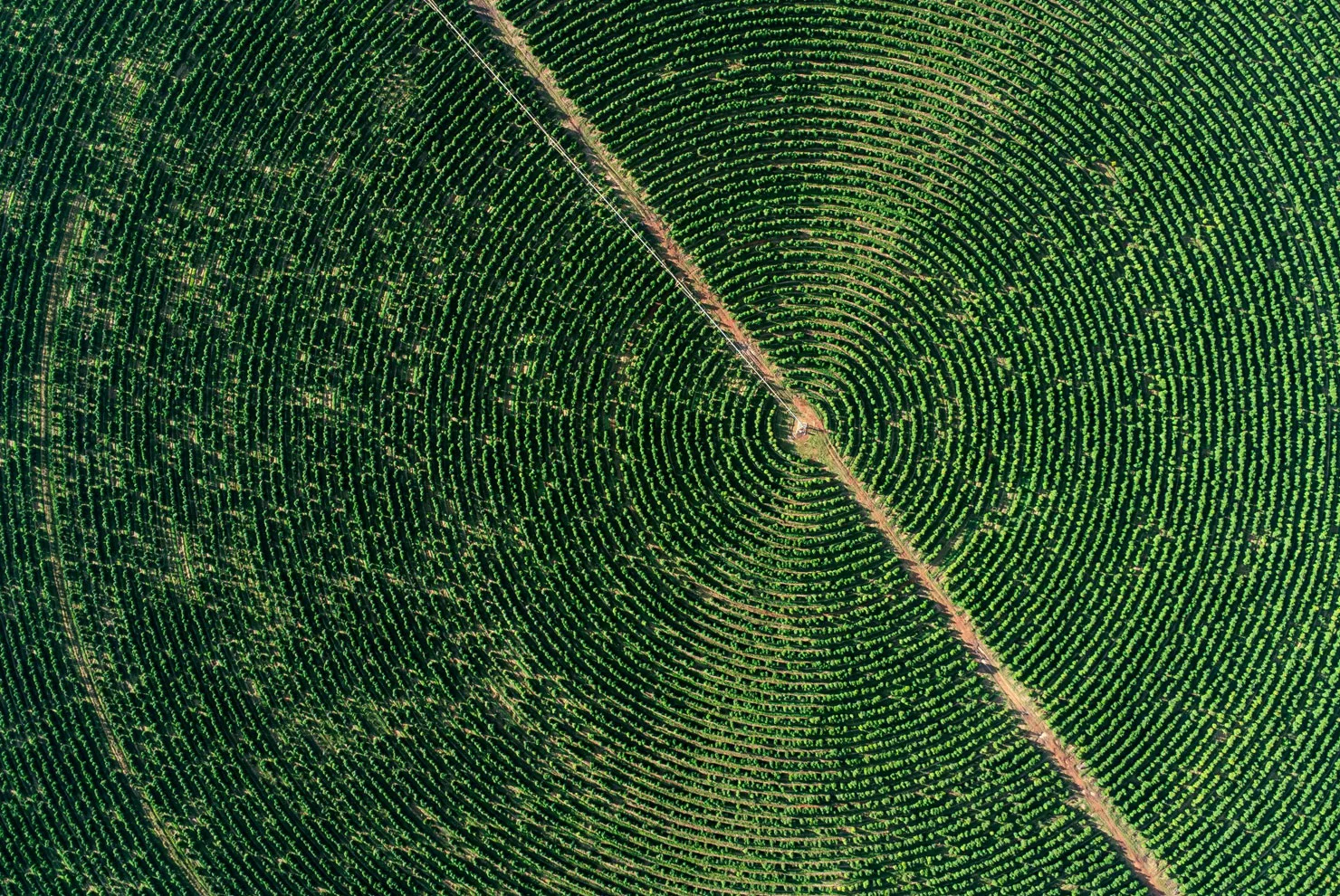
The primary objective of the Coffee Canopy Partnership is to create a high-resolution, global map of coffee production areas. This is not merely a logistical exercise but a legal necessity. The EUDR requires "due diligence" statements for every shipment entering the EU, which must include the precise geolocation coordinates of the plots of land where the coffee was produced. For many smallholder farmers—who produce an estimated 80% of the world’s coffee—this level of data collection is nearly impossible to achieve without external institutional support.
By utilizing advanced satellite technology and artificial intelligence (AI), the partnership aims to identify areas of forest loss and distinguish them from established agricultural land. The initiative seeks to solve one of the most persistent problems in deforestation monitoring: the misclassification of shade-grown coffee. In many regions, particularly in East Africa and Central America, coffee is grown under a canopy of native trees. Standard satellite imagery often struggles to differentiate these sustainable agroforestry systems from natural forests. If a coffee farm is incorrectly classified as a forest in a 2020 baseline map, any coffee produced there would be legally barred from the European market, potentially devastating the livelihoods of thousands of smallholder producers.
Technological Framework and Geographic Scope
The Coffee Canopy Partnership is launching its first phase this month, focusing on East Africa—a region renowned for high-quality Arabica and Robusta but characterized by fragmented, small-scale farming plots. The initial mapping project covers approximately 1.2 million square kilometers across Ethiopia, Tanzania, Kenya, Uganda, Burundi, and Rwanda. These nations are vital to the European coffee market; Ethiopia, for instance, is the world’s fifth-largest coffee producer and a primary source of specialty beans for European roasters.
The technical approach involves a multi-layered verification process:
- High-Resolution Satellite Imaging: Using optical and radar data to penetrate cloud cover and provide a clear view of land-use changes.
- AI-Driven Analysis: Machine learning algorithms are trained to recognize the specific signatures of coffee trees versus indigenous forest flora.
- On-the-Ground Verification: Local teams and cooperatives will verify satellite findings to ensure that "ground truth" matches the digital data.
The project aims to establish a definitive 2020 baseline map, as required by the EUDR, and an updated 2024-2025 map to track any changes in forest cover since the regulation’s cutoff date. The partnership expects to complete the initial East African mapping by June of this year, with the broader goal of a comprehensive global map of all coffee-growing regions by 2027.
A Timeline of Regulatory Challenges
The road to the Coffee Canopy Partnership has been marked by regulatory uncertainty and logistical hurdles. Understanding the timeline of the EUDR is essential to understanding the urgency of this new initiative.
- December 2022: The European Parliament and the Council reach a political agreement on the EUDR, targeting seven commodities: cattle, cocoa, coffee, oil palm, rubber, soya, and wood.
- June 2023: The EUDR officially enters into force, giving large companies 18 months to prepare for compliance.
- Early 2024: Major coffee producers and exporting nations, including Brazil, Indonesia, and various African Union members, express concerns that the law will act as a "green trade barrier," disproportionately affecting smallholders who lack the capital for geolocation technology.
- April 2024: The Coffee Canopy Partnership is formally announced as a proactive private-sector response to bridge the technological gap.
- October 2024: Following calls from EU member states and international partners, the European Commission proposes a 12-month extension to the implementation phase to ensure a "smooth transition" for all stakeholders.
- 2026-2027: The staggered implementation deadlines for large and small businesses take effect.
Economic Implications for Smallholder Farmers
The stakes for the Coffee Canopy Partnership are highest for the smallholder farmers who form the backbone of the industry. In countries like Uganda and Ethiopia, coffee exports account for a significant portion of national foreign exchange earnings. If these farmers are excluded from the EU market—which represents nearly one-third of global coffee consumption—the economic fallout could be catastrophic.
Industry watchdogs have warned that without initiatives like the Coffee Canopy Partnership, large European buyers might simply shift their sourcing to large-scale industrial plantations in countries like Brazil or Vietnam, where land titles are clearer and geolocation is easier to implement. Such a shift would undermine the social and environmental goals of the EUDR by penalizing the very farmers who practice the most biodiversity-friendly forms of agriculture.
By providing the mapping data at scale, the partnership aims to lower the "cost of compliance" for smallholders. If the mapping is integrated into the supply chains of the participating companies (JDE Peet’s, LDC, etc.), the burden of proof is shifted from the individual farmer to the institutional buyer, thereby maintaining market access for vulnerable producers.
Critical Analysis and Industry Responses
While the Coffee Canopy Partnership has been welcomed as a necessary tool for compliance, it has also invited scrutiny regarding the role of major corporations in environmental stewardship. Some analysts point out the historical irony of large-scale coffee buyers leading a deforestation-free initiative. For decades, the global coffee trade has been criticized for price volatility and low farm-gate prices, factors that often force farmers to expand into forested areas to maintain a basic income.
From a journalistic perspective, the initiative can be viewed as both a genuine effort to preserve supply chain integrity and a strategic move to ensure business continuity. Without a reliable mapping system, these companies face massive fines—up to 4% of their annual EU turnover—and potential bans on their products within the Eurozone.
Official statements from the participating companies emphasize a commitment to "restoring landscapes" and "preventing future deforestation." JDE Peet’s has stated that the partnership is an "industry-first" effort to accelerate the transition toward a sustainable sector. However, the success of the project will depend on how transparently the data is shared with local governments and whether it is used to empower farmers or simply to police them.
The Future of Traceability and Global Trade
The Coffee Canopy Partnership represents a broader trend in global trade: the "digitalization of sustainability." As environmental regulations become more stringent, data is becoming as valuable a commodity as the coffee beans themselves. The success of this initiative could serve as a blueprint for other sectors, such as cocoa and palm oil, which face similar challenges under the EUDR.
As the mapping progresses toward its 2027 global completion goal, the industry will likely see an increase in "institutional co-investment," where governments, NGOs, and private companies pool resources to maintain these digital maps. The ultimate test for the Coffee Canopy Partnership will be whether it can truly foster a "deforestation-free" sector without leaving the world’s most vulnerable farmers behind.
In the coming years, the focus will shift from the initial mapping to the ongoing monitoring of these landscapes. With the 2020 baseline established, the coffee industry will enter a new era of accountability, where every cup of coffee sold in Europe carries with it a digital trail of its journey from a specific plot of land to the consumer’s table. The Coffee Canopy Partnership is the first major step in constructing the infrastructure required for that new reality.