Angie Faith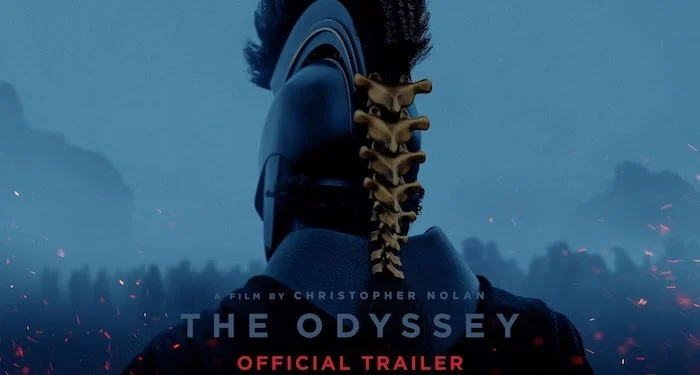
In a significant clarification following public scrutiny, James Daunt, CEO of Barnes & Noble, has issued a detailed statement addressing the bookseller’s position on the sale of Artificial Intelligence (AI)-generated books. Earlier in the week, Daunt’s remarks suggesting he had "no problem" selling such titles ignited considerable debate within the literary community and among consumers. In a subsequent statement published by Publishers Weekly, Daunt sought to delineate the company’s evolving policy.
"Barnes & Noble does not endorse or intentionally sell AI-generated books," Daunt stated, aiming to assuage concerns. "We take active measures to exclude all AI-generated books from our online offerings and never knowingly order any for in-store stock." This declaration represents a pivot from the initial impression, emphasizing a proactive approach to curating their inventory and differentiating between human-authored and machine-generated content.
However, Daunt’s statement also included a caveat that has drawn further attention: the company would consider selling AI-generated books if there were "clear demand," they were transparently labeled as AI-generated, and were released by "reputable publishers." This conditional acceptance has been met with mixed reactions. While acknowledging the potential for market demand, critics argue that the very notion of "reputable publishers" producing AI-generated works requires careful definition in an era where the line between human creativity and algorithmic output is increasingly blurred.
Daunt’s comparison of not stocking AI-generated books to book banning has also been a point of contention. Many in the literary and educational spheres view book banning as a censorship issue rooted in ideological or moral objections to specific content, a distinct concern from the provenance and authenticity of a book’s creation. The current discourse around AI-generated literature centers on intellectual property, authorial intent, and the potential devaluation of human artistry, separate from the historical context of censorship.
The broader market sentiment regarding AI’s role in creative industries suggests a growing consumer apprehension. A recent poll indicated that a majority of voters perceive the risks associated with AI to outweigh its benefits, a sentiment that can translate into significant backlash for companies closely aligning themselves with the technology. For the publishing industry, where the value of human creativity and authorship is paramount, associating with AI-generated content carries a distinct risk of alienating a core customer base that cherishes the unique voice and experience of human authors. The immediate criticism faced by Barnes & Noble underscores the sensitive nature of this issue for readers and writers alike.
Lupita Nyong’o Addresses Racist Backlash Over Helen of Troy Casting
In a candid interview with Elle magazine, Academy Award-winning actress Lupita Nyong’o has addressed the vitriolic racist criticism that has surfaced regarding her casting as Helen of Troy in an upcoming adaptation of Homer’s epic poem, The Odyssey. The controversy gained significant traction following public commentary from figures such as comedian Matt Walsh and tech mogul Elon Musk, who expressed their disapproval of Nyong’o’s casting on social media platform X.
The initial criticisms, characterized by their overtly racist undertones, targeted Nyong’o’s appearance and questioned her suitability for a role historically depicted with European features. Matt Walsh, in a post that has been widely condemned, stated, "Not one person on the planet actually thinks that Lupita Nyong’o is ‘the most beautiful woman in the world.’ But Christopher Nolan knows that he would be called racist if he gave ‘the most beautiful woman’ role to a white woman. Nolan is technically talented but a coward. Too afraid to do anything that even slightly challenges the spirit of the age." Elon Musk’s terse reply, "True," amplified the disparaging remarks.
Nyong’o, however, chose to confront these prejudiced remarks with grace and a focus on the artistic integrity of the project. In her interview with Elle, she articulated her perspective: "Our cast is representative of the world. I’m not spending my time thinking of a defense. The criticism will exist whether I engage with it or not." This statement reflects a mature understanding of the dynamics of public discourse and a refusal to be drawn into unproductive debates fueled by bigotry.
Beyond addressing the controversy, Nyong’o also delved into her approach to embodying Helen of Troy, emphasizing a desire to explore the character beyond her famed beauty. "You can’t perform beauty. I want to know who a character is. What is beyond beauty? What is beyond looks?" she explained. This suggests an intention to portray Helen not merely as an object of desire or a catalyst for war, but as a complex individual with motivations and an inner life that transcend her mythical reputation. This approach aligns with contemporary efforts to bring depth and nuance to classical figures, moving beyond simplistic archetypes.
The notion that Lupita Nyong’o is not among the world’s most beautiful women is demonstrably false and rooted in racial bias. A simple image search for "most beautiful woman in the world" frequently surfaces Nyong’o’s image at the top of search results. Furthermore, her widespread recognition for her striking beauty is underscored by People magazine’s designation of her as its "Most Beautiful Woman," a title she received in 2014, further highlighting the prejudiced nature of the recent criticisms. The backlash against her casting serves as a stark reminder of the persistent challenges faced by actors of color in Hollywood and the ingrained biases that still color perceptions of beauty and casting decisions. The upcoming adaptation of The Odyssey, under the direction of Christopher Nolan, promises to be a significant cultural event, and Nyong’o’s thoughtful engagement with these issues is a testament to her strength and artistic commitment.
Publishers Bid Farewell to the "Colbert Bump" as Stephen Colbert Concludes The Late Show
The conclusion of Stephen Colbert’s tenure as host of The Late Show marks the end of a significant era for authors and the publishing industry, as the phenomenon known as the "Colbert Bump" officially ceases to influence book sales. Over his illustrious career, spanning both The Colbert Report and The Late Show, Colbert has been a consistent and influential champion of literature, interviewing over 100 authors and transforming many of their books into bestsellers.
The "Colbert Bump" referred to the substantial and often immediate surge in book sales that followed an appearance on his shows. Publishers and publicists recognized Colbert’s interviews as a powerful platform, capable of elevating authors and titles from relative obscurity to widespread commercial success. His intellectual curiosity, genuine enthusiasm for reading, and sharp wit made his author segments particularly impactful.
Julia Prosser, Vice President and Director of Publicity at Simon & Schuster, articulated the industry’s sentiment, stating, "The loss of The Late Show is a loss for books. Stephen is a reader and champion of writers! That was clear from the range of authors he spoke with and, most recently, from hosting his own book club. We will miss his intellect, humor, and cultural influence." This sentiment reflects a widespread appreciation for Colbert’s role in fostering a connection between popular culture and literary works. His ability to engage audiences with complex ideas and diverse voices made him an invaluable ally to the publishing world.
Colbert’s impact was not limited to individual author interviews. His personal book club initiative on The Late Show further solidified his commitment to promoting reading and engaging audiences with new literary discoveries. This segment provided a dedicated space for discussion and exploration, deepening the connection between the show and its literary-minded viewers.
As for Stephen Colbert’s own literary endeavors, he is reportedly embarking on a new creative project: co-writing a Lord of the Rings movie with his son. This foray into screenwriting, drawing from a beloved literary universe, suggests a continued passion for storytelling and a desire to engage with narratives in new capacities. The move also hints at a potential for future collaborations that could bridge the gap between television and film, perhaps offering new avenues for literary adaptation and promotion, albeit in a different format. The "Colbert Bump" may be gone, but his legacy as a significant cultural force for literature endures.
Queer Horror Books Ascend for Pride Month 2026
As Pride Month approaches in June 2026, the literary landscape is set to be enriched by a surge of new queer horror titles, offering readers compelling narratives that explore the intersection of LGBTQ+ identity and the genre’s darker themes. This growing subgenre has gained significant traction, providing a platform for diverse voices and experiences within the realm of horror.
Book Riot has highlighted an array of LGBTQ+ horror novels slated for release, signaling a robust and vibrant literary scene. These upcoming works are poised to cater to readers seeking to expand their TBR (To Be Read) lists with stories that are both thrilling and representative. The timing of these releases, coinciding with Pride Month, underscores a deliberate effort to celebrate and amplify queer voices during a period dedicated to LGBTQ+ visibility and advocacy.
The emergence of queer horror as a distinct and celebrated category reflects broader trends in publishing and media, where there is an increasing demand for diverse representation and stories that challenge conventional narratives. Horror, with its capacity to explore societal anxieties, personal fears, and the monstrous, provides a potent medium for examining the unique experiences and challenges faced by members of the LGBTQ+ community. These narratives often delve into themes of otherness, marginalization, and resilience, resonating deeply with both queer readers and allies.
For those eager to immerse themselves in this growing body of work, the early days of June promise immediate access to new releases. The availability of these titles at the commencement of Pride Month allows readers to engage with them throughout the celebratory period, fostering a deeper connection with the stories and their creators. This strategic timing not only capitalizes on heightened awareness during Pride but also ensures that queer horror literature remains a focal point for discussion and appreciation.
To access the full curated list of these anticipated queer horror books, readers are encouraged to sign up for "All Access." This initiative highlights the ongoing commitment to providing comprehensive literary coverage and exclusive content, ensuring that readers can stay informed about the latest trends and essential reads within niche genres like queer horror. The proliferation of such titles signifies a maturing and diversifying literary market, where the spectrum of human experience is increasingly reflected in the stories being told and the genres they inhabit.