
 Ali Ikhwan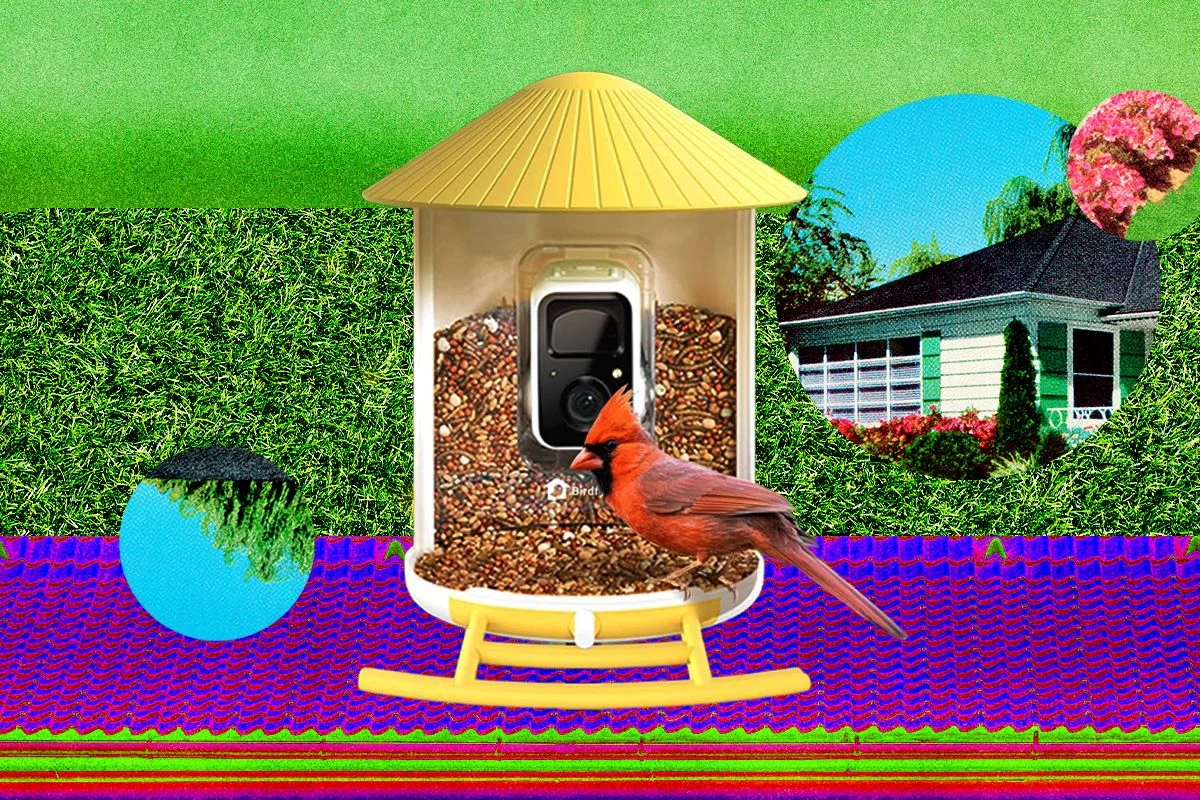
The integration of artificial intelligence and high-definition optical sensors into backyard wildlife observation has transformed birdwatching from a passive hobby into a data-driven, interactive experience. As of early 2026, the market for smart bird feeders has matured significantly, moving beyond simple motion-activated cameras to sophisticated Internet of Things (IoT) devices capable of species identification, health monitoring, and high-fidelity content creation. This evolution addresses a growing consumer demand for "nature-tech"—products that bridge the gap between urban living and the natural world. However, as price points for these devices often exceed $150, consumers and industry analysts alike are scrutinizing the long-term durability, subscription requirements, and technical reliability of these specialized outdoor electronics.
The Evolution of Smart Avian Technology: A 2022–2026 Chronology
The trajectory of the smart bird feeder industry began in earnest around 2022, when companies like Netvue—originally specialized in home security—began adapting motion-sensing camera technology for avian observation. The initial "Birdfy" models were met with mixed reviews, primarily due to inconsistent AI identification and high entry costs. By 2024, the market saw the entry of competitors like Birdbuddy, which focused on "gamifying" the experience through a user-centric app interface, and Camojojo, which prioritized technical specifications such as dual-band Wi-Fi connectivity.
In 2025 and leading into 2026, the industry shifted toward specialized hardware. This period saw the introduction of the first 4K ultra-high-definition feeders and the expansion into smart nesting boxes and hummingbird-specific sensors. The current market landscape is defined by a push for higher resolution, better weatherproofing (IP65 and IP66 ratings), and the integration of solar power as a standard feature rather than a premium add-on.
Comparative Analysis of Market-Leading Models
The 2026 product landscape is dominated by a few key players, each targeting specific segments of the birding community, from the casual hobbyist to the serious amateur ornithologist.
Netvue Birdfy Series: The Value Standard
The Netvue Birdfy Lite remains a foundational product in the category. While its 1080p resolution is no longer the industry ceiling, its 155-degree field of view remains one of the widest available, reducing the frequency of "partial captures" where only a bird’s tail or head is visible. The model has seen significant software iterations; the AI identification accuracy, which was a point of contention in 2022, has been refined through years of machine learning data. Netvue’s strategy in 2026 has focused on aggressive pricing and bundle deals, often including lifetime AI subscriptions to mitigate the "subscription fatigue" prevalent in the IoT sector.
Birdfy Metal 2 4K: The Professional Upgrade
Representing the high-end shift, the Birdfy Metal 2 4K addresses several historical hardware weaknesses. By moving from plastic to a chew-proof metal body, the device offers better protection against rodent damage. Technically, it is one of the few devices to offer 4K video and dual-band Wi-Fi (2.4-GHz and 5.0-GHz). The 2026 iteration also introduced sex-specific identification, allowing users to distinguish between male and female individuals of the same species—a significant step forward for citizen science data collection.
Kiwibit Bird Feeder 2: Design and Ergonomics
The Kiwibit Bird Feeder 2 has distinguished itself through modular engineering. Unlike many competitors that require the entire unit to be dismantled for cleaning or refilling, the Kiwibit features a removable 1.5-liter dual-hopper. This design choice addresses a critical health concern: the spread of avian diseases in poorly maintained feeders. Its 4K video capability and built-in solar roof place it in the premium tier, though it remains restricted to 2.4-GHz Wi-Fi networks.
Birdbuddy: The Ecosystem Approach
Birdbuddy continues to lead in app engagement. Their Pro Smart models, including the specialized hummingbird feeder, utilize a "collection" mechanic similar to digital photography apps, encouraging long-term user retention. The Birdbuddy Pro series utilizes 2K HD video and High Dynamic Range (HDR) sensors to manage the difficult lighting conditions often found in backyard settings.
Technical Infrastructure: The Wi-Fi and Power Dilemma
A significant point of technical friction in the smart feeder industry is the reliance on 2.4-GHz Wi-Fi frequencies. While 5-GHz networks offer faster data transmission, 2.4-GHz waves have superior range and the ability to penetrate solid obstacles like exterior walls and trees. For a device located 30 to 50 feet away from a home router, 2.4-GHz is often the only viable option.

However, the 2.4-GHz band is increasingly crowded with other smart home devices, leading to interference and lag. This has prompted a move toward dual-band connectivity in premium 2026 models. Power management has also seen a standard shift toward integrated solar panels. Early models relied on auxiliary panels connected via cables—a significant vulnerability to squirrels. Modern units, such as the Kiwibit 2 and Birdbuddy Pro, have integrated solar cells into the roof structure, providing a more streamlined and durable power solution.
The Economics of "Nature as a Service" (NaaS)
The shift toward subscription-based models is a defining characteristic of the 2026 smart feeder market. Most manufacturers now offer tiered access:
- Basic Tier: Motion alerts and live streaming.
- Premium Tier ($4–$8/month): AI species identification, extended cloud storage (typically 30–60 days), and the ability to share high-resolution clips.
Critics argue that these recurring costs inflate the total cost of ownership. However, manufacturers maintain that the fees are necessary to fund the cloud computing required for real-time AI processing and the maintenance of global bird species databases. According to market data, approximately 40% of smart feeder owners opt for a subscription within the first six months of purchase, citing the value of automated "digital scrapbooking" and species logging.
Mitigation of Environmental and Biological Challenges
The "squirrel problem" remains the primary hardware challenge for outdoor electronics. Industry experts recommend the "5-7-9" method for feeder placement: at least 5 feet off the ground, 7 feet away from structures, and 9 feet from jump-off points.
Hardware responses to this have varied. Some brands have introduced metal grates to deter larger rodents, though testing indicates these can sometimes hinder smaller birds, such as chickadees or nuthatches, from accessing seed. Others have integrated "siren" features into their apps, allowing users to remotely trigger a sound to scare off squirrels. From a biological standpoint, the use of capsaicin-treated seed has gained popularity, as birds lack the receptors to perceive the heat of chili peppers, while mammals find it unpalatable.
Broader Implications for Ornithology and Citizen Science
Beyond individual enjoyment, the proliferation of smart bird feeders has profound implications for ornithological research. Organizations like the Cornell Lab of Ornithology have increasingly looked toward consumer-generated data to track migration patterns and species frequency.
"The sheer volume of high-resolution, timestamped data coming from backyard feeders is unprecedented," notes a report on citizen science. "We are seeing real-time shifts in bird populations that were previously only detectable through annual counts."
This data-driven approach also raises privacy considerations. Because these devices are essentially outdoor security cameras, manufacturers have had to implement "privacy zones" and AI filters to ensure they do not inadvertently record neighbors or passersby. Most 2026 models now include software that automatically ignores human movement to preserve both battery life and privacy.
Future Outlook: Toward 2030
As we look toward the end of the decade, the smart bird feeder market is expected to integrate further with broader smart home ecosystems. Potential developments include integration with smart garden irrigation systems (to provide water for birds) and more advanced health-monitoring AI that can detect signs of avian flu or other common illnesses, potentially alerting local wildlife authorities to outbreaks in real-time.
The smart bird feeder has evolved from a niche gadget into a sophisticated tool for environmental connection. While technical hurdles regarding connectivity and the ethics of subscription models remain, the 2026 generation of devices offers a level of insight into the natural world that was previously inaccessible to the average homeowner. The transition from plastic, low-resolution sensors to 4K metal-clad intelligent monitors marks the maturation of a hobby that now stands at the intersection of technology, conservation, and digital media.







