
 Ali Ikhwan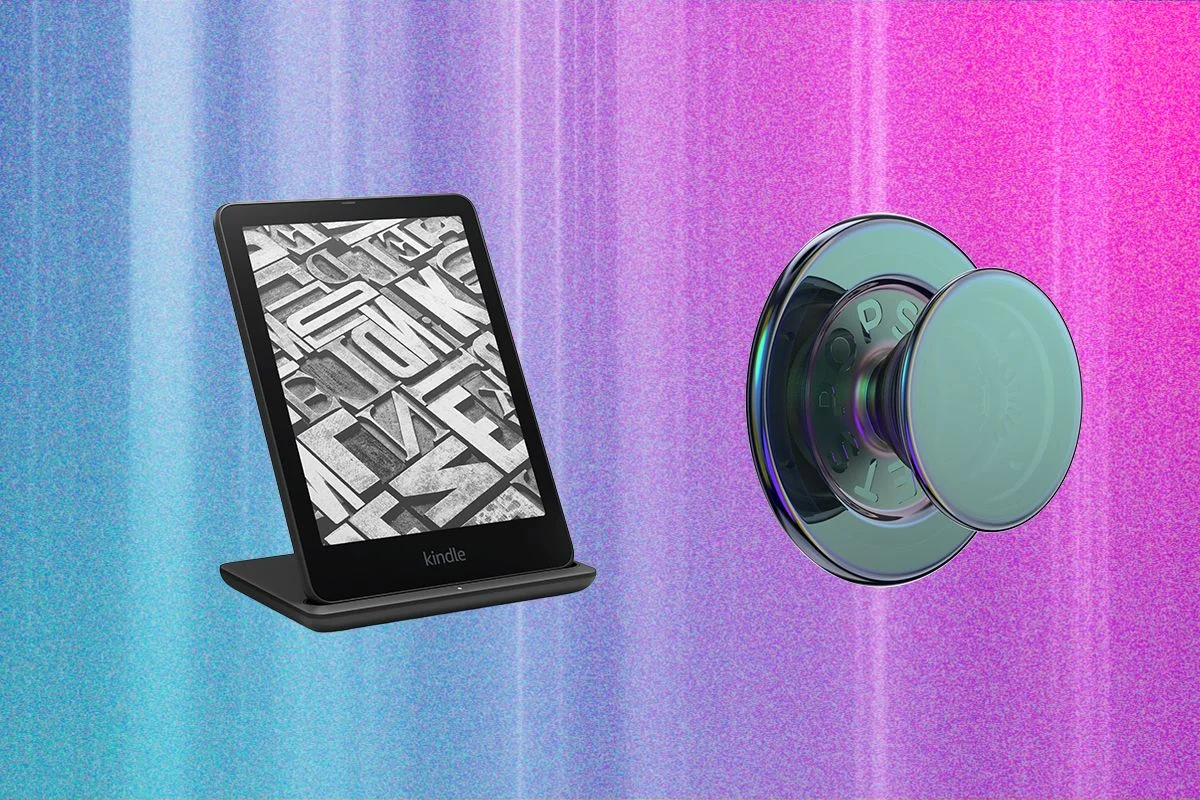
The global e-reader market, dominated by Amazon’s Kindle line, has seen a significant shift from purely functional hardware toward a customizable ecosystem of accessories. As of 2026, the Kindle has evolved from a basic monochromatic screen into a sophisticated suite of devices including the high-performance Paperwhite, the note-taking Scribe, and the newly integrated Colorsoft series. This evolution has birthed a secondary market focused on three primary pillars: protection, ergonomics, and aesthetic personalization. With e-reader ownership reaching record highs among digital-native generations, the demand for peripheral equipment has transformed the reading experience from a solitary activity into a lifestyle statement.
The Evolution of the Kindle Ecosystem: A Chronology of Hardware and Peripherals
The trajectory of Kindle accessories is inextricably linked to the hardware milestones achieved by Amazon over the past two decades. Understanding the current accessory landscape requires a look at the chronological development of the device itself.
- 2007–2011: The Early Era. The original Kindle and Kindle Keyboard were bulky, featuring physical buttons. Accessories were limited to rudimentary "book-style" leather covers.
- 2012–2018: The Touch and Backlight Revolution. With the introduction of the Paperwhite and Voyage, the removal of physical buttons made screen protection paramount. The market saw the first influx of third-party magnetic "smart" covers.
- 2019–2023: Waterproofing and USB-C. The 10th and 11th generation models introduced IPX8 waterproofing and USB-C charging. This era saw the rise of ergonomic grips like PopSockets as devices became thinner and more difficult to hold for extended periods.
- 2024–2026: The Modern Era. The launch of the Kindle Colorsoft and the 12th Generation Paperwhite introduced larger 7-inch displays and wireless charging. The current market now emphasizes "hands-free" reading solutions, such as remote page turners and gooseneck stands, catering to a demographic that prioritizes comfort and accessibility.
Primary Protective Solutions: Cases and Covers
Protection remains the most significant driver of accessory sales. As Kindle screens have grown larger—moving from the standard 6 inches to the current 7-inch and 10.2-inch formats—the surface area vulnerable to scratches and pressure damage has increased.
Reinforced Clear Cases
Third-party manufacturers like CoBak have addressed a specific niche: the "sticker-friendly" clear case. These covers, often made of thermoplastic polyurethane (TPU), feature reinforced corners to absorb shock from drops. Market data suggests that clear cases have overtaken traditional folio covers in popularity among younger demographics, as they allow for the display of decals and "bookish" inserts without permanently altering the device.
Hard-Shell Folios
For users prioritizing screen integrity, hard-shell cases from brands like Fintie remain the industry standard. These cases utilize a rigid polycarbonate back shell combined with a microfiber-lined front cover. The "Auto-Wake/Sleep" functionality, triggered by Hall Effect sensors in the Kindle hardware, is a standard requirement for these accessories, ensuring battery conservation when the device is not in use.
MagSafe Integration
A notable trend in 2025 and 2026 is the adoption of MagSafe-compatible cases for Kindles. Originally a smartphone technology, magnetic rings are now being embedded into Kindle cases by brands like PopSockets and Owkey. This allows readers to snap on magnetic grips or wallets, providing a modular approach to device management that was previously unavailable to e-reader users.
Ergonomic Enhancements: Addressing Reader Fatigue
As digital reading sessions often exceed the hour mark, ergonomics have become a critical focal point for accessory designers. The average Kindle Paperwhite weighs approximately 211 grams; while light, the repetitive stress of gripping a thin slab can lead to hand strain or exacerbate conditions such as carpal tunnel syndrome.
Silicone and Elastic Straps
Flexible hand straps, such as those produced by Strapsicle, offer a non-adhesive solution for secure handling. These straps typically wrap around opposite corners of the device, allowing the user to slide their hand between the strap and the Kindle. This redistribution of weight reduces the need for a tight "pinch grip," which is a leading cause of finger fatigue during long reading sessions.
Advanced Grip Systems
PopSockets continues to dominate the grip market with their "PopGrips." These expandable handles provide a structural pivot point for the hand. With the move toward MagSafe Kindle cases, these grips can now be repositioned or removed entirely to facilitate wireless charging, solving a long-standing conflict between ergonomic attachments and power requirements.
The Rise of Hands-Free Reading and Accessibility
One of the most significant shifts in the 2026 accessory market is the move toward total hands-free operation. This trend is driven by two factors: the "comfort reading" movement and the need for better accessibility for users with limited mobility or chronic pain.
Gooseneck and Pillow Stands
Lamicall and other ergonomic-focused brands have introduced specialized stands that hold the Kindle at eye level. Gooseneck holders, which clamp onto bedframes or desks, allow for reading without the need to support the device’s weight. Similarly, tablet pillow stands have evolved to include features like snack holders and phone slots, positioning the Kindle as the centerpiece of a stationary "reading station."

Remote Page Turners
The remote page turner has emerged as a "must-have" item for the modern Kindle enthusiast. These devices consist of two parts: a physical clip that attaches to the edge of the Kindle screen and a handheld remote. Using infrared or radio frequency technology, the remote triggers a capacitive touch on the screen to turn the page. This allows readers to keep their hands under blankets or in a neutral position while reading.
Industry Note: While highly effective, current models require separate charging for the remote and the clip, representing a minor friction point in the user experience that manufacturers are expected to address in 2027 with integrated charging cases.
Power and Connectivity Solutions
With the 12th Generation Signature Editions of the Paperwhite and Colorsoft, Amazon has leaned heavily into wireless charging capabilities. This has opened the door for high-end charging peripherals.
Wireless Charging Docks
Anker, in collaboration with Amazon, has developed vertical charging docks specifically calibrated for the Kindle’s internal induction coils. These docks serve a dual purpose: they act as a storage stand that keeps the device upright and visible while ensuring the battery remains topped off. For users who read daily, these docks eliminate the "cable clutter" associated with USB-C charging.
Dust Protection and Adornments
A smaller but growing segment of the market involves USB-C dust plugs and charms. Brands like Yoppix offer decorative plugs that prevent lint and debris from entering the charging port—a common issue for users who carry their Kindles in bags or backpacks. These items represent the intersection of functional maintenance and personal expression.
Portability: Bags, Sleeves, and Travel Security
While Kindles are designed for portability, their E-Ink screens are notoriously sensitive to "pressure spots" that can occur when packed tightly in a bag with other items.
Specialized Sling Bags
Amazon and third-party designers have introduced "Kindle Slings"—small crossbody bags designed specifically for the dimensions of a 7-inch to 10-inch e-reader. These bags often feature padded, velvet-lined compartments that isolate the Kindle from keys, pens, and other abrasive objects.
Aesthetic Sleeves
For those who prefer to use their own bags, padded sleeves remain a popular choice. The Quirky Cup Collective and similar boutique brands have found success by offering sleeves with intricate, "mystical" or "literary" designs. These sleeves provide a layer of foam padding that protects against the minor drops and bumps of a daily commute.
Market Analysis and Broader Implications
The expansion of the Kindle accessory market reflects a broader trend in consumer electronics: the "premiumization" of the user experience. According to consumer behavior data from 2025, the average Kindle owner spends approximately 35% of the device’s original purchase price on accessories within the first six months of ownership.
Impact on Device Longevity
Quality accessories, particularly cases and screen protectors, have a measurable impact on the lifespan of e-readers. By mitigating the risks of screen cracking—the most common reason for Kindle replacement—accessories contribute to a more sustainable consumption model.
Social Media and the "Bookish" Aesthetic
Platforms like TikTok and Instagram have played a pivotal role in the accessory boom. The "Kindle-core" aesthetic, characterized by decorated clear cases and color-coordinated page turners, has turned a functional device into a social media prop. This has driven innovation in the "fun" category of accessories, such as custom-printed stickers and high-fashion sleeves, which do not necessarily improve the technology but significantly enhance the user’s emotional connection to the device.
Conclusion
As Amazon continues to refine the Kindle hardware, the accessory market will likely move toward even greater integration. We can expect to see more "smart" accessories that communicate directly with the Kindle OS via Bluetooth, as well as eco-friendly materials becoming the standard for cases and bags. For the modern reader, these accessories are no longer optional add-ons but essential components of a personalized, ergonomic, and protected digital library. Whether through a simple silicone strap or a high-tech wireless charging dock, the right accessories ensure that the focus remains where it belongs: on the book.







