Angie Faith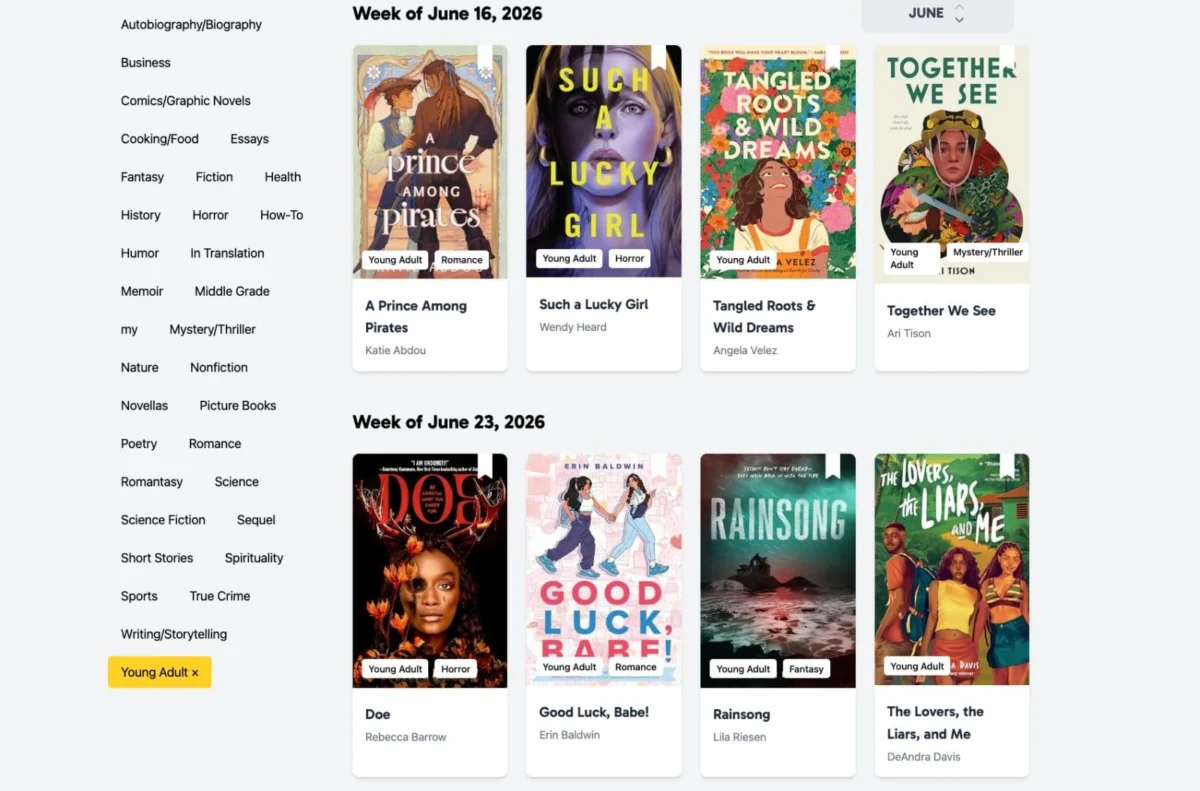
The sheer volume of new young adult (YA) books released each month presents a significant challenge for readers, librarians, educators, and industry professionals alike. With an estimated 30,000 to 40,000 YA titles published annually in the United States alone, discerning the most compelling and relevant selections can feel like an arduous task. This deluge of literature, often amplified by substantial marketing campaigns for a select few titles, can obscure potentially groundbreaking or highly anticipated books that might not command the same level of promotional investment. To combat this information overload and provide a more accessible pathway to discovering upcoming YA literature, Book Riot has introduced its New Release Index, a meticulously curated database designed to streamline the discovery process.
The Challenge of YA Book Discovery
The young adult literary market has experienced explosive growth over the past two decades, evolving from a niche category to a dominant force in the publishing industry. This expansion has been fueled by a diverse readership, including not only teenagers but also a significant adult demographic, often referred to as "adults who read YA." This broad appeal has led to an unprecedented output of new titles across a wide spectrum of genres, from fantasy and science fiction to contemporary realism, romance, and historical fiction.
However, this growth has also created a significant discoverability problem. Readers often rely on bestseller lists, major media reviews, and social media trends to identify new books. While these sources can highlight popular titles, they frequently overlook smaller press releases, debut authors, or books that may not align with prevailing marketing narratives. Librarians, tasked with selecting books for their collections and recommending them to patrons, face immense pressure to stay current. Similarly, educators seeking relevant texts for classroom use must navigate a complex and ever-shifting landscape. The traditional methods of book discovery—browsing physical bookstores, perusing publisher catalogs, or relying on word-of-mouth—have become increasingly insufficient in the face of this prolific output.
Introducing the New Release Index
In response to this persistent challenge, Book Riot, a prominent online publication dedicated to all things books, has developed the New Release Index. This innovative tool aims to serve as a centralized, searchable repository of upcoming book releases, with a particular focus on providing readers with a comprehensive overview of the YA landscape.
The New Release Index is structured as a dynamic database, allowing users to browse books based on their scheduled publication dates. A key feature of the Index is its robust filtering capabilities, enabling users to narrow their search by genre, author, or publisher. This granular control is crucial for individuals seeking specific types of content or looking to explore particular subgenres within YA literature. For instance, a user interested in discovering new fantasy novels with diverse representation can easily filter the Index to display only those titles that meet these criteria.
The interface of the New Release Index is designed for intuitive navigation. Users are presented with a visual display of book covers, offering an immediate aesthetic appeal. Upon encountering a cover that captures their interest, users can click on it to access a detailed book description. This feature provides essential information, including plot summaries, author biographies, and often links to pre-order pages or additional reviews. Furthermore, the Index incorporates a "Watchlist" function, allowing users to save titles they are eager to read. This personalized list serves as a digital bookmark, ensuring that promising books are not lost amidst the constant influx of new publications.
Functionality and User Experience
The operational framework of the New Release Index is built upon a foundation of curated data. Book Riot’s editorial team diligently compiles information on upcoming releases, meticulously organizing it by release date. This chronological organization is vital for readers who wish to stay ahead of the curve and anticipate books scheduled for publication in the coming weeks and months.
A notable example of the Index’s utility is demonstrated in its presentation of young adult books slated for release in May. The accompanying screenshot, illustrating a filtered view of the Index, showcases a diverse array of YA titles. This visual preview underscores the Index’s capacity to present a curated selection, making it easier for users to identify books that align with their reading preferences.
The process for users is straightforward:

- Browse: Scroll through the visually appealing display of book covers.
- Discover: Identify titles that pique curiosity through their artwork or any immediately visible thematic elements.
- Explore: Click on a selected book cover to access a comprehensive description, including plot details, author information, and potential trigger warnings or content advisories.
- Save: Add desired titles to a personal "Watchlist" for future reference and tracking.
This streamlined approach effectively mitigates the need for extensive manual research, catalog reviews, or the creation of personal spreadsheets, which can often become time-consuming and overwhelming.
Data and Analytics in Book Discovery
While the article does not explicitly provide statistical data on the number of books indexed or user engagement metrics, the underlying principle of the New Release Index aligns with broader trends in digital content management and information retrieval. The publishing industry, like many others, is increasingly leveraging data to understand consumer behavior and improve discoverability.
The estimated annual output of YA books, as mentioned, highlights the scale of the problem. A more precise figure, such as the number of YA titles published in a specific recent year, could further contextualize the Index’s necessity. For instance, if data indicated a 15% year-over-year increase in YA releases, it would underscore the growing urgency for sophisticated discovery tools.
The effectiveness of the New Release Index can also be indirectly inferred from the growth of online book communities and platforms dedicated to book discovery, such as Goodreads, StoryGraph, and various book-focused social media channels. The widespread adoption of these platforms suggests a strong consumer demand for organized and accessible book information. The New Release Index aims to fill a specific gap within this ecosystem by focusing on upcoming releases, a critical period for anticipation and planning among avid readers and industry professionals.
Industry Context and Potential Impact
The introduction of the New Release Index by Book Riot occurs within a dynamic and evolving publishing landscape. Publishers are continuously seeking innovative ways to connect their books with readers. For independent publishers and authors with limited marketing budgets, tools that enhance discoverability are particularly invaluable. A platform that can bring attention to their work, irrespective of the scale of their promotional efforts, offers a more equitable playing field.
The implications of such a tool extend beyond individual readers. Librarians can utilize the Index to inform their acquisition strategies, ensuring their collections reflect the breadth of current YA literature and cater to diverse reader interests. Educators can identify relevant and timely texts for curriculum development, enriching classroom discussions and fostering a deeper engagement with contemporary issues and narratives. Booksellers, both online and brick-and-mortar, can leverage the Index to curate displays, plan promotional events, and provide more informed recommendations to their customers.
Furthermore, the New Release Index could potentially influence publishing trends. By providing transparent data on what types of books are garnering interest (as indicated by user Watchlists, though this feature’s data is not publicly shared), it might offer subtle insights into reader demand. While Book Riot maintains an objective editorial stance, the collective behavior of users interacting with the Index could indirectly signal emerging tastes and preferences within the YA market. This, in turn, could inform editorial decisions and marketing strategies across the industry.
Future Development and Broader Applications
The current iteration of the New Release Index focuses on YA literature, a testament to the genre’s significant readership and prolific output. However, the underlying framework of a curated, searchable database of upcoming releases has broad applicability across all literary genres. Future expansions could see the Index encompassing adult fiction and non-fiction, children’s literature, and even other media such as graphic novels and audiobooks.
The potential for enhanced data analysis and user interaction is also significant. Imagine features that allow users to not only save books but also rate them upon release, share their Watchlists with friends, or receive personalized recommendations based on their saved titles. Integration with library catalog systems or online bookseller platforms could further streamline the path from discovery to acquisition.
In conclusion, the New Release Index represents a pragmatic and valuable solution to the increasingly complex challenge of navigating the vast and ever-expanding world of new book releases, particularly within the vibrant young adult literature sector. By offering a curated, searchable, and user-friendly platform, Book Riot is empowering readers, librarians, educators, and industry professionals to discover and engage with the most compelling upcoming titles, ensuring that deserving books find their audience amidst the ongoing flood of new publications.