Muhammad Hendra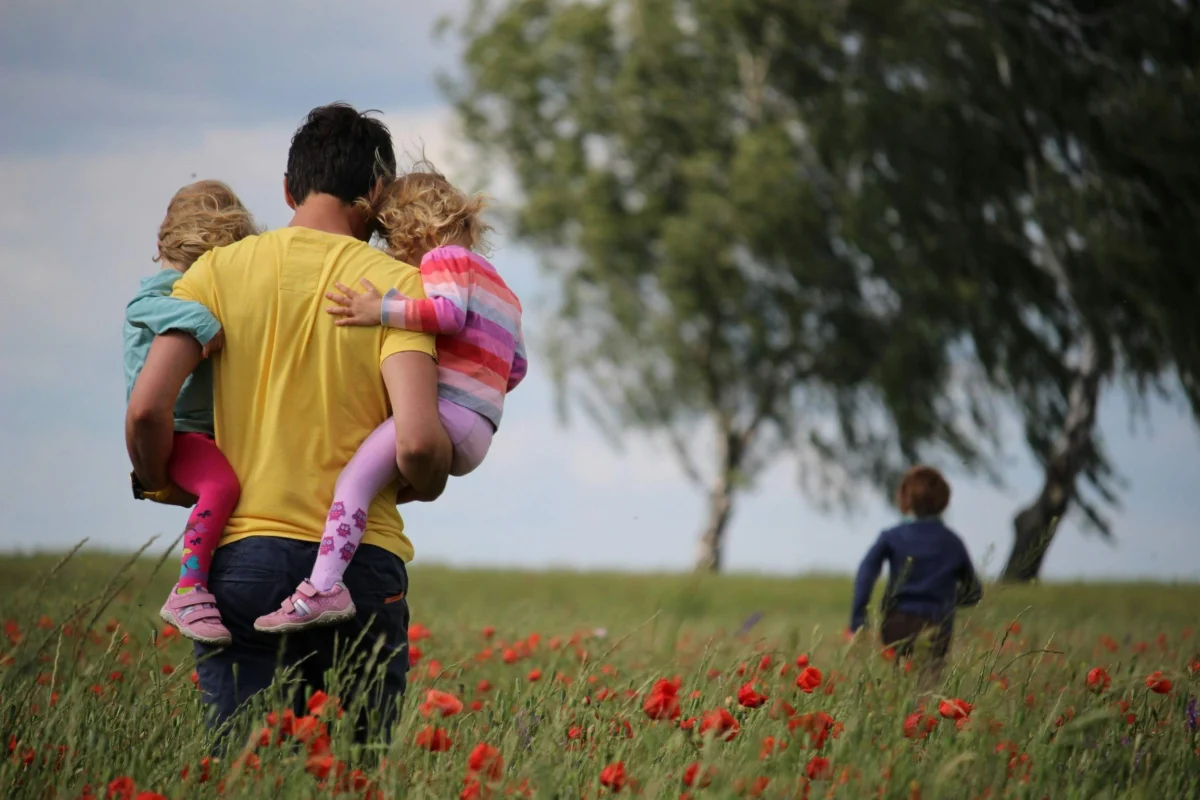
The scene on a recent Mother’s Day at a local garden center offered a poignant glimpse into the evolving landscape of caregiving and leisure. Amidst vibrant blooms and lush foliage, a mother, radiating joy, shared with her children how the garden was her "happy place." Her enthusiasm was infectious, prompting the children to eagerly explore, pointing out favorite flowers and asking to bring a plant home. This tableau, replicated in various forms throughout the bustling nursery, underscored a prevalent cultural norm: Mother’s Day, for many, is a celebration intrinsically linked to nurturing, growth, and the quiet satisfaction of tending to living things. It prompted an immediate question: Would Father’s Day, just weeks later, evoke a similar atmosphere of engaged, hands-on care and shared delight in cultivation? The hope, and indeed the growing societal imperative, is that it would.
The observation at the garden center serves as a microcosm for a broader societal conversation about the nature of care work, the deeply rewarding yet often challenging aspects of parenthood, and the imperative to acknowledge and support fathers in their essential caregiving roles. Historically, discussions around nurturing, patience, and sustained effort in raising children have been predominantly framed through the lens of maternal experience. However, a wealth of emerging research and shifting cultural norms are increasingly highlighting the profound and multifaceted involvement of fathers in caregiving, and how activities like gardening can offer a unique pathway to both personal well-being and a deeper embodiment of this crucial role.
The Intrinsic Connection Between Gardening and Care Work
Gardening, at its core, is a profound metaphor for care work. Anyone who has dedicated an afternoon to weeding knows it can be a demanding, sometimes thankless task. The journey from a fragile seed to its fullest expression as a robust plant demands an intricate blend of patience, unwavering consistency, resilience in the face of unpredictable elements, hope for future growth, and an undeniable measure of good fortune. This mirrors the essence of parenthood, where immediate gratification is often secondary to long-term investment and sustained effort.
Parents frequently articulate that the experience of raising children encompasses more "joy-fun" than "fun-fun." This adage speaks to the deep, intrinsic rewards and profound fulfillment derived from nurturing a child, even when the daily tasks are arduous or lack instant pleasure. The parallel in the garden is striking: a fig tree seedling does not immediately bear fruit, and an asparagus plant requires a commitment of three years to root and mature before it yields its first harvest. These processes require a forward-thinking perspective, an understanding that significant rewards are often the culmination of persistent, dedicated care over time.
Crucially, in both nature and parenthood, moments of awe and beauty proliferate throughout the process, rather than being confined to a predetermined end point. The unfolding of a new leaf, the first delicate bloom, the steady growth of a sapling—these incremental miracles evoke a sense of wonder akin to witnessing a child’s first steps, a dimpled smile, or the profound moment of birth. Research consistently shows that practices cultivating experiences of awe and an appreciation of beauty positively impact overall well-being. When individuals are asked about their most recent experience of awe, responses often include natural phenomena like a shooting star or a rainbow, or pivotal moments with a child. This suggests that the capacity for awe is not only deeply human but is also frequently activated by the very acts of engaging with nature and nurturing life. Like any mental muscle, our ability to perceive and appreciate these moments can be trained, often simply by stepping outside and allowing ourselves to observe the world around us with intentionality.
Tangible Benefits: How Green Spaces Foster Well-being
Beyond the philosophical parallels, scientific studies have unequivocally demonstrated the tangible positive impact of gardening and exposure to green spaces on health and well-being. Simply spending time in natural environments has been shown to measurably reduce stress levels. A 2017 study published in Landscape and Urban Planning highlighted that even short exposures to natural environments can significantly lower physiological stress indicators.
Time spent in nature allows our brains to engage in what is known as "soft fascination"—a diffuse attentional state where the brain, freed from immediate, demanding tasks, can experience relaxation, forge new neural connections, and restore depleted attention. This is why many individuals report finding solutions to previously intractable problems during a walk in the park, or returning to their desks feeling refreshed and in a significantly better mood after a break outdoors. Parenting is notoriously demanding of cognitive resources, particularly attention. In an era marked by increasing parental stress and the escalating demands of modern parenting, identifying sustainable and accessible practices for stress management is more pressing than ever. Gardens offer a readily available, built-in salve, providing an accessible refuge for mental restoration.
Furthermore, while gardening can certainly be a quiet, restorative individual activity, it also fosters robust communities. The proliferation of Community Supported Agriculture (CSAs), urban gardens, plant shares, and seed libraries across the globe attests to gardening’s capacity to feed the social brain. Leisure activities that cultivate social connection have been shown to have a particular impact on happiness, embodying the "fun-fun" aspect that complements the "joy-fun" of care work. For parents, having a strong social network is a critical protective factor for overall health and resilience, buffering against the stresses inherent in raising children. Gardening communities, therefore, provide not just a connection to nature but also a vital network of human support and shared experience.
Dads as Essential Caregivers: A Shifting Narrative
What truly differentiates gardening from other forms of engagement with nature, however, is its inherent nature as an investment in something that requires consistent nurturing. It demands a serious commitment to care for a living thing, reflecting profound aspects of human character: the desire to cultivate beauty, the capacity for patience, gentleness, and tenderness. These qualities, historically and often reductively, have been associated more with mothers. It is precisely this representation of care—who desires it, who gets to provide it, and who needs to provide it—that makes gardening a particularly poignant activity for fathers.
For decades, there has been a notable gap in research concerning fathers’ experiences of parenthood, a void that new interdisciplinary studies are rapidly filling. Darcy Saxbe’s seminal work, Dad Brain, for example, brings together insights from neuroscience and psychology to reveal how all individuals, regardless of biological sex, are predisposed for caretaking. Her research highlights that neural circuitry activated by the act of caretaking is not solely reliant upon experiences of pregnancy and birth. This groundbreaking perspective challenges long-held assumptions about the biological basis of caregiving.
Indeed, studies now show that fathers who act as primary caregivers experience many of the physiological brain changes previously associated exclusively with biological mothers. These include measurable changes in grey matter volume and restructuring of emotional processing centers of the brain. This neuroplasticity underscores that caregiving is a learned and embodied experience that fundamentally reshapes the brain, irrespective of the caregiver’s biological sex or direct experience of gestation.
The benefits for fathers engaging in caregiving are substantial. The majority of fathers report deriving significant meaning and feelings of purpose from parenthood. This profound sense of fulfillment contributes to overall life satisfaction and mental well-being. However, the emerging research also reveals an interesting—and perhaps unsurprising—corollary: dads who act as primary caregivers appear to be more vulnerable to the mental health challenges associated with modern parenthood. This highlights a critical need for robust support systems and accessible tools and practices that promote well-being for all parents, regardless of gender. Gardening, with its documented benefits for well-being, quality of life, and overall health, presents itself as one such invaluable tool. To meaningfully encourage this engagement, society must first acknowledge, and then actively celebrate, fathers’ inherent capacity to nurture, shepherd, and cultivate.
Father’s Day: A Catalyst for Cultural Re-evaluation
Father’s Day, though just one day a year, holds significant cultural weight. Holidays are powerful vehicles for reinforcing cultural norms and values. Father’s Day traditions, therefore, provide a mirror for the cultural messaging surrounding a father’s role, needs, and desires, as well as the activities and resources deemed appropriate or available to them. If society pauses to truly consider the values it wishes to cultivate in parents and for children, it becomes clear how an activity like gardening can offer fathers not only profound psychological and health benefits but also reinforce their essential role within complex networks of care.
The conversation is not about dictating a single "right" way to celebrate Father’s Day; there are infinite ways to honor fathers meaningfully. Rather, it is about expanding the cultural imagination around fatherhood. When society takes a father’s role as a caregiver seriously, it achieves multiple vital objectives. Firstly, it bolsters support systems for children, ensuring they benefit from the engaged, nurturing presence of both parents. Secondly, it more effectively honors the inherent challenges and immeasurable benefits of care work in general, elevating its societal value.
By intentionally including fathers in rituals, communities, and activities that have historically been predominantly associated with mothers—by inviting them into the garden, so to speak—society can extend its understanding of who desires, deserves, and has a fundamental duty to care for living things. This shift is not merely about gender equality; it is about enriching the lives of fathers, strengthening families, and fostering a more holistic appreciation for the essential, universal act of care.
Mindful Gardening Practices for Fathers and Families
To facilitate this integration, specific mindful gardening practices can be encouraged for fathers and families, transforming gardening into a deliberate act of well-being and connection:
- Start Small and Simple: Begin with easy-to-grow plants like herbs, succulents, or quick-yielding vegetables (radishes, lettuce). This builds confidence and provides early successes, reinforcing the positive feedback loop of care.
- Sensory Engagement: Encourage fathers and children to fully engage their senses. Feel the soil, smell the damp earth and fragrant herbs, observe the intricate patterns of leaves, listen to the buzzing of pollinators. This fosters "soft fascination" and deepens the connection to nature.
- Process Over Product: Shift the focus from a perfect harvest to the joy of the journey. Celebrate the small victories: a new sprout, a budding flower, a thriving leaf. This mirrors the "joy-fun" of parenting, where the growth itself is the reward.
- Shared Responsibility: Assign age-appropriate tasks to children, allowing them to take ownership. Fathers can model patience and problem-solving, teaching children about the interconnectedness of life and the rewards of sustained effort.
- Dedicated "Garden Time": Schedule regular, uninterrupted time in the garden, even if it’s just 15-30 minutes. Treat it as a sacred time for family connection, observation, and quiet reflection, separate from other demands.
- Observation and Journaling: Encourage keeping a simple garden journal. Documenting plant growth, observations about insects, or even sketching can enhance mindfulness, foster a deeper understanding of natural cycles, and create a shared family record.
- Community Connection: Explore local community gardens, plant swaps, or seed libraries. Engaging with other gardeners provides social support, opportunities for learning, and reinforces the communal aspect of care.
- Mindful Harvest and Gratitude: When harvesting, take a moment to appreciate the fruits of labor. This practice of gratitude for nature’s bounty and the effort invested reinforces positive emotions and mindful consumption.
- Embrace Imperfection: Understand that not every plant will thrive, and setbacks are part of the process. This teaches resilience and acceptance, valuable lessons applicable to both gardening and life’s broader challenges.
- Reflect on the Metaphors: Regularly discuss how gardening mirrors life and caregiving—the need for patience, the impact of consistent attention, the beauty in growth, and the acceptance of natural cycles. This intentional reflection helps fathers internalize the caregiving lessons of the garden.
By embracing these practices, fathers can discover in gardening not just a hobby, but a powerful avenue for personal growth, stress reduction, family bonding, and a profound expression of their essential role as caregivers in the modern world.