Muhammad Hendra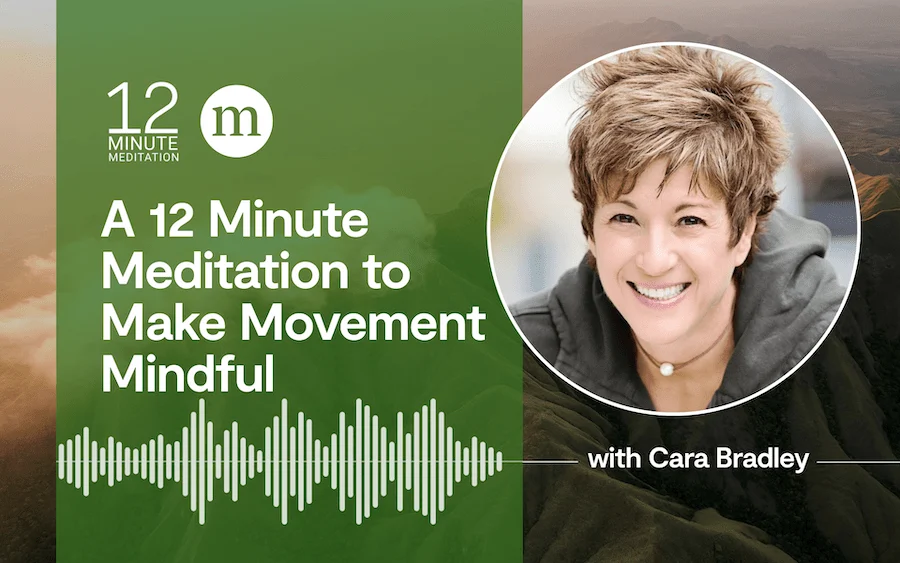
Our bodies come in all varieties, and we all have different interests, skills, and abilities. But as today’s wellness teacher Cara Bradley observes, movement of any kind—from the slightest glance to the most intense exercise—can be mindful. This simple yet profound meditation helps individuals celebrate their physicality, fostering practices to connect with breath and body, expand awareness, and appreciate the intrinsic gift of being alive. In an era marked by unprecedented levels of stress and digital distraction, the integration of mindfulness into physical activity offers a potent pathway to enhanced mental and physical well-being.
The Core Principle: Mindfulness in Motion
At its heart, mindful movement is the practice of bringing complete, non-judgmental awareness to the sensations and experiences of the body during physical activity. It shifts the focus from external goals, such as burning calories or achieving a specific pose, to the internal landscape of the present moment. Cara Bradley’s insights underscore that this isn’t limited to traditional meditative practices like yoga or tai chi; it encompasses the entire spectrum of human motion. Whether it’s the subtle shift of one’s gaze, the act of walking, or engaging in strenuous athletic training, the invitation is to observe, feel, and connect with the body’s wisdom. This approach stands in contrast to the often-distracted, performance-driven paradigms that dominate modern fitness culture, offering a gentle yet powerful alternative for fostering a deeper relationship with oneself.
A Brief History and Evolution of Mindfulness
While the concept of mindful movement has gained significant traction in contemporary wellness discourse, its roots are ancient, tracing back thousands of years to Eastern philosophical and spiritual traditions, particularly Buddhism. Practices like vipassana (insight meditation) and samatha (calm-abiding meditation) emphasized present-moment awareness, often incorporating walking meditation as a core component. The integration of breath with movement, a hallmark of practices like Tai Chi and Qigong, also reflects this deep historical understanding of the mind-body connection. These disciplines were not merely physical exercises but holistic practices designed to cultivate inner peace, mental clarity, and spiritual insight.
The modern Western adaptation of mindfulness largely began in the late 1970s with Dr. Jon Kabat-Zinn, who founded the Mindfulness-Based Stress Reduction (MBSR) program at the University of Massachusetts Medical School. Kabat-Zinn deliberately secularized mindfulness, extracting it from its religious context to make it accessible to a broader audience, particularly within healthcare settings. MBSR programs typically include formal meditation practices, body scans, and gentle yoga—all forms of mindful movement—to help participants cope with chronic pain, stress, and illness. This pivotal development marked a significant shift, bringing mindfulness from the fringes of alternative medicine into mainstream scientific and clinical research.
Over the subsequent decades, mindfulness has permeated various sectors, including psychology, education, corporate wellness, and sports performance. This chronology highlights a gradual but accelerating acceptance, moving from ancient wisdom, through clinical validation, to widespread application in daily life.
The Scientific Underpinnings: Brain, Body, and Breath
The effectiveness of mindful movement is increasingly substantiated by robust scientific research. Neuroimaging studies, for instance, have shown that mindfulness practices can lead to measurable changes in brain structure and function. Regular practitioners often exhibit increased gray matter density in regions associated with attention, self-awareness, and emotional regulation, such as the prefrontal cortex and insula. Conversely, there’s often a decrease in activity and volume in the amygdala, the brain’s fear center, suggesting an enhanced capacity to manage stress and anxiety.
Physiologically, mindful movement directly impacts the autonomic nervous system. By consciously connecting with the breath and bodily sensations, individuals can activate the parasympathetic nervous system, responsible for the "rest and digest" response. This counteracts the "fight or flight" response triggered by chronic stress, leading to a reduction in stress hormones like cortisol. Research indicates that mindful practices can improve heart rate variability (HRV), a key indicator of cardiovascular health and resilience to stress. A 2018 meta-analysis published in JAMA Internal Medicine found that mindfulness meditation programs showed moderate evidence of improving anxiety and depression symptoms, alongside reducing pain.
Furthermore, integrating breath awareness into movement enhances oxygenation and promotes a deeper connection to the body’s internal rhythms. This interoceptive awareness—the ability to perceive internal bodily states—is crucial for self-regulation, emotional intelligence, and even decision-making. By tuning into the subtle cues of the body, individuals can better understand their physical and emotional needs, fostering a more intuitive and responsive approach to self-care.
Expert Perspectives on Mindful Movement
Leading figures in psychology, medicine, and sports performance consistently advocate for the integration of mindful movement. Dr. Kelly McGonigal, a health psychologist and lecturer at Stanford University, frequently emphasizes the psychological benefits of movement, aligning with the concept of mindful exercise as a way to cultivate joy and resilience. "Movement is a powerful way to connect with the body’s innate wisdom," she states in her work, "and when done mindfully, it becomes a practice of self-compassion and presence."
Similarly, neuroscientists like Dr. Richard Davidson from the University of Wisconsin-Madison, renowned for his research on emotion and the brain, highlight how mindfulness can reshape neural pathways. "The brain is incredibly plastic," Davidson notes, "and practices like mindful movement can literally rewire circuits associated with well-being, attention, and emotional regulation."
From a physical therapy perspective, many practitioners are incorporating mindful awareness into rehabilitation programs. "Patients who engage mindfully with their recovery process often report better pain management and a stronger sense of agency over their healing," explains Dr. Sarah Jenkins, a physical therapist specializing in chronic pain. "It’s about teaching them to listen to their body’s signals rather than fighting against them."
This confluence of expert opinions underscores a consensus: mindful movement is not merely a trend but a scientifically validated approach to holistic health, offering tangible benefits across a spectrum of human experiences.
The Broad Spectrum of Mindful Movement
Cara Bradley’s observation that mindful movement spans "from the slightest glance to the most intense exercise" is critical to understanding its universal applicability. This expansive definition dismantles the misconception that mindfulness is only for sedentary meditation or specific practices like yoga.
Micro-Movements: Even the most subtle bodily actions can be imbued with mindfulness.
- Mindful Gaze: Noticing where your eyes rest, the tension around them, and the gentle shift of focus from one object to another. This can reduce eye strain and promote visual clarity.
- Breath Awareness: Paying attention to the rise and fall of the chest or abdomen, the temperature of the air entering and leaving the nostrils. This is a foundational practice that can be done anytime, anywhere.
- Postural Shifts: Noticing the subtle adjustments your body makes while sitting, standing, or shifting weight. Are you slouching? Is there tension in your shoulders? Gently correcting posture with awareness.
Moderate Movements: Everyday activities provide ample opportunities for mindful engagement.
- Mindful Walking: Feeling the contact of your feet with the ground, the swing of your arms, the rhythm of your breath. This transforms a mundane commute into a moving meditation.
- Stretching: Paying attention to the sensation of lengthening muscles, the points of tension, and the body’s limits without forcing.
- Household Chores: Washing dishes, sweeping, or gardening can become meditative practices when attention is fully brought to the tactile sensations, sounds, and movements involved.
Intense Exercise: Even high-intensity activities can be mindful.
- Running/Cycling: Focusing on the rhythm of your strides or pedal strokes, the feeling of your muscles working, the coordinated movement of your limbs, and your breath. This can enhance performance, reduce injury risk, and create a "flow state."
- Weightlifting: Bringing awareness to each muscle contraction, the stability of the core, and the precise form of each lift. This fosters a deeper connection to strength and prevents mindless exertion.
- Dancing: Immersing oneself in the music and the freedom of movement, allowing the body to express itself without judgment.
The common thread across all these activities is the intention to bring full attention to the present moment experience, cultivating a non-judgmental awareness of physical sensations, emotions, and thoughts as they arise and pass.
Broader Impact and Societal Implications
The widespread adoption of mindful movement practices holds significant implications for individual well-being and public health. In a world grappling with epidemics of anxiety, depression, and chronic stress, accessible tools for self-regulation are more critical than ever.
Mental Health: By offering a concrete strategy to manage stress, improve emotional regulation, and foster self-compassion, mindful movement can serve as a preventative and therapeutic intervention for various mental health challenges. Reduced rates of burnout in workplaces and improved focus in educational settings are observable benefits.
Physical Health: Beyond the direct physiological benefits, mindful movement can encourage a healthier relationship with one’s body, moving away from punitive exercise regimes towards a more compassionate and sustainable approach. This can lead to greater consistency in physical activity, improved body image, and better long-term health outcomes, potentially reducing the burden on healthcare systems.
Community and Connection: When individuals are more grounded and present, they are often more empathetic and engaged in their communities. Mindful movement, particularly in group settings like mindful walks or community yoga, can foster a sense of shared experience and connection, contributing to stronger social fabrics.
Economic Benefits: A healthier, more resilient workforce is a more productive workforce. Companies that invest in mindfulness programs often report decreased absenteeism, improved employee satisfaction, and enhanced creativity and problem-solving skills. The economic ripple effect of a healthier population, from reduced healthcare costs to increased productivity, is substantial.
Integrating Mindful Movement into Daily Life
The beauty of mindful movement lies in its adaptability. It doesn’t require specialized equipment, expensive classes, or large blocks of time. It’s a mindset that can be woven into the fabric of daily life. Starting small is key. Dedicate a few minutes each day to a simple mindful practice:
- Before getting out of bed, spend a minute noticing your breath.
- While brushing your teeth, feel the brush against your gums, the taste of the toothpaste.
- During your morning coffee, savor the warmth of the mug, the aroma, the taste.
- Walking from your car to your office, feel your feet on the ground, the air on your skin.
These micro-practices build the "muscle" of mindfulness, making it easier to integrate into more extended periods of exercise or daily tasks. Consistency, not intensity, is the hallmark of effective mindful practice.
Conclusion
Cara Bradley’s observation about the universal potential for mindful movement serves as a powerful reminder that well-being is not a destination but an ongoing practice. From the subtle twitch of an eyelid to the vigorous exertion of an athlete, every movement is an opportunity to connect with the breath, expand awareness, and appreciate the profound gift of being alive. Backed by ancient wisdom and validated by modern science, mindful movement offers an accessible, inclusive, and potent pathway to cultivating greater physical health, mental clarity, and emotional resilience in a perpetually moving world. As individuals increasingly seek holistic approaches to health, the integration of mindfulness into the rhythm of daily life stands out as a fundamental practice for celebrating our diverse physicalities and enhancing our collective well-being.