Angie Faith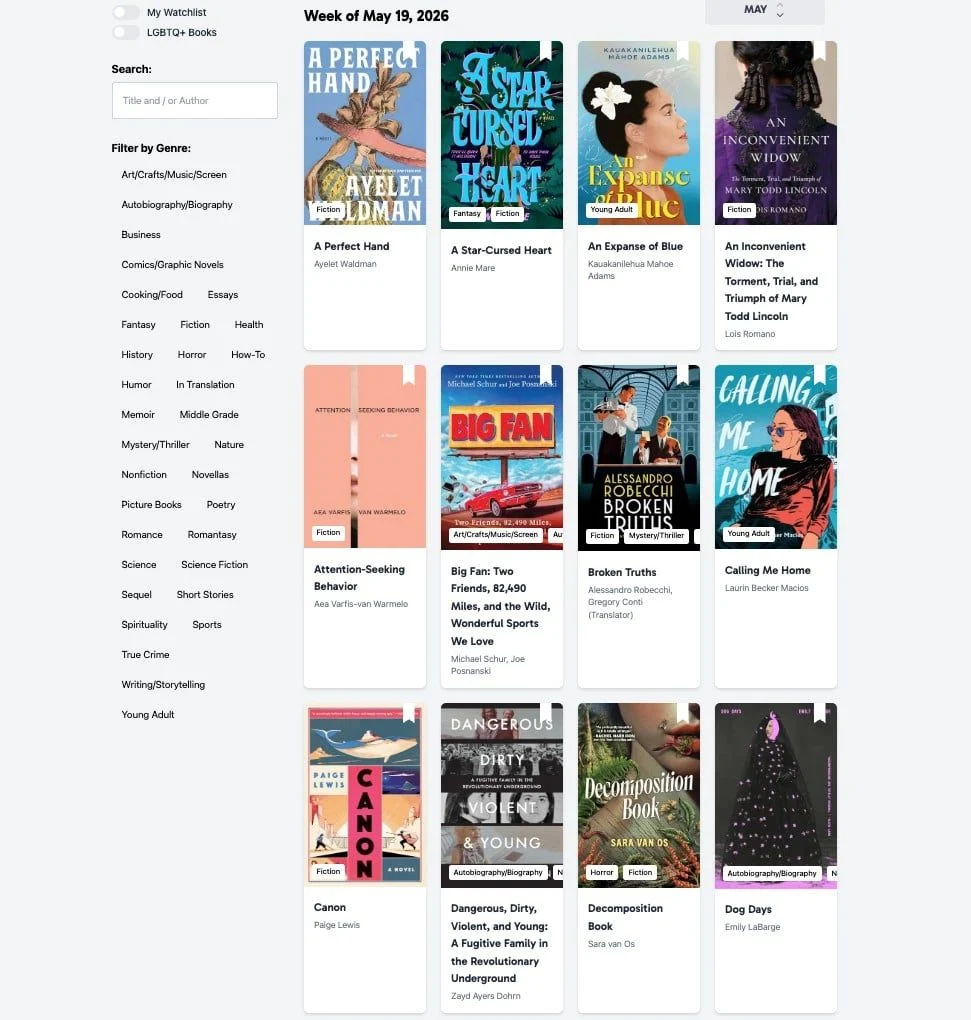
The relentless cadence of new book releases presents a persistent challenge for avid readers, librarians, and publishing professionals alike. Each month, thousands of titles emerge, vying for attention within an increasingly saturated market. This deluge, while a testament to the vibrant and dynamic nature of the literary world, often leads to promising books being overlooked, particularly those lacking substantial marketing budgets. For individuals seeking to stay abreast of burgeoning literary trends without dedicating an unsustainable amount of time to manual research, a new tool has emerged: the New Release Index.
Developed and curated by Book Riot, a prominent online literary publication, the New Release Index aims to provide a structured and accessible platform for discovering upcoming literary works. The index functions as a comprehensive database, meticulously organized by publication date and offering robust filtering capabilities by genre. This innovative approach addresses a critical bottleneck in the reader’s journey, transforming the often-overwhelming task of book discovery into a manageable and engaging experience.
The Genesis of the New Release Index: Addressing a Market Gap
The proliferation of publishing houses and independent authors has, in recent years, dramatically increased the sheer volume of books published annually. Industry reports indicate a consistent upward trend in new title registrations. For instance, data from the International Publishers Association (IPA) suggests that the global book market releases an estimated 2.5 million new titles each year, a figure that has seen steady growth over the past decade. This growth, while positive for literary diversity, creates significant discoverability challenges.
Historically, readers have relied on a variety of methods to keep track of new releases. These include subscribing to publisher newsletters, following literary critics and reviewers, engaging with online book communities, and perusing bookstore displays. However, these methods are often fragmented and can be time-consuming. The "publishers’ marketplace," as it were, is heavily influenced by marketing spend, meaning that books with larger promotional budgets are more likely to gain visibility, irrespective of their critical merit or potential readership. This disparity can lead to a situation where exceptional works from smaller presses or debut authors struggle to reach their intended audience.
Recognizing this inherent challenge, Book Riot, with its established expertise in literary commentary and community engagement, conceived the New Release Index as a solution. The platform is designed to democratize book discovery, providing a centralized and unbiased resource. Its underlying principle is to empower readers by offering them direct access to information, allowing them to make informed choices based on their personal preferences rather than solely on marketing visibility.
Functionality and User Experience: A Streamlined Discovery Process
The New Release Index operates on a user-friendly interface, prioritizing visual appeal and intuitive navigation. The core of the platform features a scrolling display of book covers, presented in a visually engaging manner. This "cover-first" approach leverages the immediate impact of visual design, allowing users to quickly scan and identify titles that pique their interest.
Upon encountering a book cover that captures their attention, users can click on it to access a wealth of detailed information. This includes a comprehensive book description, providing insights into the plot, themes, and author’s background. Crucially, the platform allows users to save these identified titles to a personalized "Watchlist." This feature transforms the index from a passive browsing tool into an active personal curation system, enabling users to meticulously track books they intend to read.
The organizational structure of the index is a key differentiator. By arranging books chronologically by their release date, the index provides a clear timeline of upcoming literature. The genre-specific filtering options further enhance its utility, allowing users to narrow down their search to specific literary categories, such as fiction, non-fiction, mystery, science fiction, romance, young adult, and many others. This granular control ensures that users can efficiently find books that align with their reading tastes, saving them the effort of sifting through irrelevant titles.

A representative screenshot of the New Release Index, showcasing a selection of titles slated for release in May 2026, illustrates the platform’s immediate utility. This "sneak peek" functionality, often updated to reflect the most current upcoming releases, offers readers a tangible glimpse into the literary offerings of the immediate future, empowering them to plan their reading lists well in advance.
Supporting Data and Impact Analysis: The Power of Curation
The effectiveness of the New Release Index can be understood through several lenses. Firstly, it directly combats information overload. In an era where digital content is abundant, tools that distill vast amounts of data into digestible formats are highly valued. The index serves this purpose by acting as a curated filter, presenting only relevant and upcoming titles.
Secondly, the platform addresses the issue of discoverability for a wider range of authors and publishers. By providing equal visual prominence to all featured books, regardless of their marketing budgets, the index fosters a more equitable literary ecosystem. This can lead to increased readership for books that might otherwise have remained obscure, thereby supporting literary diversity and independent publishing.
Thirdly, the "Watchlist" feature promotes a proactive approach to reading. Instead of reacting to books that have already gained significant traction, users can proactively identify titles of interest, fostering a sense of anticipation and enabling better planning for book purchases and library requests. This also has potential implications for booksellers and libraries, as it can signal demand for specific titles in advance.
While specific data on the direct impact of the New Release Index on book sales or author visibility is still emerging, its design principles align with established trends in digital content consumption and information management. The increasing reliance on curated platforms across various industries, from streaming services to e-commerce, highlights a consumer preference for tools that simplify choice and enhance personalization. The New Release Index taps into this trend by offering a dedicated solution for book lovers.
Reactions and Future Implications: A Growing Need for Navigational Tools
While direct quotes from specific industry stakeholders regarding the New Release Index were not immediately available at the time of this report, the underlying need it addresses is widely acknowledged within the publishing and literary communities. Literary agents, editors, and book reviewers often express concerns about the challenges of discovering fresh talent and noteworthy books amidst the sheer volume of submissions and publications.
Publishing industry analysts have noted a growing trend towards data-driven discovery tools. The success of platforms like Goodreads, which leverage user reviews and personalized recommendations, demonstrates the appetite for digital solutions that aid in book selection. The New Release Index, with its focus on proactive discovery and structured organization, offers a complementary approach, catering to readers who prefer to anticipate upcoming releases rather than rely solely on post-publication buzz.
The long-term implications of such tools are significant. As the publishing landscape continues to evolve, driven by technological advancements and changing consumer habits, the demand for efficient and effective book discovery methods will only intensify. The New Release Index represents a forward-thinking approach, leveraging technology to bridge the gap between prolific creation and engaged readership. Its continued development and adoption could set a precedent for how readers navigate the ever-expanding world of books, fostering a more informed, diverse, and engaged literary community. The platform’s commitment to unbiased curation and user-centric design positions it as a valuable resource for anyone seeking to stay at the forefront of literary trends.