
 Indra Kusuma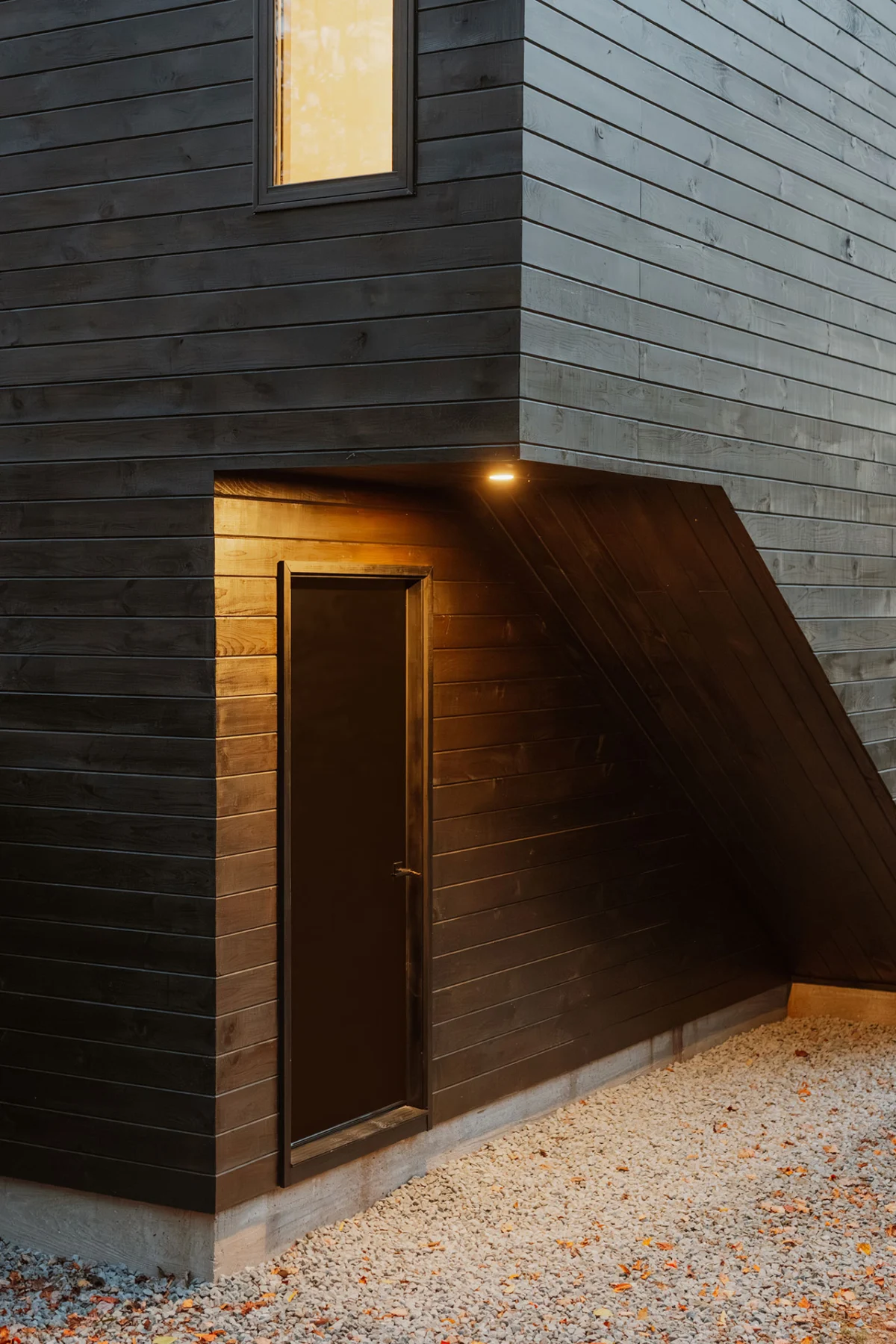
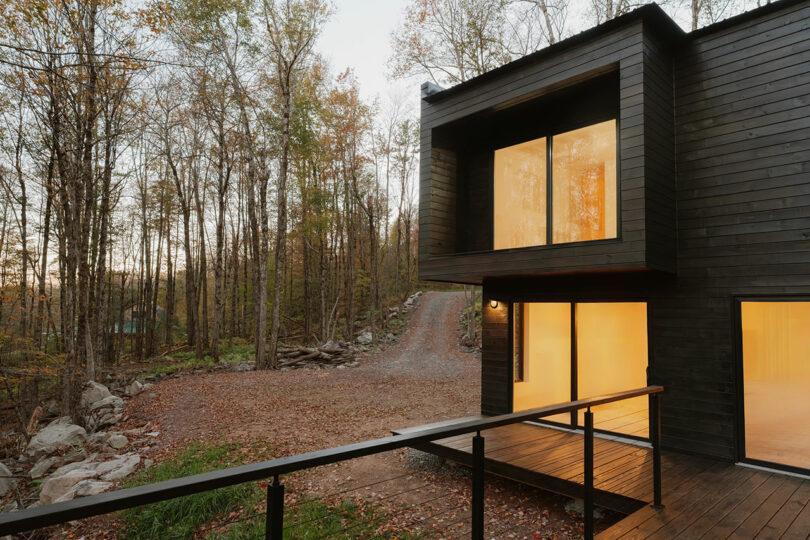
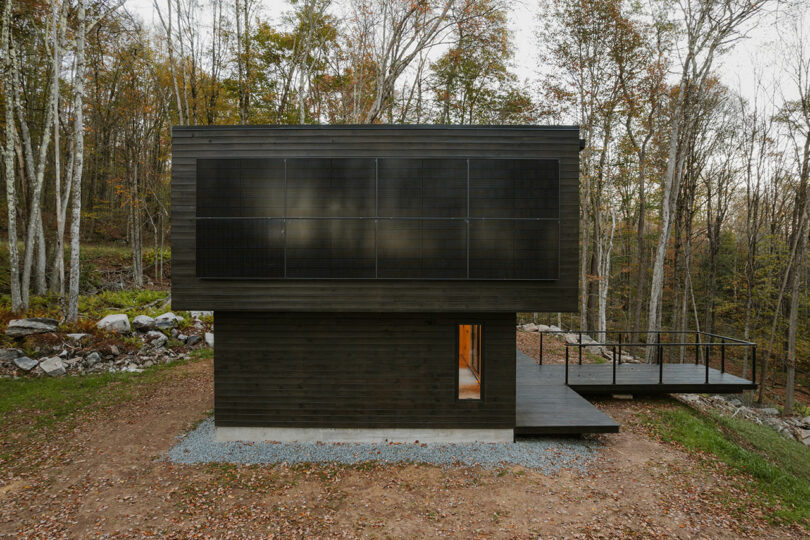
Nestled deep within the verdant embrace of the western Catskill Mountains, the 1,500-square-foot Forest Edge House stands as a profound testament to a core philosophy: self-sufficiency and an intimate connection with the natural world. Its southern facade, adorned with a meticulously arranged grid of solar panels, quietly gleams against the rich dark pine cladding, immediately communicating its purpose. This compact, yet powerful, "black box" of a home is strategically situated on a three-acre forested parcel, gently conforming to the natural slope of the land—a deliberate design choice reflecting its creators’ deep-seated intentions.
I. The Vision of Self-Sufficiency: Marc Thorpe’s Architectural Ethos

The Forest Edge House is not merely a structure; it is the fifth installment in a distinguished series of solar-powered residences conceived by the acclaimed designer Marc Thorpe and brought to life by Edifice Upstate, the innovative design-and-build agency he co-founded with Claire Pijoulat. Each project within this evolving series serves as a rigorous exploration of restraint and self-reliance, offering what the team terms a "turnkey model" for contemporary living that seamlessly integrates cutting-edge sustainable technology at its very foundation.
Thorpe’s architectural endeavors transcend mere aesthetics; they embody a comprehensive worldview. He posits architecture as a powerful instrument for reclaiming personal autonomy in an era where an increasing number of life’s essential aspects are outsourced, leading to what he describes as an "erosion of individuality" and a diminished "sense of purpose." For Thorpe, the initial, most critical step in reversing this trend and re-establishing agency is achieving energy independence. This philosophy informs every aspect of the Forest Edge House, from its orientation to its material choices and technological integrations.
II. Architectural Philosophy and Design Principles: Form Follows Function and Necessity
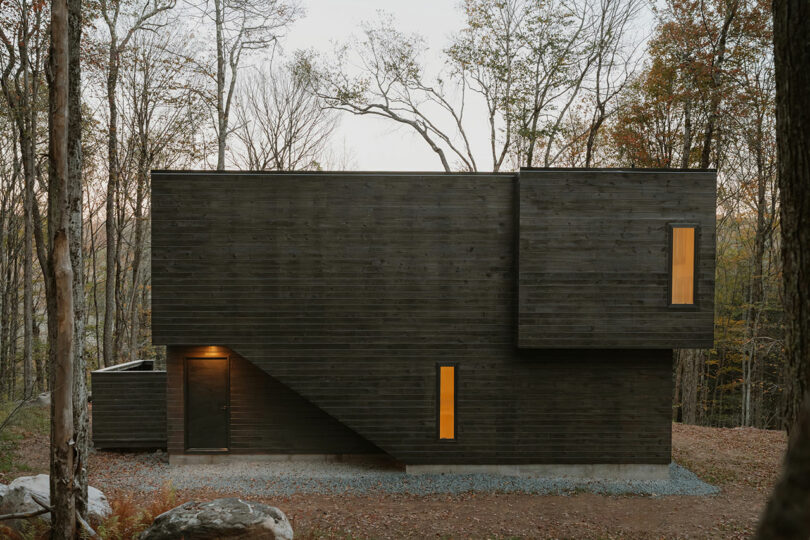
The design of the Forest Edge House is a direct articulation of Thorpe’s principles, where form is not arbitrary but rather a "descriptive function," overtly communicating the building’s purpose through its very structure. The house is meticulously oriented and shaped by the trajectory of the sun, making its architecture a direct byproduct of environmental forces and the intended use of its spaces. "Nothing that exists on or within the building is decorative," Thorpe emphasizes. This adherence to functionalism is evident in every detail: windows are precisely positioned not only to frame captivating views of the surrounding forest but also to facilitate optimal cross-ventilation, maximizing natural airflow and minimizing the need for mechanical cooling. Similarly, interior programmatic elements and physical circulation paths are thoughtfully expressed on the facade, while strategically placed overhangs provide essential shade where required, mitigating solar heat gain during warmer months.
This pragmatic approach consciously draws inspiration from the region’s long-standing agrarian vernacular architecture, where the inherent necessities of function dictated form. However, Thorpe’s design deftly navigates this influence, embracing the spirit of "form follows necessity" without succumbing to any sense of overt campiness or nostalgic imitation. Instead, it presents a sophisticated, modern interpretation that respects both tradition and contemporary demands for efficiency and elegance.
III. The Forest Edge House: A Detailed Examination
A. Location and Site Integration
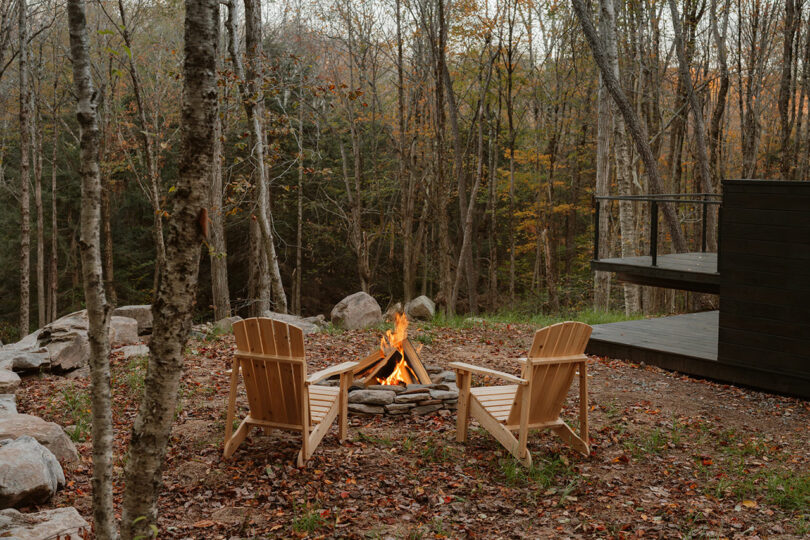
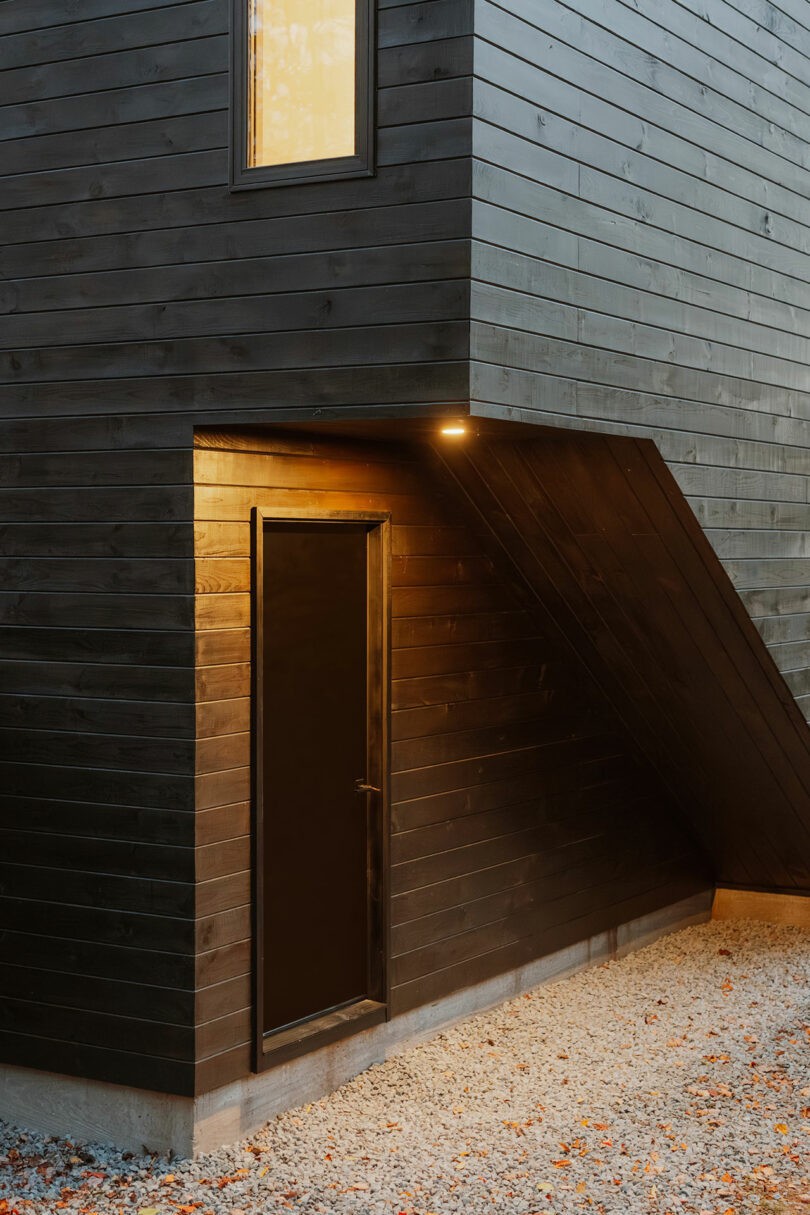
The house’s location in the western Catskill Mountains is paramount to its identity. The Catskills, known for their rugged beauty, dense forests, and commitment to conservation, provide an ideal backdrop for a home dedicated to environmental harmony. Sited on a private three-acre parcel, the house is carefully nestled along a gentle slope, ensuring minimal disruption to the existing topography and ecosystem. Its dark pine cladding allows it to recede visually into the shadows of the forest, establishing a sense of belonging rather than imposition.
B. Exterior Design and Aesthetic
From a distance, the Forest Edge House presents a striking, minimalist aesthetic—a "little black box" that offers a sense of quiet power. The dark pine cladding creates a sophisticated, understated exterior that absorbs and reflects the changing light of the forest throughout the day. This choice of material is not only visually appealing but also contributes to the building’s overall thermal performance and durability in a woodland environment.
C. Energy Systems: The Core of Self-Sufficiency
Central to the Forest Edge House’s philosophy is its robust solar energy system. The southern facade prominently features 24 monocrystalline solar units, designed to capture the sun’s slanting rays with maximum efficiency. These panels are complemented by an additional array strategically placed on the rooftop. Collectively, this infrastructure is engineered to generate approximately 38 kilowatt-hours (kWh) of electricity per day.
To put this into perspective, the average U.S. residential customer consumes around 893 kWh per month, which translates to roughly 29.7 kWh per day. The Forest Edge House’s daily generation capacity of 38 kWh significantly surpasses this national average, indicating a substantial potential for energy independence, and even the possibility of feeding surplus power back into the grid if connected, or ensuring a robust off-grid existence. This level of production underscores the home’s commitment to being a net-positive or net-zero energy consumer.
The sophisticated energy system also includes a 15K Sol-Ark inverter, which efficiently converts the direct current (DC) produced by the solar panels into alternating current (AC) usable by household appliances. This is coupled with a Lithium Ion LifePo battery bank, providing crucial energy storage. This battery system ensures a reliable power supply even during periods of low sunlight or peak demand, offering true resilience and independence from the conventional grid. This comprehensive setup ensures that the residents are consistently aware of their energy production and consumption, fostering a deeper connection to their ecological footprint.
D. Passive Design Strategies
Beyond active solar generation, the house incorporates numerous passive design strategies to enhance its energy efficiency and comfort. Its optimal orientation allows for maximum daylight penetration, reducing the need for artificial lighting during the day. Carefully placed windows not only frame picturesque views of the surrounding trees but also facilitate effective cross-ventilation, drawing cool air through the house and expelling warm air, a natural air-conditioning system. Strategic overhangs provide essential shading to prevent overheating during summer months, while also allowing lower winter sun to penetrate and warm the interiors.
E. Outdoor Integration: The Cantilevered Deck
A distinctive feature of the Forest Edge House is its 25-foot cantilevered deck, constructed from black steel. This architectural element extends boldly into the tree canopy, creating a unique outdoor living space that truly immerses occupants in the forest environment. Described as a "singular expression of outreach in an otherwise introspective building," the deck appears to dissolve into the landscape, rather than imposing upon it, reinforcing the home’s harmonious relationship with its natural surroundings. It offers a vantage point for observing wildlife, enjoying the changing seasons, and finding a tranquil escape.
IV. Interior Spaces: Function, Aesthetics, and Comfort
Stepping inside the Forest Edge House reveals a living environment that is at once light-filled, airy, and meticulously composed. The interior design strikes a balance between minimalist aesthetics and luxurious comfort, reflecting the "exercise in Enough" philosophy.
A. Layout and Flow
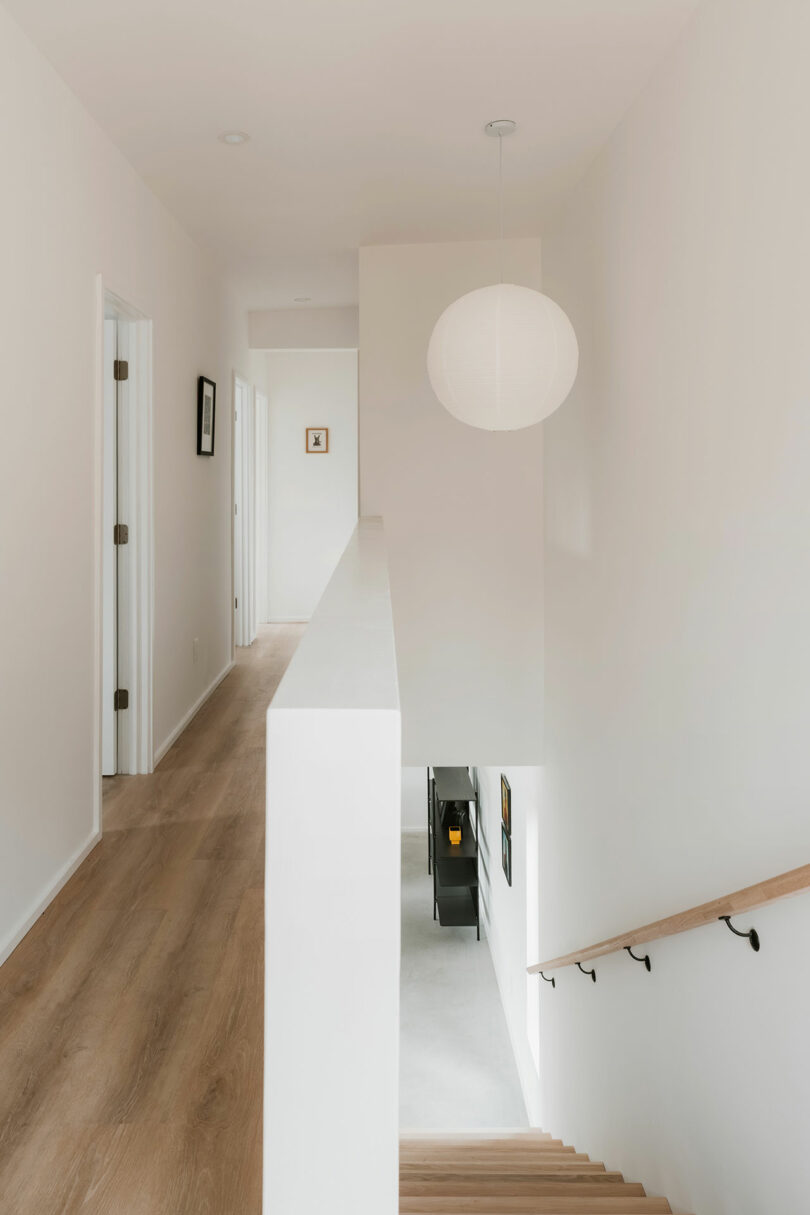
The ground floor is dedicated to an open-plan living, kitchen, and dining area, fostering a sense of communal gathering and spaciousness. This layout promotes fluid movement and interaction, making the most of the compact 1,500 square feet. The entire ground floor benefits from full-floor radiant heating, providing efficient and evenly distributed warmth during the colder Catskill months, contributing to both comfort and energy efficiency. Private bedrooms are thoughtfully arranged on the upper level, establishing a clear programmatic separation between collective living spaces and individual retreats.
B. Material Palette and Furnishings
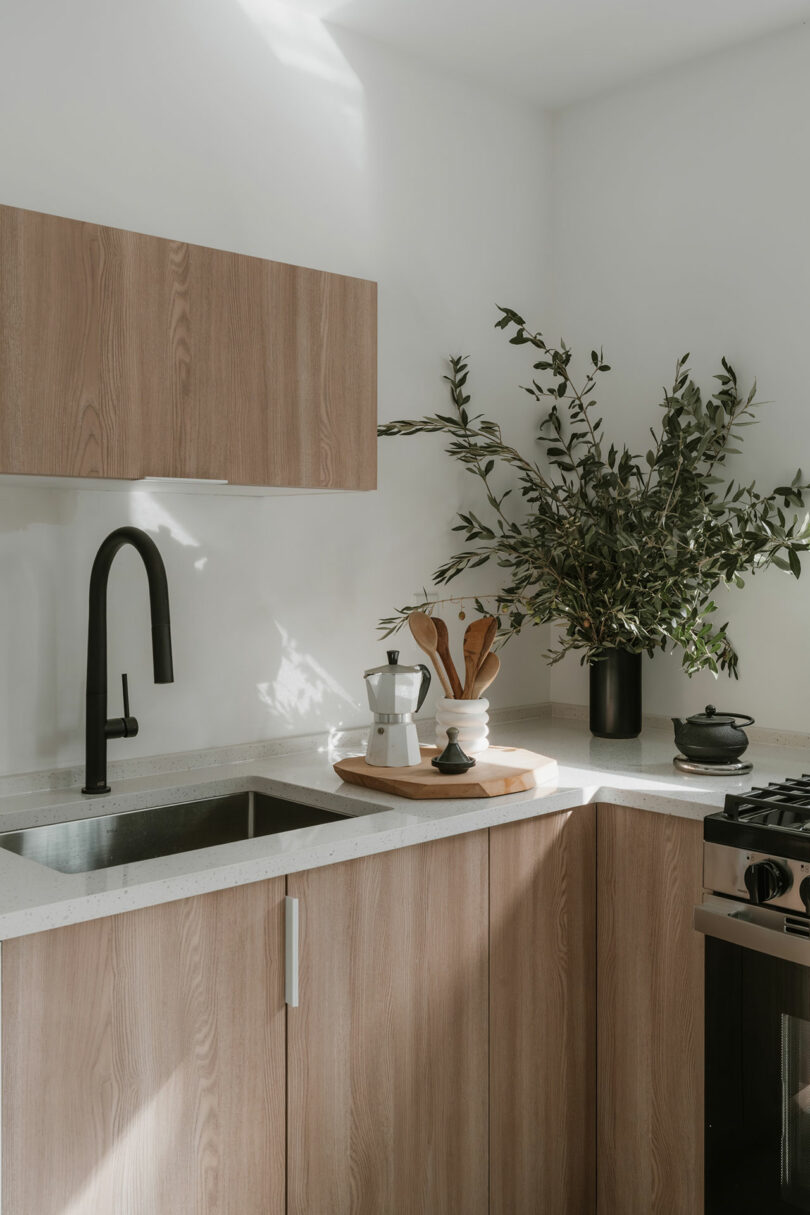
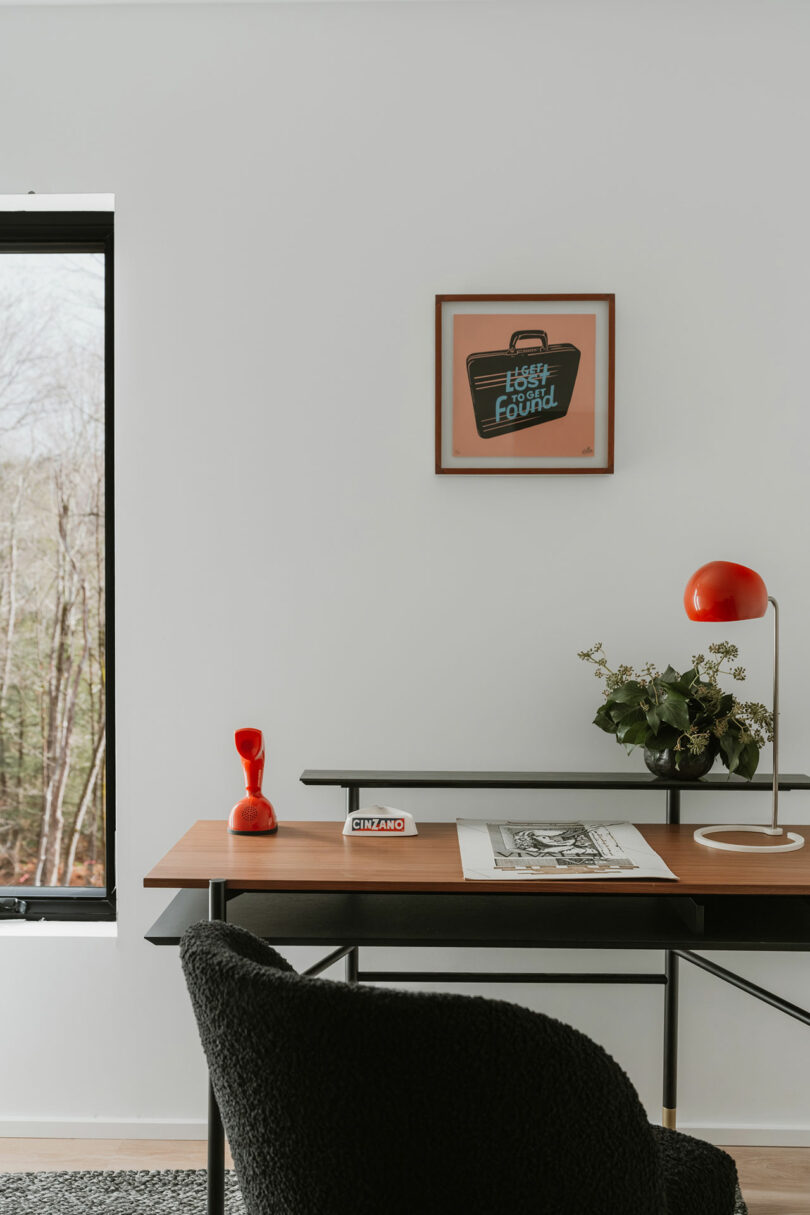
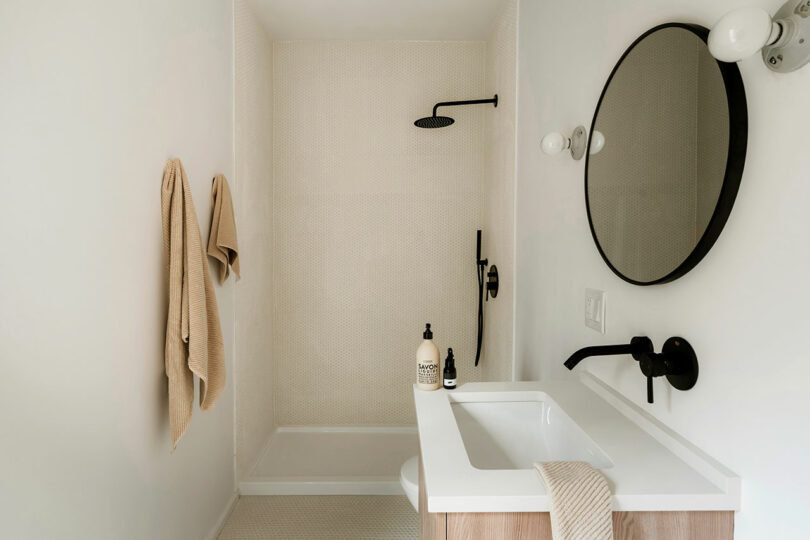
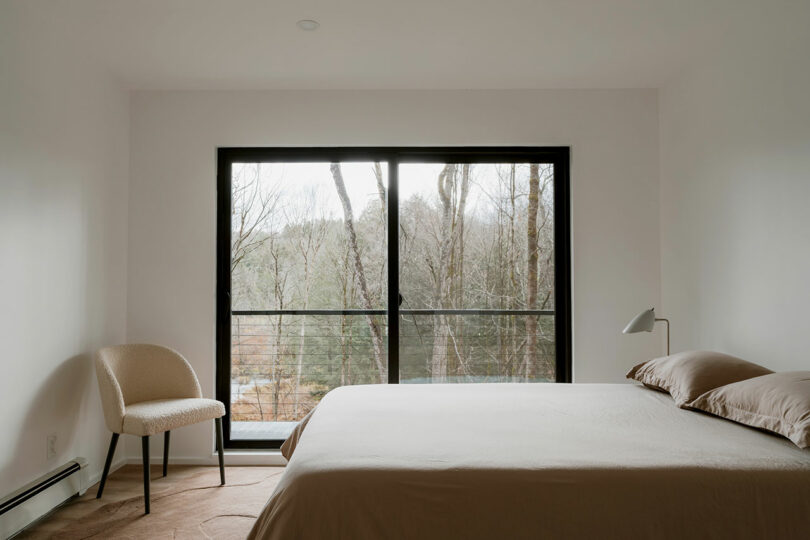
The interior palette features a stark yet inviting contrast of white surfaces and black fixtures, creating a clean and modern backdrop. This minimalist approach is softened and enriched by carefully selected natural materials. Tan leather Togo chairs from the renowned French brand Ligne Roset—a longtime collaborator of Thorpe and Pijoulat—add warmth and texture to the living room. Ligne Roset’s commitment to quality and thoughtful design aligns seamlessly with the environmental and design ethos of the Forest Edge House project. Wooden floors on the upper level further enhance the natural appeal, providing a tactile connection to the environment.
C. Connection to Nature
Throughout the interior, large windows act as living art installations, framing breathtaking views of the surrounding trees and bringing the natural world inside. This deliberate design choice reinforces the home’s philosophy, ensuring that residents remain constantly connected to the beauty and cycles of the forest, blurring the lines between indoor and outdoor living.
V. Edifice Upstate and Marc Thorpe’s Visionary Series: A Blueprint for Sustainable Futures
The Forest Edge House is a significant milestone in Marc Thorpe and Claire Pijoulat’s ongoing endeavor through Edifice Upstate. Their series of solar-powered homes represents a concerted effort to develop scalable, sustainable living solutions. Each project builds upon the lessons learned from its predecessors, refining the "turnkey model" that emphasizes contemporary aesthetics, integrated sustainable technology, and a commitment to self-reliance. Edifice Upstate’s approach is holistic, managing both the design and construction processes to ensure that the philosophical underpinnings are flawlessly executed in the physical structure. This integrated model allows for greater control over material sourcing, energy performance, and overall project integrity, making it a compelling blueprint for future developments in sustainable residential architecture.
VI. Broader Implications: Redefining Modern Living and Ecological Awareness
The Forest Edge House offers profound implications that extend far beyond its physical boundaries, challenging conventional notions of modern living.
A. Environmental Impact
By prioritizing solar energy and passive design, the house drastically reduces its carbon footprint. Its ability to generate more electricity than an average household consumes underscores a powerful shift towards sustainable practices. Such projects are vital in the global effort to mitigate climate change, offering tangible examples of how residential architecture can contribute to a greener future. The integration of advanced battery storage also enhances grid resilience, a critical consideration in an era of increasing climate-related weather events and potential grid instability.
B. Economic Benefits
While the initial investment in advanced solar and battery systems can be significant, the long-term economic benefits are substantial. Energy independence translates to drastically reduced or eliminated utility bills, providing homeowners with significant financial savings over the lifespan of the property. Furthermore, properties with robust sustainable features often command higher market values, reflecting a growing consumer demand for environmentally responsible housing.
C. Societal Shift Towards Autonomy
Thorpe’s assertion that "the system is eroding our individuality by outsourcing every aspect of our lives that enables our sense of purpose and ability to construct meaning" resonates with a growing desire for greater self-sufficiency. The Forest Edge House provides a tangible means for individuals to reclaim a fundamental aspect of their existence—energy—thereby fostering a deeper sense of personal agency and empowerment. This model suggests a pathway for individuals to live more intentionally, reducing reliance on external systems and fostering a renewed connection to their immediate environment and resources.
D. Fostering Ecological Mindfulness
The daily interaction with the home’s energy system—monitoring production, understanding consumption—serves as a constant, gentle reminder of the resources required to sustain modern life. This heightened awareness, as Thorpe suggests, is crucial for reconnecting individuals to broader ecological systems. Questions like "How much energy am I producing? How much am I consuming? What is my place in this system?" become integral to daily ritual, fostering a profound sense of responsibility and stewardship. This systemic approach helps residents understand their direct impact and encourages living within the natural boundaries of what the environment can provide.
VII. The Future of Sustainable Architecture: A Call for Humility
In its entirety, the Forest Edge House is more than just a dwelling; it is a framework for living systemically with its environment, achieved through both meticulously integrated passive strategies and cutting-edge active technologies. It embodies a firm belief that architecture, when consciously aligned with natural forces and ecological principles, can transcend its physical form to become something far more enduring—a statement, a philosophy, a way of life.
Marc Thorpe encapsulates this profound vision with a powerful statement: "This planet offers us a choice, to be one with nature or not. Designing with sustainable systems is the first step. Humility is what comes after." This sentiment underscores the ongoing journey towards truly integrated living, where technological prowess is balanced with respect for the earth’s finite resources. The Forest Edge House stands as a leading example of this journey, inviting its inhabitants and observers alike to consider their place within the larger ecological tapestry.
VIII. Conclusion
The Forest Edge House by Marc Thorpe and Edifice Upstate represents a compelling blend of minimalist beauty, advanced self-sufficiency, and deep philosophical grounding. It is a home that not only provides comfort and shelter but also educates and inspires, serving as a powerful demonstration of how contemporary architecture can facilitate a more mindful, autonomous, and sustainable existence. In the quiet solitude of the Catskill Mountains, this innovative structure offers a tangible pathway toward a future where human habitation thrives in harmony with the natural world, setting a new standard for conscious design and living.
To learn more about the design-build agency and their pioneering work, visit edificeupstate.com.
Photography by Clay Banks.







