Angie Faith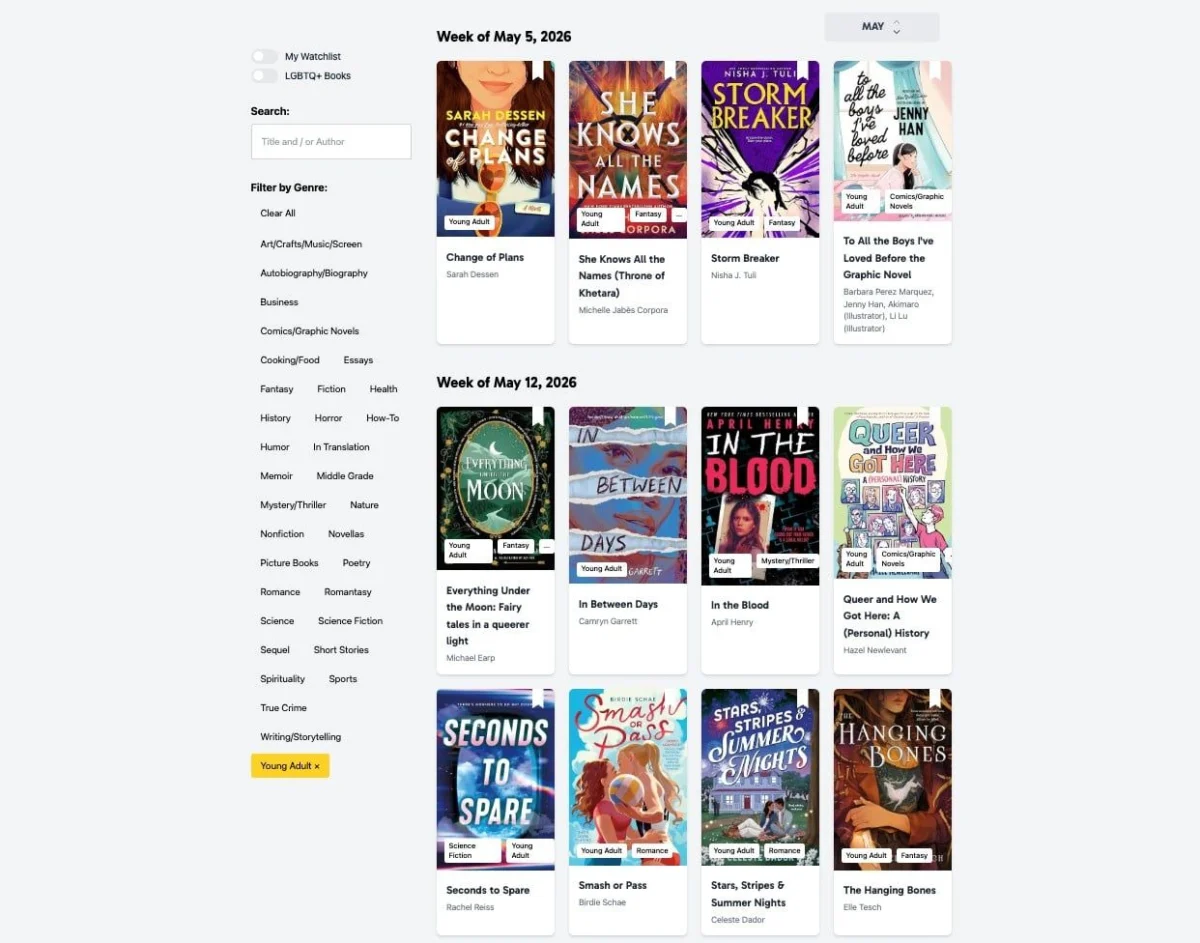
The deluge of new young adult (YA) books released each month presents a significant challenge for readers, educators, librarians, and industry professionals alike. With hundreds of titles vying for attention, discerning which ones warrant inclusion on a "to-be-read" (TBR) list can feel like an overwhelming task, often leading to a focus on those with substantial marketing campaigns at the expense of hidden gems. This phenomenon raises questions about accessibility and discovery within the YA literary market. To address this growing challenge, Book Riot has launched the New Release Index, a comprehensive database designed to streamline the discovery process for upcoming YA literature.
The Challenge of Discovery in YA Literature
The YA publishing industry has experienced remarkable growth over the past two decades. Data from the Association of American Publishers (AAP) indicates a consistent upward trend in sales for the children’s and young adult categories, with YA fiction often leading the charge. For instance, reports from 2022 showed a robust performance in this sector, driven by a combination of popular franchises, diverse storytelling, and a dedicated readership. However, this expansion, while positive for the industry, amplifies the problem of information overload. Publishers, eager to capitalize on market trends, often invest heavily in promoting a select few titles, creating a "loudest voice wins" dynamic that can overshadow potentially impactful books from smaller imprints or debut authors.
This marketing-driven spotlight can inadvertently create an uneven playing field, impacting not only reader choices but also the careers of emerging authors and the curation efforts of librarians and booksellers. Without a systematic approach to tracking new releases, individuals invested in YA literature risk missing out on titles that could resonate deeply with specific audiences or introduce innovative narrative styles and themes. The sheer volume makes manual tracking an impractical endeavor for most, requiring significant time commitment for reviewing catalogues, sifting through press releases, and maintaining complex spreadsheets.
Introducing the New Release Index: A Curated Solution
The New Release Index, developed by Book Riot, aims to provide a centralized and accessible platform for navigating this complex publishing landscape. The initiative is designed to offer a solution to the "discovery dilemma" by consolidating information about upcoming books into an easily searchable database. At its core, the Index functions as a curated repository of new releases, meticulously organized by their scheduled publication dates.
A key feature of the New Release Index is its robust filtering capability, allowing users to narrow down their search by specific genres. This functionality is particularly beneficial for the YA segment, where subgenres like fantasy, science fiction, contemporary, romance, thriller, and historical fiction continue to evolve and diversify. The visual interface, as demonstrated in a recent preview showcasing YA books slated for release in May, emphasizes cover art, a crucial element in attracting reader attention. Users are encouraged to browse through the visual display, with the intention that compelling cover designs will pique their interest.
Functionality and User Experience
The operational mechanism of the New Release Index is designed for intuitive user interaction. Readers, librarians, educators, and other stakeholders can scroll through the visual representation of upcoming books. Upon encountering a title that captures their attention, a simple click on the book cover reveals a detailed description, offering insights into the plot, themes, and target audience. This immediate access to essential information is pivotal for informed decision-making.
Furthermore, the platform incorporates a "Watchlist" feature, enabling users to save titles they are interested in for future reference. This personalized curation tool allows individuals to build a tailored list of anticipated reads, effectively transforming the potentially overwhelming influx of new books into a manageable and personalized collection of future literary experiences. This functionality directly addresses the challenge of losing track of exciting titles amidst the monthly release schedule.

Background and Context of the Initiative
Book Riot, a prominent online publication dedicated to book culture and literary news, has long been a resource for readers seeking recommendations and insights into the literary world. The development of the New Release Index stems from their ongoing commitment to fostering a more informed and engaged reading community. The initiative reflects an understanding of the evolving dynamics within the publishing industry and the increasing need for tools that facilitate genuine discovery beyond algorithmic recommendations or heavily marketed bestsellers.
The decision to focus on YA literature for this initial unveiling is strategic. The YA market is characterized by its passionate readership, active online communities, and a significant volume of new releases. This segment also plays a crucial role in nurturing lifelong reading habits. By providing a dedicated tool for YA discovery, Book Riot aims to support both emerging talent and the readers who eagerly seek out new voices and stories within this vibrant category. The platform’s development likely involved extensive data aggregation from publisher catalogues, literary databases, and potentially direct input from industry professionals.
Supporting Data and Analysis
The YA book market is not only substantial in terms of volume but also in its economic impact. Market research reports consistently highlight YA as a significant driver of growth in the book industry. For example, data from NPD BookScan has shown that YA fiction has often outperformed other adult fiction categories in terms of unit sales growth in recent years. This sustained interest underscores the demand for YA content and the importance of effective discovery tools.
The New Release Index’s approach of organizing by release date and filtering by genre aligns with established consumer behavior patterns in book purchasing. Readers often plan their reading around anticipated releases, and genre preference is a primary determinant of selection. The visual emphasis on cover art acknowledges the significant role of aesthetics in book appeal, a factor validated by numerous studies on consumer psychology and purchasing decisions.
The existence of such an index can have broader implications for the publishing ecosystem. For authors, particularly those on the cusp of their careers or with niche appeal, increased visibility through such a platform can translate into wider readership and potential sales growth. For independent bookstores and librarians, it offers a valuable resource for collection development and reader advisory services, enabling them to better connect patrons with books that might otherwise go unnoticed.
Potential Industry Responses and Implications
While specific official statements from major publishing houses regarding the New Release Index have not been detailed in the provided information, the general reception within the industry is likely to be cautiously optimistic. Publishers are constantly seeking effective channels to reach their target audiences. A well-maintained and widely adopted discovery tool like the New Release Index could become a valuable, albeit indirect, marketing and outreach channel.
The success of the Index could also influence how publishers approach their release strategies and promotional efforts. A greater emphasis on discoverability might encourage a more balanced approach to marketing, potentially allocating resources to a wider array of titles rather than solely concentrating on a few frontlist blockbusters. Furthermore, the data generated from user engagement with the Index could provide valuable insights into reader preferences and emerging trends, informing future editorial and marketing decisions.
In the long term, the New Release Index has the potential to democratize discovery in the YA literary market. By offering a level playing field for titles regardless of their marketing budget, it can empower readers to find books that truly resonate with them, fostering a more diverse and vibrant literary landscape. This initiative underscores a growing recognition within the book community that effective discovery is as critical to the health of the industry as the creation of compelling content itself. As the YA literary world continues to expand, tools like the New Release Index will become increasingly indispensable for both avid readers and industry professionals seeking to navigate its rich and ever-growing terrain.