
 Ali Ikhwan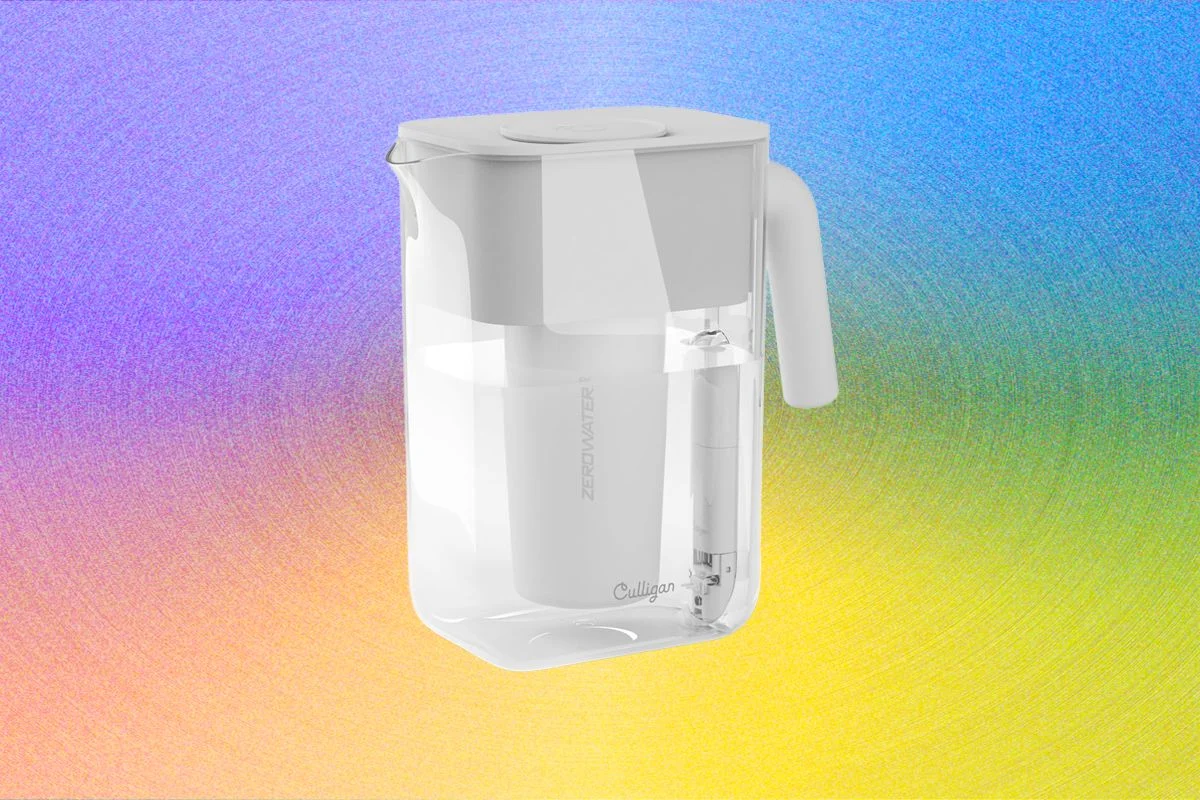
As the American public becomes increasingly aware of the invisible threats lurking in municipal water supplies, the humble water filter pitcher has evolved from a simple tool for improving taste into a critical line of household defense. For decades, the primary goal of home filtration was the removal of chlorine to eliminate the "swimming pool" odor and flavor common in city tap water. However, a new era of environmental awareness, spurred by high-profile contamination crises and advancing analytical chemistry, has shifted the focus toward more insidious threats: "forever chemicals" known as PFAS and PFOA, heavy metals like lead and mercury, and the emerging concern of microplastics.
For renters, students, and homeowners unable to invest in expensive whole-house or under-sink reverse osmosis systems, the countertop pitcher remains the most convenient and cost-effective solution. Yet, as the market matures, the disparity between basic carbon filters and high-performance purification systems has widened. Consumers today must navigate a complex landscape of laboratory claims, international certifications, and varying filtration technologies to ensure the water they consume is truly safe.
The State of American Water: PFAS and Federal Oversight
The urgency surrounding water filtration is underscored by recent data from the Environmental Working Group (EWG) and the Environmental Protection Agency (EPA). According to reports released in early 2025, approximately 158 million Americans—nearly half the population—may be exposed to per- and polyfluoroalkyl substances (PFAS) in their drinking water. These "forever chemicals," so named because they do not break down in the environment or the human body, have been linked to a variety of health issues, including thyroid disease, increased cholesterol levels, and various forms of cancer.
Despite the known risks, federal oversight has faced significant challenges. While the EPA has moved toward establishing stricter Maximum Contaminant Levels (MCLs) for certain PFAS variants, the implementation of these standards remains a slow, bureaucratic process. In many regions, the responsibility for ensuring water quality has effectively shifted from the municipality to the individual consumer. This shift has fueled the growth of a specialized filtration industry that promises to remove contaminants that traditional filters were never designed to handle.

A Chronology of Filtration Technology
To understand the current market, one must look at the evolution of home filtration. In the 1980s and 1990s, the market was dominated by simple activated carbon filters. These functioned like a chemical sponge, trapping organic compounds and chlorine. While effective for taste, they offered little protection against dissolved metals or complex synthetic chemicals.
By the early 2010s, the introduction of "Elite" or "Longlast" filters signaled a shift toward more dense filtration media capable of removing lead. The most recent decade has seen the rise of two distinct paths in pitcher technology: the miniaturization of reverse osmosis-style filtration, which removes nearly all dissolved solids, and the development of "selective" media that targets synthetic chemicals while leaving beneficial minerals intact.
Performance Analysis: The Top Contenders of 2025
Recent head-to-head testing and a review of certification data reveal that while many pitchers look similar, their internal architectures vary wildly. The following models represent the current peak of the market in their respective categories.
The Culligan ZeroWater: Maximum Contaminant Removal
The Culligan ZeroWater pitcher has emerged as the gold standard for those prioritizing absolute purity. Utilizing a proprietary five-stage filtration process that mimics the efficacy of reverse osmosis, the ZeroWater is uniquely certified under NSF/ANSI standards to remove a vast array of contaminants.
Supporting Data: In independent testing conducted by the EWG, the ZeroWater was one of the few pitchers capable of reducing PFAS and PFOA levels to near-undetectable amounts. It is also highly effective against lead, mercury, and hexavalent chromium.

A defining feature of this system is the included Total Dissolved Solids (TDS) meter. This digital device allows users to verify the filter’s performance in real-time. When the meter reads "000," the water is effectively pure H2O. However, this level of purity comes with a trade-off: the filter also removes magnesium and calcium, minerals that contribute to the "sweet" or "crisp" taste of natural spring water. Consequently, the resulting water can taste "clinical" or "flat" unless users choose to remineralize it with electrolyte drops.
Clearly Filtered: The Premium Taste Alternative
For consumers who find the taste of ZeroWater too sterile, the Clearly Filtered pitcher ($100) offers a sophisticated alternative. Rather than removing everything, it uses "affinity filtration" to target specific harmful molecules while allowing beneficial minerals to pass through.
Supporting Data: Clearly Filtered provides some of the most transparent laboratory data in the industry, showing near-total reduction of over 360 contaminants, including fluoride and various pharmaceutical byproducts. While it is more expensive and has a slower flow rate—sometimes taking 20 minutes to filter a single reservoir—it is favored by coffee enthusiasts and those who prefer the mouthfeel of mineralized water.
Brita Everyday Elite: Efficiency and Heritage
Brita remains the most recognizable name in the industry, and its Everyday Elite model ($42-$49) is the brand’s high-performance offering. It is certified to remove lead, cadmium, and mercury, as well as several pharmaceuticals like ibuprofen.
Chronology of Performance: While the standard Brita filters of the past were only rated for chlorine and taste, the Elite filter represents a significant technological leap. However, it is important to note that as of current testing, the Elite filter has not been certified to remove PFAS or fluoride. It remains the best choice for those in areas where heavy metals are the primary concern and where fast filtration (under five minutes) is a priority.

LifeStraw Home: Microbial and Particulate Protection
The LifeStraw Home pitcher ($50-$65) utilizes a dual-stage filtration system: an activated carbon filter for chemicals and a long-lasting membrane microfilter. This design is rooted in LifeStraw’s history of providing emergency water solutions in developing nations.
Implications for Health: While most municipal water is biologically safe, the LifeStraw Home provides an extra layer of protection against bacteria, parasites, and microplastics. It is particularly effective for households with older plumbing where mold or biofilm accumulation in the pitcher itself might be a concern. However, its tall, Erlenmeyer-flask design may pose storage challenges for those with standard-sized refrigerators.
The Testing Standards: NSF vs. Independent Labs
A critical aspect of the filtration industry is the distinction between "tested to" and "certified by." The most reputable filters are certified by bodies such as the National Sanitation Foundation (NSF) or the Water Quality Association (WQA).
- NSF/ANSI 42: Covers aesthetic effects (chlorine, taste, and odor).
- NSF/ANSI 53: Covers health effects (lead, mercury, and certain VOCs).
- NSF/ANSI 401: Covers emerging contaminants (pharmaceuticals and pesticides).
- NSF/ANSI P473: A specific protocol for the removal of PFOA and PFOS.
Journalistic investigation into these companies reveals that while many claim to "meet" these standards, the actual certification process involves rigorous, ongoing audits of the entire supply chain. Consumers are advised to look for the official NSF or WQA gold seal rather than relying solely on internal company "performance data sheets."
Regional Variations: Chlorine vs. Chloramine
A significant but often overlooked factor in water filtration is the type of disinfectant used by the local utility. While most people are familiar with chlorine, many large U.S. cities—including Los Angeles, Philadelphia, and Atlanta—have switched to chloramine (a combination of chlorine and ammonia).

Chloramine is more stable than chlorine, meaning it stays in the pipes longer to kill bacteria. However, it is also much harder to remove. Basic filters that excel at removing chlorine often struggle with chloramine. In home testing of the Waterdrop Lucid pitcher, for example, the device removed 99% of chlorine but only 75% of chloramine. For residents in "chloramine cities," high-performance filters like those from Clearly Filtered or Aarke (which removed chloramine to undetectable levels in recent tests) are necessary to achieve a clean taste profile.
Broader Impact and Environmental Implications
The rise of the water filter pitcher also highlights a growing environmental paradox. While these devices help individuals avoid the plastic waste associated with bottled water, the filters themselves are often made of plastic and must be replaced every two to six months. This creates a secondary stream of plastic waste.
In response, brands like Aarke and LifeStraw have introduced glass and stainless steel options. The Aarke pitcher ($165), for instance, uses a refillable steel filter housing, reducing the amount of plastic discarded with every filter change. However, these premium materials come at a significantly higher upfront cost.
Conclusion: Navigating the Future of Hydration
The data is clear: the safety of American tap water can no longer be taken for granted. As federal standards struggle to keep pace with chemical innovation, the burden of protection falls on the consumer. The choice of a water filter pitcher is no longer just about removing the taste of chlorine; it is a calculated decision based on local water chemistry, health priorities, and budget.
Whether one chooses the absolute purity of the Culligan ZeroWater, the mineral-rich profile of Clearly Filtered, or the reliable efficiency of the Brita Elite, the transition toward high-performance home filtration represents a necessary adaptation to a world where "forever chemicals" have become a permanent fixture of the environment. As testing methodologies continue to improve and public awareness grows, the water filter pitcher will remain an essential tool for public health in the 21st century.







