Reynand Holland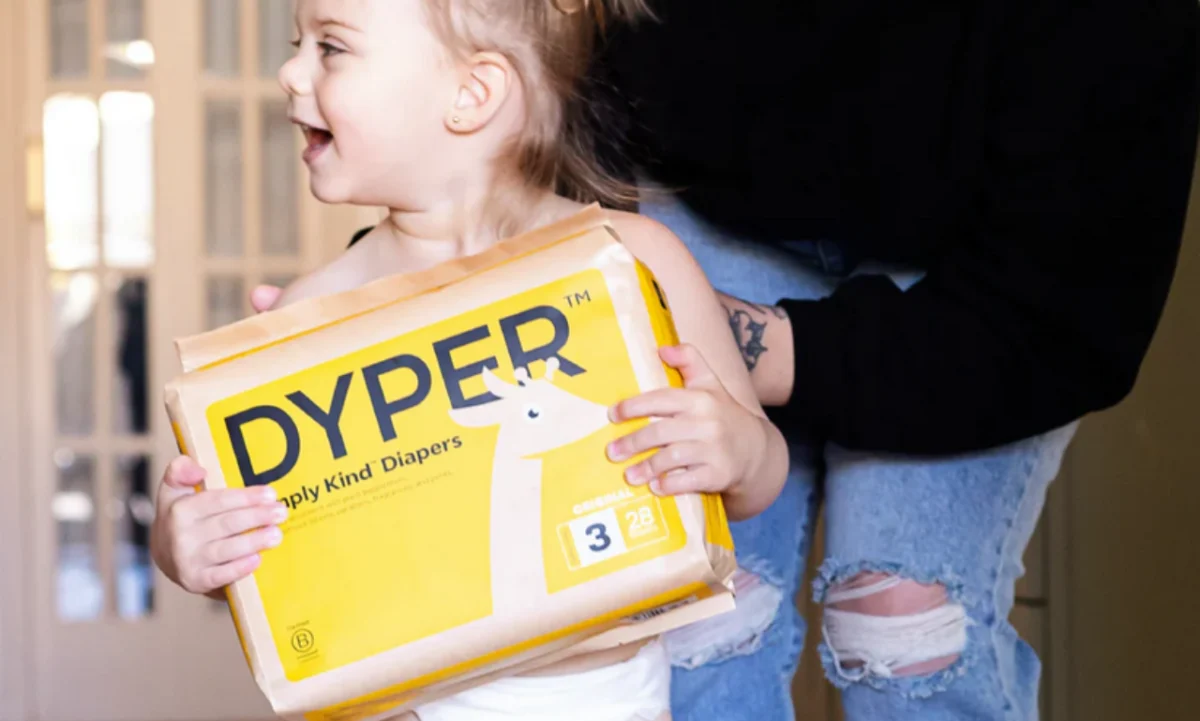
Every parent eventually confronts a stark arithmetic: a typical infant will consume approximately 6,000 single-use diapers within the first two years of life alone. Multiply that figure by millions of newborns globally, and the result is a staggering volume of municipal solid waste destined for landfills, where conventional plastic materials can take centuries to degrade. Beyond the macro-level environmental footprint, however, lies an equally pressing concern that has long troubled pediatric health advocates and conscious consumers alike: the chemical composition of the disposable products pressed against a baby’s sensitive skin twenty-four hours a day.
For decades, the commercial diaper market has offered a frustrating binary choice to caregivers. On one hand, traditional disposable diapers provide unmatched convenience and absorbency, allowing busy working parents to manage the relentless demands of childcare without the intensive labor associated with reusable cloth alternatives. On the other hand, those conventional disposables are largely manufactured from petrochemical plastics, chlorine-bleached pulps, and synthetic fragrances designed to mask odors—additives that frequently trigger contact dermatitis, acute skin rashes, and broader physiological anxieties.
The Regulatory Landscape and Health Implications
The underlying anxiety surrounding single-use diapers is not merely anecdotal; it is rooted in regulatory blind spots. In many jurisdictions, including the United States, consumer protection agencies maintain surprisingly lax oversight regarding the chemical formulation of infant hygiene products. Unlike feminine hygiene items or children’s toys, which often face rigorous pre-market safety reviews, standard disposable diapers are subject to minimal statutory testing. Historically, federal guidelines have required little more than basic lead screening, leaving manufacturers legally permitted to utilize a vast array of undocumented plasticizers, volatile organic compounds, and synthetic binders.
Independent toxicological studies have repeatedly raised red flags regarding these unlisted components. Researchers have identified potential links between prolonged exposure to certain chemical softeners—such as phthalates—and endocrine disruption, reproductive system anomalies, and even long-term carcinogenic risks later in life. Despite these alarming correlations, mass-market manufacturers have been slow to overhaul their supply chains, primarily due to the low profit margins and high volume requirements of the traditional retail model. For millions of families, the weekly ritual of dragging overflowing, heavy garbage bins to the curb has become a physical manifestation of an unsustainable status quo.
From Frustration to Innovation: The Origins of Dyper

This exact household frustration served as the catalyst for Tony Patron, an engineer and new father who found himself routinely astounded by the sheer volume of plastic waste accumulating in his home nursery. Recognizing that the market lacked a viable, high-performance alternative that prioritized both infant safety and ecological preservation, Patron began researching alternative material science. His initial efforts involved exploring partnerships with emerging green manufacturing firms, eventually leading to a strategic consolidation that laid the groundwork for Dyper, a modern enterprise dedicated to redefining the standards of baby care.
The founding philosophy of the brand centered on a deceptively simple mandate: replacing synthetic petrochemicals with responsibly sourced, plant-based alternatives without sacrificing the leak-proof absorbency and structural integrity that modern parents demand. Achieving this parity required years of material engineering and supply chain restructuring. While certain mechanical components—such as stretchable tabs and fasteners—currently lack commercially viable biodegradable equivalents, the engineering team successfully transitioned the vast majority of the diaper’s mass to renewable, organic resources.
Material Science and the Pivot to Plant-Based Engineering
At the core of the company’s current product lineup is a deliberate pivot toward agriculture over petroleum. The primary absorbent layers and outer sheets are manufactured utilizing Forest Stewardship Council (USDA) certified bamboo and eucalyptus fibers. Sourced through Oeko-Tex certified suppliers, these natural fibers undergo rigorous processing to ensure they remain entirely free from latex, chlorine, parabens, and phthalates.
Furthermore, the brand has championed supply chain transparency by explicitly labeling the material composition of every layer, a practice rarely observed in the legacy consumer goods sector. Independent verification underscores these claims. Dyper products have earned the USDA BioPreferred designation—certifying that the diapers consist of at least 55 percent bio-based materials, while accompanying wipes achieve a 95 percent bio-based rating. In addition, independent dermatological evaluations, including the prestigious DermaTest 5-Star Certification, have confirmed that the plant-based construction drastically minimizes the incidence of skin irritation and allergic reactions compared to conventional supermarket alternatives.
Bridging the Gap: The REDYPER Infrastructure
Creating a sustainable product is only half the battle; ensuring its proper end-of-life management presents an entirely separate logistical hurdle. Traditional biodegradable items often fail to decompose properly when trapped inside standard polyethylene trash bags within anaerobic landfill environments, where organic matter is denied the oxygen and microbial activity necessary for natural breakdown.
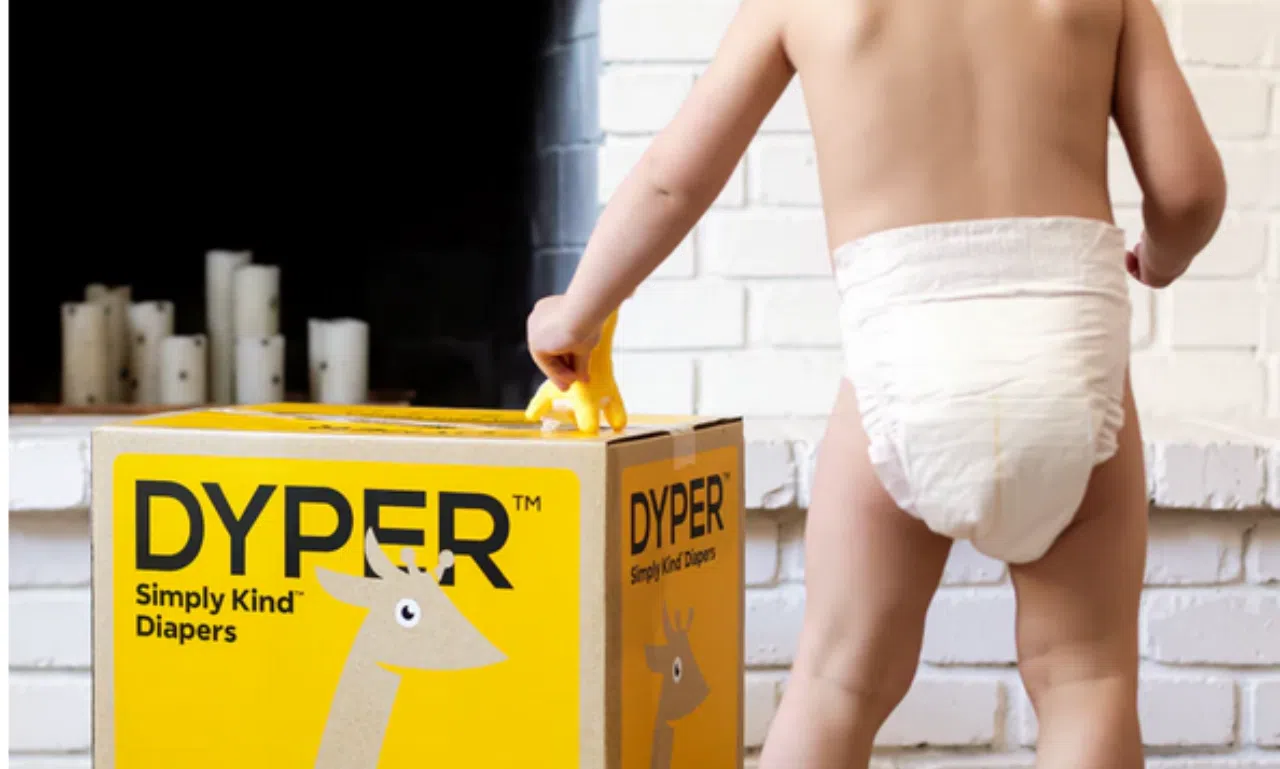
To address this systemic flaw, the company established the REDYPER program, an optional subscription-based service designed to divert used hygiene products away from municipal landfills. Operating in select metropolitan regions, the initiative provides specialized collection bins and coordinates scheduled pickups for used diapers and wipes. These materials are subsequently transported to regional industrial composting facilities capable of processing and breaking down the specialized bamboo matrices within a standard 14- to 16-week window. Contaminants that cannot be biologically degraded are systematically separated out before the remaining organic matter is safely repurposed. Company impact reports indicate that this closed-loop infrastructure has successfully diverted over 14 million pounds of waste from municipal landfills since its inception.
Market Implications and the Future of Sustainable Parenting
The rapid consumer adoption of plant-based diaper alternatives signals a broader cultural and economic shift within the fast-moving consumer goods sector. As millennial and Generation Z consumers transition into parenthood, their purchasing decisions are increasingly guided by corporate transparency, environmental ethics, and precautionary health standards. Legacy conglomerates, long insulated by brand loyalty and distribution monopolies, are now forced to reevaluate their product pipelines in the face of disruptive startups proving that ecological responsibility does not require sacrificing functional performance.
Industry analysts suggest that the market for sustainable baby care products will continue to experience robust expansion over the coming decade, driven by tightening environmental regulations and rising consumer awareness. As composting infrastructure expands municipalities nationwide and material science unlocks entirely biodegradable fastening technologies, the paradigm of the disposable diaper is undergoing a fundamental transformation.
Ultimately, the emergence of plant-based manufacturing models demonstrates that the tension between industrial convenience and ecological stewardship is not irreconcilable. By challenging the status quo of a landfill-bound industry, innovators in the baby care sector are establishing a new baseline for consumer accountability—proving that the next generation deserves a safer start, both in the cradle and on the planet.