Reynand Holland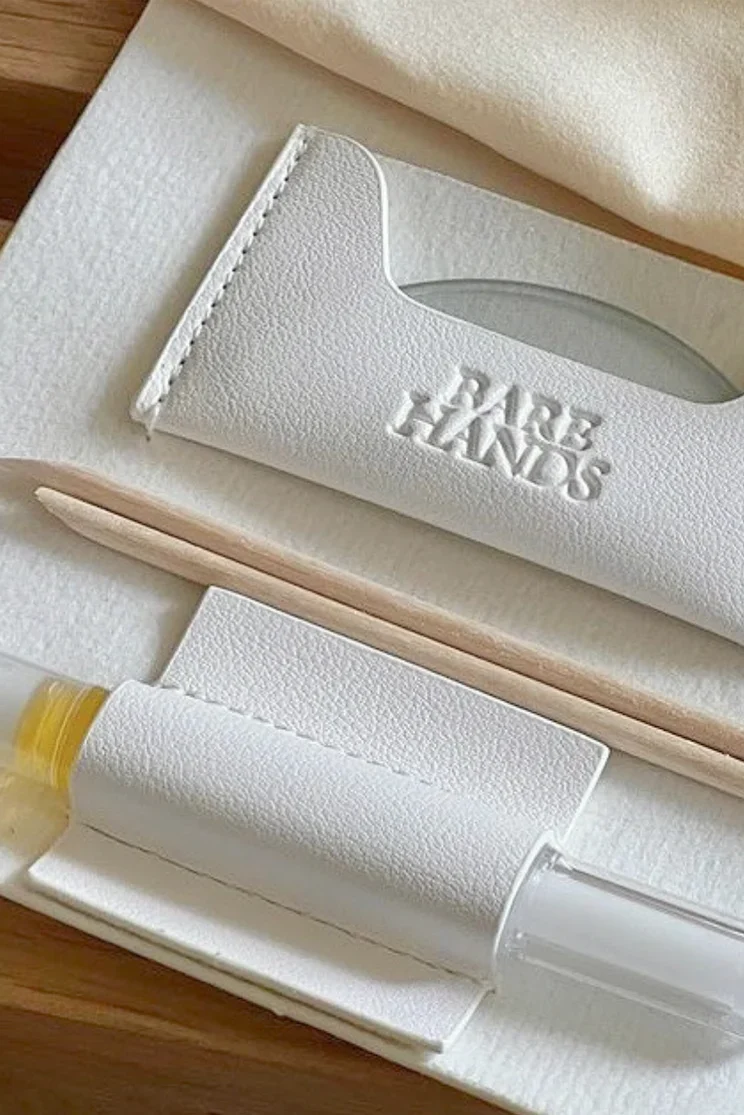
As persistent winter weather compounds with broader economic pressures, consumers across the globe are increasingly reevaluating their discretionary spending. With inflation constraining household budgets and cold temperatures accelerating moisture loss in the skin, the traditional luxury spa day has largely transitioned from commercial establishments into residential bathrooms. This shift has catalyzed a surge in demand for at-home wellness solutions that balance therapeutic self-care with strict environmental and economic sustainability. Industry analysts note that the intersection of clean beauty, conscious consumerism, and home-centric wellness has transformed from a niche market into a multi-billion-dollar sector, driven by a demographic seeking refuge from both external economic stressors and synthetic chemical exposure.
The economic and psychological context of this trend is deeply rooted in recent global shifts. Consumer research indicates that periods of macroeconomic uncertainty frequently trigger the "lipstick effect," a phenomenon where consumers prioritize smaller, affordable luxuries over major purchases when faced with financial tight spots. However, contemporary consumers are no longer satisfied with conventional, mass-market indulgences. Driven by heightened awareness of personal health and environmental degradation, today’s wellness enthusiasts demand transparency, non-toxic formulations, and ethical supply chains. Consequently, the modern at-home spa movement emphasizes mindful consumption, proving that high-efficacy personal care does not require exorbitant spending or ecological compromise.
Back-to-Basics Wellness: Maximizing Household Staples
Prior to investing in specialized commercial formulations, industry experts and dermatologists emphasize that foundational health practices remain paramount. Adequate sleep, balanced nutrition, and active stress management serve as the primary pillars of holistic wellness and dermatological health. Beyond lifestyle fundamentals, consumers can construct highly effective, low-cost treatments utilizing accessible household items.
Basic pantry and pharmacy staples offer formidable skincare and hair care benefits without financial strain. Affordable Epsom salt, widely available at local pharmacies, provides an excellent foundation for mineral-rich baths designed to alleviate muscle tension and replenish magnesium levels. Similarly, Aztec healing clay—a pure calcium bentonite clay—offers a powerful clarifying facial treatment when mixed with apple cider vinegar or water, effectively drawing out impurities and tightening pores. Unrefined organic coconut oil functions as a versatile, deeply hydrating moisturizer for both skin and hair, while food-grade coloring provides a temporary, budget-friendly alternative for at-home hair experimentation. These accessible remedies underscore the principle that self-care is fundamentally about intentionality and routine rather than luxury pricing.
Conscious Consumerism: Supporting Sustainable Face and Body Brands
For individuals seeking to elevate their routine or provide a supportive gift to a peer facing challenging times, the current market offers an array of small, mission-driven businesses prioritizing sustainability, cruelty-free practices, and non-toxic formulations.
Grown Alchemist has established itself as a leader in comprehensive skincare, hand care, and body care kits. The brand’s operational model is built upon rigorous ingredient vetting and exhaustive supply chain audits to guarantee environmental sustainability. Furthermore, Grown Alchemist utilizes predominantly recycled and refillable packaging materials, significantly reducing the lifecycle carbon footprint of its product lines.
For nail care enthusiasts looking to bypass the structural damage associated with conventional gel manicures and chip-prone liquid polishes, the Bare Hands Dry Gloss Manicure Kit presents a chemical-free alternative. The system utilizes traditional Japanese polishing techniques to buff natural nails to a healthy, enduring gloss without the use of harsh solvents or UV light curing lamps.
Osea Malibu addresses the luxury skincare market through its marine-based formulations anchored by sustainably harvested seaweed. The brand maintains a strict negative ingredient list, entirely omitting parabens, synthetic fragrances, and petrochemicals to ensure that every at-home spa set remains strictly vegan and non-toxic.
MyChelle Dermaceuticals bridges the gap between clinical efficacy and economic accessibility. Specializing in exfoliators, masks, and peels, MyChelle offers responsibly sourced formulations that are vegetarian, cruelty-free, and free from phthalates, sulfates, and genetically modified organisms (GMOs).
Operating on an industrial scale of sustainability, 100% Pure delivers a comprehensive catalog of organic, vegan, and biodegradable makeup and skincare gift sets. The company’s eight-acre headquarters in San Jose, California, operates entirely on solar power, a civic achievement that earned the enterprise local recognition for maintaining one of the lowest landfill waste footprints in the region.
Facial Tools and Advanced Botanical Treatments
The integration of ancient wellness practices into modern routines has driven significant consumer interest in facial massage tools, most notably the gua sha stone. The Wildling Empress Collection utilizes principles of traditional Chinese medicine to promote lymphatic drainage, reduce facial tension, minimize pore appearance, and prevent fine lines. Wildling’s sourcing methodology emphasizes ecological integrity, partnering with local farms and utilizing sustainably wild-foraged plants harvested at peak potency. This commitment extends to fair-trade communities globally, ensuring equitable compensation throughout the supply chain.

In the realm of advanced botanical treatments, Tata Harper offers a comprehensive collection of in-home spa tools and targeted facial kits. Ranging from facial cupping sets to intensive detox systems, the brand sources over 300 high-grade ingredients from more than 68 countries. Every formulation is meticulously crafted without synthetic chemicals, artificial colorants, fillers, or toxins.
Surreal Skincare, a trans-owned enterprise, approaches anti-aging and skin resurfacing through natural tree resin extracts rich in bioactive healing compounds. Products such as the Advanced Guide to Cheating Death leverage potent botanicals to achieve dramatic cellular turnover. While the brand notes that certain intensive masks deliver an active, tingling sensation, they remain rigorously tested for safety and skin compatibility.
Hair Care Innovations: Restoring Color and Vitality Naturally
The shift toward non-toxic personal care extends significantly into hair maintenance, where consumers increasingly seek alternatives to traditional, ammonia-heavy permanent dyes.
Hairprint offers a biochemical alternative to traditional hair coloring. Rather than utilizing synthetic aniline dyes, Hairprint is a patented, science-backed treatment that replenishes the natural eumelanin pigment found in brown and black hair. Operating as a true protein treatment, it simultaneously strengthens the hair shaft, improves texture and body, and reduces frizz and gray visibility over a 75-to-90-minute application process.
Desert Shadow provides certified organic, vegan, and palm oil-free hair dye kits priced under $20. Catering to a spectrum of natural shades from blonde to black, the company maintains robust sustainability commitments and community-focused manufacturing practices.
Similarly, Surya Brasil offers a henna-based cream hair color designed to cover gray hair while conditioning the scalp and protecting hair follicles. Priced accessibly between $6 and $20, these botanical formulations offer a safer, chemical-free method for color modification.
Nail Care and Hand Restoration
Maintaining nail health without resorting to harsh chemical treatments remains a priority for clean beauty advocates. Lauren B. Beauty addresses brittle or slow-growing nails through targeted formulations such as its Nail Growth Serum and Cuticle Oil. Composed of amino acids, antioxidants, vitamins E and C, peptides, and biotin, the serum penetrates the nail bed instantly to foster natural growth and structural integrity. Complementing these treatments, specialized hand and foot care kits—such as those offered by Naturally London—provide intensive hydration and therapeutic relief for overworked extremities.
Holistic Tranquility: Aromatherapy, CBD, and Bath Soaks
Achieving a comprehensive at-home spa experience requires addressing mental well-being alongside physical upkeep. Holistic wellness brands have introduced curated packages designed to alleviate psychological stress and foster a restorative domestic environment.
The Total Tranquility Set from BLK + GRN features a collection crafted by Black artisans, including chakra soy candles, white sage, herbal teas, and essential oils designed to reduce anxiety. This focus on mental tranquility is complemented by Prima’s organic CBD supplements, which utilize whole hemp extract optimized for bioavailability through complementary botanical oils like black pepper and curcumin. Clinical and consumer feedback suggests that targeted cannabinoids assist in physiological stress regulation and circadian rhythm support.
For hydrotherapy enthusiasts, botanical bath soaks offer an immediate sensory and therapeutic escape. Herbivore Botanicals formulates its bath salts around food-grade vitamins, minerals, and floral botanicals designed to soften skin and ease muscular fatigue. 100% Pure provides targeted therapy bath salts featuring seaweed detox, calming lavender, and clarifying eucalyptus variants to facilitate transdermal mineral absorption and aromatherapy. Rounding out the hydrotherapy category, Unplugged Essentials incorporates flotation therapy principles into hemp-infused soaks, blending Epsom salt, activated charcoal, and essential oils to achieve systemic detoxification.
Broader Economic and Environmental Implications
The sustained consumer pivot toward sustainable at-home wellness reflects a permanent structural evolution in the personal care market. Industry observers indicate that as supply chain transparency becomes a baseline consumer expectation, beauty and wellness brands can no longer rely solely on conventional marketing claims. Independent audits, eco-friendly packaging, and non-toxic formulation standards are increasingly dictating market viability.
Furthermore, the democratization of spa-quality treatments demonstrates that rigorous self-care is resilient against economic downturns. By leveraging accessible household staples alongside targeted investments in ethical, mission-driven brands, consumers are successfully decoupling personal well-being from traditional, high-cost commercial venues. As this trend matures, the market for sustainable, at-home wellness products is projected to maintain robust expansion, permanently reshaping how individuals approach health, relaxation, and ecological responsibility within the domestic sphere.