Reynand Holland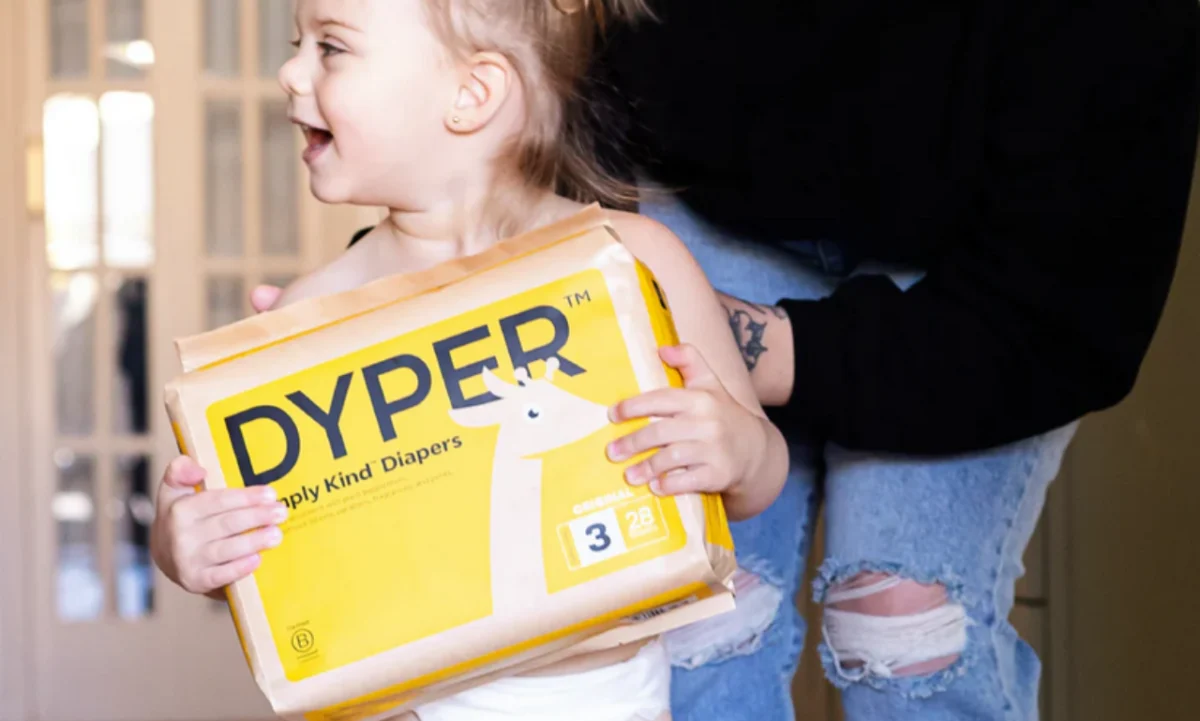
The modern parenting landscape is defined by convenience, yet few household routines carry the cumulative environmental and physiological footprint of infant diapering. Statistically, a single child will utilize approximately 6,000 disposable diapers within their first two years of life alone. Multiply this figure by the millions of infants born annually, and the scale of consumption transforms into a staggering logistical and ecological challenge. While cloth and reusable diapers have historically been positioned as the primary eco-friendly alternative, their rigorous cleaning requirements and labor-intensive maintenance render them impractical for many modern, dual-income, or time-constrained households. Consequently, traditional single-use plastic diapers continue to dominate market share, driving a linear economic model of extraction, consumption, and permanent landfill accumulation.
Beyond the macroscopic waste crisis, traditional disposable diapers have increasingly drawn scrutiny from pediatricians, public health advocates, and consumer safety watchdogs regarding their material composition. Standard mass-market diapers are constructed primarily from petroleum-based plastics, synthetic superabsorbent polymers, and chlorine-bleached wood pulp. Furthermore, many commercial brands incorporate artificial fragrances and chemical lotions designed to mask odors or soothe skin, introducing unnecessary volatile organic compounds directly to an infant’s sensitive epidermal barrier.
Regulatory oversight within the hygiene products sector has historically lagged behind consumer exposure risks. In the United States, the Consumer Product Safety Commission mandates that disposable diapers be tested exclusively for lead content. Comprehensive pre-market safety evaluations for potential carcinogens, endocrine-disrupting chemicals, and reproductive toxins are not legally required prior to commercial distribution. Independent toxicological studies have linked chronic exposure to certain synthetic chemicals found in conventional personal care products to acute skin irritation, allergic contact dermatitis, and long-term endocrine disruption. For families navigating these hidden risks, the search for non-toxic, transparently manufactured hygiene alternatives has evolved from a lifestyle preference into a health priority.
Chronology of Innovation: From Overfilled Bins to Sustainable Engineering
The genesis of modern plant-based diaper alternatives emerged from the intersection of parental frustration and industrial engineering. Tony Patron, a professional engineer and new father, observed a recurring household phenomenon: the weekly municipal waste bins were consistently dominated and prematurely overfilled by voluminous bags of soiled plastic diapers. Recognizing the systemic unsustainability of this disposal cycle, Patron began investigating the structural composition of single-use hygiene products and the feasibility of large-scale material substitution.
Initially, Patron explored collaborative pathways with emerging manufacturing entities specializing in biodegradable materials. These foundational efforts culminated in a strategic corporate merger that established Dyper, a clean-technology enterprise explicitly engineered to eliminate the trade-off between disposable convenience and environmental responsibility. The company’s founding mandate focused on reimagining the diaper supply chain, prioritizing renewable, plant-derived feedstocks while matching the absorbency, tensile strength, and leak-prevention metrics established by legacy petrochemical brands.

Material Science and Manufacturing Transparency
Developing a high-performance, single-use diaper utilizing primarily biodegradable components presents formidable engineering hurdles. While cellulosic and plant-based fibers can effectively replicate the softness and moisture-wicking properties of synthetic plastics, certain structural components—such as elastic waistbands and mechanical fasteners like Velcro—currently lack commercially viable, high-durability biodegradable equivalents. To address these limitations, the company’s product development team adopted an incremental optimization strategy, maximizing renewable content where structurally feasible while maintaining rigorous industry standards for leakage control.
The manufacturing framework relies heavily on sustainably harvested, US-grown bamboo and eucalyptus fibers processed through certified supply chains. The viscose bamboo utilized in the production process is sourced from Oeko-Tex certified facilities, ensuring that the raw materials are free from harmful levels of toxic residues. In an industry historically characterized by proprietary opacity regarding chemical inputs, the brand introduced a transparent labeling protocol, itemizing the specific material composition of each individual layer directly on the packaging.
Independent validation remains a cornerstone of the company’s quality assurance protocol. Its diaper lines have attained USDA BioPreferred certification, reflecting a composition of over 50 percent bio-based materials, while corresponding wipe products achieve a significantly higher biological content ratio. Furthermore, the products meet stringent international textile standards and have secured high-tier dermatological certifications, including the DermaTest 5-Star rating, which clinically validates that the materials minimize the risk of skin sensitization and acute diaper dermatitis.
The REDYPER Infrastructure and Municipal Waste Diversion
Addressing the environmental impact of single-use products requires innovation not only at the manufacturing level but also within the post-consumer waste management ecosystem. Traditional diapers deposited into standard municipal solid waste streams are typically routed to sanitary landfills or waste-to-energy incineration facilities. Due to the multi-material lamination of conventional diapers—fusing plastics, adhesives, and organic waste—complete degradation can span centuries.
To mitigate this systemic bottleneck, the company developed a proprietary, subscription-linked post-consumer recovery framework known as the REDYPER program. Operating in select metropolitan and regional markets, the service provides specialized weekly or bi-weekly pickup for used diapers and wipes. Collected materials are routed to specialized commercial composting facilities capable of managing soiled organic hygiene waste.
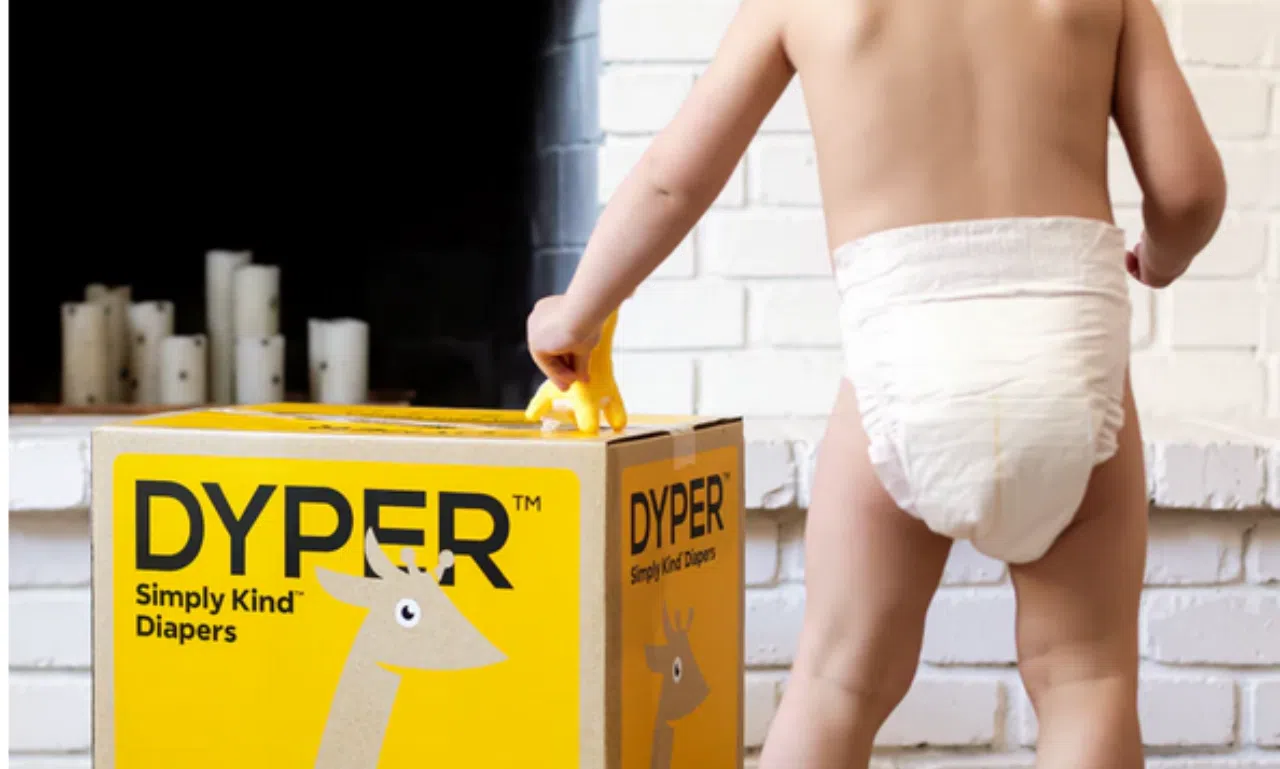
Industrial composting processes accelerate the breakdown of certified plant-based components, typically achieving structural disintegration within a 14- to 16-week window. Non-compostable elements, such as mechanical closures, are systematically separated during preliminary sorting phases. According to corporate impact metrics, this targeted diversion infrastructure has successfully redirected more than 14 million pounds of soiled waste away from conventional municipal landfills since its inception.
Economic Implications and Market Trajectory
The expansion of sustainable, non-toxic infant care products reflects a broader macroeconomic shift toward circular economy principles within the fast-moving consumer goods sector. As millennial and Generation Z parents demand greater transparency, stringent environmental accountability, and rigorous safety testing, legacy consumer goods conglomerates are facing mounting pressure to reformulate legacy product lines.
The integration of agricultural feedstocks—such as FSC-certified bamboo—into high-volume hygiene manufacturing also influences secondary agricultural markets, incentivizing sustainable forestry and land management practices. However, scaling these supply chains introduces distinct economic challenges, including higher raw material acquisition costs, complex reverse-logistics requirements for composting services, and regional disparities in waste management infrastructure availability.
Despite these logistical barriers, the sustained growth of bio-based infant care indicates that sustainability is no longer viewed merely as a niche market differentiator, but as an essential benchmark for modern product development. By combining rigorous toxicological testing, supply chain transparency, and innovative post-consumer recovery systems, the industry is gradually redefining what parents can expect from essential household commodities.