rifanmuazin
Instagram, a dominant force in the digital landscape, has significantly evolved its content delivery mechanisms, moving beyond a simple chronological feed to a sophisticated network of artificial intelligence (AI) systems. This shift, driven by a desire to enhance user experience and foster deeper engagement, has prompted increased transparency from the platform’s leadership regarding the intricate workings of its algorithms. For creators, marketers, and businesses striving to expand their audience, understanding these underlying principles is paramount to crafting content that resonates and achieves optimal reach.
The Evolution Towards a Recommendation-First Platform
Historically, Instagram’s feed was largely dictated by a chronological display of posts from followed accounts. However, as the platform matured and user behaviors diversified, this model proved insufficient for delivering personalized and engaging experiences. In a pivotal strategic move, Instagram transitioned to an algorithmic feed, prioritizing content based on user interest rather than strict recency. This evolution has culminated in Instagram now operating as a "recommendation-first" platform, a significant departure from its origins as a social graph-driven network.
This transformation means that content from accounts a user doesn’t follow is increasingly prominent, especially within dedicated sections like Reels and Explore, and even integrated into the main feed. The platform’s objective is to connect users with content they are most likely to find compelling, regardless of pre-existing follower relationships. This paradigm shift underscores the critical importance of clear topics, well-defined niches, and strong engagement signals for creators, as their content now competes on the basis of intrinsic interest rather than solely established connections. Adam Mosseri, Head of Instagram, and the official @creators account have repeatedly emphasized this evolving philosophy, providing an almost overwhelming wealth of information that, while challenging to navigate, offers unprecedented insight into the platform’s operations.
A Multi-Algorithmic Ecosystem
Contrary to a common misconception, there isn’t a single, monolithic Instagram algorithm. Instead, the platform employs a variety of "AI systems," classifiers, and processes, each meticulously designed with a specific purpose to curate the diverse content users encounter. A 2023 blog post from Instagram explicitly stated that these systems work in concert to ensure users see content most relevant to their individual interests. This multi-pronged approach is necessitated by the distinct ways users interact with different sections of the app. For instance, users typically seek updates from close friends in Stories, discover novel content and creators via Explore, and engage with entertaining videos in Reels. Each area, therefore, requires a tailored ranking mechanism.
Dissecting the Instagram Feed Algorithm
The main or "home" feed is often the first point of interaction for users opening the app, presenting a mix of videos, photos, and carousels from followed accounts, interspersed with recommended content from unfollowed accounts and sponsored posts. Instagram utilizes thousands of ranking factors, known as "signals," to organize this feed. The primary objective is to prioritize content deemed most relevant to individual users based on their past interactions and expressed interests.
The most influential signals for the Instagram Feed, ranked by importance, include:
- Post Information: Data pertaining to the post itself, such as popularity (likes, comments, shares), creation date, and location.
- Creator Information: Details about the content creator, including their engagement history with other users.
- User Activity: A user’s past interactions, including the types of posts they’ve liked, commented on, saved, or shared.
- User Interaction History: The frequency and nature of a user’s engagement with a specific creator’s content.
Based on this comprehensive data, Instagram’s AI systems make "educated guesses" about a user’s likelihood of interacting with a given post. Mosseri outlined five key interactions the Feed algorithm closely monitors: the probability of a user spending several seconds on a post, commenting on it, liking it, sharing it, and tapping on the profile photo. The higher the predicted likelihood of these actions, and the more weight Instagram assigns to that particular action, the higher the post will appear in the user’s feed.
To enhance reach within the Instagram Feed, creators can implement several strategies focused on genuine engagement:
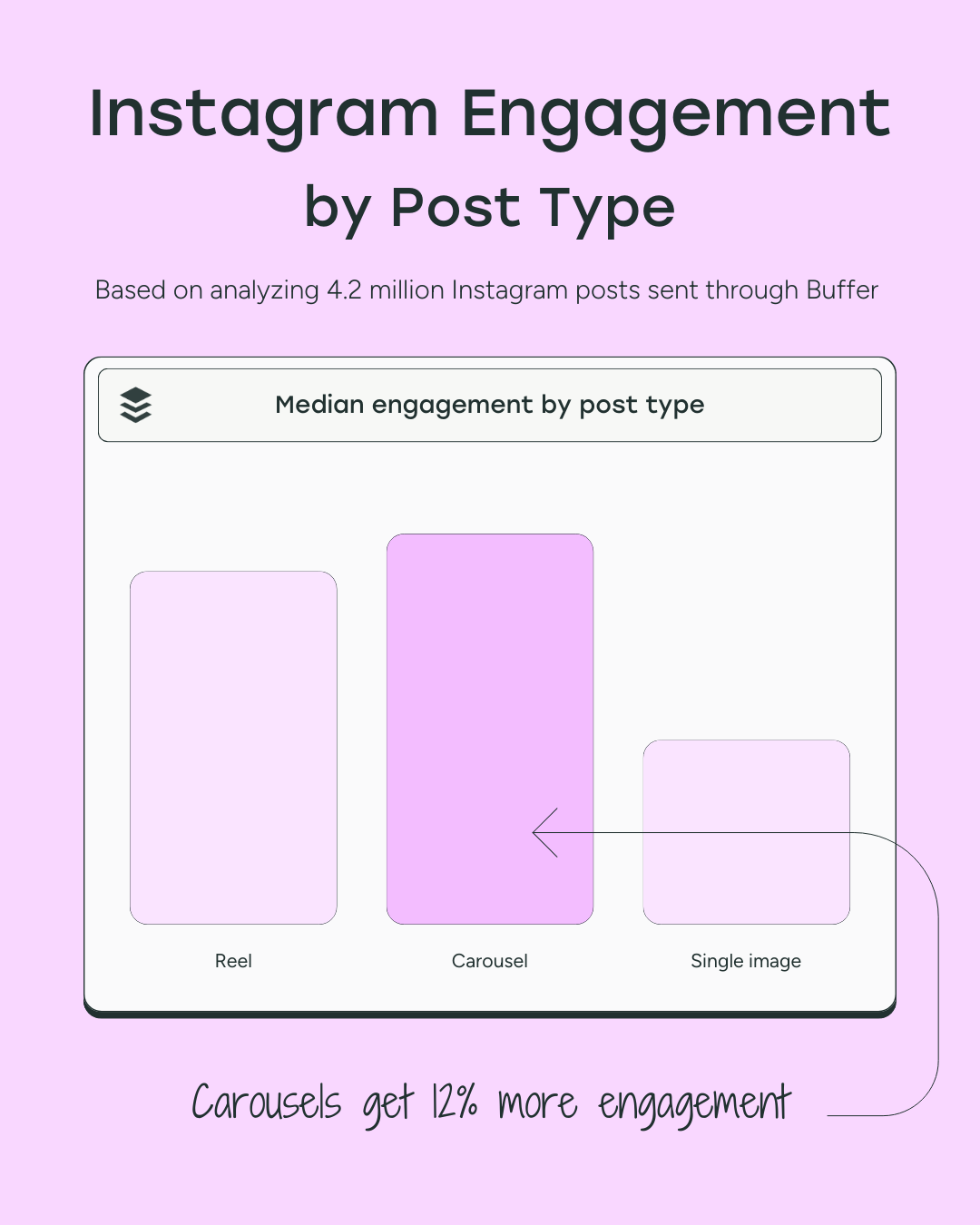
- Leverage Carousels: Posts containing multiple photos or videos (up to 20) demonstrate superior engagement. A recent analysis of over 4 million Instagram posts by Buffer indicated that carousels consistently outperform single-image photos or videos in terms of engagement. The algorithmic advantage of carousels stems from their ability to be re-shown to users who haven’t swiped through all slides, presenting previously unseen content as "new," thereby increasing opportunities for interaction.
- Integrate Audio: Beyond videos, adding a soundtrack to single photo posts and carousels can capture the attention of users browsing with sound enabled, potentially boosting engagement. Crucially, posts with audio can also become discoverable in the Instagram Reels feed, expanding their potential reach.
- Adhere to Recommended Post Dimensions: Utilizing Instagram’s ideal image and video sizes ensures content is displayed without awkward cropping or pixelation, maintaining a polished aesthetic that is more likely to garner engagement. Content that appears professional and visually appealing tends to be favored by users and, by extension, the algorithm.
It is also important to note that Instagram actively downranks content that appears likely to violate its Community Guidelines, even before formal confirmation, to maintain a safe and positive user environment.
The Instagram Stories Algorithm
Instagram Stories, ephemeral photos and videos that vanish after 24 hours, offer a unique avenue for creators and businesses to appear prominently at the top of followers’ feeds. However, given Instagram’s perception of Stories as a space for close friends, brands and creators face a distinct challenge in gaining visibility here.
The Stories algorithm prioritizes content based on:
- Viewing History: The frequency with which a user views a specific creator’s Stories.
- Engagement History: The likelihood of a user interacting with a creator’s Stories (e.g., sending a DM, reacting).
- Closeness of Relationship: The overall relationship strength between the user and the creator, inferred from various interactions.
These signals inform Instagram’s predictions about which Stories a user will find most relevant and valuable, including the likelihood of tapping into a Story, replying via DM, or skipping to the next. Stories are primarily a tool for nurturing existing relationships and building community, rather than a primary channel for broad audience acquisition.
Effective strategies for maximizing Story engagement include:
- Interactive Elements: Incorporating polls, questions, quizzes, and other interactive stickers encourages active participation, signaling higher engagement to the algorithm and potentially elevating a creator’s Stories in a user’s tray. These features also double as valuable research tools, providing insights into audience preferences.
- Diverse Story Content: Simply resharing feed posts is insufficient. Creators should mix in unique, easily consumable content that adds value, such as behind-the-scenes glimpses, text-based information complementing feed posts, or "add yours" stickers that invite user-generated contributions.
- Reshare User-Generated Content (UGC): Sharing content where followers tag a brand or creator (e.g., showcasing a product or using a tip) builds stronger community connections, demonstrates social proof to potential customers, and encourages further tagging.
Navigating the Instagram Reels Algorithm
The Instagram Reels feed, accessed via the video icon at the bottom of the app, is designed explicitly for content discovery. This makes it a crucial arena for creators aiming to expand their audience beyond existing followers. Instagram has also begun rolling out features allowing users to customize their Reels feed by selecting preferred topics or opting to see less of certain content, reinforcing the necessity for creators to clearly define their content’s themes, niches, and keywords.
Key ranking factors for Instagram Reels include:
- User Activity: A user’s past engagement with Reels (likes, comments, saves, shares).
- Interaction History: How frequently a user interacts with the creator’s Reels.
- Reel Information: Popularity, audio track, visual content (based on pixel and audio analysis), and overall quality.
- Creator Information: The creator’s engagement with other users and overall platform presence.
A particularly significant factor is the likelihood of a user sharing a Reel with friends. Adam Mosseri has highlighted the "symbiotic" relationship between short-form video and connecting people, emphasizing that Instagram’s core mission includes fostering such connections. Therefore, optimizing Reels to spark conversations and encourage shares – by being relatable, helpful, humorous, or thought-provoking – is a powerful strategy.
Recommended practices for Instagram Reels:
- Capitalize on Momentum: If a Reel gains significant traction, a timely follow-up (within a day or two) can leverage existing user interest and algorithmic favor.
- Design for Diverse Viewers: Approximately half of Instagram videos are watched without sound. Reels must therefore feature strong visual hooks and on-screen text in the initial frames to convey the content’s essence, ensuring engagement even when muted.
- Avoid External Watermarks: Instagram explicitly downranks Reels featuring logos or watermarks from other video editing apps (e.g., TikTok). Creators should upload clean versions of their videos to maximize reach.
Mastering the Instagram Explore Page Algorithm

The Explore page, accessed via the magnifying glass icon, is arguably the most vital tool for creators and brands seeking new audiences. It presents a grid-style feed of photos and videos tailored to a user’s past activity, including posts they’ve liked, saved, shared, and commented on. Its primary function is to facilitate the discovery of new accounts and content.
The Explore page algorithm is influenced by:
- Post Popularity: The overall engagement (likes, comments, shares, saves) a post receives, particularly from users outside the follower base.
- User Activity: A user’s past interactions with content on the Explore page, as well as their general engagement patterns across Instagram.
- Interaction History with Creator: A user’s past interactions with the creator of the post.
- Creator Information: The creator’s overall engagement and popularity on the platform.
Instagram illustrates this with an example: if a user frequently likes posts from a specific chef, the algorithm might analyze other accounts that user’s followers also engage with. If those users show interest in another local restaurant, the Explore page might then recommend content from that second establishment. This demonstrates how the algorithm creates a web of interconnected interests to surface relevant new content.
Strategies for maximizing visibility on the Explore page:
- Utilize Trending Audio: Incorporating popular audio tracks into Reels, photo posts, or carousels can significantly increase content discoverability, as Instagram actively promotes content using trending sounds.
- Optimal Reel Length: While Reels can be up to three minutes, optimal engagement is typically observed in videos between 30 and 90 seconds. This length is sufficient to convey a message while retaining viewer attention.
- Monitor Post Shares: Shares, especially those sent via Direct Message from non-followers, are a powerful signal of quality for the Explore page algorithm. Analyzing which content is most frequently shared can guide creators in producing more shareable material.
Content Recommendation Guidelines: When Instagram Limits Reach
To maintain a positive and safe environment, Instagram has established detailed recommendation guidelines. Content that violates these guidelines may not be removed from the platform (as it might not breach Community Guidelines) but will be significantly downranked, preventing its appearance on the Explore page or in the Reels tab. This includes sensitive topics (self-harm, eating disorders), adult content (sexually explicit or suggestive imagery), promotion of regulated goods (tobacco, restricted products), and integrity issues (misinformation, false claims). Creators must be mindful of these guidelines to ensure their content has the best chance of broad distribution.
The Benefits of Algorithmic Curation
While algorithm updates can sometimes cause concern among creators, the shift from a chronological to an algorithmic feed is ultimately beneficial. Chronological feeds often buried high-quality content quickly, regardless of its relevance. Machine learning-driven algorithms ensure that users encounter content they are genuinely interested in, which, for businesses, translates into a higher probability of reaching their target audience. When creators consistently produce engaging, relevant, and timely content, the algorithms act as a powerful ally, connecting them with the right audience.
Eight Evergreen Best Practices for Instagram Strategy
Despite the distinct algorithms governing each section of Instagram, a common thread unites them: content that is engaging and relevant to the user.
- Consistency is Key: Regular posting signals to Instagram that a creator is active and producing fresh content. Buffer’s analysis of over 100,000 users across platforms revealed that consistent posters receive nearly five times more engagement per post. A sustainable posting schedule, whether daily or a few times a week, is crucial to maintain this signal and avoid burnout.
- Prioritize Original Content: Instagram rewards originality. Content that is genuinely created by the user, rather than aggregated or downloaded from other accounts, is favored. This can range from personal snapshots to detailed tutorials, as long as it originates from the creator.
- Embrace New Features: Instagram strategically highlights new features to drive adoption. While this doesn’t automatically mean algorithmic favoritism for a specific content type, it does provide new features (like Stories or Reels in their initial rollout phases) with prime visibility within the app interface, offering an early adopter advantage.
- Vary Post Types: Utilizing a mix of single images, carousels, Reels, Stories, and Live videos allows creators to reach a broader spectrum of users and effectively repurpose content across different algorithmic environments. For instance, a Reel can be adapted into a carousel, or feed posts can be re-shared in Stories with added context.
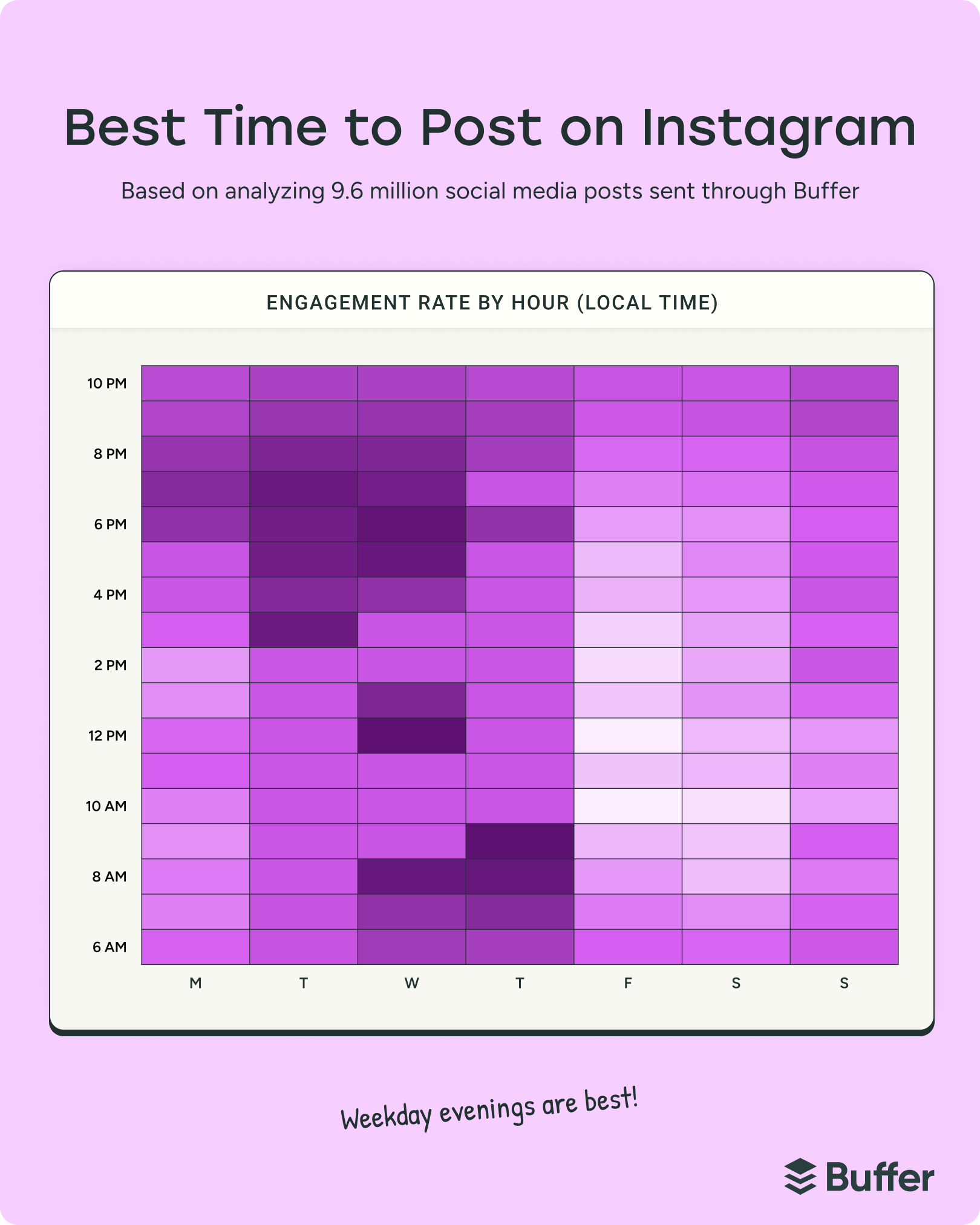
- Optimize Posting Times: Data indicates that certain posting times yield higher engagement. Buffer’s analysis of over 2 million Instagram posts identified optimal times (e.g., Thursday at 9 a.m., Wednesday at 12 p.m. and 6 p.m.). Creators should consult their Instagram Insights for personalized data on when their specific audience is most active.
- Strategic Keyword and Hashtag Use: While the impact of hashtags on broad reach has diminished (Instagram removed the ability to follow hashtags in December 2024), relevant keywords in captions and profiles remain crucial for discoverability through Instagram’s search function. Hashtags should be used sparingly (3-5 relevant ones per post) to categorize content rather than to chase reach.
- Foster Authentic Engagement: Algorithms reward genuine interaction. Utilizing interactive Story stickers, responding diligently to direct messages and comments, and actively engaging with followers are vital for building a connected community and signaling value to the algorithm. Tools like Buffer’s engagement features can help manage and respond to comments efficiently.
- Leverage Analytics: Regularly analyzing Instagram Insights provides invaluable data on which content performs best. Creators can sort posts by engagement metrics (comments, likes, saves) to identify patterns in successful content (e.g., specific formats, topics, calls to action). This data-driven approach enables creators to reverse-engineer their audience’s preferences and refine their strategy.
Prioritizing User Experience
Ultimately, Instagram’s algorithms are designed to enhance the user experience by delivering personalized and engaging content. The platform’s official @creators account emphasizes that "authenticity and transparency are key to building sustainable engagement." Attempting to "game the system" may offer fleeting benefits but is not conducive to long-term success. Creators who focus on building genuine connections with their audience and consistently producing compelling content will find that the Instagram algorithms work in their favor, ensuring their content reaches a community eager to engage.
FAQs about the Instagram Algorithm
What is the Instagram algorithm?
The Instagram algorithm comprises several interconnected AI systems that curate content for users across different sections of the app (home feed, Explore page, Reels, Stories). These systems analyze thousands of signals, including user activity, interaction history, and post information, to determine which content is most relevant and engaging for each individual user.
How can I improve my reach with the Instagram algorithm?
Improving reach involves adhering to best practices such as consistent posting, diversifying content formats (Reels, Stories, carousels), actively engaging with comments and direct messages, strategically using trending audio and relevant keywords, and continuously tracking performance through analytics to refine content strategy.
Do the Instagram algorithms prefer videos?
Instagram’s algorithms do not inherently favor any specific content format. Instead, posts are ranked based on a user’s individual engagement patterns. If a user frequently watches and shares videos, they will see more videos. If they interact more with photos, they will see more photos. While videos often achieve broader reach due to higher user engagement (as indicated by Buffer’s analysis showing videos topping engagement, followed by carousels, then images), this is a consequence of user behavior, not an explicit algorithmic bias.
Does posting too frequently impact ranking?
Yes, excessive posting in rapid succession can negatively impact ranking. Instagram’s algorithms may hide some posts to prevent overwhelming user feeds. It is advisable to space out posts by several hours or even days to allow each piece of content sufficient time to garner engagement (likes, comments, shares). Instagram itself suggests spreading out posts rather than publishing several back-to-back.
Are business, creator, and personal accounts ranked differently by the algorithm?
No, a content’s reach is determined by its engagement and relevance, not by the account type. As reported by TechCrunch, Instagram does not grant additional feed presence to personal or business accounts, meaning switching account types will not inherently boost reach.
Will posting Instagram Stories or live videos affect ranking?
Creating Instagram Stories or live broadcasting does not directly impact how content ranks within the main feed. However, engaging with a variety of content formats increases the overall likelihood of a creator’s content appearing in more diverse sections of the app, thereby expanding potential touchpoints with the audience.
What is the 5-3-1 rule on Instagram?
The 5-3-1 rule is an engagement strategy designed to foster genuine connection. For every post a creator shares, they commit to liking five posts from others, commenting on three posts, and following one new account. This routine encourages authentic interaction and helps increase discoverability.
What is the 3-second rule on Instagram?
The 3-second rule pertains to the crucial opening of a Reel. The first three seconds are critical for "hooking" a viewer and determining whether they continue watching or scroll past. A strong visual, a compelling headline, or an intriguing question at the outset can significantly increase viewer retention and overall Reel performance.