
 Indra Kusuma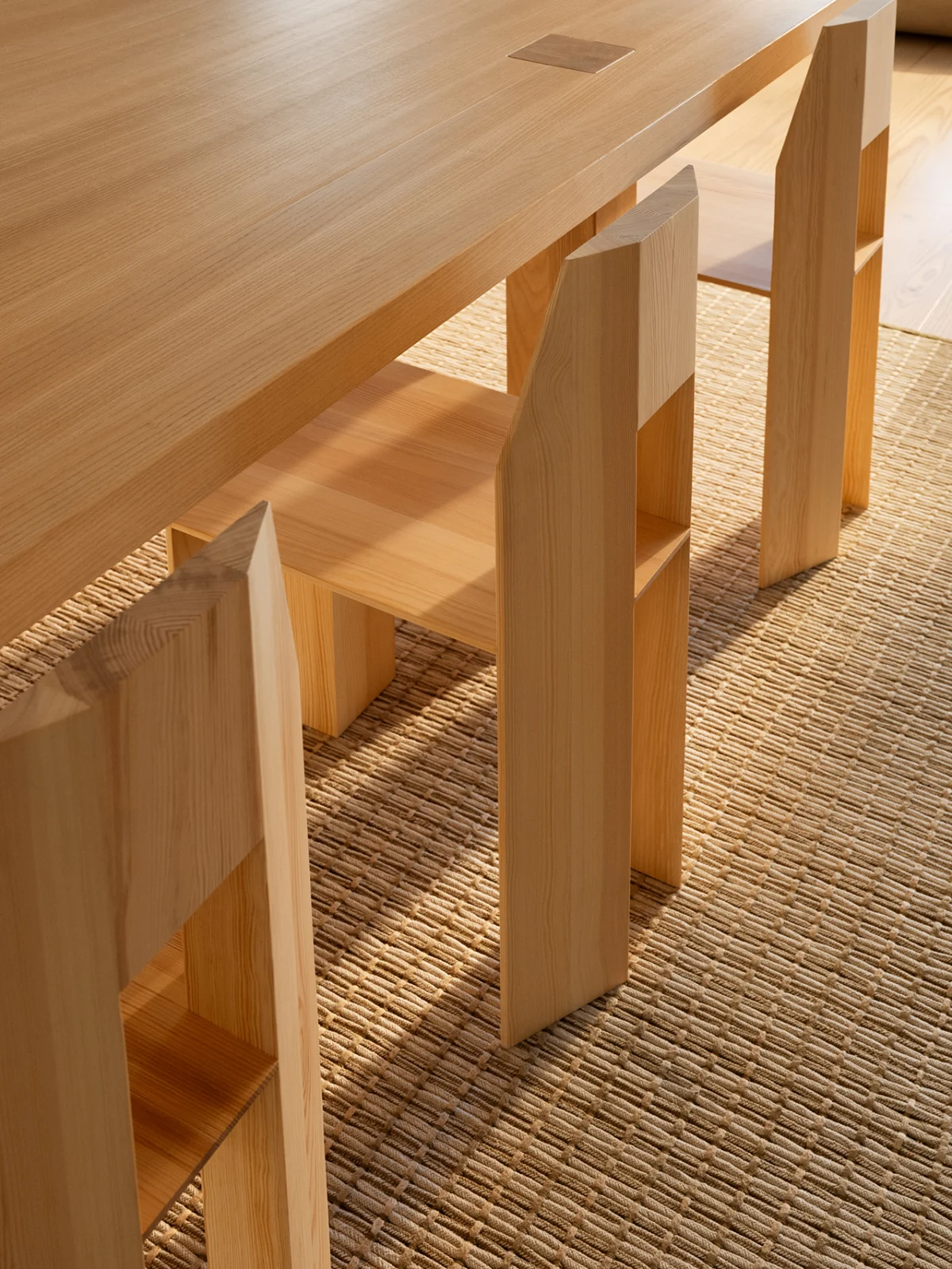
For well over a decade, British designer Max Lamb has been a prominent figure challenging the established norms and manufacturing paradigms of the contemporary furniture industry, an arena often perceived as still heavily influenced by Modernist conventions and the bottom-line economic models of often-disjointed mass production. His work consistently seeks to reinterpret and revitalize traditional craft techniques, an approach that has seen him carve, sand-cast, mold, and fold materials into designs that are distinctly his own. This unique methodology is deeply rooted in finding innovative applications for salvaged components and embracing unexpected natural elements that previous designers might have overlooked or deemed unsuitable for furniture production. The recent serial production of his long-developed "Economy Chair," now rebranded as the "Min Chair," by the innovative Swedish brand Hem, stands as a testament to Lamb’s enduring philosophy and its successful translation into a scalable, commercially viable product, offering a profound statement on design, sustainability, and the future of manufacturing.
Max Lamb: A Maverick in Modern Design
Max Lamb’s career trajectory is marked by a deliberate departure from the prevailing industrial design ethos that emerged from the early 20th century. This ethos, rooted in Modernism, frequently prioritized sleek aesthetics, standardized materials, and efficient mass production above all else, often at the expense of material honesty and artisanal processes. Lamb, who honed his skills at institutions such as Northumbria University and the Royal College of Art, entered a design landscape ripe for re-evaluation. His portfolio, often characterized by a raw honesty and a profound respect for the inherent properties of materials, directly confronts the legacy of Modernist convention, which, while revolutionary in its time, inadvertently fostered a detachment from the origins and tactile qualities of materials.
Lamb, instead, champions a "truth to materials" philosophy, a principle deeply rooted in historical design movements like the 19th-century Arts and Crafts movement. Key figures such as Augustus Pugin, a leading theorist of the Arts and Crafts movement, vehemently criticized industrialization and advocated for design that was an honest expression of its making and the intrinsic characteristics of the materials employed. Pugin’s call for a return to handcrafted quality and his emphasis on the moral imperative of honest construction resonate profoundly with Lamb’s practice. For Lamb, the aesthetic appeal and functional integrity of an object are not predetermined ideals but rather direct outcomes of the making process itself, reflecting the natural form and properties of the incorporated materials. This foundational philosophy ensures that minimal processing or artificial adulteration is necessary, making his approach inherently sustainable and environmentally conscious, a prescient stance in an era increasingly concerned with ecological impact.
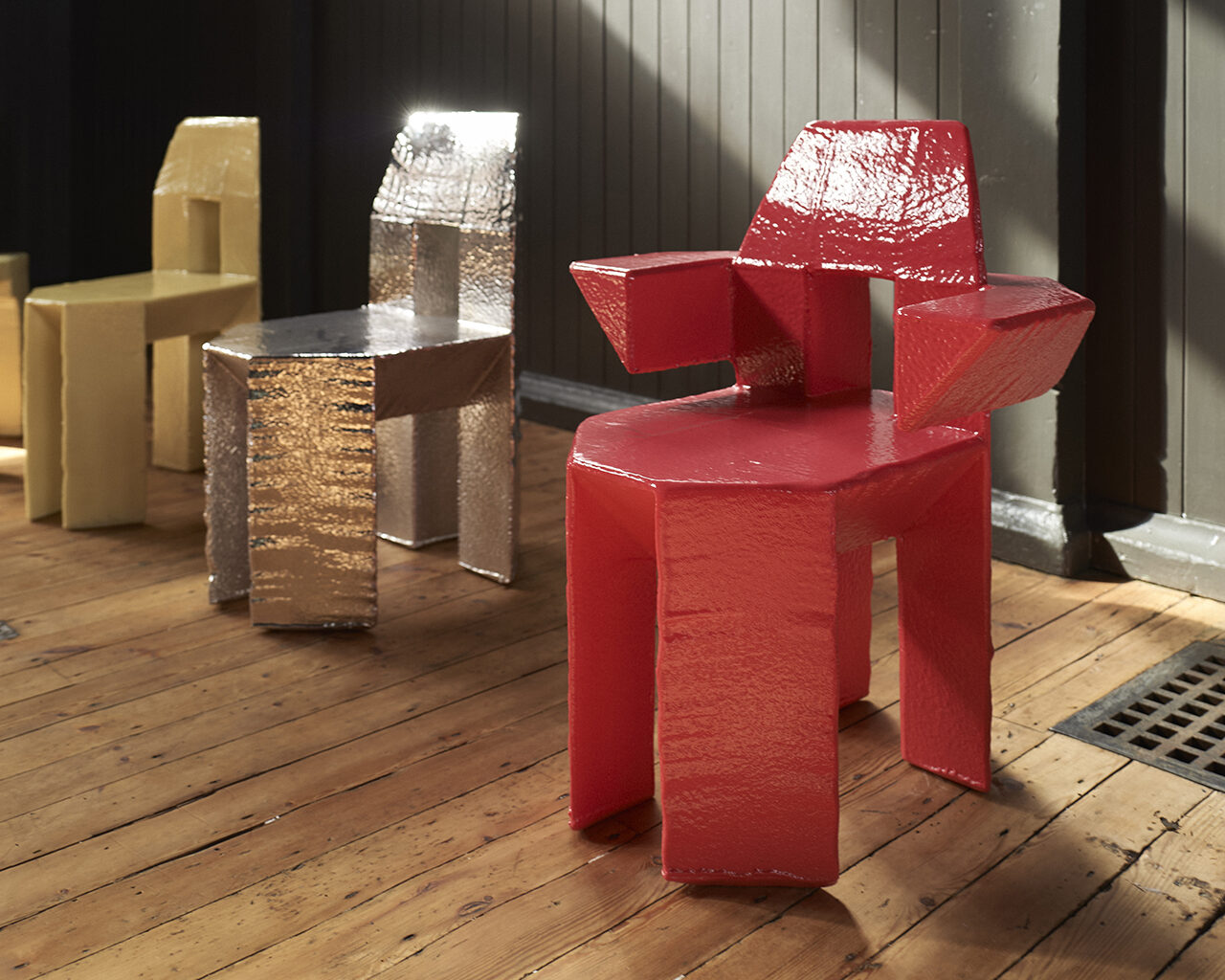
Lamb’s diverse body of work showcases his relentless exploratory nature, ranging from large-scale public installations to more intimate domestic objects. His early and influential projects, such as the "Pewter Stool" (2006), involved the direct casting of molten pewter into an excavated earth mold, allowing the natural contours of the ground to dictate the final form. Similarly, his "Poly" series (2007) utilized expanded polystyrene, meticulously carved with a hot wire, demonstrating a fluid, almost sculptural approach to what is typically considered an industrial material. These projects, among many others, exemplify his commitment to process-driven design and his willingness to experiment with unconventional methods to achieve unique, materially honest outcomes. His practice extends beyond mere object creation; it fundamentally questions the act of production itself, urging both designers and consumers to reconsider the origins, lifecycle, and environmental footprint of their possessions.
The Min Chair: A Synthesis of Craft and Precision
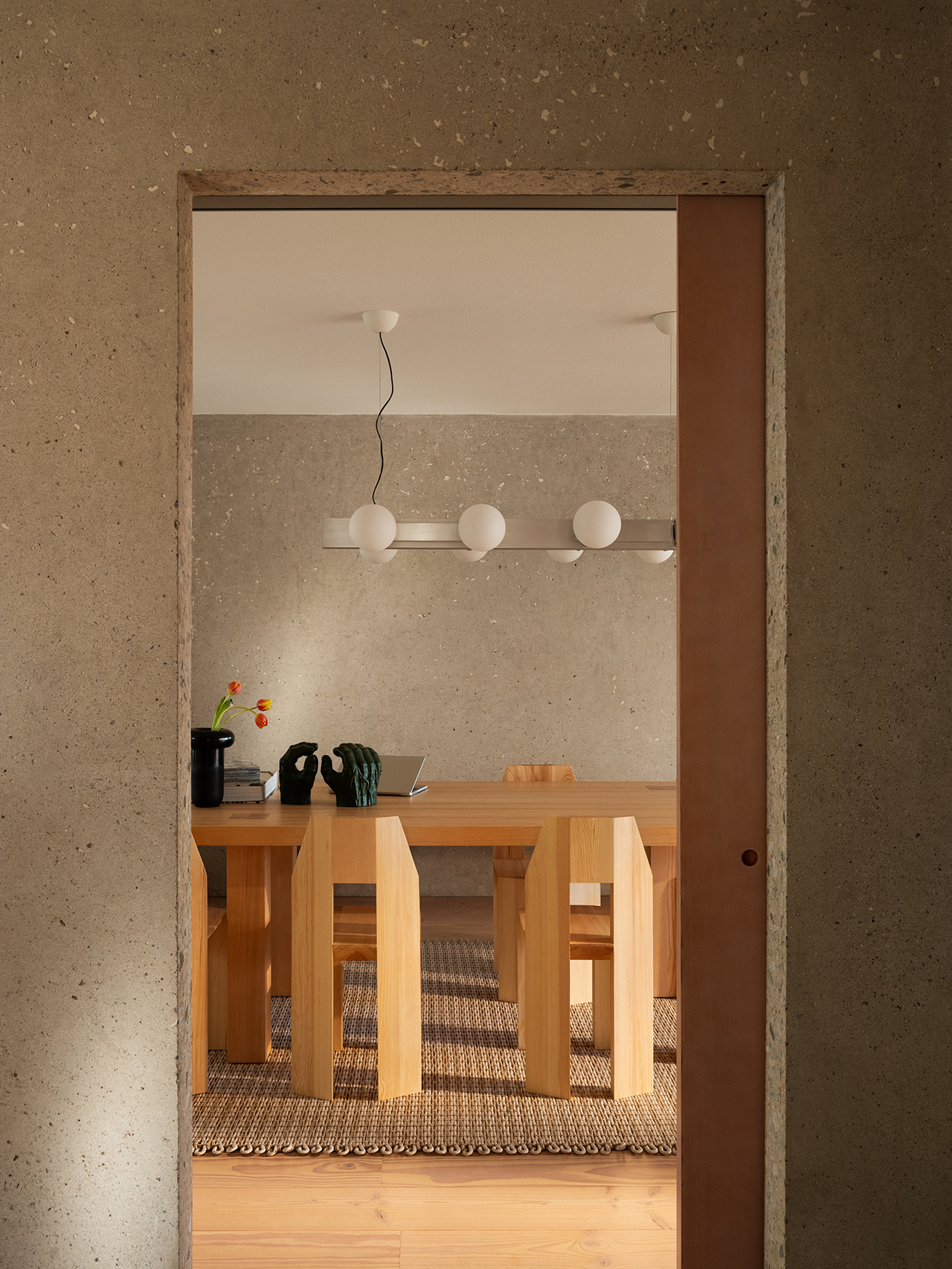
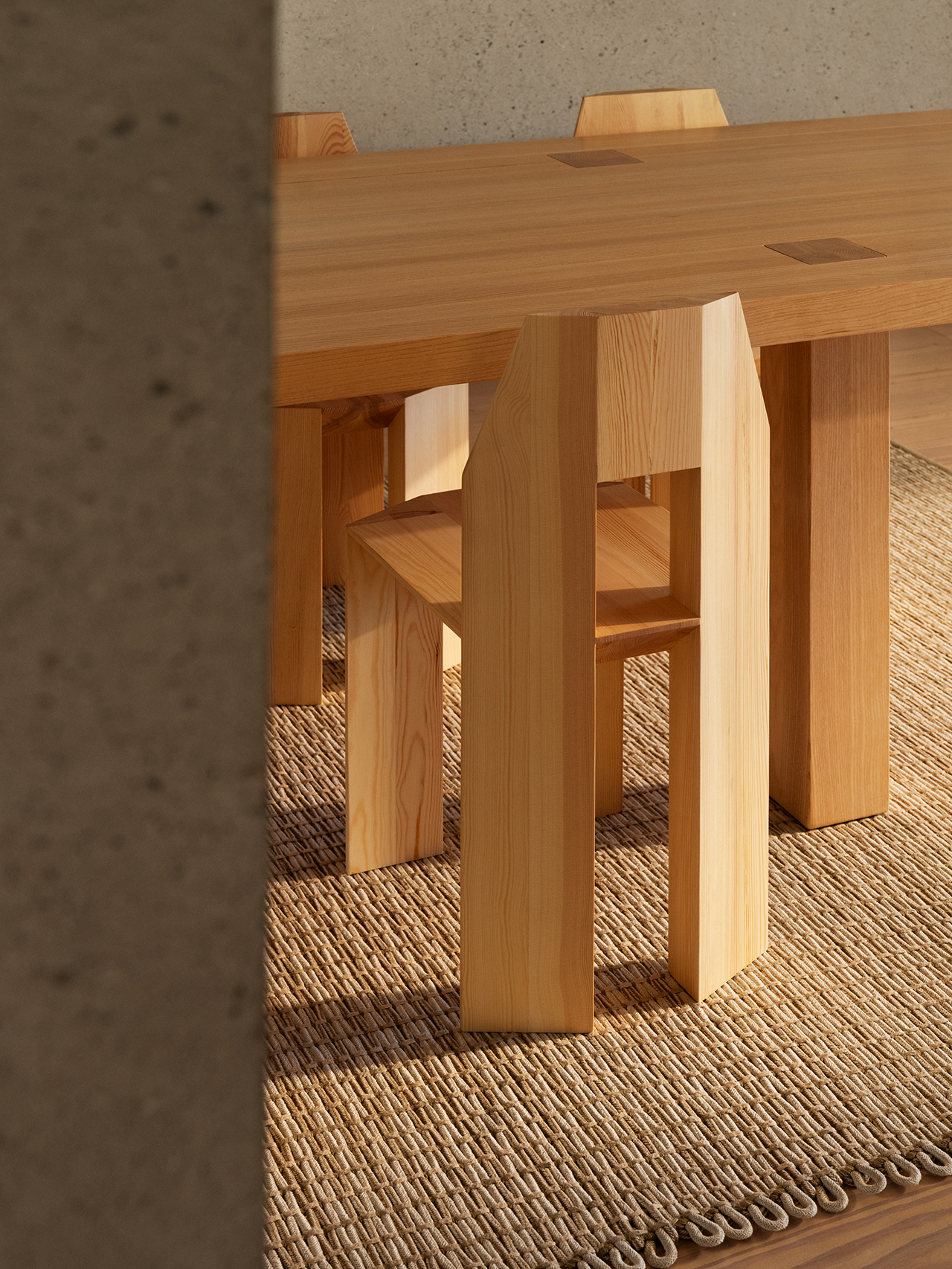
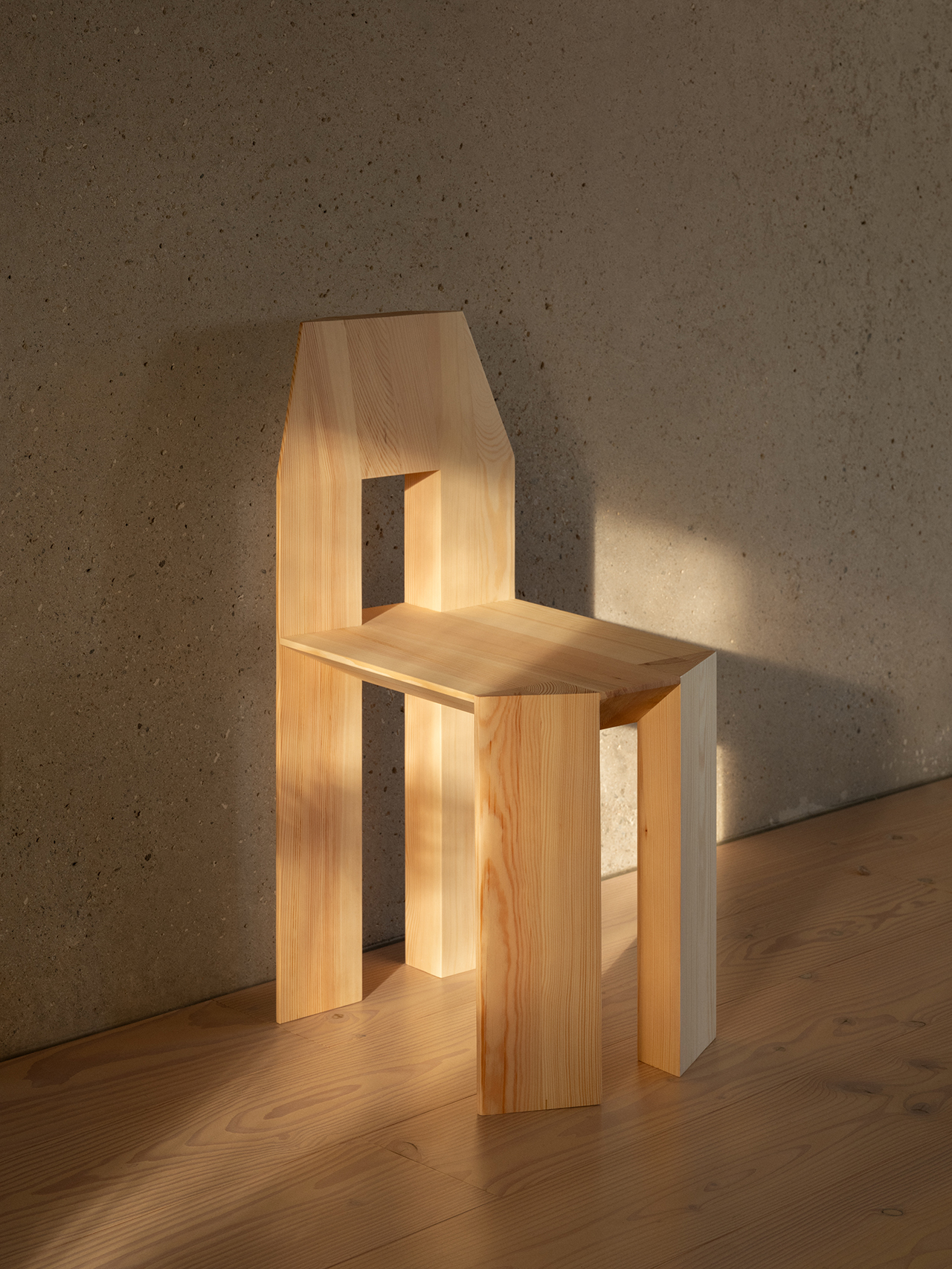
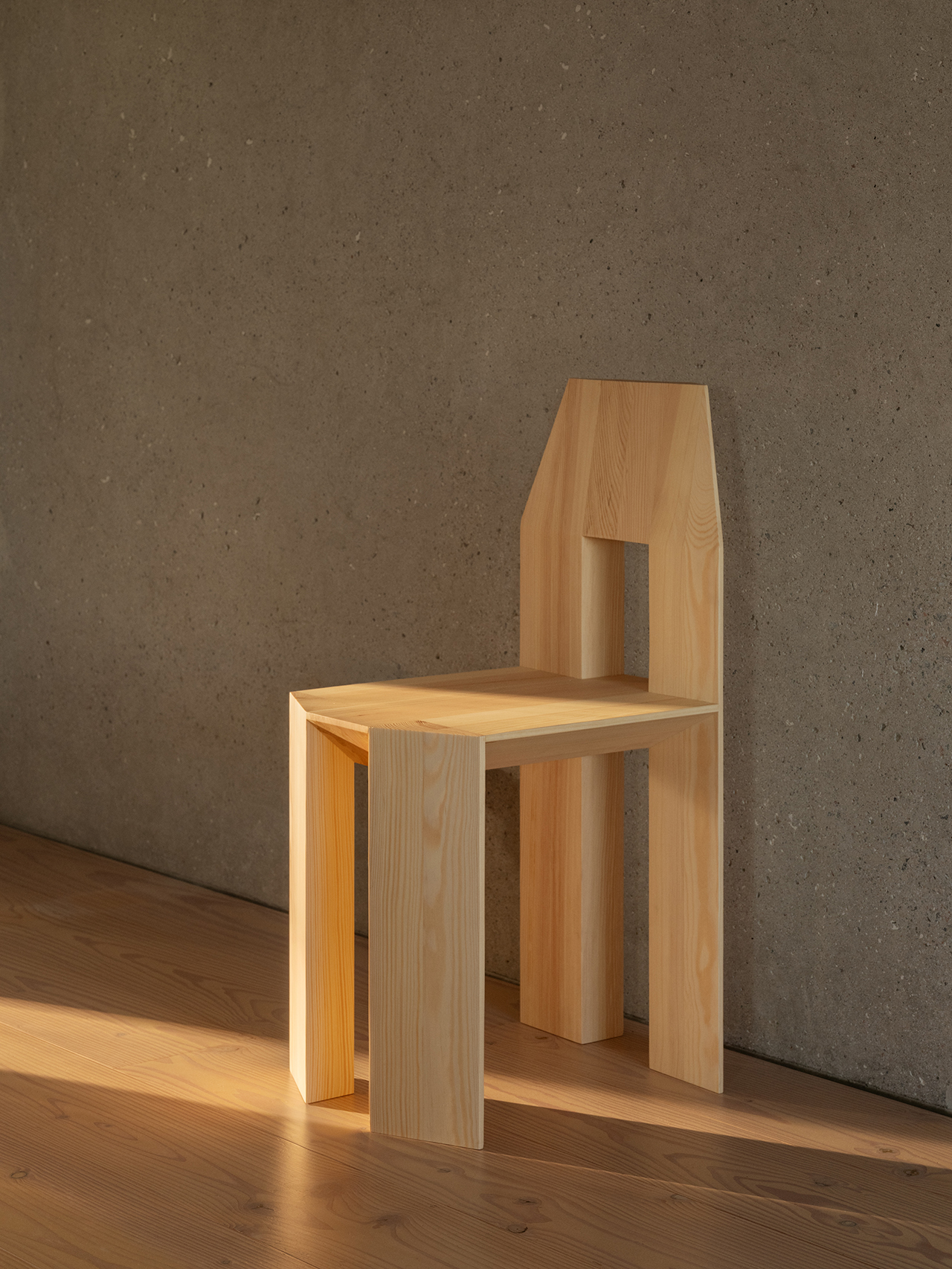
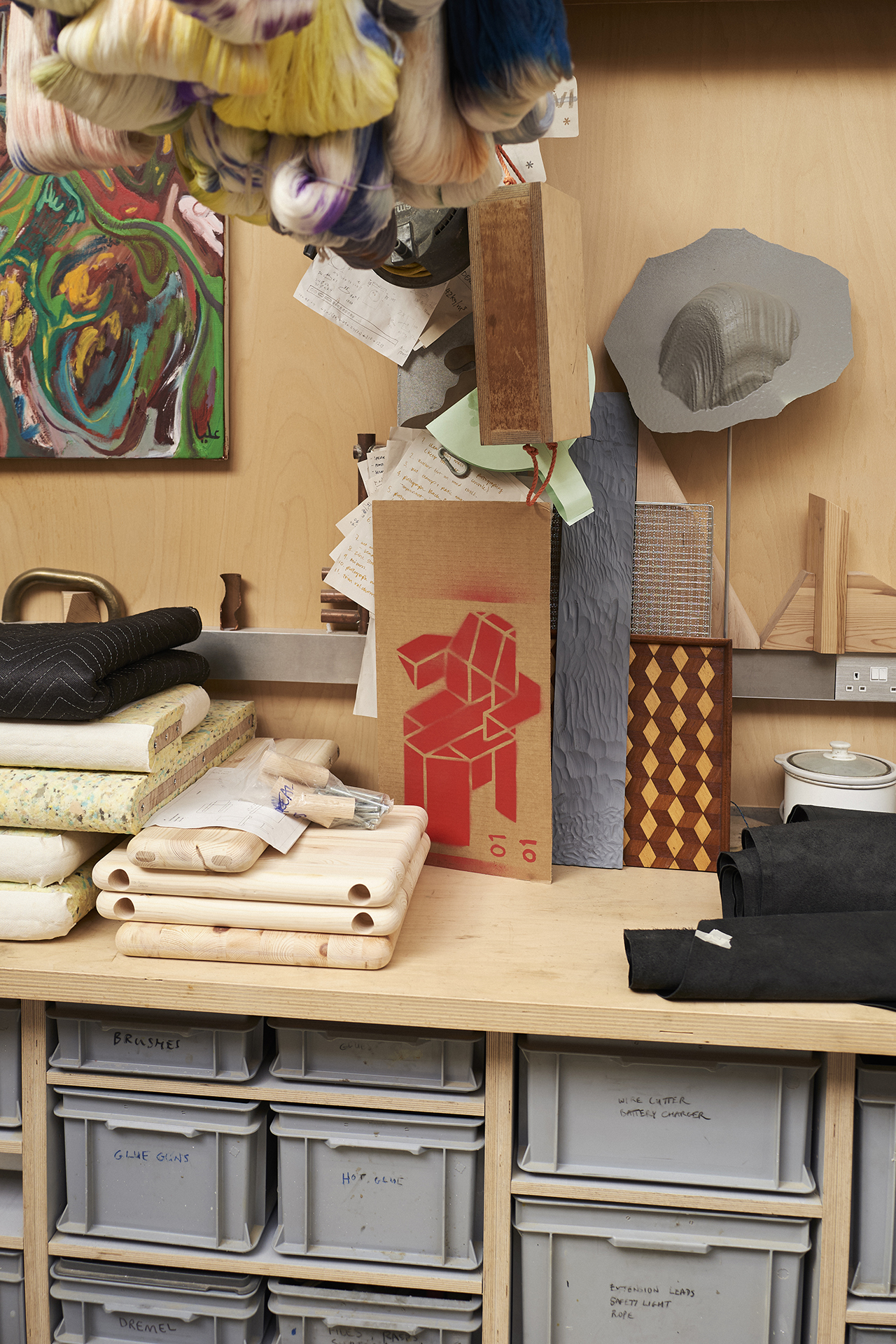
The Min Chair, originally conceived as the Economy Chair, stands as a compelling embodiment of Max Lamb’s design ethos, synthesizing his craft-led experimentation with a meticulously precise, almost hyper-engineered approach to construction. In contrast to some of his more overtly organic or roughly hewn creations – such as the "rock settees" where the functionality of seating is deliberately challenged by the raw, natural form – the Min Chair presents a design that is both rigorously calculated and refreshingly straightforward. Its construction relies entirely on pinewood beams of uniform dimension, a deliberate choice that underscores a commitment to material efficiency and a simplified, honest aesthetic. The brilliance of the design resides in its precise geometry: each beam is cut at exact angles and then fitted together in an assembly that is both structurally robust and visually striking, transforming basic, readily available timber into a piece of furniture that feels simultaneously familiar and profoundly innovative.
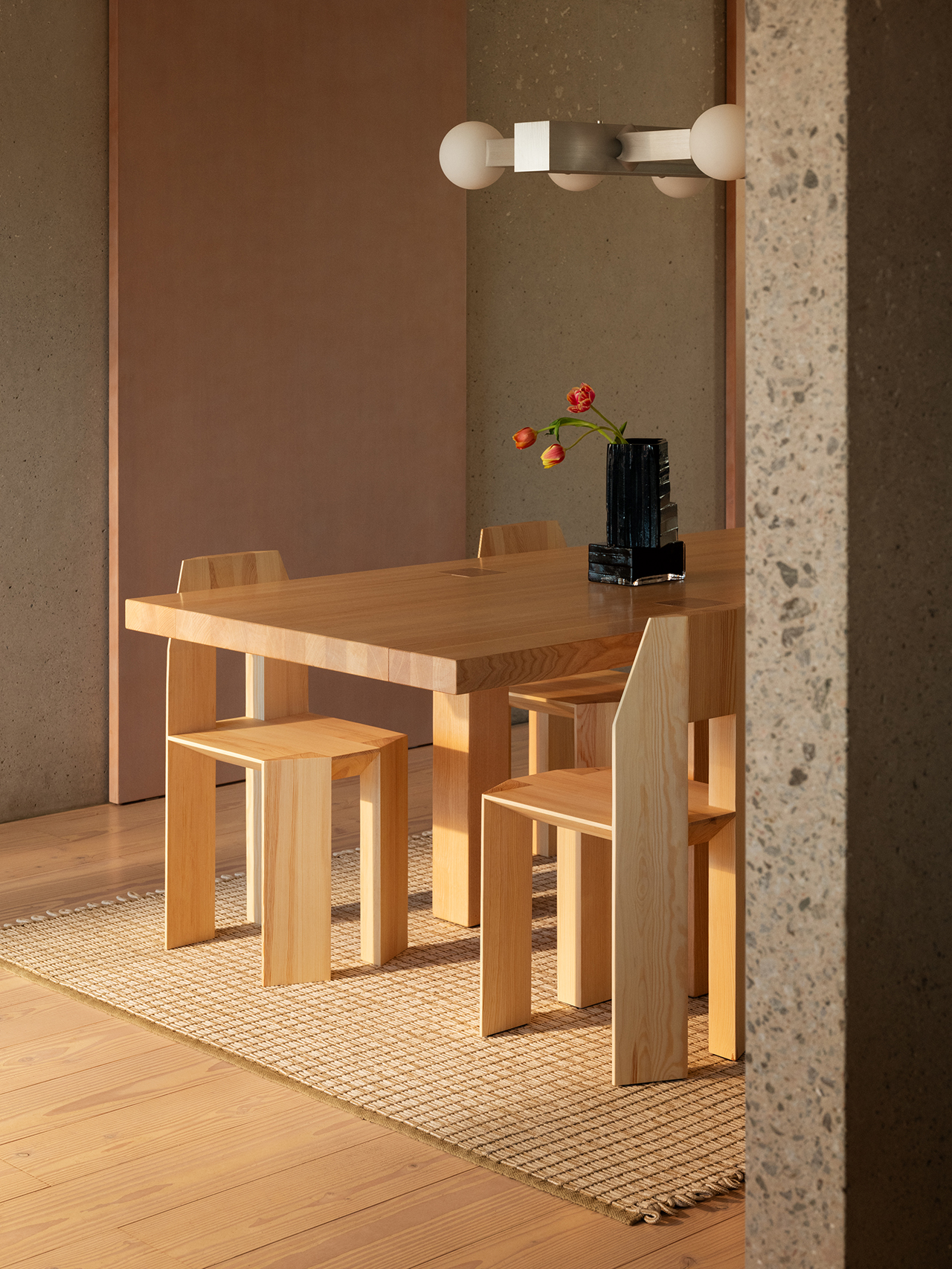
The evolution of the Min Chair was a testament to "intensive trial and error," a rigorous iterative design process characteristic of Lamb’s methodology. This extensive research was dedicated to "attaining maximum character with minimal means," pushing the boundaries of what could be achieved with fundamental components and precise joinery. The chair’s apparent simplicity belies the sophisticated engineering required to ensure its structural integrity and ergonomic comfort. The utilization of standardized beams not only optimizes material usage but also streamlines the manufacturing process, aligning perfectly with a sustainable agenda. The "rudimentary" aspect refers to the elemental nature of its components and construction method, harkening back to foundational woodworking principles. Yet, it is "hyper-engineered" in the exactitude of its angles and the deliberate, articulate assembly of its modular components, resulting in a highly stable, durable, and aesthetically coherent form. This inherent paradox is central to the chair’s intellectual depth and its widespread appeal.
Furthermore, the Min Chair offers a profound commentary on the Modernist tenet of "form follows function." While Modernism dictated that a design’s aesthetic should be a direct consequence of its intended utility, Lamb’s approach subtly yet powerfully reorients this principle. For Lamb, the form, and indeed the function, emerge organically from the intrinsic properties of the chosen materials and the authentic process of making. The Min Chair does not merely follow function; its distinctive sculptural form, derived from the systematic cutting and assembly of its modular components, inherently communicates its purpose while simultaneously transcending it. There is no superfluous decorative detail, no extraneous energy exerted in its creation; the design is unabashedly sculptural precisely because it is so straightforward and honest in its construction, allowing the material and the method to dictate its unique character and utility. This deliberate rejection of superficial ornamentation in favor of inherent material expression marks a significant evolution in contemporary design discourse, advocating for a deeper, more truthful engagement with the objects we inhabit.
Hem’s Vision: Scaling Sustainable Design
The decision by Hem, the innovative Swedish design brand, to bring the Min Chair into serial production is a significant endorsement of Max Lamb’s design philosophy and a strategic move within the broader contemporary furniture market. Founded in 2014, Hem quickly established itself as a leading purveyor of high-quality, contemporary furniture and accessories, distinguished by bold aesthetics, functional versatility, and a commitment to a direct-to-consumer model that emphasizes accessibility. Hem’s business model is built around strategic collaborations with a carefully selected "tight roster of talents," designers whose visions align with the brand’s commitment to pushing boundaries while upholding standards of quality and innovation. This long-standing relationship with Max Lamb dates back to the early 2010s, with the successful development of his acclaimed Last Stool, a project that solidified the synergy between Lamb’s artisanal approach and Hem’s ambition for scalable, thoughtful design.
Petrus Palmér, Hem’s founder and CEO, eloquently articulated the brand’s role in this partnership: "This is an exciting continuation of our work with Max… As editor, our role was to bring this iteration into production without compromising the idea." This statement illuminates Hem’s unique position as a design facilitator, adept at translating Lamb’s "self-build logic"—a methodology often confined to bespoke or small-batch production—into a model that can be scaled for a wider global audience. The inherent challenge lies in maintaining the integrity and artisanal feel of Lamb’s original concept while adapting it for efficient manufacturing and distribution. Hem achieves this through meticulous engineering, precise material sourcing, and a focus on modularity that allows for simplified assembly, often by the end-user. This approach further embeds the "self-build" ethos into the product’s lifecycle, empowering the consumer and extending the design’s philosophical reach.
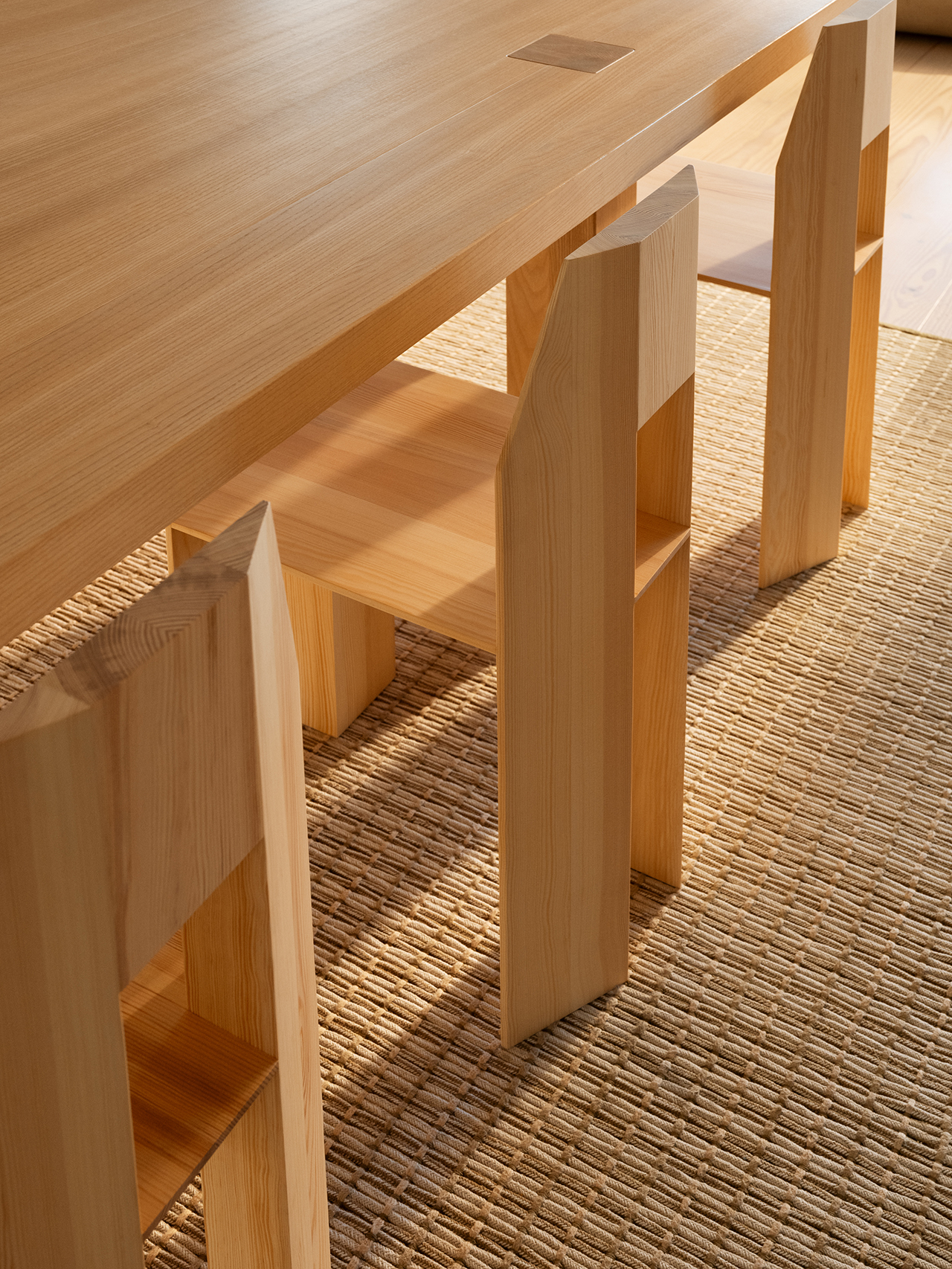
This collaboration underscores a growing and vital trend in the design industry: the successful bridging of independent, experimental design with commercial viability. Hem’s ability to mass-produce the Min Chair without sacrificing its core design principles—its material honesty, precise construction, and inherent sustainability—demonstrates a sophisticated understanding of contemporary consumer values. Modern consumers are increasingly seeking products that possess a compelling narrative, reflect ethical production practices, and exhibit a unique aesthetic character, moving beyond mere functional utility. Hem’s partnership with Lamb positions the Min Chair not merely as a piece of furniture, but as a powerful statement about responsible design and the immense potential for craft-inspired products to thrive in a global market. This strategic alignment allows Hem to offer distinctive, meaningful designs that resonate deeply with a discerning clientele, thereby reinforcing its reputation as a leader in forward-thinking contemporary furniture.
Sustainability at the Core
The Min Chair embodies a deeply ingrained commitment to sustainability, a principle that has been central to Max Lamb’s design practice throughout his distinguished career. In an industry grappling with the profound environmental impact of material extraction, energy-intensive manufacturing processes, and increasingly short product lifecycles, Lamb’s design offers a compelling and responsible alternative. The primary material, pinewood, is a fast-growing, renewable resource, typically sourced from sustainably managed forests, ensuring that its procurement contributes to ecological balance rather than depletion. The strategic use of standardized pinewood beams not only ensures structural consistency and durability but also inherently minimizes material waste during the manufacturing process. This approach stands in stark contrast to traditional manufacturing methods that often entail extensive material transformation, reliance on chemical treatments, and the generation of significant offcuts and waste.
Lamb’s philosophy of "little processing or adulteration" is a cornerstone of the Min Chair’s robust environmental credentials. By embracing the inherent properties of the wood and relying on precise cuts and intelligent assembly rather than complex finishes or composite materials, the chair significantly reduces its ecological footprint. The energy expenditure involved in systematically cutting and assembling the modular components is carefully optimized, ensuring that the production process itself is as efficient and low-impact as possible. This considered approach to resource management and energy consumption extends beyond the initial manufacturing phase; the chair’s robust construction and timeless aesthetic contribute significantly to its longevity, thereby encouraging a longer product lifecycle and reducing the frequency of replacement—a critical factor in mitigating environmental impact in the furniture sector.
The broader implications of this sustainable design paradigm are far-reaching and significant. It challenges the industry to move beyond superficial "greenwashing" tactics and to adopt genuinely eco-conscious practices across the entire value chain, from responsible material sourcing to comprehensive end-of-life considerations. By demonstrating unequivocally that highly aesthetic and functional furniture can be produced with minimal environmental impact, the Min Chair serves as a powerful exemplar for other designers and manufacturers globally. It resonates deeply with a growing consumer demand for transparency and authenticity in product origins and production methods. The inherent sustainability of the Min Chair is not an afterthought or an added feature; it is an integral and foundational component of its design DNA, reinforcing Lamb’s vision of furniture that is honest, responsible, and enduring. This holistic approach to sustainability unequivocally positions the Min Chair as a benchmark for environmentally conscious design in the 21st century.
Impact and Future Implications
The introduction of the Min Chair into serial production by Hem carries significant implications for the contemporary design landscape, solidifying Max Lamb’s profound influence and pointing towards critical future directions for the global furniture industry. This pivotal collaboration demonstrates that experimental, craft-led design, often confined to limited editions or gallery-focused pieces, can successfully transition to a scalable industrial model without sacrificing its artistic integrity, philosophical depth, or material honesty. It offers a tangible and compelling example of how innovative production methods, like Hem’s ability to translate Lamb’s "self-build logic" into mass production, can effectively democratize access to high-quality, sustainably minded design for a broader consumer base. The chair challenges both designers and consumers to fundamentally rethink value, shifting the focus from fleeting trends and complex, often superficial, aesthetics to enduring quality, inherent material honesty, and responsible, transparent production.
For the wider furniture industry, the Min Chair serves as a potent and timely case study. It highlights the increasing market demand for products that are not only aesthetically pleasing and functionally robust but also tell a compelling story of their origin, materials, and environmental responsibility. Brands that can effectively bridge the perceived gap between artisanal craft and industrial efficiency, as Hem has demonstrably done with Max Lamb, are increasingly likely to gain a significant competitive advantage in a market where ethical consumption and environmental consciousness are rapidly becoming defining factors for consumer choice. The chair’s design, which judiciously leverages simple, readily available materials and precise engineering to create a visually sophisticated and structurally sound object, also encourages a critical re-evaluation of design complexity. It subtly suggests that the most elegant and impactful solutions often lie in reduction, clarity, and an authentic expression of materials, rather than in excessive ornamentation or technological extravagance.
Moreover, the Min Chair actively contributes to a broader cultural conversation about our relationship with objects in an increasingly consumerist world. In a market saturated with often ephemeral, mass-produced goods, designs like the Min Chair offer a profound sense of grounding, authenticity, and permanence. Its "ontologically self-communicating purpose" means it inherently reveals its making, inviting users to engage with and appreciate the meticulous craftsmanship and material intelligence embedded within its structure. This transparency fosters a deeper, more meaningful connection between the user and the object, promoting a sense of longevity, care, and responsible ownership that actively counters the prevailing disposable culture. As consumer awareness of environmental and social impact continues to grow and mature, designs that prioritize inherent sustainability, material honesty, and a clear lineage of craft will undoubtedly continue to shape market preferences and drive innovation across the design sector. The Min Chair, therefore, is not merely a new product; it is a significant marker in the ongoing evolution of design, sustainability, and responsible manufacturing, setting a new benchmark for what modern furniture can and should embody.







