
 Indra Kusuma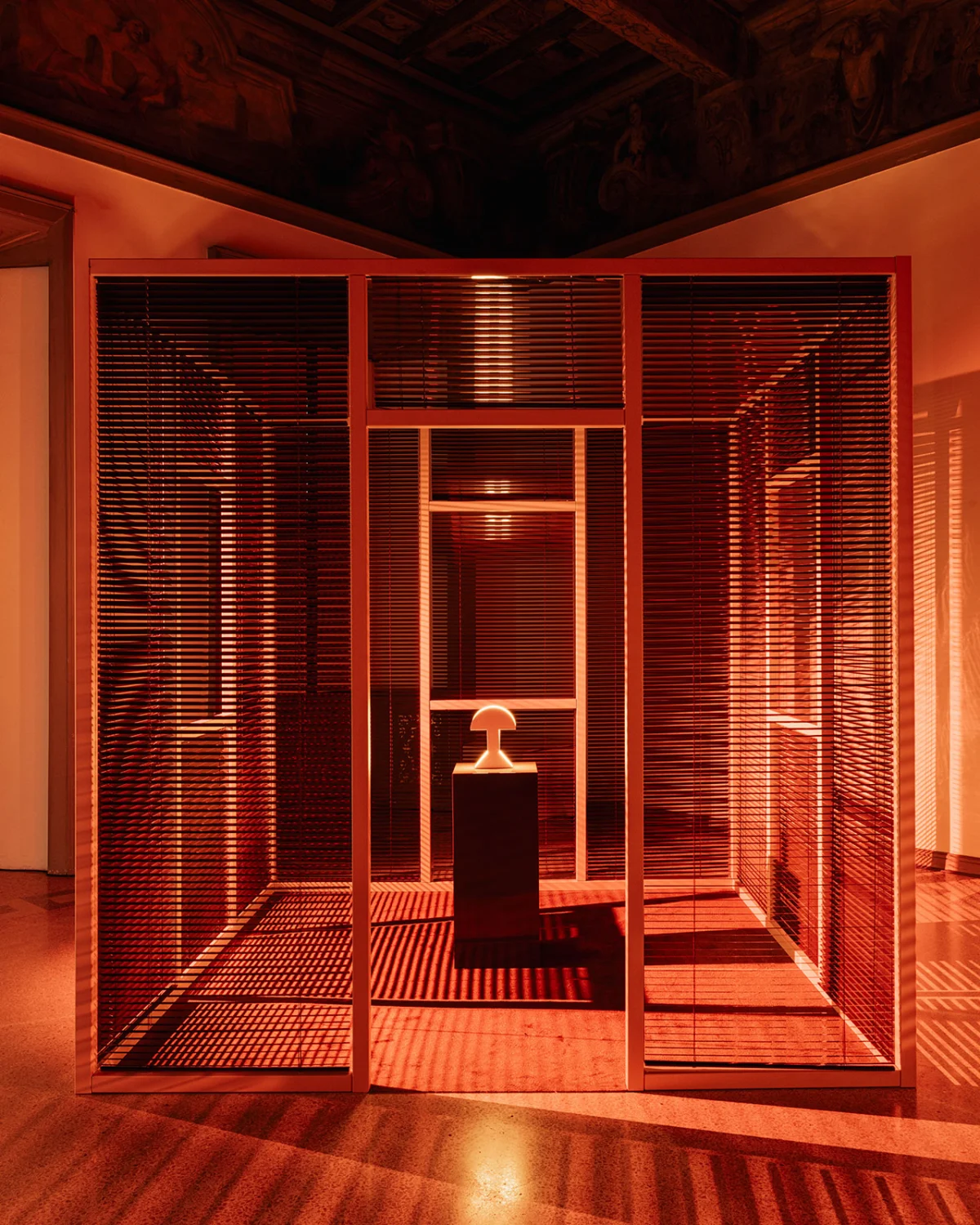
In a dynamic design landscape increasingly defined by collaborative ventures, the synergy between disparate brands has become a potent force, frequently navigating the delicate balance between preserving artistic integrity and achieving broad commercial appeal. While some partnerships risk diluting a designer’s distinctive vision into mere surface aesthetics, others successfully forge a more democratic pathway, making a fully realized design philosophy accessible to a wider audience. The forthcoming collaboration between celebrated interior designer Kelly Wearstler and retail giant H&M HOME emphatically aligns with the latter, signaling a pivotal moment for both entities and for the broader democratization of high-end design.
The Evolving Landscape of Design Collaborations
The practice of collaboration is not new to the design world, yet its prevalence and strategic importance have intensified significantly in recent years. Fashion houses routinely engage architects for runway sets or limited-edition collections, furniture brands invite visual artists to imbue their pieces with new narratives, and major retailers strategically partner with established designers to translate exclusive aesthetics into products available beyond the rarefied confines of collectible galleries or bespoke residential interiors. This phenomenon reflects a dual ambition: for high-end designers, it offers expanded reach and brand exposure; for mass-market brands, it provides an infusion of prestige, innovation, and a coveted design narrative.

However, the outcomes of these partnerships are often varied. A common pitfall is the "flattening" of a designer’s unique voice, where intricate concepts are reduced to superficial patterns or motifs, losing the depth and tactile quality that defines their original work. Conversely, successful collaborations manage to distill the essence of a designer’s world, translating complex ideas into tangible, accessible objects without compromising the core principles of their craft. This is precisely the challenge Kelly Wearstler and H&M HOME sought to address, aiming to bridge the gap between aspirational luxury and everyday living.
Introducing Kelly Wearstler: A Doyenne of Distinctive Design

Kelly Wearstler stands as an undisputed icon in the world of interior design. Renowned for her fearless use of color, texture, and materiality, she has cultivated a signature style characterized by a vibrant blend of old-world glamour and contemporary edge. Her portfolio spans high-profile residential projects for celebrities, luxury hospitality ventures including hotels like the Proper Hotels and Viceroy properties, and a highly acclaimed line of furniture, lighting, and decorative objects. Wearstler’s aesthetic is maximalist yet meticulously curated, often incorporating sculptural forms, unexpected material juxtapositions, and a profound sense of atmosphere. She is celebrated for crafting immersive, narrative-driven environments that transcend fleeting trends, embodying a philosophy where design is an experience rather than just an arrangement of objects. Her ability to infuse spaces with personality and emotional resonance has garnered her a global following and numerous accolades.
H&M HOME’s Strategic Expansion and Market Position

H&M HOME, as part of the Swedish multinational retail-clothing company H&M Group, has steadily grown its presence in the home decor market since its inception. Initially offering a range of affordable textiles, decorative items, and kitchenware, the brand has progressively expanded its collections to include larger furniture pieces and more sophisticated design elements. This expansion reflects a broader consumer trend: a growing appetite for stylish, contemporary home furnishings that are both accessible in price and reflective of current design sensibilities.
The collaboration with Kelly Wearstler marks a significant strategic pivot for H&M HOME. It signifies the brand’s ambition to elevate its design credentials and appeal to a more discerning segment of the market, while still adhering to its core principle of democratic pricing. By partnering with a designer of Wearstler’s caliber, H&M HOME aims to demonstrate its capacity to offer genuinely authored design solutions that extend beyond mere trend replication. This move positions H&M HOME not just as a provider of home goods, but as a curator of design experiences, further cementing its competitive stance in the increasingly crowded home furnishings sector, which analysts project to continue robust growth globally.

A Groundbreaking Debut at Milan Design Week 2026
The collection’s conceptual installation, unveiled during Milan Design Week 2026, served as a multi-layered debut of unprecedented significance. It marked H&M HOME’s inaugural presence at the prestigious international design fair, a highly competitive platform where leading design houses, emerging talents, and global brands showcase their latest innovations. For Kelly Wearstler, it was also her first official presentation at Milan Design Week, underscoring the weight and ambition of this particular collaboration. Most notably, this partnership represents H&M HOME’s first designer collaboration to encompass not only smaller decorative objects but also a substantial range of large-scale furniture pieces, a bold step that underscores the depth of Wearstler’s creative contribution.

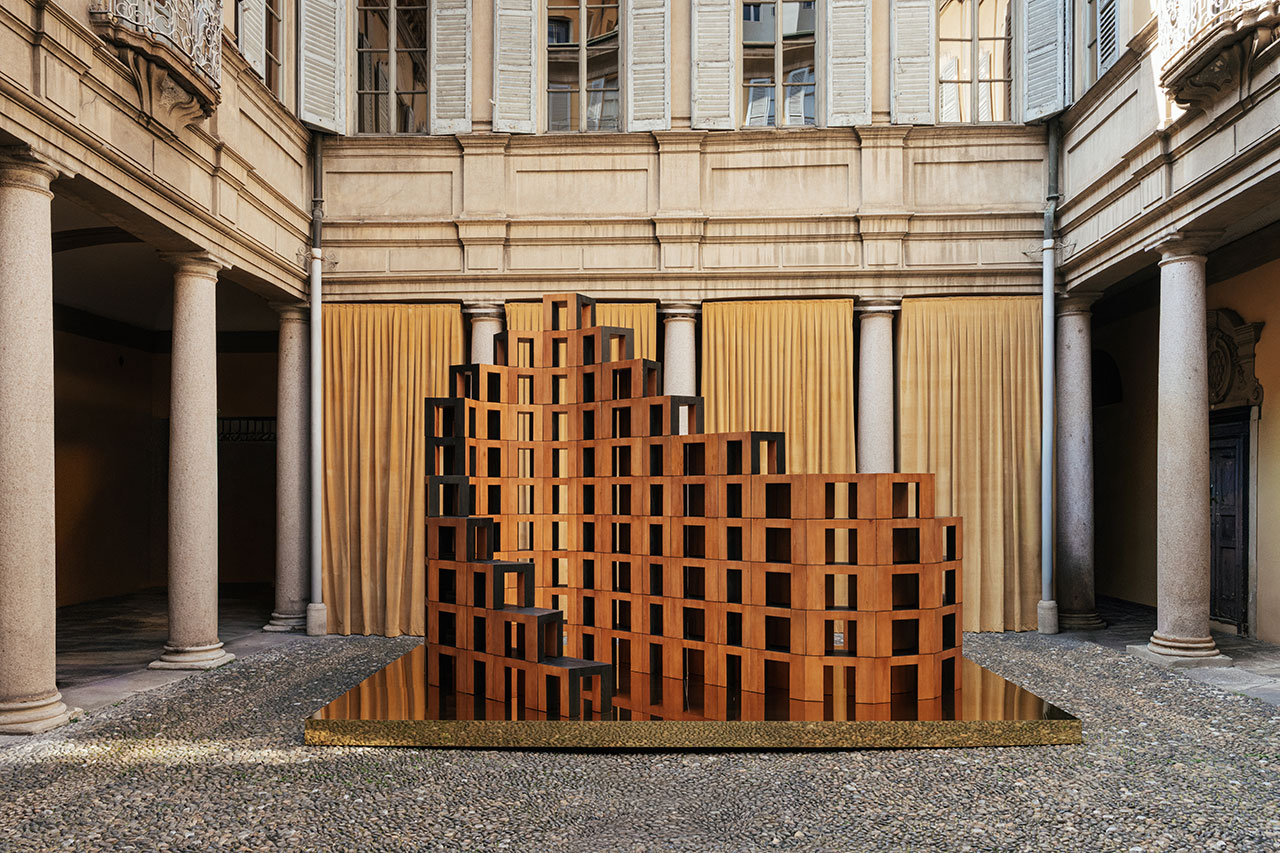
The choice of venue for the Milan presentation was as deliberate and impactful as the collection itself. The exhibition was staged within the historic Palazzo Acerbi, a magnificent 17th-century Baroque palace located on Corso di Porta Romana. This architectural masterpiece, usually closed to the public, provided an extraordinary backdrop, creating a captivating dialogue between centuries of design. The soaring columns, frescoed ceilings, and ornate interiors of the palace were not merely a dramatic setting; they actively engaged with Wearstler’s contemporary designs, sharpening their modern language and highlighting their sculptural presence.
Produced by Studio Boum, the installation was an immersive and meticulously choreographed journey. Visitors were guided through various rooms, each designed to explore a different facet of the collaboration and evoke distinct sensory experiences. This experiential approach resonated deeply with Wearstler’s own philosophy, which emphasizes the emotional and atmospheric impact of design. The juxtaposition of modern, tactile pieces against a backdrop of Baroque grandeur served to amplify the collection’s unique character, proving its ability to command attention and create its own narrative within a rich architectural context.

The Collection: A Spatial Proposition of Materiality and Form
The core innovation of the Kelly Wearstler H&M HOME collection lies in its departure from a typical "limited assortment of decorative accents." Instead, Wearstler and H&M HOME have collaboratively constructed something akin to a "spatial proposition," a comprehensive suite of objects and furniture designed to interact and shape an entire living environment. This shift in scale is crucial, allowing Wearstler’s signature command of material, proportion, and atmosphere to translate into a format accessible to a broader audience.

The collection features a rich array of materials, including various woods, metals, ceramics, marble, and textiles. This diverse material palette is central to Wearstler’s aesthetic, known for its tactile contrasts and layered textures. Key pieces like the NOXEN Modular Stool, the ETRINE Marble Tray, the CURVA Vase, and the SOLUNA Lounge Chair exemplify a distinctive vocabulary of strong silhouettes, sculptural presence, and a nuanced interplay of forms. Each item, while possessing its own distinct personality, is conceived as an integral part of a larger interior narrative, designed to complement and enhance one another.
Wearstler elaborates on this foundational concept: "From the outset, the thinking was always spatial. Even though the collection exists as individual pieces, they were conceived in relation to one another – how they can be personalized to live together, how they shape a room, how they support the way people move through a space." This emphasis on the holistic experience of an interior, rather than just individual objects, is a hallmark of high-end design and a significant achievement for a mass-market collaboration.

Redefining Luxury: Experience, Intention, and Atmosphere
In the context of mass retail, design often undergoes a process of simplification, aiming for maximum legibility, efficiency, and broad palatability. However, this collaboration demonstrates that accessibility does not necessitate reduction. The collection maintains an emotional and sensory intelligence, successfully translating the nuance of a highly authored interior into objects capable of circulating through diverse homes and styles.

Wearstler offers a contemporary definition of luxury, moving beyond mere material value to encompass "experience, intention, and atmosphere." She highlights the inherent challenge in a mass context: "In a mass context, the challenge is to preserve that level of nuance. It’s not about simplifying the work, it’s about distilling it and bringing clarity to the idea so that it can exist at scale without losing its integrity." This distillation process is evident in the collection’s robust forms and considered material choices, ensuring that each piece retains a sense of purpose and presence.
This clarity is further expressed through the collection’s emphasis on daily ritual and modular synergy. Wearstler views furniture not as static objects to be merely admired, but as companions to be lived with over time. It should support identity, movement, and mood. "When you think about furniture as a companion, it has to be adaptable, it has to have longevity, it has to earn its place in someone’s life over time," she asserts. "It’s not about a moment; it’s about a relationship." This philosophy imbues the collection with an enduring quality, encouraging consumers to build a lasting connection with their surroundings.

Broader Impact and Implications for the Design Industry
The Kelly Wearstler H&M HOME collaboration is poised to have significant implications across several fronts. For the design industry, it further blurs the lines between high-end, bespoke design and mass-market accessibility. It demonstrates a viable model for renowned designers to expand their reach without sacrificing the core tenets of their creative identity. This could encourage more such partnerships, fostering greater innovation and diversity in the accessible home furnishings sector.

For H&M HOME, this collaboration elevates its brand perception, positioning it as a serious player in curated home design rather than solely a purveyor of fast fashion for the home. Evelina Kravaev-Söderberg, H&M HOME Head of Design & Creative, underscores this ambition: "This collection represents many firsts for us. Having a presence at Milan Design Week has long been a dream, and with Kelly, we knew the moment was right." This strategic move enhances H&M HOME’s credibility and offers consumers an unprecedented opportunity to integrate Wearstler’s celebrated aesthetic into their daily lives at an attainable price point.
Wearstler herself recognizes the profound impact of the Milan setting, noting how the Palazzo Acerbi "created a dialogue between past and present, ornament and restraint, permanence and flexibility. That contrast brought the collection into sharper focus. It showed that the work isn’t dependent on a neutral backdrop. It can hold its own, it can create its own atmosphere, and it can exist within a broader architectural narrative." This insight is critical: the collection’s strength lies in its inherent design integrity, enabling it to adapt and thrive in diverse environments, from a grand Baroque palace to a contemporary urban apartment.

Ultimately, the most compelling achievement of this collaboration may be its redefinition of collectible design. It posits that true collectibility is not solely a function of rarity, price, or limited availability, but rather of authorship, material intelligence, emotional charge, and an object’s intrinsic ability to transform the space it inhabits. By meticulously translating these qualities into a more accessible framework, Kelly Wearstler and H&M HOME are championing a new form of democratization in design: making exceptional design more widely available without ever surrendering its essential atmosphere or integrity. This collaboration promises to inspire a new generation of design enthusiasts and underscore the enduring power of well-considered, thoughtfully crafted objects to enrich our lives.
The Kelly Wearstler H&M HOME collection will be available beginning September 3, 2026, in select stores and online. Photography by Piergiorgio Sorgetti, courtesy of H&M HOME.







