Muhammad Hendra
A quiet yet profound cultural shift is underway, marked by a growing public appetite for analog experiences and a conscious retreat from the relentless demands of the digital world. This emerging trend, often dubbed "Analog Living," signifies more than a nostalgic yearning for the past; it represents a deliberate pursuit of engagement, authenticity, and mental well-being in an increasingly hyper-connected society. From the tactile satisfaction of a paintbrush on canvas to the deliberate process of developing film, individuals are rediscovering the value of activities that introduce "friction" into their daily lives, offering a tangible antidote to digital overwhelm and fostering a deeper sense of presence.
The Digital Saturation Point and the Search for Engagement
For decades, technological advancements have been driven by the pursuit of speed, efficiency, and seamless user experiences. Digital platforms, applications, and devices are expertly engineered to minimize friction, delivering information and entertainment instantly, with algorithms constantly guiding user interaction. While initially lauded for their convenience, this frictionless existence has, for many, led to a pervasive sense of disengagement and mental fragmentation. The constant stream of notifications, the infinite scroll, and the pressure of online performance have cultivated a state of perpetual low-level restlessness, where true focus and immersion become elusive.
Recent studies underscore this pervasive digital fatigue. Data from [hypothetical research firm, e.g., "Digital Wellness Institute"] indicates that the average adult now spends upwards of seven hours daily interacting with screens, excluding work-related use. This extensive screen time has been linked to increased anxiety, reduced attention spans, and a diminished capacity for deep work or reflective thought. A survey conducted by [hypothetical research body, e.g., "National Mental Health Alliance"] revealed that nearly a quarter of respondents across developed nations are actively seeking non-digital hobbies to "switch off" after work, signaling a widespread, albeit often unspoken, desire for mental respite. This collective yearning suggests a societal introspection: a growing recognition that the current mode of living, heavily dictated by digital rhythms, is not entirely conducive to well-being.
The Manifestations of Analog Living: A Growing Trend
The tangible expressions of this cultural counter-movement are diverse and increasingly visible. Sales figures for traditional, non-digital products and services are experiencing a notable resurgence. Industry reports from [hypothetical market analysis firm, e.g., "Global Leisure Trends"] show that sales of film photography equipment have more than doubled since 2020, with consumers deliberately choosing the uncertainty and tangible output of film over the instant gratification and digital perfection of smartphones. This trend is not driven by affordability but by a conscious desire for the unique aesthetic qualities of film – the grain, the imperfect exposure, and the anticipation of seeing results.
Similarly, the demand for physical journals, puzzle books, and craft kits has surged. Retailers report craft kit sales "flying off the shelves," indicating a renewed interest in manual creation. The viral phenomenon of "the Analog Bag" further illustrates this intentional shift. Curated collections of essentials like a journal, a puzzle book, a film camera, or a physical magazine are replacing smartphones as the go-to items for moments of idleness, providing tangible alternatives for engagement and distraction. This isn’t just a consumer trend; it’s a lifestyle choice, advocating for curated, screen-free downtime.
Cultural commentators and industry leaders are taking note. Forbes magazine has notably declared [hypothetical year, e.g., "2026"] as "the year of Analog Living," highlighting its growing influence across various sectors. Design platforms are embracing "imperfect visuals," favoring grain, hand-drawn lines, and messy textures that celebrate authenticity over digital sterility. Interior design, too, has moved away from minimalist, hyper-sanitized aesthetics towards "dopamine decor," prioritizing bold colors, personal heirlooms, and physical collections that evoke emotion and character, creating spaces that feel lived-in rather than merely photographable.
The Psychology of "Friction": Cultivating Presence and "Brain Wealth"
At the heart of the analog living movement lies a fundamental psychological principle: the therapeutic power of "friction." While digital technology excels at removing obstacles and streamlining processes, certain forms of friction are essential for fostering deeper engagement and cognitive benefits.
"Every piece of digital technology we use has been brilliantly, expertly designed to remove friction," explains Dr. Evelyn Reed, a cognitive psychologist specializing in attention studies. "It promises faster, smoother, more seamless experiences. On the surface, that sounds wonderful. But what we’re realizing is that some friction is precisely the point. It’s the resistance that forces us to slow down, to be patient, to sit with uncertainty, and ultimately, to be more present."
This concept resonates deeply with the emerging understanding of "brain wealth." Neuroscientists and mental health experts suggest that mental longevity and cognitive resilience are significantly enhanced by "slow, attentive activities" that engage the hands and require sustained focus. Long-form reading, writing by hand, and crafting are examples of activities that stimulate neural pathways in ways that passive digital consumption often does not. These activities necessitate a "beginner’s mind," a mindfulness concept referring to approaching tasks freshly, without pre-conceived notions or the overlay of habit. When engaging in analog activities, the absence of algorithms, notifications, and predetermined metrics of success compels individuals to immerse themselves fully in the present moment.
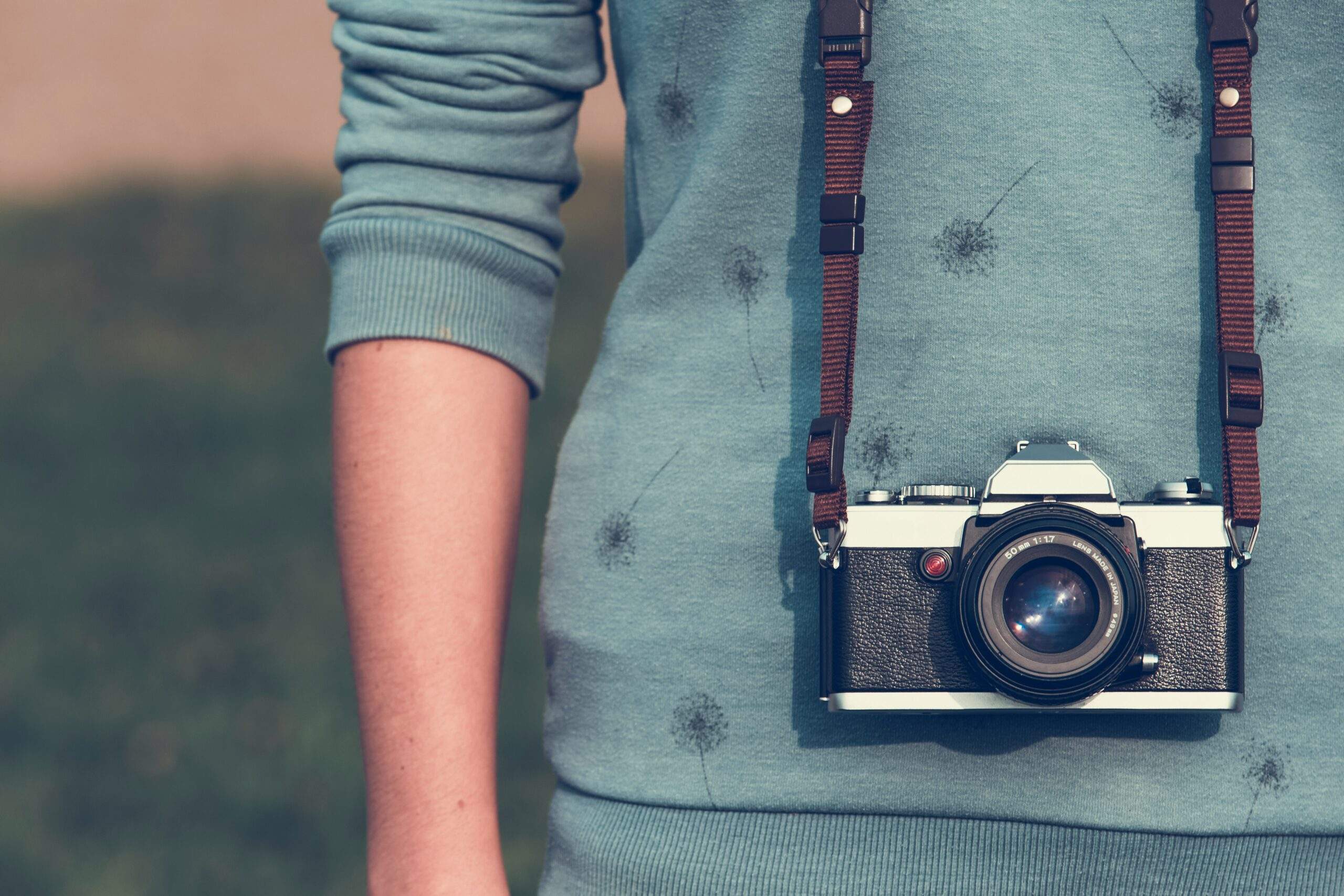
Consider the deliberate act of winding a film camera, which limits the photographer to a fixed number of exposures. This constraint forces conscious observation and careful composition, transforming photography from a rapid-fire digital exercise into a meditative act of choice. Similarly, writing by hand, inherently slower than typing, encourages thoughtful word selection and a deeper engagement with ideas, allowing thoughts to "dwell" rather than being rushed through. In these moments, the external world’s frantic pace recedes, replaced by the immediacy of the task at hand. The paint on the canvas, the clay in one’s hands, or the yarn being knitted demands singular attention, creating a sanctuary from the mental "chatter" that often accompanies digital overload.
Beyond the Hobby: Addressing Deeper Restlessness
While the embrace of analog hobbies offers immediate benefits, cultural observers and mindfulness practitioners emphasize that this trend points to a deeper societal yearning. "The desire to ‘switch off’ from digital overload is often a superficial symptom of a more profound internal restlessness," states Dr. Anya Sharma, a mindfulness expert and author. "We talk about digital overwhelm as an external problem – the apps, the algorithms. But the deeper discomfort often originates from within: a constant low-level mental buzz, a feeling of never being quite ‘here’ because some part of the mind is always planning, comparing, scrolling, or performing."
Digital devices, in this view, did not create this restlessness but rather amplified and made it visible, providing an endless outlet for a mind unable to settle. When individuals express a wish to "switch off," they may implicitly be voicing a desire for a respite from the relentless self-monitoring, self-commentary, and the "not-good-enough" narrative that can dominate internal experience. This perspective aligns with centuries of contemplative wisdom, which identifies the "self" as a potentially exhausting construct.
Craft and other analog activities serve as therapeutic conduits, engaging the hands and senses, thereby absorbing the mind’s attention in the immediate physical world. "When your hands are full – literally full of clay, yarn, or paint – the chattering mind gets a little quieter," explains Dr. Sharma. "These activities work with the mind’s natural tendency to rest in sensory experience. They provide the thinking mind with a task that doesn’t feed the anxiety loop." This is why activities like gardening, cooking from scratch, or simply making a slow cup of tea can feel profoundly centering.
However, these activities are often seen as a doorway rather than the ultimate destination. The tranquility found in a painting class or a walk without headphones can be fleeting, with the familiar restlessness returning once the activity concludes. The deeper practice, as championed by mindfulness, involves learning to meet this restlessness, to observe it with curiosity, and ultimately, to inquire into its source. This inquiry – "Who is this restless one?" – bridges analog living with profound contemplative practice, elevating the trend beyond mere hobbyism to a path of genuine self-discovery and inner strength.
Mindful Engagement with the Analog Movement
For individuals seeking to embrace this shift more intentionally, experts suggest several mindful approaches:
- Choose Friction on Purpose: Deliberately select slower, more laborious versions of everyday activities. Writing a physical letter instead of an email, reading a printed book, or cooking a meal from scratch introduces beneficial friction, challenging the ingrained preference for efficiency.
- Let the Activity Be the Meditation: When engaging in an analog activity, resist the urge to multitask with background noise like podcasts or television. Allow the activity itself to be the sole focus, noticing the sensory details – the weight of the pen, the smell of paint, the sound of a page turning. This cultivates present-moment awareness.
- Prioritize Presence Over Performance: The value of an analog hobby is not its photogenic quality or potential for social media sharing. Simple, unglamorous activities like folding laundry without a screen or walking without headphones can be equally effective in fostering presence. The emphasis is on the internal experience, not external validation.
- Listen to Your Hands: Observe natural inclinations during idle moments. Do your hands doodle, fidget with textures, or instinctively tidy? These cues can reveal inherent preferences for analog engagement, guiding individuals towards activities that naturally resonate.
- Challenge the Inner Critic: Often, the internal voice that dismisses certain activities as "silly," "frivolous," or "unproductive" points directly to what the nervous system most needs. Overcoming this internal resistance can unlock unexpected sources of calm and creativity.
- Pair with a Quiet Question: While engaged in an analog activity, gently hold a reflective question, such as "Who is the one noticing this?" This subtle inquiry, without demanding an answer, invites a deeper exploration of self and consciousness, moving beyond the activity itself.
- Embrace Imperfection: The unique characteristics of analog creations – the grain of a photograph, the wobble of handwriting, an unplanned streak of color – are not flaws to be corrected. They are authentic marks of human engagement and lived experience, celebrating the beauty of the imperfect.
The Broader Implications and a Call to Inner Strength
The burgeoning analog movement and the accompanying emphasis on mindfulness are not merely passing fads. They represent a significant cultural response to the challenges of modern digital life, offering pathways to greater presence, resilience, and mental well-being. This shift underscores a collective intuition: that a world grappling with increasing complexity and uncertainty does not need more anxious, exhausted individuals. Instead, it requires calmer, wiser, and more compassionate human beings who can engage with life from a place of genuine inner strength.
Events like "The Seven Strengths Global Event," scheduled from May 13-19, 2026, exemplify this broader societal response. Featuring leading mindfulness teachers such as Sharon Salzberg, Rick Hanson, and Kristen Neff, this free online initiative, hosted by Mindfulness.com in collaboration with Sounds True and DailyOM, aims to equip participants with tools for cultivating inner calm and resilience. Significantly, all proceeds support the Global Compassion Coalition, reflecting the understanding that personal growth in mindfulness and compassion contributes directly to a more resilient and empathetic collective future.
The journey into analog living and deep mindfulness practice begins with a simple choice: to embrace friction, to seek presence, and to gently inquire into the nature of one’s own experience. It is a doorway leading not back to a romanticized past, but forward, into a life that is actively, authentically, and fully lived. The quiet act of noticing – unhurried and curious – holds the potential to transform daily existence, fostering a profound connection to the present moment and a deeper understanding of self.