Muhammad Hendra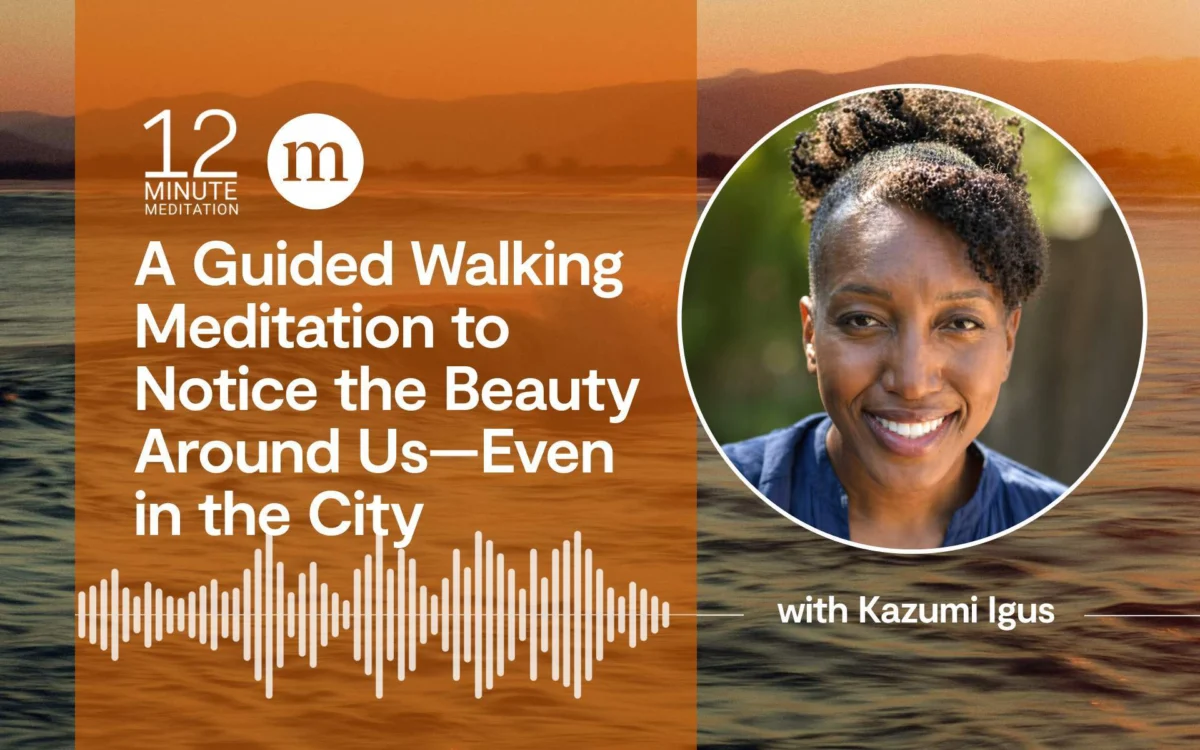
The modern urban landscape, with its ceaseless rhythm and dense infrastructure, frequently presents a paradox: a world brimming with activity yet often devoid of opportunities for quiet contemplation and connection with the natural world. In response to this prevalent challenge, Kazumi Igus, an accomplished meditation facilitator and dedicated educator, has introduced a guided walking meditation designed to re-sensitize city dwellers to the subtle wonders embedded within their immediate surroundings. This initiative offers a structured opportunity to decelerate the pace of daily life, fostering an appreciation for the intrinsic beauty and natural elements that persist even in the most built-up environments. The meditation, available as a guided script and an audio practice, serves as a timely intervention, encouraging individuals to reclaim moments of presence and wonder amidst the urban sprawl.
Bridging Urban Life and Inner Calm: Kazumi Igus’s Initiative
Kazumi Igus’s guided walking meditation is more than a simple exercise in mindfulness; it is a pedagogical tool rooted in her extensive experience as a science teacher and her rigorous training as a meditation facilitator through UCLA’s Mindful Awareness Research Center. Her work specifically targets the often-overlooked potential for natural observation within city limits. The premise is straightforward yet profound: despite the concrete and cacophony, urban environments are replete with elements of the natural world, from the call of a bird echoing between buildings to the intricate patterns of a tree’s bark, or the expansive canvas of the sky overhead. By intentionally guiding participants to notice these details, Igus aims to cultivate a deeper sense of connection, peace, and awareness. This practice stands as a testament to the adaptability of mindfulness, demonstrating its relevance not just in serene natural settings but within the dynamic, often overwhelming, context of metropolitan living.
The Modern Urban Predicament: Disconnection Amidst Density
The impetus behind such initiatives is deeply rooted in contemporary societal trends. Over half of the world’s population now resides in urban areas, a figure projected to rise to nearly 70% by 2050, according to the United Nations. This rapid urbanization, while bringing economic opportunities and cultural vibrancy, has also introduced significant challenges to human well-being. City life is frequently characterized by high stress levels, sensory overload from constant noise and visual stimuli, and a tangible disconnection from natural ecosystems. Studies consistently link urban living to increased rates of mental health issues, including anxiety disorders and depression. For instance, research published in Nature indicates that individuals living in cities have a 21% increased risk of anxiety disorders and a 39% increased risk of mood disorders. The concept of "nature deficit disorder," coined by author Richard Louv, describes the human costs of alienation from nature, including diminished use of the senses, attention difficulties, and higher rates of physical and emotional illnesses. In this context, the frantic pace, the constant demands of work and social life, and the ubiquitous presence of digital distractions further exacerbate the sense of being cut off from fundamental human needs for calm and connection.
The Rise of Mindfulness as an Urban Antidote
Against this backdrop, mindfulness practices have emerged as a powerful and scientifically validated antidote. Mindfulness, broadly defined as paying attention to the present moment without judgment, has been shown to reduce stress, improve emotional regulation, enhance cognitive function, and foster overall well-being. Its integration into various facets of life, from corporate wellness programs to educational curricula, underscores its growing acceptance and perceived efficacy. In urban settings, mindfulness takes on a particularly crucial role. It offers a portable, accessible tool for individuals to create internal spaces of calm, regardless of their external environment. Urban mindfulness practices adapt traditional techniques to the unique context of city life, teaching practitioners to find moments of stillness and awareness amidst the bustle, transforming potential stressors into opportunities for mindful observation. This shift in perspective is vital for cultivating resilience and maintaining mental equilibrium in a demanding environment.
Kazumi Igus: A Visionary in Education and Mindfulness
Kazumi Igus’s background uniquely positions her to lead such an initiative. As a Los Angeles native, she possesses an intimate understanding of the complexities and pressures of urban existence. Her career as a science teacher speaks to her analytical mind and her commitment to evidence-based approaches, qualities that are invaluable in the realm of mindfulness, which increasingly relies on neuroscientific research. Her training at UCLA’s Mindful Awareness Research Center provided her with a robust theoretical and practical framework for facilitating meditation. However, it is her role as a WholeSchool Mindfulness Director at one of the few predominantly Black high schools in the Los Angeles Unified School District that truly illuminates her mission. In this capacity, Igus is at the forefront of transforming education into a system that is inherently responsive to students’ social and emotional needs. She explicitly fosters focus and empowers students to develop emotional resilience in an increasingly challenging world. This mission extends beyond the classroom; it reflects a deep-seated belief in the power of mindfulness to equip individuals, particularly young people, with essential life skills for navigating stress, managing emotions, and cultivating inner strength. Her pedagogical approach emphasizes accessibility and practical application, ensuring that mindfulness is not an abstract concept but a tangible tool for daily living. This dedication to integrating well-being into foundational structures like education underscores the broader impact she seeks to achieve through initiatives like the guided walking meditation.
Rediscovering "Nature" in the Concrete Jungle
A central tenet of Igus’s meditation is the redefinition of "nature." In a city, nature is not confined to vast forests or pristine beaches; it manifests in countless forms. It is the tenacious weed pushing through a crack in the pavement, the intricate architecture of a spiderweb in an alleyway, the varied hues of green in a small city park, or the dramatic sweep of clouds across the urban sky. The meditation encourages participants to engage their senses deliberately: to hear the varied cadences of bird song, often masked by traffic; to discern the myriad colors reflected in shop windows or painted on murals; to feel the texture of different surfaces underfoot; and to simply look up and observe the expansive, ever-changing sky. This sensory engagement is critical. By intentionally focusing on these details, individuals are drawn into the present moment, shifting their attention away from internal anxieties and external distractions. The psychological benefits of "noticing" are well-documented. Research on "awe," defined as an emotion evoked by vast stimuli that transcend current understanding, suggests that even brief experiences of awe can improve mood, increase prosocial behavior, and diminish the sense of self, fostering a greater connection to the world. Igus’s meditation cultivates this sense of awe by prompting participants to find wonder in the everyday, transforming mundane urban experiences into opportunities for profound observation.
The Mechanics and Accessibility of Guided Walking Meditation
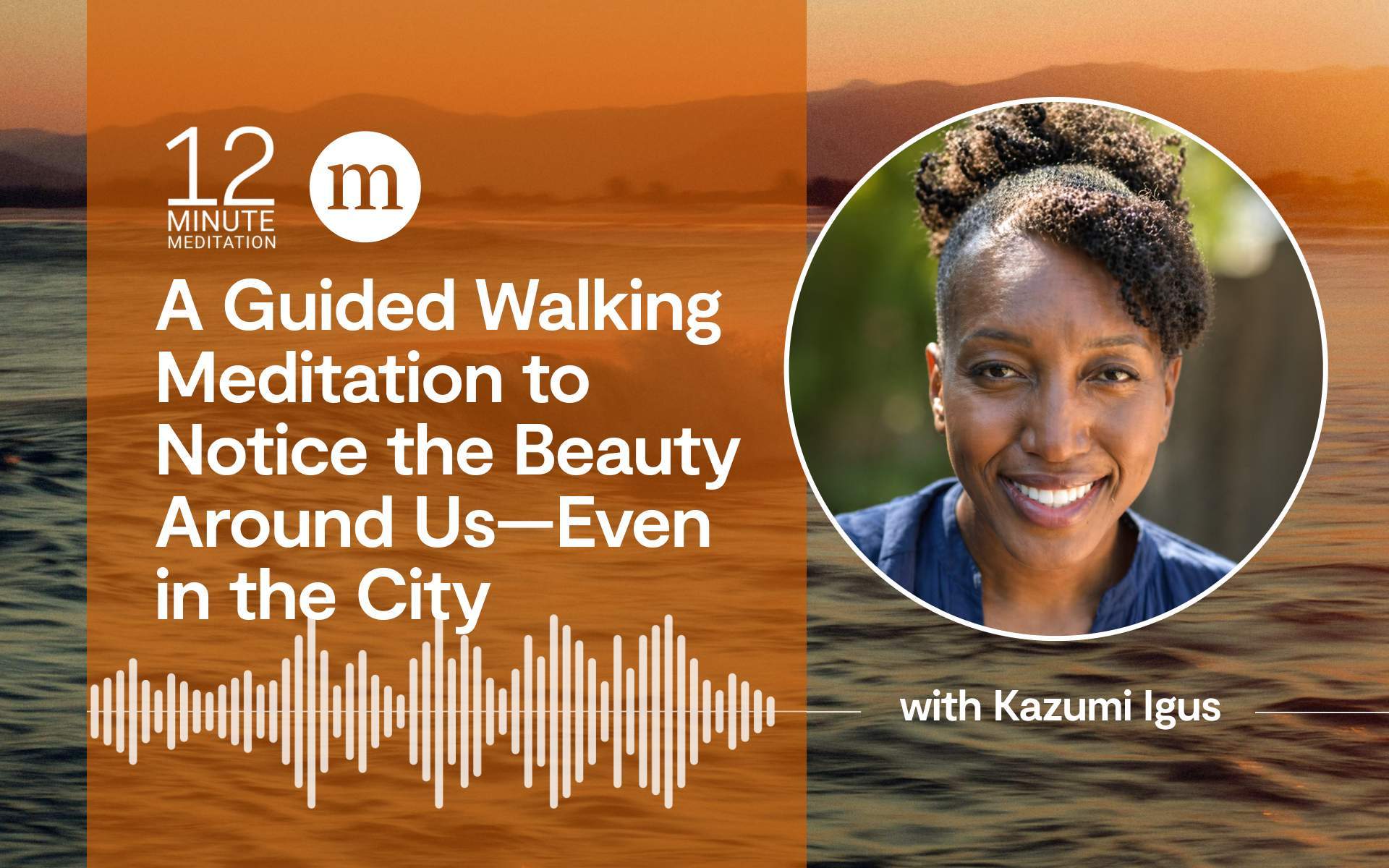
The practicality and accessibility of a guided walking meditation are key to its effectiveness in an urban context. Unlike traditional seated meditation, which might require a dedicated quiet space, a walking meditation can be performed anywhere, anytime. The instructions are simple: slow your pace, pay attention to your breath, and consciously observe your surroundings. Igus’s guidance prompts specific observations, making the practice approachable even for beginners. Participants are encouraged to pause after each paragraph of the script or to follow the audio cues, allowing time for reflection and sensory immersion. This method demystifies meditation, presenting it not as an esoteric practice but as a natural extension of daily activity. It requires no special equipment, no particular attire, and no specific location beyond one’s immediate urban environment. This ease of integration into daily routines makes it an invaluable tool for busy city dwellers seeking to infuse their lives with more presence and calm. The practice teaches that mindfulness is not about escaping the city but about engaging with it more fully and intentionally.
The Science Behind the Stillness: Data Supporting Urban Mindfulness
The efficacy of mindfulness practices like Igus’s is increasingly supported by a robust body of scientific research. Studies on Mindfulness-Based Stress Reduction (MBSR) programs have consistently demonstrated their ability to reduce symptoms of stress, anxiety, and depression, while improving emotional regulation and enhancing overall psychological well-being. Neuroimaging studies have shown that regular mindfulness practice can lead to structural and functional changes in the brain, including increased gray matter density in areas associated with learning, memory, emotion regulation, and perspective-taking, such as the hippocampus and prefrontal cortex.
Beyond general mindfulness, specific research on the benefits of "green space" exposure, even in urban settings, is highly relevant. A meta-analysis published in Environmental Science & Technology concluded that even short, incidental exposure to urban green spaces can significantly reduce stress and improve mood. While Igus’s meditation encourages noticing all aspects of urban nature, including trees along streets or small parks, its core lies in attention. Neuroscience also highlights the power of focused attention in shaping neural pathways—a concept known as neuroplasticity. By intentionally directing attention to sensory details, the meditation effectively trains the brain to be more present and less susceptible to the mind-wandering that often fuels anxiety. The deliberate act of noticing, as promoted by Igus, activates the brain’s reward system, contributing to feelings of contentment and well-being.
Broader Implications: Fostering Wellness, Education, and Community
The broader implications of initiatives like Kazumi Igus’s guided walking meditation extend far beyond individual well-being. From a public health perspective, these accessible tools contribute to a more resilient and mentally healthy urban population. By providing practical methods for stress reduction and emotional regulation, they can potentially alleviate the burden on mental health services and foster a culture of proactive self-care. In education, Igus’s work as a WholeSchool Mindfulness Director serves as a powerful model. Integrating mindfulness into school curricula can equip students with essential life skills, improving their focus, academic performance, and social-emotional intelligence. This approach recognizes that true education encompasses not only cognitive development but also emotional and psychological resilience.
Furthermore, by encouraging a deeper appreciation for urban environments, these practices can subtly foster a sense of community and environmental stewardship. When individuals begin to see the beauty and interconnectedness within their urban surroundings, they may develop a stronger sense of belonging and a greater inclination to protect and enhance their local green spaces. This contributes to the growing movement for sustainable urban living, where human well-being and ecological health are seen as interdependent. The increasing recognition of mindfulness across various sectors—healthcare, education, corporate wellness, and urban planning—signals a paradigm shift towards holistic well-being as a cornerstone of societal progress.
Expert Perspectives on Urban Well-being
Urban planners and public health experts increasingly advocate for initiatives that integrate green infrastructure and mindful practices into city design and daily life. Dr. Sarah Miller, an urban sociologist specializing in public health, notes, "The challenge in modern cities is not just about physical space but about mental space. Programs like Kazumi Igus’s offer vital tools for urban dwellers to carve out moments of mental clarity and connection, which are crucial for mitigating the chronic stress of city living." Similarly, mindfulness researchers frequently emphasize the scalability and adaptability of these practices. Dr. Ethan Kross, a psychologist and expert in self-control, might infer that "the ability to redirect attention, as taught in guided meditations, is a fundamental skill for managing the cognitive demands of urban life and fostering emotional resilience." These perspectives underscore the scientific and societal value of making mindfulness accessible and relevant to the urban experience.
A Chronology of Growing Awareness: From Ancient Practice to Modern Necessity
The journey of mindfulness from ancient contemplative traditions to a mainstream tool for urban well-being is a compelling chronology. Originating in Eastern spiritual practices millennia ago, particularly Buddhism, mindfulness began to garner significant scientific attention in the West in the late 20th century. The pioneering work of Jon Kabat-Zinn and the development of Mindfulness-Based Stress Reduction (MBSR) in the 1970s and 80s were pivotal, secularizing the practice and bringing it into clinical settings. The early 21st century witnessed an explosion of research, with neuroscientists, psychologists, and medical professionals increasingly validating the benefits of mindfulness. This scientific endorsement paved the way for its widespread adoption in education, corporate wellness, and public health initiatives. Kazumi Igus’s guided walking meditation can be seen as a contemporary manifestation of this evolving trajectory, a direct response to the specific needs of the 21st-century urban dweller. It reflects a growing societal awareness that mental well-being is not a luxury but a necessity, and that accessible, practical tools are required to cultivate it in an increasingly fast-paced and interconnected world. The increasing recognition of mental well-being in educational and public policy further cements the importance of such programs, signaling a shift from reactive mental health care to proactive well-being cultivation.
Conclusion: A Path to Present Moment Awareness in a Fast-Paced World
Kazumi Igus’s guided walking meditation offers a profound yet simple solution to one of the defining challenges of modern urban life: the pervasive sense of disconnection from self, others, and the natural world. By transforming the everyday act of walking through the city into an intentional practice of mindfulness, Igus empowers individuals to rediscover beauty, foster inner calm, and cultivate resilience. Her work, informed by her dual roles as an educator and a meditation facilitator, provides a vital resource for navigating the complexities of urban living with greater presence and appreciation. In a world that often feels frantic and overwhelming, the opportunity to slow down, notice, and connect with the wonder around us—even in the city—is not merely a pleasant diversion, but an essential practice for fostering a more mindful, humane, and sustainable future.