 Angie Faith
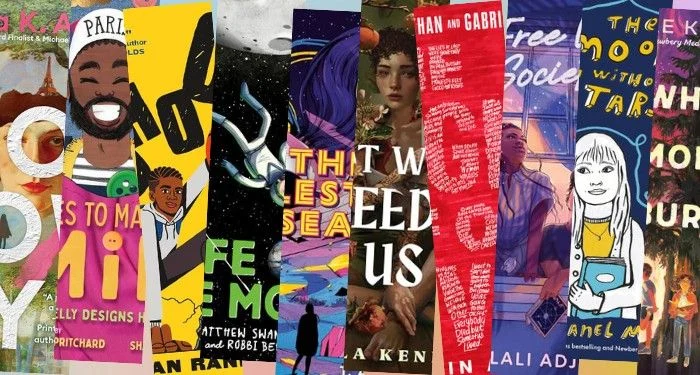
The literary world has officially entered its most celebrated season as the National Book Foundation rolls out its highly anticipated announcements for the 2026 National Book Awards. Marking the beginning of a week-long unveiling of top-tier literature, the organization released the official longlist for the Nonfiction category. Regarded as one of the highest literary honors in the United States, the National Book Award continues a nearly century-old tradition of recognizing exceptional works written by U.S. authors and published domestically. With ten remarkable titles making the cut, this year’s nonfiction selection highlights a diverse array of urgent topics, deep historical explorations, and profound personal narratives that reflect the complexities of the modern world.
The journey toward the 2026 National Book Awards underscores a rich history dating back to 1936, when the American Booksellers Association first established the accolade. Although the awards experienced a brief hiatus during the upheaval of World War II, they were triumphantly revived in 1950 through a collaborative effort among several key book industry organizations. Decades later, stewardship of the awards transitioned to the National Book Foundation, whose overarching mission extends beyond mere recognition. The Foundation actively works to ensure that honored works resonate deeply with readers nationwide, fostering a culture where literature drives meaningful national discourse.
Understanding the rigorous selection process provides critical context for the weight these longlists carry. The National Book Awards span five distinct categories: Fiction, Nonfiction, Poetry, Translated Literature, and Young People’s Literature. In 2013, the National Book Foundation instituted a vital structural shift by introducing a preliminary longlist of ten titles per category, typically revealed throughout the month of September. This mechanism allows a broader group of exceptional books to receive the critical attention they deserve before the pool is narrowed.
The Timeline of the 2026 Awards Cycle
The rollout follows a strict chronological framework designed to build sustained engagement across the literary community. Following the September longlist announcements—which encompass Poetry, Translated Literature, Young People’s Literature, and Nonfiction—the process moves swiftly toward the next critical phase.
In October, the ten-title longlists will be whittled down to a competitive shortlist of five finalists per category. Authors who secure a finalist spot receive a cash prize of $1,000, alongside immense critical acclaim that frequently translates to increased readership and commercial visibility. The culmination of this months-long evaluation arrives in November at the annual National Book Awards Ceremony and Dinner. At this prestigious gala, the winner in each of the five categories is announced, earning a prize of $10,000 and an iconic bronze sculpture.
Evaluating the 2026 Nonfiction Panel
The integrity of the National Book Awards relies heavily on the expertise, discernment, and independence of its judges. The panel responsible for evaluating the 2026 Nonfiction submissions features an accomplished group of writers, scholars, and critics whose diverse professional backgrounds ensure a rigorous and multifaceted evaluation process.
The 2026 Nonfiction judging panel comprises Eve L. Ewing, Audrey I-Wei Huang, Jonathan C. Slaght, Robert Warrior, and Lidia Yuknavitch. This quintet brings together deep-seated expertise spanning sociology, poetry, environmental science, indigenous studies, and creative prose. Their collective task involved navigating a massive influx of eligible nonfiction manuscripts published across the United States over the past year, ultimately distilling the submissions down to the ten definitive longlist selections.
Broader Context and Industry Implications
The release of the National Book Award longlists carries significant economic and cultural implications for the publishing industry. In an era where discoverability remains one of the greatest challenges for independent presses and major publishing houses alike, the National Book Award serves as a powerful megaphone. Inclusion on the longlist frequently revitalizes a book’s sales trajectory, prompts independent bookstores to feature the titles prominently in displays, and introduces authors to entirely new demographics of readers.
Furthermore, the nonfiction category holds a unique place in contemporary publishing. Unlike fiction, which explores imagined realms, or poetry, which relies heavily on lyrical abstraction, nonfiction engages directly with the factual architecture of human experience, history, science, politics, and memoir. In recent years, nonfiction longlists have increasingly reflected public hunger for rigorously researched histories, investigative journalism that exposes systemic oversights, and deeply personal memoirs that illuminate broader societal struggles.
By selecting ten distinct works for the 2026 longlist, the judges have signaled which narratives and analytical frameworks they believe are most essential for contemporary discourse. While the official titles reflect a wide spectrum of thought and subject matter, their collective presence on the longlist ensures that the conversations sparked by these books will reverberate far beyond academic circles and traditional review pages.
Looking Ahead at the 2026 Cycle
As the literary community digests the revelations of the nonfiction longlist, attention quickly turns to the remaining announcements of the week. Readers and industry analysts are closely tracking the companion lists for Fiction and any final categories yet to be unveiled, rounding out a comprehensive snapshot of the year’s best writing.
For publishers, authors, and avid readers alike, September marks the unofficial kickoff of awards season momentum. With the shortlists slated for October and the ultimate winners set to be crowned in November, the literary world watches with bated breath to see which of these exceptional works will ultimately take home the crown. Detailed information regarding the longlist selections, author biographies, and the overarching mission of the National Book Foundation remains accessible through the official National Book Foundation website, inviting readers everywhere to dive into the year’s most vital literature.