Hanik Kholidah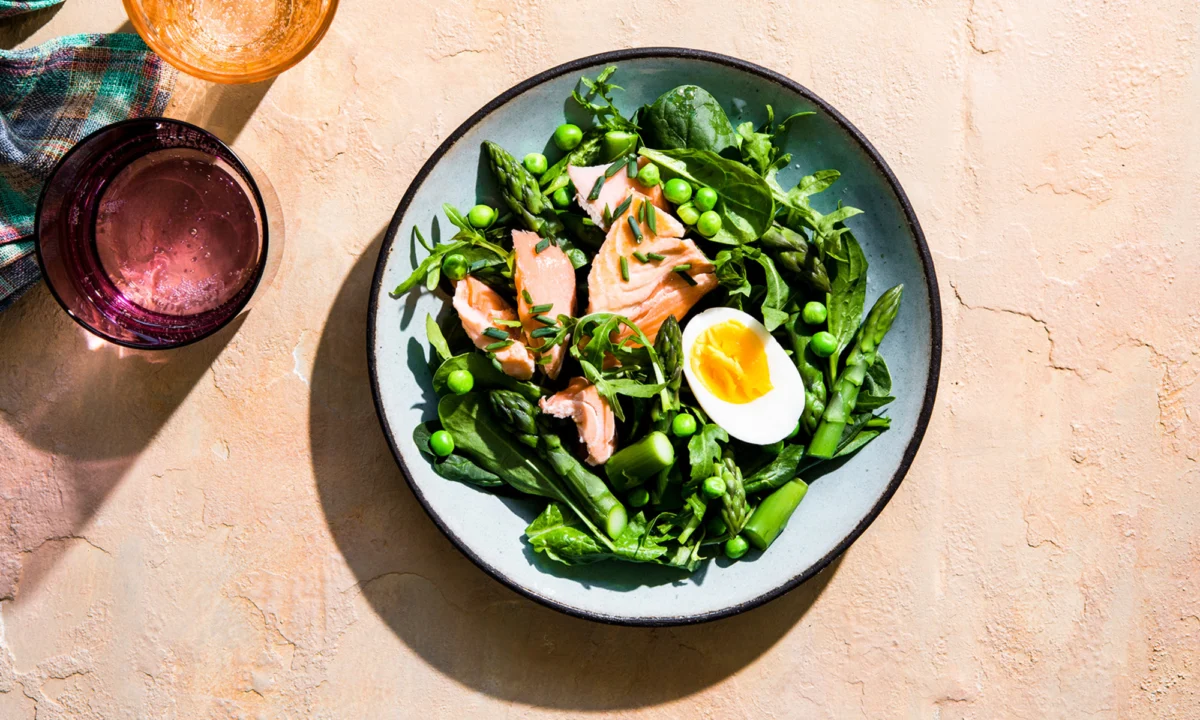
As the global agricultural sector transitions into the peak of the 2026 spring season, a renewed emphasis on localized food systems and nutrient-dense produce has reshaped consumer behavior across North America. Following a winter characterized by reliance on greenhouse-grown greens and imported root vegetables, the emergence of the spring harvest—traditionally spanning from late March through June—marks a critical pivot for both the culinary industry and public health sectors. Market data from the first quarter of the year indicates a 12% increase in farmers’ market attendance compared to the previous year, a trend experts attribute to a growing public awareness of the link between seasonal eating and optimal physiological health.
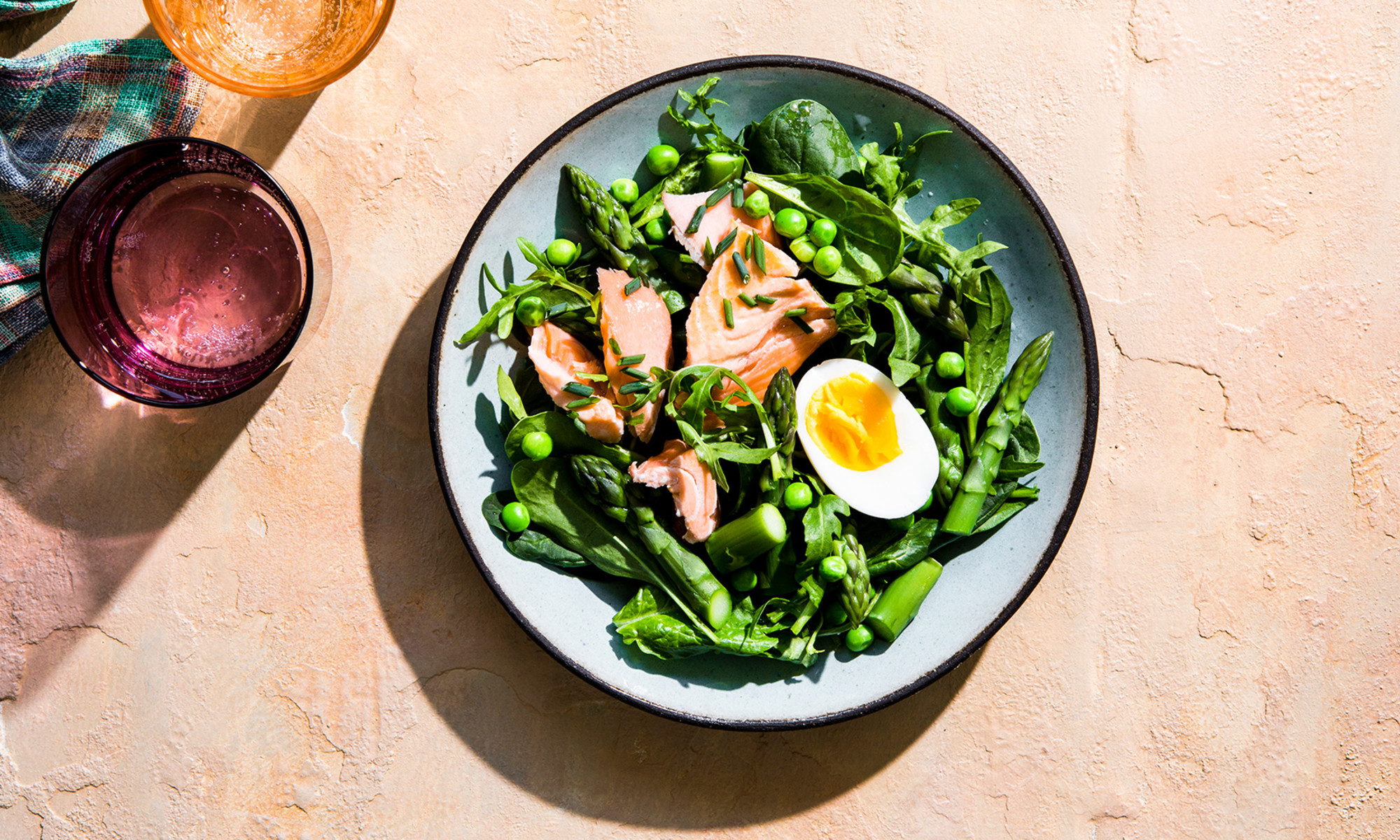
The current harvest is headlined by three primary botanical categories: the umbellifers (carrots), the asparagoid lilies (asparagus), and the legumes (peas). While these staples have long been foundations of the temperate spring diet, recent nutritional research and culinary innovations are highlighting their roles as more than mere side dishes. Registered Dietitian Nutritionists (RDNs) and agricultural analysts are pointing to a "nutritional peak" that occurs when these vegetables are harvested and consumed within a narrow geographical window, maximizing their phytochemical potency.
The Chronology of the Spring Harvest and Market Dynamics
The 2026 spring growing season followed a relatively mild winter in many temperate zones, allowing for an earlier-than-average planting schedule. The chronological progression of the harvest typically begins in late March with the appearance of "overwintered" carrots, which have spent the colder months in the ground, concentrating their sugars. By mid-April, the first tender shoots of asparagus emerge, followed closely by the flowering and pod-development of garden peas.
Agricultural logistics have evolved to meet the demand for this specific window. According to the Department of Agriculture’s 2026 Seasonal Crop Report, the "freshness window"—the time from harvest to consumer purchase—has been reduced by an average of 18 hours in metropolitan areas due to the expansion of urban-adjacent farming hubs. This speed is vital for vegetables like asparagus and peas, which begin to convert their natural sugars into starches almost immediately after being cut, a process that can significantly alter both flavor profile and glycemic impact.
Nutritional Profiles and Biochemical Significance
The resurgence of these three specific vegetables—carrots, asparagus, and peas—is grounded in their unique biochemical contributions to the human diet.
Carrots and the Beta-Carotene Synthesis
Spring carrots, particularly the younger "finger" varieties, are noted for a high concentration of beta-carotene, a carotenoid that the human body converts into retinol (Vitamin A). This fat-soluble vitamin is essential for the maintenance of the rhodopsin protein in the eyes, which supports vision in low-light conditions. Furthermore, the 2026 Health and Nutrition Examination Survey highlights the role of carrot-derived fiber in stabilizing postprandial glucose levels. The natural sweetness of spring carrots, caused by the concentration of sucrose and glucose during the cooler nights of early spring, makes them a preferred substrate for "functional desserts"—baked goods that provide significant micronutrient value without the need for excessive refined sugars.
Asparagus and the Glutathione Connection
Asparagus serves as a primary source of prebiotic fiber, specifically inulin, which acts as a selective fuel source for Bifidobacteria and Lactobacilli in the human gut microbiome. Beyond digestive health, asparagus is one of the most concentrated dietary sources of glutathione, a tripeptide often referred to as the "master antioxidant." Glutathione plays a pivotal role in phase II detoxification in the liver and the neutralization of reactive oxygen species (ROS) at the cellular level. The inclusion of allium vegetables, such as ramps and spring onions, alongside asparagus in culinary preparations is not merely a flavor choice; alliums contain organosulfur compounds that may enhance the body’s ability to utilize the antioxidants found in the asparagus.
Peas and the Cruciferous Synergy
The integration of sweet peas into the spring diet provides a significant boost of Vitamin K and Vitamin C. When paired with cruciferous vegetables like cauliflower, the nutritional profile expands to include glucosinolates, which have been studied for their potential in reducing the risk of certain colorectal pathologies. The 2026 culinary trend of "mint-pea" infusions—utilizing Greek yogurt as a base—represents a move toward high-protein, probiotic-rich dressings that replace traditional high-fat emulsions, thereby increasing the bioavailability of the vegetable’s water-soluble vitamins.
Expert Perspectives and Institutional Responses
Nutritionists and public health officials have responded positively to the shift toward seasonal produce. "We are seeing a move away from the ‘superfood’ marketing of the last decade toward a more holistic ‘seasonal density’ model," says Dr. Elena Vasquez, a senior researcher at the Institute for Nutritional Sciences. "The data suggests that the vitamin C content in a pea harvested in April and eaten in April is significantly higher than a pea that has been frozen or shipped across hemispheres."
Institutional culinary programs, including those in public schools and corporate cafeterias, have also begun adopting "Spring Harvest" menus. The National Restaurant Association’s 2026 report indicates that "seasonal transparency"—labeling the specific farm and harvest date of vegetables—has become a top priority for 65% of diners in the premium-casual segment. This transparency is driving a symbiotic relationship between local growers and high-volume purchasers.
Culinary Innovation: From Traditional to Functional
The 2026 season has seen a departure from complex, heavy preparations in favor of "clean-label" cooking methods that preserve the integrity of the produce.

- Functional Baking: The "one-bowl" carrot cake bar has emerged as a symbol of efficient, health-conscious home cooking. By utilizing oat flour and natural sweeteners, these preparations cater to the increasing demand for gluten-free and low-glycemic options while utilizing the natural moisture and sweetness of spring carrots.
- High-Heat Botanical Roasting: The practice of grilling asparagus with ramps and spring onions utilizes the Maillard reaction to create complex flavor profiles without the need for heavy sauces. This method preserves the structural integrity of the prebiotic fibers while making the vegetable more palatable to a broader demographic.
- The Rise of the Micro-Salad: Utilizing cauliflower as a "grain substitute" in salads, combined with fresh peas and microgreens, reflects a broader trend toward volume-eating—consuming large portions of low-calorie, high-nutrient foods to promote satiety and weight management.
Economic and Environmental Analysis
The economic implications of the spring 2026 harvest are substantial. The local produce sector is projected to contribute an estimated $22 billion to the national economy this year. This growth is supported by "AgTech" advancements that allow small-scale farmers to better predict harvest windows and connect directly with consumers via decentralized digital marketplaces.
Environmentally, the emphasis on spring produce aligns with global carbon-reduction targets. By reducing the "food miles" associated with the transport of vegetables, the seasonal model significantly lowers the carbon footprint of the average household’s grocery basket. Furthermore, the cultivation of peas—a nitrogen-fixing legume—contributes to soil health by naturally replenishing nitrogen levels, reducing the need for synthetic fertilizers in subsequent planting cycles.
Broader Implications for Public Health
The long-term impact of a season-centric diet is currently the subject of several longitudinal studies. Preliminary data from the 2024-2026 "Plate to Pulse" initiative suggests that individuals who consume at least five servings of seasonal vegetables daily report higher levels of subjective well-being and show improved markers of systemic inflammation.
As the spring of 2026 progresses, the transition from heavy winter tubers to the light, vibrant produce of April and May serves as a reminder of the inherent rhythm of the food system. The synergy of carrots, asparagus, and peas offers a blueprint for a diet that is both ecologically responsible and physiologically optimized. For the consumer, the takeaway is clear: leaning into the specific offerings of the current season is one of the most effective strategies for maintaining health in an increasingly complex nutritional landscape. The integration of these vegetables into daily routines—whether through simplified baking, strategic grilling, or innovative salads—represents a sophisticated return to fundamental dietary principles.