Cintya Tara Annisa
The global specialty coffee industry is currently undergoing a period of rapid transformation, characterized by a shift toward hyper-traceability, experimental processing techniques, and long-term sustainable partnerships between roasters and producers. As consumer demand for "fourth-wave" coffee grows, the market is increasingly defined by unique flavor profiles that challenge traditional notions of how coffee should taste. This evolution is most visible in the weekly release of curated whole-bean offerings from leading roasters, which serve as a barometer for the industry’s health, creativity, and logistical complexity. From the highlands of Ethiopia to the volcanic soils of El Salvador, the current landscape reflects a sophisticated supply chain that prioritizes quality and environmental stewardship over commodity-grade volume.
The Strategic Shift Toward Direct Trade and Relationship Sourcing
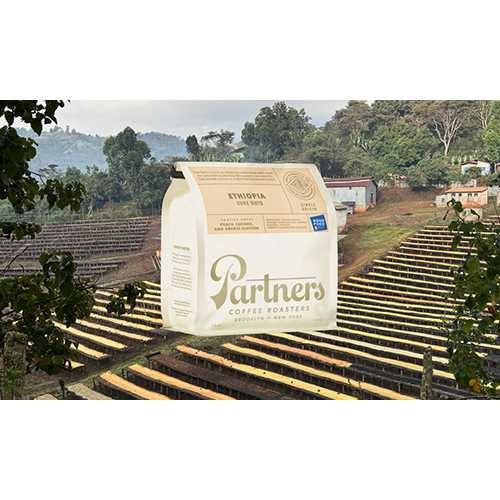
A cornerstone of the modern specialty coffee movement is the move away from anonymous auction lots toward direct, long-term relationships. This is exemplified by the 16-year partnership between Madcap Coffee and Finca de Dios in Guatemala. Managed by the Prentice family, this 19-hectare farm utilizes diverse microclimates to produce consistent, high-quality yields. Such longevity in partnerships provides financial stability for the producers and a reliable flavor profile for the roaster. Similarly, Partners Coffee and Equator Coffees have maintained a decades-long relationship with Tesfaye Bekele of the Suke Quto farm in Ethiopia’s Guji Zone. Bekele, who founded the farm in 2000 as a forest conservation project, has become a model for sustainable farming, proving that high-quality Arabica production can coexist with ecological preservation.
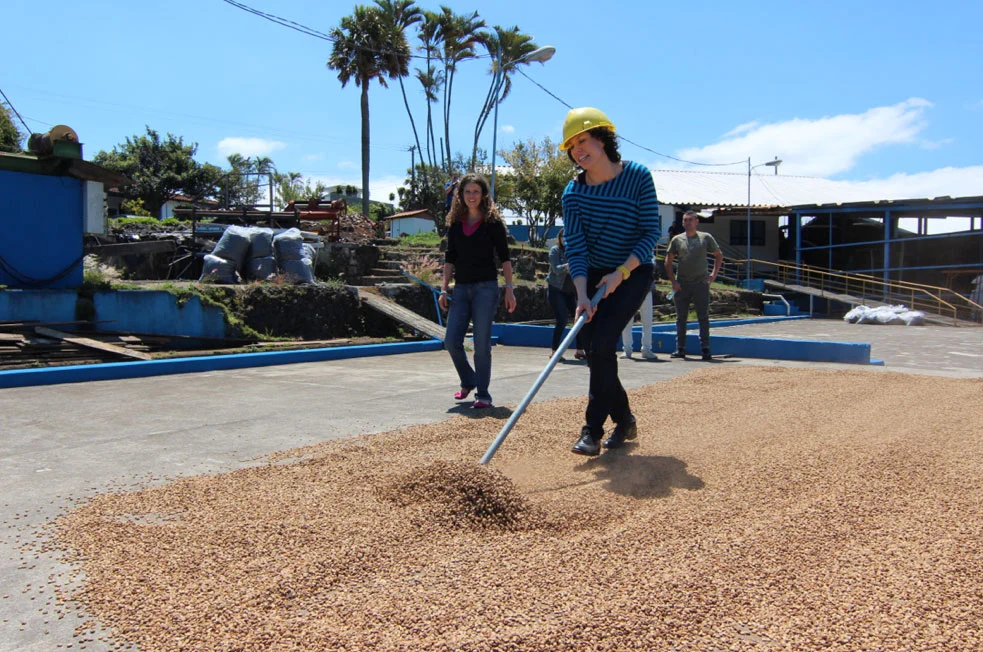
These relationships are not merely sentimental; they are supported by rigorous data and economic incentives. By bypassing traditional middleman structures, roasters can ensure that a higher percentage of the retail price—which can range from $16 to over $45 for premium lots—reaches the farm level. This capital allows producers to invest in infrastructure, such as raised drying beds and anaerobic fermentation tanks, which further enhances the value of the crop.
Technological Advancements in Coffee Processing
The current market is seeing a surge in "processed" coffees that utilize techniques borrowed from the wine and craft beer industries. Carbonic maceration, yeast inoculation, and co-fermentation are no longer niche experiments but are becoming mainstream offerings for connoisseurs.
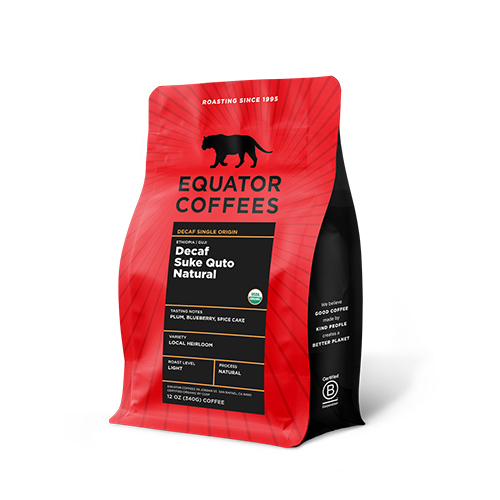
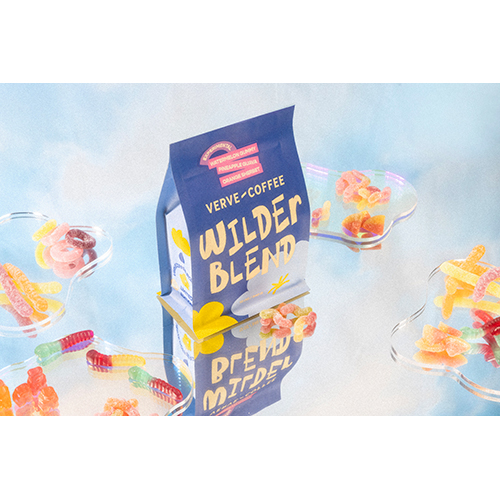
La Barba Coffee’s recent release of the Rwanda Kungahara Lot 12 utilizes carbonic maceration—a process where whole coffee cherries are placed in a carbon dioxide-rich environment to ferment. This technique results in a "funkier" profile with distinct tropical notes like pineapple and grapefruit. Verve Coffee Roasters has pushed this boundary further with their Wilder Blend, which combines yeast-inoculated Colombian coffees with washed Ethiopian heirlooms. The goal of yeast inoculation is to amplify specific aromatics and sweetness, creating a "deliberately memorable" cup that maintains its structural clarity despite the intense fermentation.

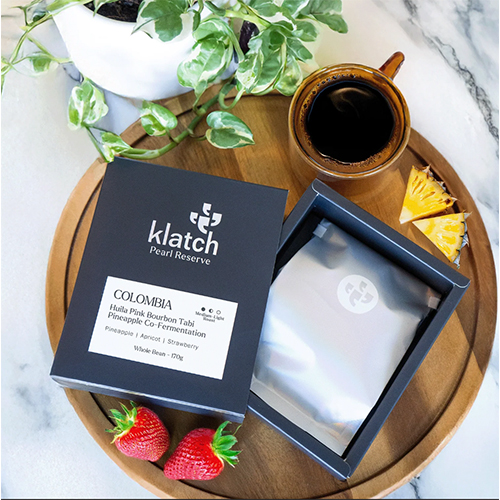
Furthermore, the industry is witnessing the rise of "co-fermentation," where fruit or other organic materials are added during the fermentation stage. Klatch Coffee’s Colombia Huila Pink Bourbon Tabi features a pineapple co-fermentation, where layers of pineapple and panela are introduced to the cherries. This creates a flavor profile that is fundamentally different from traditional washed or natural coffees, appealing to a demographic of younger, adventure-seeking consumers.
Regional Analysis: Ethiopia and Colombia Lead the Way
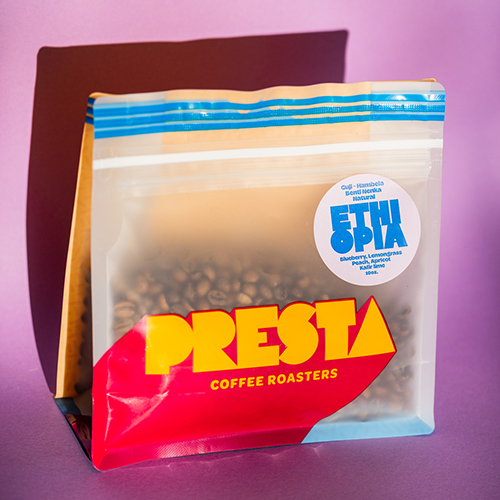
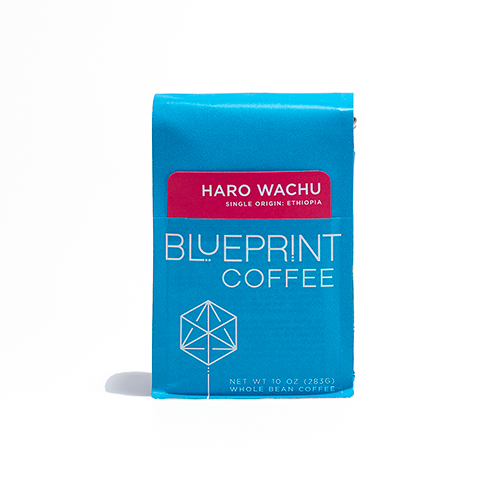
Ethiopia remains the spiritual and genetic home of Arabica coffee, and its influence on the specialty market cannot be overstated. Current offerings from Presta Coffee Roasters and Blueprint Coffee highlight the Guji region, specifically the Hambela and Uraga districts. These coffees are often grown at extreme elevations—up to 2,250 meters above sea level (masl). At these heights, the lower oxygen levels and cooler temperatures slow the maturation of the coffee cherry, leading to denser beans with higher concentrations of sugars and acids. The result is the "vibrant complexity" and "clean, expressive cup" that has made Guji one of the most sought-after origins in the world.
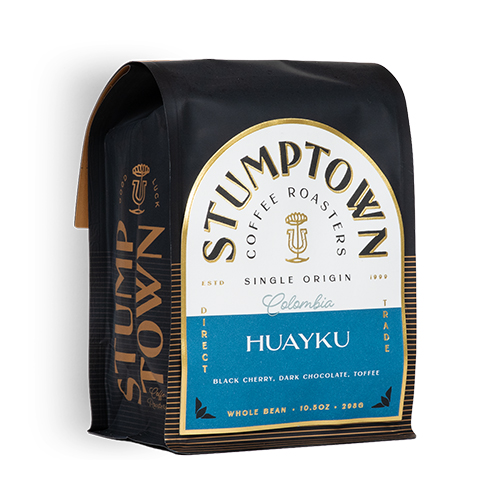
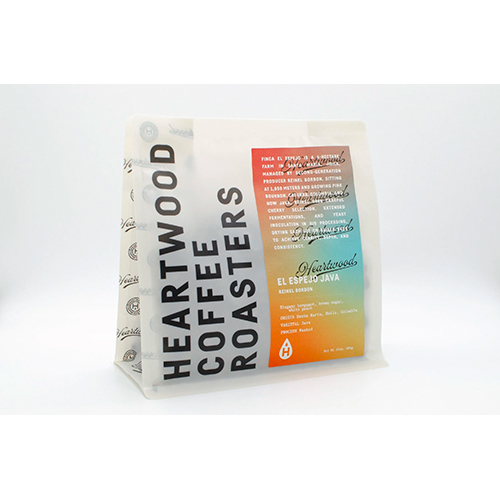
Colombia, meanwhile, is the epicenter of varietal innovation. Beyond the traditional Caturra and Castillo varieties, Colombian producers are increasingly planting "exotic" varieties like Pink Bourbon and Java. Heartwood Coffee’s El Espejo Java and Stumptown’s Colombia Huayku demonstrate the country’s ability to produce complex, syrupy profiles that range from black cherry to toffee. The Pink Bourbon variety, in particular, has gained a cult following for its striking acidity and floral notes, often rivaling the more expensive Gesha variety in quality.
The Premiumization of Decaffeinated Coffee
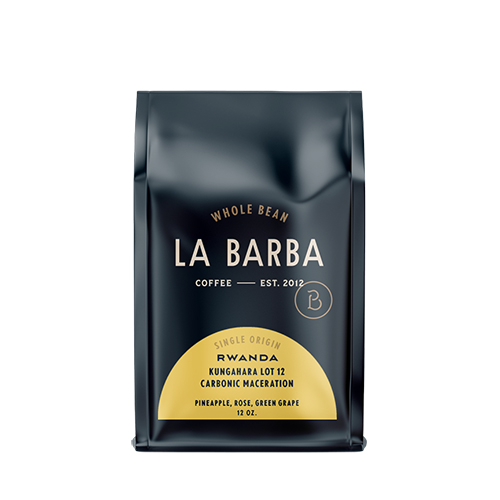
Historically, decaffeinated coffee was an afterthought in the specialty industry, often produced from lower-quality beans using harsh chemical solvents. However, the modern market has seen a significant shift toward "specialty decaf." Equator Coffees’ Decaf Ethiopia Suke Quto utilizes the Swiss Water Process, a non-chemical decaffeination method that preserves the bean’s original flavor characteristics. By using a natural-process organic lot from a celebrated farm, roasters are signaling that caffeine-free consumers deserve the same flavor complexity—notes of blackberry jam and orange blossom—as their caffeinated counterparts. This reflects a broader trend in the beverage industry where "low and no" options (low alcohol or no caffeine) are being elevated to premium status.
Economic and Environmental Challenges: The Case of Kiambu County
Despite the innovation, the industry faces significant headwinds. Onyx Coffee Lab’s release of the Kenya Elshadai Estate Natural serves as a poignant reminder of the external pressures on coffee farming. The Elshadai Estate, located in Kiambu County near Nairobi, is currently threatened by rising land values. As the urban sprawl of the Kenyan capital expands, coffee farms are increasingly being sold off for real estate development. This "disappearing coffee landscape" is a global phenomenon, as climate change and urbanization push coffee production into higher, more remote areas, or eliminate it entirely in traditional regions.
The environmental impact of coffee farming is also under scrutiny. Producers like Tesfaye Bekele and the PRONATUR cooperative in Peru (sourced by Portland Coffee Roasters) are focusing on organic and Rainforest Alliance certifications to mitigate the industry’s carbon footprint. These certifications are becoming essential for roasters who want to appeal to socially conscious consumers, particularly in the European and North American markets.

Market Analysis: The Luxury Tier and Competitive Lots
The top end of the market continues to reach new heights in terms of both quality and price. Phil & Sebastian’s Finca La Salsa Washed Gesha, priced at $45 CAD per 100 grams, represents the pinnacle of luxury coffee. The Gesha (or Geisha) variety is famous for its tea-like body and intense floral aromatics. When grown by renowned producers like Benjamin Paz in Honduras, these coffees become highly collectible assets.
Competitive sourcing also plays a role in the market’s dynamics. Olympia Coffee recently secured a first-place competition lot from Las Tres Estaciones in El Salvador. These "micro-lots" are often purchased at auction following cupping competitions (such as those hosted by the Specialty Coffee Association). The high prices paid for these lots—often many times the fair trade minimum—serve as a marketing tool for the roaster and a significant windfall for the producer, encouraging continued investment in quality.
Broader Impact and Industry Outlook
The specialty coffee industry is no longer a niche hobby; it is a significant sector of the global agricultural economy that influences everything from international trade policy to local environmental conservation. The move toward "pixelated boxes" and high-concept branding, as seen with PERC’s "Super Power Plum" (produced by the renowned Diego Bermudez), indicates that coffee is being marketed with the same sophistication as fine wine or limited-edition fashion.
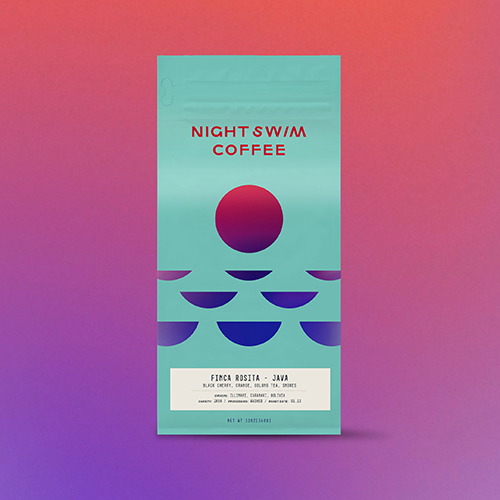
Looking ahead, the industry must reconcile its drive for innovation with the realities of a changing climate. The success of varieties like Java and Pink Bourbon in new environments (such as Night Swim Coffee’s Bolivian Java) suggests that diversification is key to resilience. As roasters continue to push the boundaries of fermentation and sourcing, the consumer is the ultimate beneficiary, gaining access to a world of flavor that was unimaginable just two decades ago. The current collection of offerings from global roasters is not just a list of products; it is a testament to the enduring human effort to perfect one of the world’s most complex and beloved beverages.