Hanik Kholidah
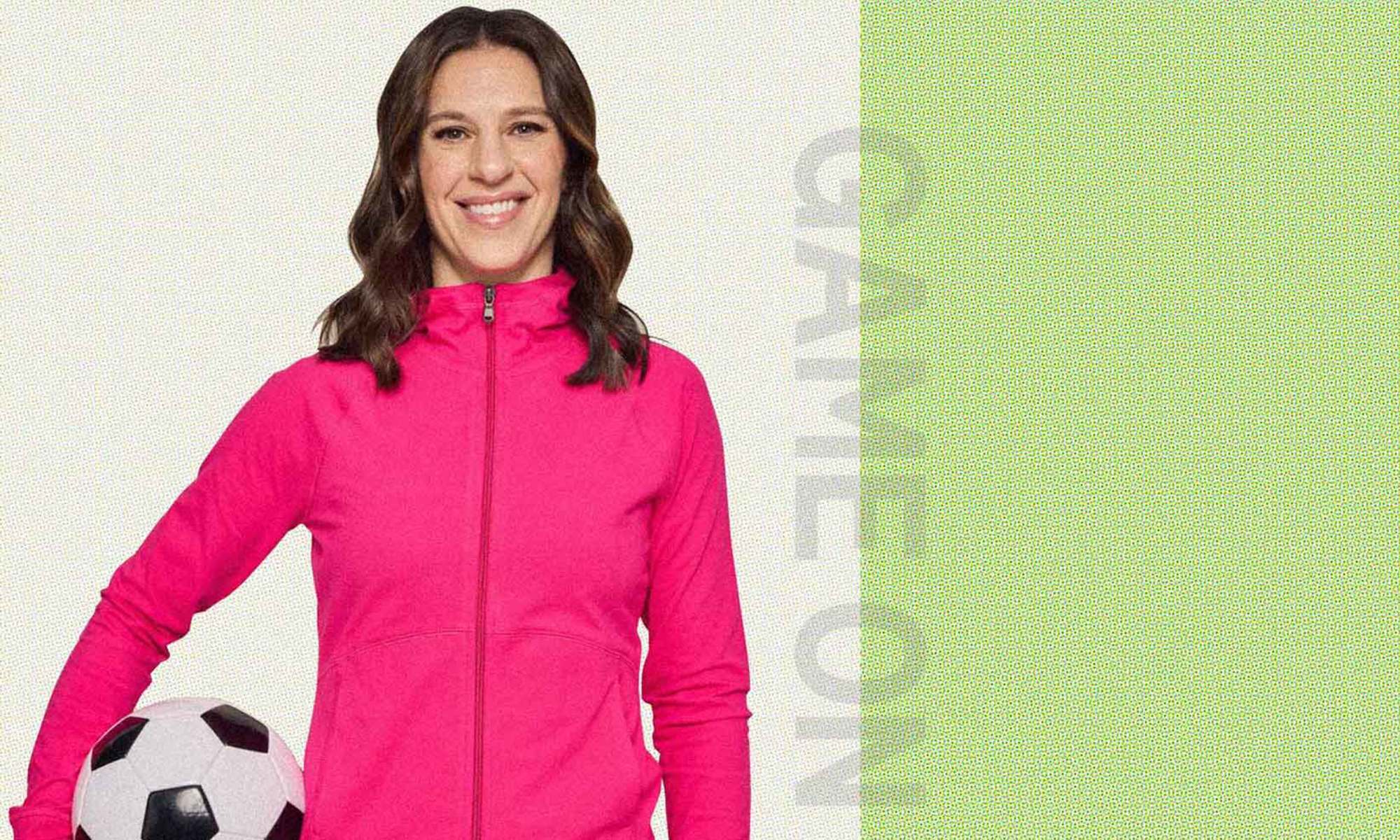
As the global sports community pivots its focus toward the 2026 FIFA World Cup, few figures carry as much weight in the narrative of American soccer as Carli Lloyd. A two-time Olympic gold medalist and two-time FIFA Women’s World Cup champion, Lloyd’s transition from the pitch to the broadcast booth represents a significant evolution in the visibility of female athletes in sports media. In a recent detailed discussion regarding her preparation for the upcoming tournament, her wellness philosophy, and her partnership with Tek Gear by Kohl’s, Lloyd provided a comprehensive look at the realities of post-career life, the demands of motherhood, and the structural changes still required in professional women’s sports.
The Analytical Transition: Preparing for the 2026 World Cup
With the 2026 FIFA World Cup set to be a historic event—hosted across the United States, Canada, and Mexico—Lloyd is intensifying her preparation for her role as a lead studio analyst for Fox Sports. This tournament marks a massive expansion for FIFA, featuring 48 teams for the first time, up from the traditional 32. For Lloyd, the transition from playing to analyzing requires a similar level of rigor, albeit applied through a different lens.
"It’s starting to feel really real," Lloyd noted, citing a 60-day countdown to the ramp-up of intensive coverage. Her preparation involves a deep dive into tactical nuances, player profiles, and team dynamics. This level of scrutiny is a carryover from a playing career defined by obsessive preparation. Lloyd credited Fox Sports for its commitment to integrating female perspectives into the coverage of the Men’s World Cup, a move that began in earnest during the 2015 cycle.
The 2015 World Cup served as a watershed moment for women’s soccer in the United States. According to Nielsen data, the final between the U.S. and Japan remains the most-watched soccer match in American history, peaking at over 25 million viewers. Lloyd’s hat-trick in the first 16 minutes of that match not only secured the title but also catalyzed a surge in commercial interest and media investment that has continued for over a decade.
The Professionalization of Sports Media Analysis
Lloyd’s approach to broadcasting mirrors the disciplined routine that made her one of the most capped players in international soccer history (316 appearances). In the studio environment, the challenge shifts from physical endurance to verbal precision. Analysts often have windows of only 15 to 20 seconds to deliver impactful insights before commercial breaks.
"You don’t continue to make it on TV, especially as a studio analyst in sports, if you don’t prepare," Lloyd stated. Her process includes mental rehearsals, jotting down observations during live matches, and structured thought preparation for podcasts and speaking engagements. This professionalization of the "ex-athlete" role is part of a broader trend where retired champions are expected to provide high-level tactical analysis rather than just anecdotal commentary.
Wellness and Movement: The Shift to Pilates and Functional Health
For an athlete whose body was once her primary tool for professional success, Lloyd’s current wellness routine emphasizes longevity and mental clarity over peak physical performance. She has identified Pilates as her primary fitness pillar, a practice she began during her pregnancy.
Unlike the high-intensity interval training (HIIT) and weightlifting that characterized her two decades on the U.S. Women’s National Team (USWNT), Pilates offers a way to maintain core strength and flexibility while providing a mental "reset." Lloyd described the practice as an hour to "shut my brain off," functioning as a form of active meditation.
Beyond structured exercise, Lloyd’s lifestyle now incorporates "low-impact movement," such as golfing and family walks in nature. This shift reflects a broader trend among retired elite athletes who move toward functional fitness to mitigate the long-term physical toll of professional sports. Data from the American College of Sports Medicine suggests that former professional athletes often face unique challenges in retirement, including joint issues and the psychological adjustment to a less rigorous schedule; Lloyd’s focus on Pilates and outdoor activity aligns with modern recommendations for athlete longevity.
Motherhood and the Rebalancing of Priorities
The transition to motherhood has introduced a new layer of complexity to Lloyd’s schedule. She candidly addressed the "hard adjustment" of losing the independence that defined her career. The early months of nursing and infant care required a total surrender of her personal schedule, a stark contrast to the highly controlled environment of professional soccer.
"We’re not the priority right now," Lloyd explained, referring to herself and her husband. "When you have a baby, it becomes more about them."
Lloyd’s strategy for maintaining balance involves utilizing her daughter’s nap windows for professional and personal tasks. She also highlighted a significant shift in her psychological approach: letting go of the need to complete an exhaustive "to-do" list. This embrace of "presence" over "productivity" is a recurring theme among high-achieving women transitioning into parenthood, where the pressure to "have it all" is replaced by a more realistic prioritization of time.
The Commercial Landscape: Athleisure and Brand Longevity
Lloyd’s partnership with Tek Gear by Kohl’s underscores the enduring marketability of female athletes post-retirement. As women’s sports gain more visibility, the "lifestyle" segment of athlete branding has expanded. For Lloyd, the appeal of the partnership lies in the intersection of affordability and functionality.

Athleisure has become the "uniform" of the modern working mother, and Lloyd’s preference for comfortable, versatile pieces—styled with lifestyle sneakers like Nike Dunks or Jordans—reflects a consumer shift toward practical fashion. Market research by Allied Market Research projects that the global athleisure market will reach over $662 billion by 2030, driven in part by the influence of high-profile athletes who demonstrate the gear’s utility in everyday life.
Analysis of the Future of Women’s Sports: Beyond the Field
While Lloyd expressed optimism about the current trajectory of women’s sports—citing increased respect, marketability, and the move away from the "charity" mindset—she also pointed to critical gaps in the system. The 2022 Equal Pay settlement, which saw the USWNT reach a $24 million agreement with the U.S. Soccer Federation, was a landmark victory. However, Lloyd argues that the conversation must now evolve toward long-term security.
A primary concern is the lack of robust retirement benefits and health insurance for female athletes compared to their male counterparts. In the NFL, players are eligible for a pension after three credited seasons and can access a 401(k) plan with a significant team match. Major League Baseball offers one of the most comprehensive pension plans in professional sports.
"A lot of men can fly off into the sunset when they’re done playing, but women often still have to stay relevant and involved," Lloyd noted. The necessity for female athletes to maintain a public profile and secure brand deals post-retirement is often a financial requirement rather than a choice. Lloyd’s call for a benefits system—including health insurance and retirement pay—highlights the next frontier for labor negotiations in women’s professional leagues like the NWSL and WNBA.
Broader Impact and Implications
Carli Lloyd’s current trajectory serves as a blueprint for the modern female sports icon. Her ability to pivot from the world’s most decorated player to a respected media voice and commercial partner demonstrates the expanding "shelf life" of female athletes.
The implications of her work with Fox Sports for the 2026 World Cup are twofold. First, it continues to normalize the presence of women in high-stakes analysis of men’s sports, breaking down the final barriers of gender-segregated commentary. Second, her advocacy for retirement benefits brings a necessary level of corporate and legal scrutiny to the structural inequities that persist even in an era of "equal pay."
As the 2026 World Cup approaches, Lloyd’s presence will be a reminder of the 2015 and 2019 victories that paved the way for the tournament’s current scale. Her journey from the training grounds of New Jersey to the global stage—and now to the broadcast booth—remains a central pillar in the history of American sports, illustrating that for an athlete of her caliber, the "game" simply changes form rather than ending.