
 Ali Ikhwan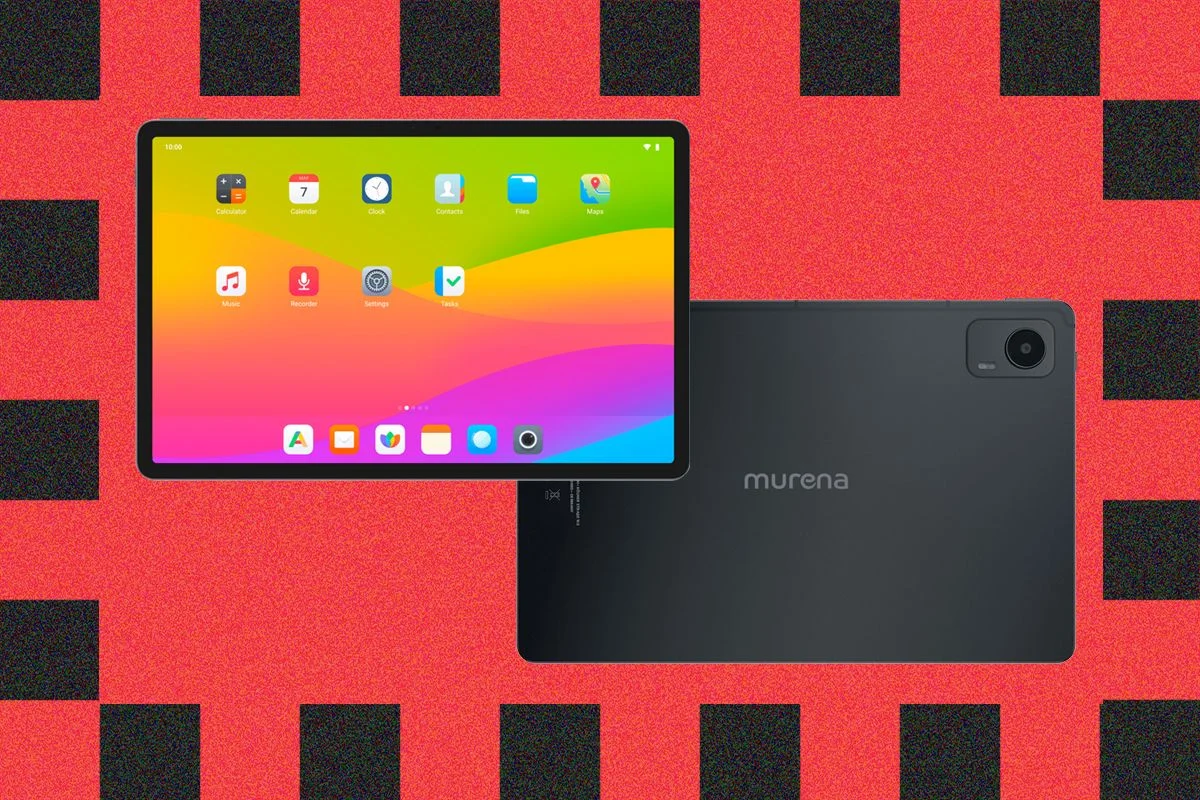
The emergence of the Murena Volla Tablet represents a significant milestone in the niche but growing market for privacy-centric mobile hardware. Designed to provide an alternative to the data-harvesting ecosystems of mainstream technology giants, the device combines mid-range hardware with a sophisticated, de-Googled operating system. As digital privacy becomes a primary concern for professionals, activists, and everyday users alike, the Murena Volla Tablet seeks to balance the utility of the Android ecosystem with the stringent security requirements of the /e/OS platform. This report analyzes the technical specifications, software architecture, and broader market implications of this unique hardware-software collaboration.
Hardware Architecture and Performance Benchmarks
The Murena Volla Tablet is built around the MediaTek Helio G99 chipset, an octa-core processor manufactured on TSMC’s 6nm process. The architecture features two high-performance Arm Cortex-A76 cores clocked at 2.2GHz and six power-efficient Arm Cortex-A55 cores. While the Helio G99 is positioned as a mid-range SoC (System on a Chip), its performance characteristics are optimized for sustained efficiency rather than peak graphical output. In practical testing, the chipset proves more than capable of handling high-definition web browsing, multitasking, and 4K video playback.
However, the hardware reaches its threshold during intensive 3D rendering and high-end mobile gaming. For users accustomed to flagship processors found in the iPad Pro or Samsung Galaxy Tab S series, the Helio G99 may feel restrictive in creative suites or demanding software environments. To compensate for the mid-range processor, the device is equipped with a generous 12 GB of RAM, ensuring that the /e/OS interface remains fluid even with multiple background processes active.
Storage capacity is a notable highlight, with 512 GB of built-in flash memory. Despite this high internal capacity, the device lacks a microSD card slot—a decision that has drawn criticism from enthusiasts who prioritize expandable, offline storage. For connectivity, the tablet includes a SIM card slot that supports global LTE bands. Testing on major carriers, such as T-Mobile in the United States, indicates seamless network integration, allowing the device to function as a mobile workstation without reliance on Wi-Fi.
The Evolution of /e/OS and Android 14 Integration
At the heart of the Murena Volla experience is /e/OS, a privacy-hardened operating system based on the Android Open Source Project (AOSP). The version shipping with the Volla Tablet is built upon Android 14. This version of the base operating system is particularly significant for tablet users, as it incorporates Google’s recent efforts to improve large-screen optimization. These improvements include enhanced taskbar functionality, better window management, and APIs that allow developers to create adaptive layouts for varied screen sizes.
The primary mission of /e/OS is the removal of Google services. In a standard Android environment, Google Play Services acts as a bridge for location tracking, notifications, and telemetry. /e/OS replaces these with microG, an open-source implementation of Google’s proprietary libraries. This allows many mainstream applications to function without sending data to Google’s servers. Furthermore, /e/OS comes pre-loaded with a suite of privacy-respecting tools, including a dedicated App Lounge that categorizes applications by their privacy score, helping users identify software that contains trackers or intrusive permissions.
Chronology of the De-Googled Mobile Movement
The development of the Murena Volla Tablet is the result of several years of evolution within the privacy-tech sector. The timeline below outlines the key milestones leading to the current state of de-Googled hardware:
- 2017: Gaël Duval, the creator of Mandrake Linux, launches the /e/ Foundation (originally Eelo) with the goal of creating a mobile ecosystem free from data-mining.
- 2018: Successful crowdfunding campaigns establish the viability of a privacy-focused Android fork.
- 2020: Murena is established as the commercial brand to sell hardware pre-installed with /e/OS, partnering with manufacturers like Fairphone and Teracube.
- 2022: Volla, a German smartphone manufacturer, gains traction with its "Volla OS" and hardware designed for dual-booting and privacy.
- 2023-2024: Murena and Volla collaborate to bring the tablet form factor into the ecosystem, responding to demand for a privacy-safe alternative to mainstream tablets.
This chronology reflects a shift from experimental software patches to professional-grade hardware solutions that cater to a global audience.

Software Limitations and the microG Challenge
Despite the advancements in /e/OS, the absence of official Google Mobile Services (GMS) creates technical hurdles. Many modern applications, particularly banking, government, and high-security corporate apps, utilize Google’s SafetyNet or Play Integrity APIs to verify the integrity of the device. Because /e/OS uses microG, some of these applications may fail to launch or may exhibit restricted functionality.
Banking applications are frequently cited as the most problematic. These apps often require a "certified" device status that de-Googled ROMs cannot provide without compromising their privacy-first architecture. While microG continues to improve its compatibility layers, users of the Murena Volla Tablet often find themselves relying on web-based versions of services or specialized open-source alternatives. Additionally, some users have reported minor bugs in hardware-software handshakes, such as intermittent issues with biometric sensors or specific display drivers, which are common in devices running non-standard firmware.
Comparative Analysis: Murena vs. Mainstream Competitors
When compared to tablets from Samsung or OnePlus, the Murena Volla Tablet adopts a "stock" philosophy. Samsung’s One UI and OnePlus’s OxygenOS offer extensive tablet-specific productivity tools, such as advanced stylus support, desktop-style modes (DeX), and proprietary ecosystem syncing. The Volla Tablet, by contrast, relies on the native split-screen capabilities of Android 14.
The value proposition of the Volla Tablet is not found in "productivity gimmicks" but in data sovereignty. While a Samsung tablet may offer a more polished multitasking experience, it also transmits significant amounts of telemetry to both Samsung and Google. The Murena Volla Tablet offers a "clean slate" where the user has total control over their data streams. For many in the target demographic, the trade-off of a simpler UI for total privacy is a logical and necessary choice.
Supporting Data: The Growth of Privacy-Conscious Consumerism
The market for devices like the Murena Volla Tablet is supported by shifting consumer sentiment. According to recent data from market research firms:
- Increased Demand: Surveys indicate that 70% of mobile users are concerned about how their personal data is tracked by mobile operating systems.
- Regulatory Pressure: The implementation of the General Data Protection Regulation (GDPR) in Europe and similar laws in California has increased public awareness of data harvesting.
- The Niche Market: While de-Googled devices represent less than 1% of the total mobile market, the segment has seen a 25% year-over-year growth in hardware sales as privacy-focused professionals seek "clean" devices for sensitive work.
Official Responses and Industry Outlook
Murena and Volla have positioned their collaboration as a direct response to the "duopoly" of Apple and Google. In statements regarding their software philosophy, the /e/ Foundation emphasizes that privacy should be a default setting, not a premium feature. They argue that by providing a hardware-software bundle, they lower the barrier to entry for non-technical users who want privacy but do not have the skills to manually flash custom ROMs onto their devices.
Industry analysts suggest that the success of the Volla Tablet will depend on the continued development of the Murena Cloud. This service provides an alternative to Google Drive, Photos, and Gmail by using encrypted Nextcloud and Syncthing integrations. By offering a functional cloud ecosystem that respects privacy, Murena aims to solve the "convenience gap" that often plagues alternative operating systems.
Broader Impact and Future Implications
The Murena Volla Tablet serves as a proof of concept for the feasibility of a high-capacity, privacy-focused tablet. Its existence challenges the notion that mobile computing must inherently involve a trade-off with personal data. As the MediaTek Helio G99 and similar mid-range chips become more efficient, the performance gap between privacy-focused devices and mainstream hardware is narrowing.
Looking forward, the success of this device may encourage other hardware manufacturers to offer "OS-less" versions of their products or to partner with open-source foundations. For now, the Murena Volla Tablet remains a specialized tool for a specific audience. It is a device for those who prioritize digital autonomy over the latest gaming capabilities, and who view their tablet not just as a consumption device, but as a secure vault for their digital life. As /e/OS matures and hardware iterations continue, the "de-Googled" lifestyle is moving closer to the mainstream, offering a viable path for those looking to reclaim their digital footprint.







