Hanik Kholidah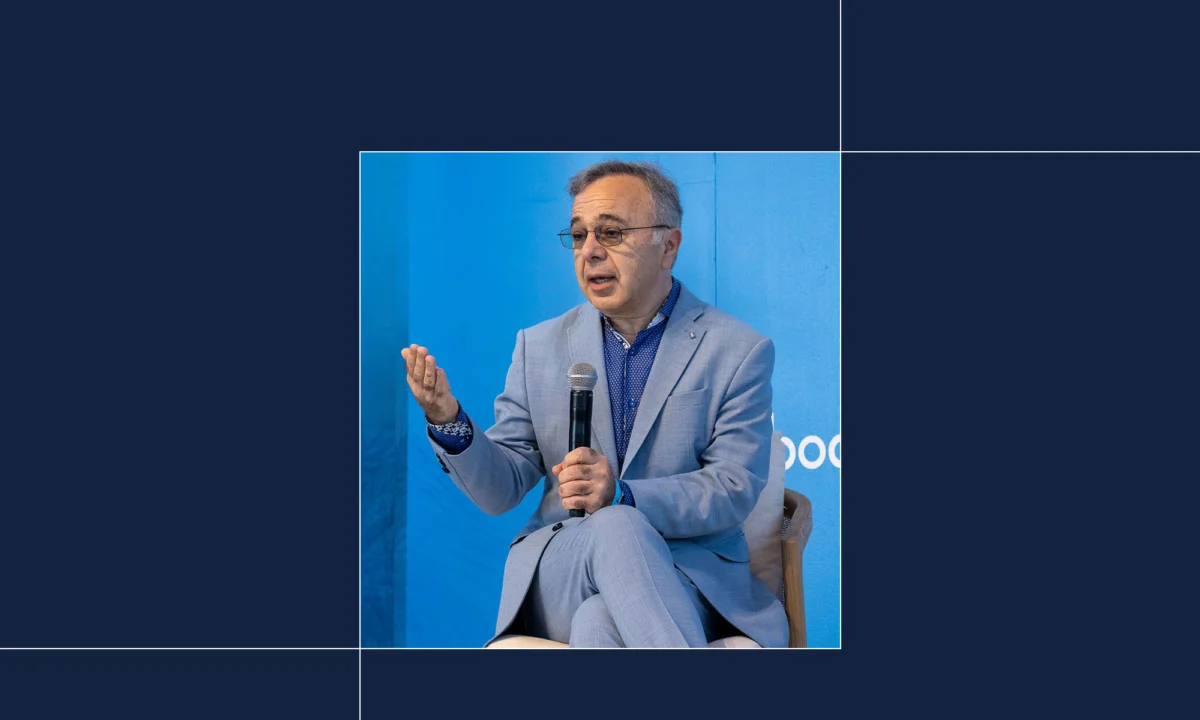
At the 2026 Revitalize summit, an annual gathering of the world’s leading health and wellness experts, the discourse surrounding neurodegenerative prevention shifted from cognitive puzzles and genetic mapping to cardiovascular endurance. During a keynote conversation with mindbodygreen co-founder Jason Wachob, Dr. Majid Fotuhi, M.D., Ph.D., a prominent neurologist and authority on brain health, asserted that the single most critical predictor of brain longevity is not a neurological test, but a fitness metric: VO2 max. Dr. Fotuhi’s declaration highlights an emerging consensus in the medical community that the health of the heart and the health of the brain are inextricably linked, with physical endurance serving as the primary driver for cognitive resilience.
The assertion comes at a time when the global healthcare landscape is increasingly focused on preventative measures against Alzheimer’s disease and other forms of dementia, which are projected to affect over 150 million people worldwide by 2050. Dr. Fotuhi, whose clinical work at the NeuroGrow Brain Fitness Center has long emphasized the plasticity of the human brain, argued that improving one’s VO2 max—a measurement of the maximum amount of oxygen an individual can utilize during intense exercise—is the most effective intervention available to the public for maintaining a high-functioning brain well into late adulthood.
The Evolution of Brain Health Metrics: A Chronology
The recognition of exercise as a tool for brain health has evolved significantly over the past two decades. In the early 2000s, the prevailing medical wisdom suggested that the adult brain was largely static, with little capacity for generating new neurons. However, by the mid-2010s, longitudinal studies began to indicate a strong correlation between cardiovascular health and reduced rates of cognitive decline.
By 2020, a landmark study published in the journal NeuroImage provided concrete evidence that aerobic exercise could increase the volume of the hippocampus, the region of the brain responsible for memory and learning. This research was pivotal, as it demonstrated that the brain could not only be protected but actually "regrown" through physical exertion. Following this, the 2025 review on physical activity and cognitive decline, cited by Dr. Fotuhi during the summit, synthesized data from over a decade of clinical trials. The review concluded that aerobic fitness facilitates a multi-pronged defense against neurodegeneration by increasing cerebral blood flow, stimulating neurogenesis, and reducing systemic inflammation.
The April 2026 announcement at Revitalize represents the culmination of this research timeline. It marks the transition of VO2 max from a specialized metric used primarily by elite athletes to a standard clinical biomarker for longevity, on par with blood pressure and glucose levels.
The Biological Nexus: Oxygen, Mitochondria, and the Hippocampus
To understand why a measure of lung and heart efficiency is so vital for the brain, it is necessary to examine the brain’s metabolic demands. Although the human brain accounts for only about 2% of total body weight, it consumes approximately 20% of the body’s oxygen and energy. This high metabolic rate makes the brain exceptionally sensitive to the quality of the cardiovascular system.
VO2 max serves as a proxy for the body’s ability to deliver oxygenated blood to its most critical organs. Dr. Fotuhi explained that a high VO2 max indicates a robust network of capillaries and a highly efficient heart. When the cardiovascular system is optimized, the brain receives a steady supply of nutrients and oxygen, which supports the health of mitochondria—the "powerhouses" of the cell. According to Dr. Fotuhi, exercise increases both the number and the efficiency of mitochondria within hippocampal neurons. This cellular upgrade allows the brain to process information more effectively and resist the oxidative stress that leads to aging.
Furthermore, the hippocampus is particularly susceptible to age-related atrophy. In many individuals, the hippocampus shrinks at a rate of 1% to 2% per year after the age of 60, a process that is accelerated in those with Alzheimer’s disease. Dr. Fotuhi noted that exercise serves as a biological "fertilizer" for this region. Physical activity triggers the release of Brain-Derived Neurotrophic Factor (BDNF), a protein that supports the survival of existing neurons and encourages the growth of new ones. By maintaining a high VO2 max, individuals can effectively counteract the natural shrinkage of the brain, potentially adding years of cognitive clarity to their lives.
Supporting Data and the "Zone Training" Paradigm
The data supporting the link between VO2 max and brain volume is compelling. Clinical observations have shown that individuals in the top 20% of aerobic fitness for their age group have significantly larger hippocampal volumes and better executive function scores than those in the bottom 20%. Specifically, the 2020 study mentioned by Dr. Fotuhi involved a 16-week progressive aerobic program that resulted in measurable increases in brain volume among younger adults and a cessation of volume loss in older participants.

To achieve these results, Dr. Fotuhi and other fitness experts at the summit emphasized the importance of intensity. While walking and light activity are beneficial for general health, improving VO2 max requires pushing the heart rate into higher "zones."
- Zone 2 (Steady State): This involves exercising at 60-70% of the maximum heart rate. While excellent for metabolic health, it is often viewed as the foundation rather than the primary driver of VO2 max improvement.
- Zones 4 and 5 (High Intensity): These zones represent 80-100% of an individual’s maximum heart rate. Training in these zones stimulates the heart to pump more blood per beat and forces the muscles and brain to adapt to high-demand scenarios.
The recommendation for those seeking brain longevity is a combination of consistent aerobic activity (such as cycling, swimming, or brisk rowing) and interval training that periodically reaches these higher intensity zones. This protocol ensures that the cardiovascular system remains "elastic" and capable of meeting the brain’s oxygen demands during both rest and stress.
Expert Reactions and the Broader Scientific Context
The reaction to Dr. Fotuhi’s presentation at the 2026 summit has been overwhelmingly positive, though some experts urge a nuanced approach. Dr. Sarah Jenkins, a researcher in geriatric medicine who attended the summit, noted that while VO2 max is a "stellar biomarker," it should be part of a holistic strategy. "Dr. Fotuhi is correct that VO2 max is perhaps the most powerful lever we have," Jenkins said in a post-panel discussion. "However, we must also consider sleep quality and metabolic health, as these factors create the environment in which exercise can do its best work."
Other attendees pointed out the practical implications for the insurance and tech industries. With the rise of sophisticated wearable technology in 2026, tracking VO2 max has become accessible to the average consumer. Some health insurance providers have already begun offering lower premiums to individuals who can demonstrate a VO2 max within the "good" or "excellent" range for their age group, recognizing the long-term cost savings associated with delayed cognitive decline and reduced cardiovascular disease.
Analysis of Implications: A Shift in Public Health Policy
The implications of prioritizing VO2 max for brain health are profound. If the medical establishment fully adopts this metric as a primary indicator of cognitive longevity, it could lead to a radical restructuring of public health initiatives.
First, there is the economic impact. The cost of caring for patients with dementia is one of the largest burdens on modern healthcare systems. If a significant portion of the population can delay the onset of symptoms by even five years through improved cardiovascular fitness, the savings would reach into the trillions of dollars globally.
Second, this shift may change how "brain health" is marketed and sold to the public. For years, consumers have been encouraged to buy "brain games" and digital puzzles to keep their minds sharp. Dr. Fotuhi’s insights suggest that a gym membership or a pair of running shoes might be a far more effective investment. The "brain fitness" of the future will likely take place on the treadmill or the bike path rather than on a smartphone screen.
Finally, there is the issue of urban planning and social equity. If VO2 max is the key to a long-functioning brain, then access to safe spaces for vigorous exercise becomes a matter of cognitive justice. Public health officials may need to prioritize the development of "fitness-friendly" cities to ensure that all segments of the population have the opportunity to protect their neurological futures.
Conclusion: The Path Forward
The 2026 Revitalize summit has reinforced a simple yet powerful truth: the brain does not exist in isolation. As Dr. Fotuhi succinctly put it, "Exercise is a no-brainer." By focusing on VO2 max, individuals are not merely training for a race or attempting to lose weight; they are engaging in a sophisticated form of neuroprotection.
As research continues to validate the link between physical endurance and hippocampal volume, the medical community’s focus will likely remain on the "bottom-up" approach to neurology—strengthening the heart to save the mind. For the aging populations of the 21st century, the message is clear: to keep the brain young, one must keep the heart strong. The most important test for your mind’s future may well be how fast you can move your feet today.