 Angie Faith
The intersection of folklore and horror represents one of the oldest and most enduring traditions in human culture. Long before the advent of written language, communities relied on oral traditions—passing down fables, legends, and cautionary tales from one generation to the next. These narratives frequently served dual purposes: explaining the unexplained phenomena of the natural world and establishing moral boundaries through terrifying consequences for those who transgressed them.
In the contemporary literary landscape, authors and editors are increasingly turning back to these foundational roots. Modern horror fiction is experiencing a renaissance driven by the reinterpretation of folklore, mythology, and regional superstitions. Rather than relying solely on conventional tropes, contemporary writers are weaving ancient terrors into modern frameworks, resulting in a rich subgenre that explores cultural identity, generational trauma, and the lingering echoes of historical injustices. Short-story collections and anthologies, in particular, have emerged as vital mediums for this storytelling tradition, mirroring the brief, punchy nature of historical campfire tales.
The Evolution of Oral Traditions into Written Terror
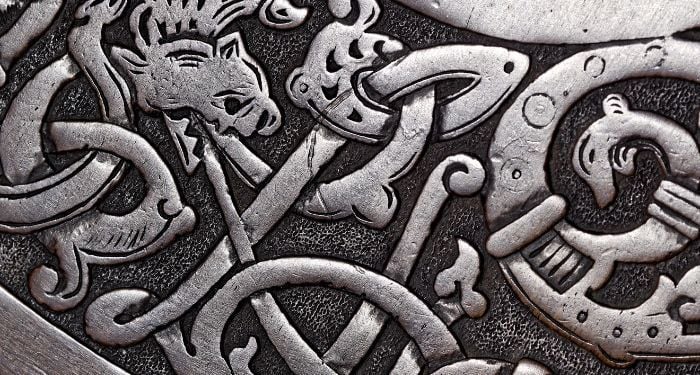
The transition of folklore from spoken word to printed text spans centuries, marked by the collection efforts of folklorists such as the Brothers Grimm in the 19th century. Originally intended as dark warnings for both children and adults, these early stories contained visceral elements of violence and retribution that modern adaptations often sanitize. However, the core psychological impact remains intact.
In the modern era, the appetite for short-form horror has surged, fueled by readers seeking immersive, condensed narratives that pack an emotional and psychological wallop. Anthologies allow multiple voices and cultural perspectives to converge under a single thematic umbrella, democratizing the horror genre and offering platforms to marginalized authors who draw directly from their own cultural mythologies.
Spotlighting Key Works in Folklore-Inspired Horror
Several recent and upcoming releases highlight the breadth and depth of folklore-infused horror currently dominating the literary market. These works demonstrate how diverse cultural traditions are reshaping the genre.
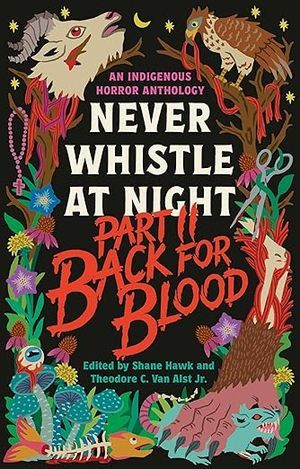
Back for Blood: Never Whistle at Night Part 2 Edited by Shane Hawk and Theodore C. Van Alst Jr.
Following the critical and commercial success of the initial volume, editors Shane Hawk and Theodore C. Van Alst Jr. return with a continuation of Indigenous dark fiction. Published by Vintage, this anthology features a lineup of Indigenous authors exploring a spectrum of terror ranging from direct supernatural encounters to the systemic, everyday horrors faced by marginalized communities under the weight of historical colonialism. The collection serves as an essential entry point for readers seeking to explore authentic Indigenous perspectives within speculative fiction, making it a prominent addition to seasonal reading lists.
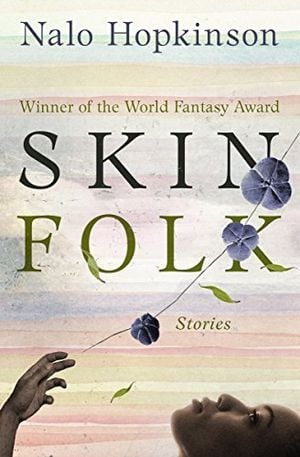
Skin Folk: Stories by Nalo Hopkinson
Nalo Hopkinson, recognized as the 37th SFWA Damon Knight Grand Master by the Science Fiction and Fantasy Writers Association, remains a foundational figure in speculative literature. Her collection Skin Folk showcases her versatility across genres, blending Caribbean folklore, biting social commentary, and science fiction elements. Hopkinson’s work demonstrates how traditional folklore can be radically subverted to address contemporary issues of race, gender, and power.
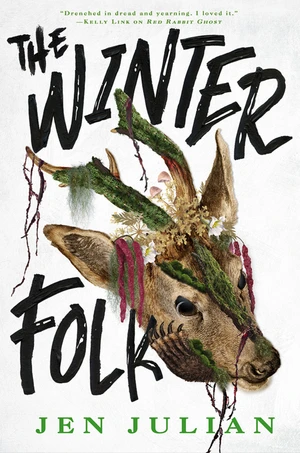
The Winter Folk by Jen Julian
Authored by Jen Julian and published by Run For It, The Winter Folk leans heavily into gothic horror and Appalachian folklore. The narrative follows Moth, a protagonist named after her formative years working at a mysterious, secluded woodland lodge known as Deerhaven. Despite enduring traumatic and uncanny experiences that ultimately led to her banishment as a young girl, Moth finds herself irresistibly drawn back to the region. The novel resonates with readers of contemporary atmospheric horror, drawing stylistic comparisons to authors such as Alix E. Harrow and T. Kingfisher.
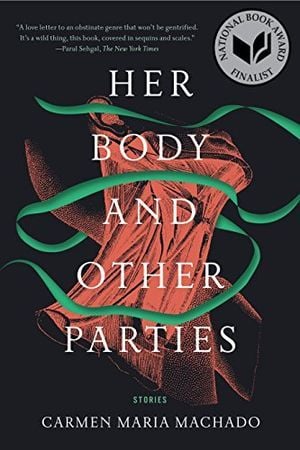
Her Body and Other Parties by Carmen Maria Machado
Carmen Maria Machado’s landmark collection, published by Graywolf Press, fundamentally altered the trajectory of contemporary speculative short fiction. Featuring stories such as "The Husband Stitch"—a modern reimagining of the classic urban legend concerning a woman with a green ribbon around her neck—Machado’s work redefined how publishers and readers approach feminist horror. By reframing traditional tropes through a lens of bodily autonomy and systemic misogyny, the collection has inspired a new generation of writers to interrogate the dark undercurrents of fairy tales and folklore.
Skin Thief: Stories by Suzan Palumbo
Suzan Palumbo’s collection, published by Neon Hemlock Press, offers a journey through dark fantasy and visceral horror. Featuring standout pieces like the Trinidadian-inspired tale "Douen"—originally published in The Dark magazine—Palumbo’s writing uses folklore to explore displacement, identity, and the monstrous. Each story within the collection functions as an immersive, atmospheric exploration of myth adapted for the modern psychological landscape.
The Unnamed Bones by Lora Senf
Blending cosmic horror with mythological foundations, Lora Senf’s young adult novel The Unnamed Bones, published by Union Square & Co., centers on a group of teenagers led by protagonist Harrow Lane. The plot kicks off when the characters investigate a mysterious lake and an island that seemingly materialized overnight near their hometown. Laden with historical disappearances and persistent local legends, the narrative explores the terror of the unknown and the permanence of ancient forces operating just beneath the surface of everyday reality.
Broader Impact and Literary Implications
The resurgence of folklore-driven horror carries significant implications for the publishing industry and readership trends. Statistically, speculative fiction and horror have seen notable growth in market share over the past decade, driven largely by diverse voices claiming space within traditionally homogenous genres. By anchoring speculative elements in specific cultural histories, authors provide readers with narratives that are both globally terrifying and culturally specific.
Furthermore, the popularity of anthologies indicates a shift in consumer reading habits. Short fiction allows for rapid consumption while delivering concentrated emotional resonance, mirroring the fast-paced information ecosystem of the digital age. As publishers continue to invest in collections that highlight regional, indigenous, and international folklore, the horror genre is positioned to expand further, proving that humanity’s oldest fears remain its most compelling storytelling material.