Cintya Tara Annisa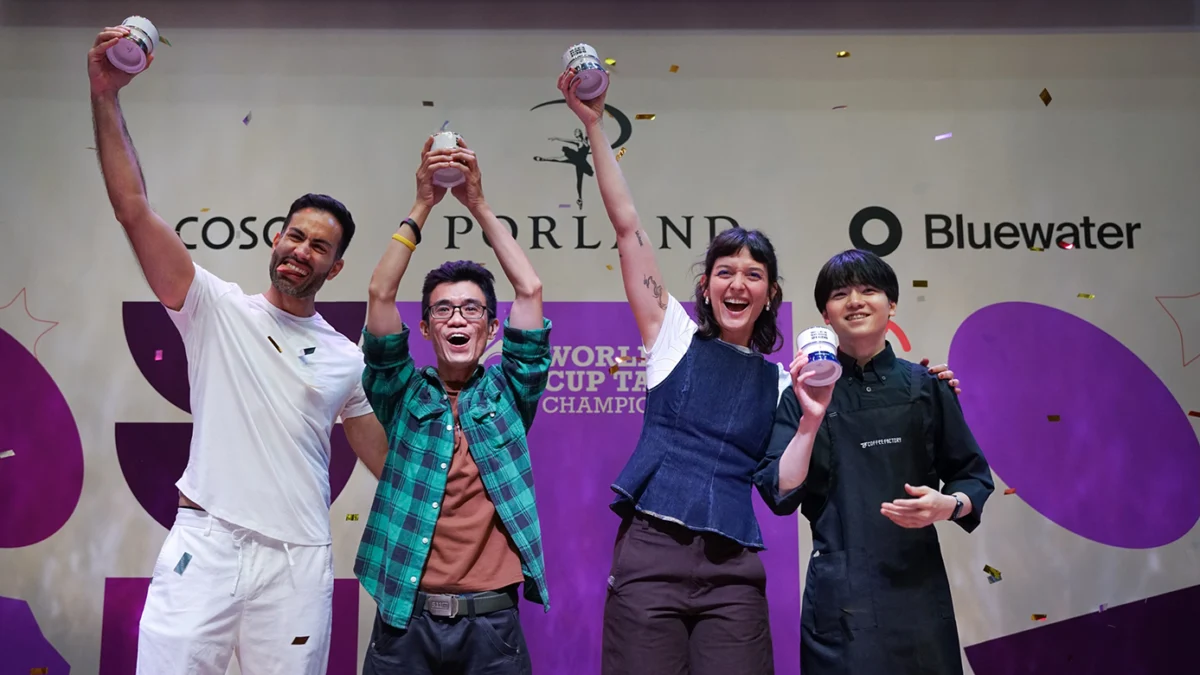
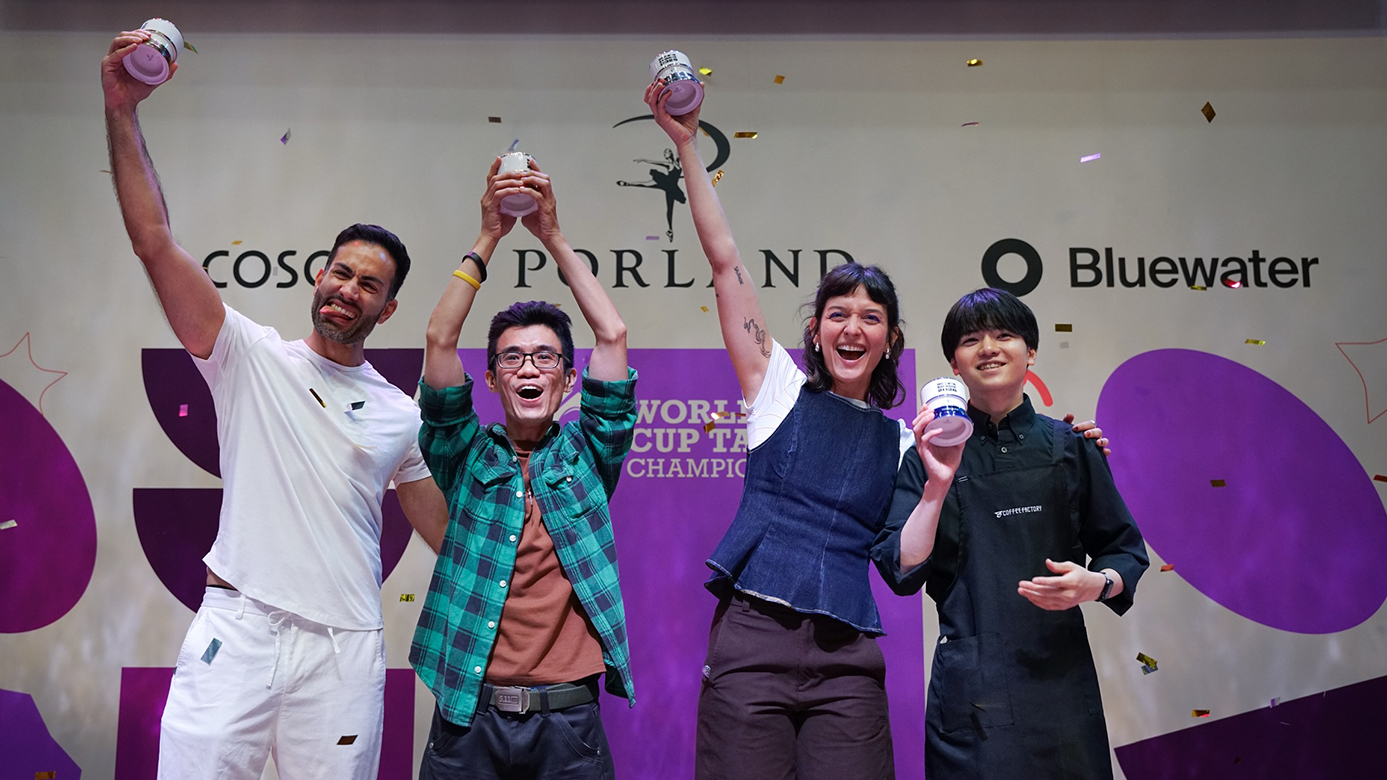
The 2026 World Cup Tasters Championship concluded this weekend in Bangkok, Thailand, with Le Quang Cuong of Vietnam emerging as the global champion. The event, held as a centerpiece of the World of Coffee Bangkok trade show, brought together 46 national champions from six continents to test their sensory precision and speed. Organized by the World Coffee Championships (WCC), a division of the Specialty Coffee Association (SCA), the competition represents the pinnacle of professional coffee cupping. Le Quang Cuong, known competitively as Nicky, navigated four grueling rounds of sensory challenges to claim the title, marking a significant milestone for Vietnam’s growing influence in the specialty coffee sector.
Following Le Quang Cuong in the final standings were Catherine Queiroz of Switzerland, who secured the runner-up position; Mehmet Sogan of the United States, who took third place; and Mizuki Tagami of Japan, who finished fourth. The competition served as a high-stakes demonstration of the "triangulation" method, where baristas and coffee professionals must identify the outlier in a series of coffee sets through taste alone.
The Mechanics of the World Cup Tasters Championship
The World Cup Tasters Championship is distinct from other coffee competitions, such as the World Barista Championship or the World Brewers Cup, due to its objective scoring and emphasis on sensory speed. In each round, competitors are presented with eight sets of three cups (triangles). Within each set, two coffees are identical, and one is different. The objective is to identify the "odd cup" in each of the eight sets as quickly as possible.
To verify the results, a red dot is placed on the bottom of the odd cup. When a competitor identifies a cup, they move it forward. Once they have completed all eight sets or the eight-minute time limit expires, the head judge lifts the selected cups to reveal if the red dot is present. Scoring is determined first by the number of correct identifications and second by the total time taken. In the 2026 finals, the margins were razor-thin, requiring the finalists to balance extreme accuracy with rapid-fire decision-making under the pressure of a live audience and international broadcast.
Chronology of the 2026 Championship
The three-day event followed a rigorous elimination format designed to filter the world’s most elite palates.
Day One and Two: The Preliminary Rounds
The competition began with 46 national champions, each representing their respective domestic coffee industries. This initial field was the most diverse in the event’s history, featuring representatives from major producing nations like Brazil, Ethiopia, and Colombia, as well as burgeoning specialty markets in Southeast Asia and Eastern Europe. After the first round of triangulations, the field was narrowed to the top 16 scorers based on a combination of correct cups and speed.
Day Three: The Quarterfinals and Semifinals
On Sunday morning, the 16 remaining competitors faced a heightened level of difficulty. The sensory profiles of the coffees used in the sets became increasingly similar, often involving coffees from the same region or even the same farm but processed using different methods. By midday, the field was halved to eight semifinalists. The semifinal round further tested the competitors’ endurance and mental fortitude, ultimately producing the final four who would compete for the world title in the afternoon session.
The Grand Final
The final round took place on the main stage of the Queen Sirikit National Convention Center. The four finalists—representing Vietnam, Switzerland, the United States, and Japan—competed in a synchronized format. The atmosphere was one of intense focus, as the "slurping" sounds of professional cupping filled the hall. Le Quang Cuong demonstrated remarkable efficiency, moving through the sets with a pace that signaled high confidence in his sensory perceptions. His victory was confirmed when the final cups were lifted, revealing a superior count of correct identifications completed in a competitive timeframe.
Supporting Data and Competitor Demographics
The 2026 roster highlighted the global reach of the Specialty Coffee Association’s competitive circuit. The 46 competitors represented 46 different nations, covering every inhabited continent. This year’s event saw a notable increase in participation from the Asia-Pacific region, reflecting the rapid expansion of specialty coffee culture in countries like Thailand, Indonesia, and Vietnam.

Data from the preliminary rounds indicated an exceptionally high level of difficulty this year. The average number of correct cups across the entire field remained high, but the "time to completion" was the primary differentiator. In the Quarterfinals, the top-performing competitors were finishing all eight sets in under three minutes, a testament to the professionalization of sensory training within the industry.
Geopolitical Context and Administrative Controversy
While the competition celebrated technical excellence, it took place against a backdrop of administrative tension within the Specialty Coffee Association. The 2026 World Cup Tasters Championship remained overshadowed by an ongoing controversy regarding the participation of Taiwan.
Following a directive from the SCA’s leadership, the Taiwan chapter was required to compete under the name "Chinese Taipei." This decision, which mirrors the naming conventions used by the International Olympic Committee, has drawn significant criticism from the international coffee community. Critics argue that the SCA, as a non-profit trade association, should not prioritize geopolitical pressures over the identity of its member chapters. The controversy has led to calls for greater transparency in how the for-profit branch of the SCA manages international relations and competition branding. Despite the friction, the "Chinese Taipei" representative competed alongside the global field, though the naming dispute continues to be a point of contention in industry discourse.
Analysis of Implications for the Global Coffee Industry
The victory of Le Quang Cuong is culturally and economically significant for Vietnam. As the world’s second-largest producer of coffee, Vietnam has traditionally been associated with the mass production of Robusta beans for the instant coffee market. However, in recent years, the Vietnamese coffee industry has made an aggressive push into the specialty sector, focusing on high-quality Arabica and fine Robusta.
A world title in Cup Tasting provides Vietnam with "sensory credibility," proving that the nation is not just a hub for volume, but also a center for elite sensory expertise. This win is expected to bolster investment in Vietnamese specialty coffee and encourage more young professionals in the region to pursue careers in quality control and sensory analysis.

Furthermore, the choice of Bangkok as the host city underscores Thailand’s emergence as a premier coffee hub in Asia. The World of Coffee Bangkok event attracted thousands of attendees, including roasters, green coffee buyers, and equipment manufacturers. The success of the event suggests a shift in the coffee industry’s "center of gravity," as consumption rates in traditional markets like North America and Europe stabilize while demand for specialty experiences in Asia continues to climb.
Official Responses and Future Outlook
While formal statements from the finalists were brief immediately following the ceremony, the reaction from the Vietnamese delegation was one of overwhelming celebration. Industry analysts noted that Le Quang Cuong’s win is a "full circle" moment for the Asian coffee market, which has transitioned from a production-focused region to a sophisticated consumer and competitive powerhouse.
The Specialty Coffee Association congratulated all finalists, emphasizing the role of these competitions in driving coffee quality. By pushing the boundaries of what the human palate can distinguish, the World Cup Tasters Championship sets a benchmark for quality control that trickles down to the consumer level. Roasters and importers utilize the same triangulation techniques to ensure the consistency of the beans that eventually reach cafes and homes worldwide.
Looking forward, the 2027 World Coffee Championships are expected to continue this trend of global rotation, with locations to be announced by the SCA later this year. As the industry grapples with the dual challenges of climate change and shifting geopolitical landscapes, the World Cup Tasters Championship remains a vital, objective measure of the skill sets required to navigate the future of coffee quality. The 2026 event in Bangkok will be remembered not only for Le Quang Cuong’s historic win for Vietnam but also as a moment of reflection for an industry balancing its competitive spirit with complex global realities.