Cintya Tara Annisa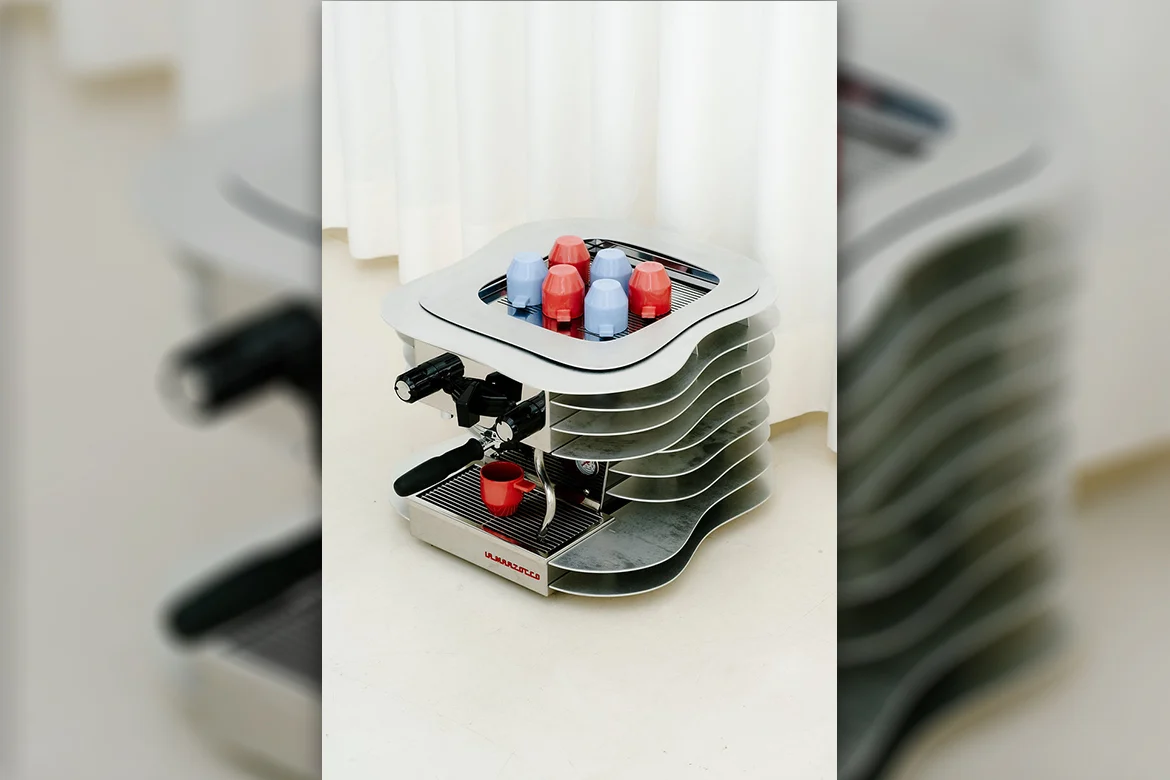
The La Marzocco Linea, particularly the Classic and its successor the Linea PB, has long been regarded as the "workhorse" of the specialty coffee industry. Its minimalist, rectangular design is iconic, providing a sense of stability and reliability in high-volume cafes worldwide. However, this same simplicity has made it a favorite canvas for enthusiasts seeking to personalize their equipment. While commercial modifications often involve "chopping" the legs to lower the machine’s profile or installing custom glass side panels, the Topo Frame introduces a sculptural element that transforms the machine into a piece of functional art.
The Vision of Tina Bobbe and the Dresden Design Influence
Tina Bobbe, the creative force behind the Topo Frame, operates out of Dresden, Germany, a city with a rich history of engineering and artistic precision. Bobbe’s portfolio suggests a deep fascination with the tactile and visual relationship between users and their daily rituals. Her previous work includes a variety of experimental and commercial coffee-related designs, such as pipe frames for the larger La Marzocco Linea Mini and the "Stone Drip," a pour-over dripper that utilizes natural textures to enhance the manual brewing experience.
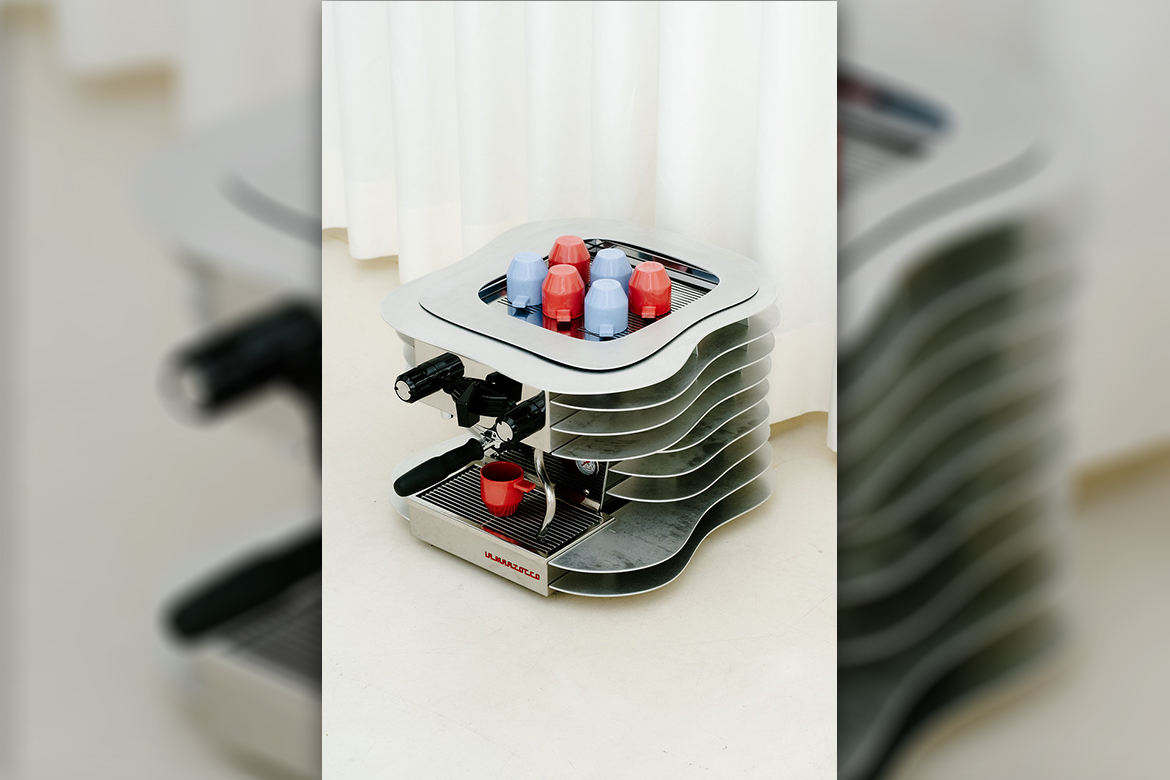
The Topo Frame is not Bobbe’s first foray into the world of La Marzocco. She has previously garnered attention within the design community for her "Aqua" concept machines, which explored radical new forms for traditional espresso hardware. With the Topo Frame, Bobbe has transitioned from conceptual exploration to a tangible, market-ready product. The design philosophy centers on "movement and architecture," aiming to provide a sense of kinetic energy to a static appliance. The interlocking aluminum sheets are precisely cut to wrap around the Micra’s chassis, creating a layered, topographical effect that shifts in appearance depending on the angle of light and the viewer’s perspective.
Technical Specifications and Manufacturing Process
The Topo Frame is constructed from high-grade raw aluminum, a material chosen for its durability, heat resistance, and industrial aesthetic. Unlike powder-coated finishes, the raw aluminum retains a metallic texture that complements the stainless steel components of the Linea Micra. The frame consists of multiple sheets that interlock without the need for complex permanent modifications to the machine’s internal structure, ensuring that the integrity of the La Marzocco engineering remains intact.
Manufacturing for the Topo Frame is conducted on a made-to-order basis. This approach reflects the artisanal nature of the product and allows for high levels of quality control. The production timeline involves a five-to-eight-week lead time, during which each sheet is precision-cut and finished. The "Topo" name is derived from "topography," a reference to the way the staggered edges of the aluminum sheets mimic the contour lines found on a map. Beyond its visual appeal, Bobbe asserts that the frame is designed to "support every step of the espresso-making process," suggesting that the ergonomics of the machine—such as access to the steam wand and the clearance of the portafilter—have been carefully considered in the design phase.
The La Marzocco Linea Micra: A Contextual Background
To understand the significance of the Topo Frame, one must consider the evolution of the machine it adorns. La Marzocco, founded in Florence in 1927, has been at the forefront of espresso machine innovation for nearly a century. The Linea Classic, introduced in 1990, became the industry standard for dual-boiler machines. In late 2022, La Marzocco released the Linea Micra, its most compact machine to date, specifically designed for the home user.
The Micra was engineered to bring the performance of a commercial Linea into a footprint of just 12 by 12 inches. Despite its smaller stature, it retains the professional-grade components found in its larger siblings, including a dual-boiler system, a saturated group head, and a powerful steam wand. However, the Micra’s compact, utilitarian design has been described by some design-conscious consumers as "strictly functional." The Topo Frame addresses this by adding a layer of sophisticated ornamentation that elevates the machine’s presence in a modern kitchen or home coffee bar.
Market Positioning and the "I Can’t Afford This But Maybe She Can" Platform
The Topo Frame is currently retailed through "I Can’t Afford This But Maybe She Can" (ICATBMSC), a curated online bazaar that specializes in design-forward, high-end products. The platform has gained a cult following for its selection of items that sit at the intersection of luxury and eccentricity. The inclusion of the Topo Frame in this collection signals its status as a luxury accessory rather than a standard kitchen tool.
The pricing of the Topo Frame reflects its position in the luxury market. At €1,900 (approximately $2,163 USD), the frame costs nearly half the retail price of the Linea Micra itself, which typically retails for around $3,900 USD. This price point places the Topo Frame in a niche category of "espresso machine art," catering to a demographic of coffee enthusiasts who view their brewing equipment as a primary design focal point in their homes. This segment of the market has seen significant growth over the last five years, driven by the rise of "coffee-fluencers" and a broader cultural shift toward premium home experiences.
Chronology of Coffee Hardware Customization
The trend of customizing high-end espresso machines has evolved through several distinct phases:
- Early 2000s: Performance Mods. Customization was largely internal, focusing on PID controllers for temperature stability and pressure profiling valves.
- 2010-2015: The Aesthetic Shift. Companies like Specht Design (Australia) and Pantechnicon Design (USA) began offering wood accents (walnut, maple, oak) for steam knobs, portafilter handles, and side panels.
- 2016-2021: Integrated Customization. Manufacturers like La Marzocco began offering "Personalization" programs (e.g., the Linea Mini customization studio), allowing buyers to choose colors and materials at the point of purchase.
- 2022-Present: Architectural Reimagining. Designers like Tina Bobbe are now moving beyond material swaps to structural additions, treating the machine as a foundation for sculptural intervention.
The Topo Frame represents the vanguard of this fourth phase, where the goal is not just to "improve" the look of the machine, but to fundamentally alter its visual language.
Implications for the Specialty Coffee Industry
The emergence of products like the Topo Frame indicates a maturing home espresso market where performance is no longer the only differentiator. As thermal stability and pressure control become standardized across high-end consumer machines, manufacturers and third-party designers are turning to "visual ergonomics" and "aesthetic identity" to capture consumer interest.
Industry analysts suggest that the willingness of consumers to spend over $2,000 on a non-functional aesthetic upgrade reflects a broader trend in the "premiumization" of the home. Similar to the market for high-end audio equipment or designer furniture, the specialty coffee world is increasingly defined by objects that serve as status symbols and expressions of personal taste.
Furthermore, the collaboration between independent designers like Bobbe and niche retail platforms like ICATBMSC suggests a decentralization of coffee hardware design. While the core engineering remains the province of established giants like La Marzocco, the "skin" of the machine is becoming an open playground for independent artists and industrial designers. This could lead to a future where espresso machines are sold as modular bases, intended to be finished with a variety of third-party "architectural kits."
Conclusion and Future Outlook
The Topo Frame for the La Marzocco Linea Micra is more than just a decorative shell; it is a statement on the evolving relationship between technology and art in the domestic sphere. By utilizing raw aluminum and architectural principles, Tina Bobbe has provided a glimpse into a future where kitchen appliances are treated with the same reverence as sculpture.
While the high cost and bespoke nature of the Topo Frame mean it will remain a rarity, its influence is likely to be felt across the industry. It challenges other designers to think beyond the "box" and encourages consumers to view their daily coffee ritual through a more creative lens. As the specialty coffee community continues to expand, the demand for equipment that reflects the user’s unique aesthetic will undoubtedly grow, ensuring that the era of the "blank canvas" espresso machine is only just beginning. For those with the means to invest, the Topo Frame offers a rare opportunity to own a piece of coffee history that is as much about the vessel as it is about the brew.