Cintya Tara Annisa
The intersection of high-concept fashion and specialty coffee reached a new pinnacle this week as the Copenhagen-based fashion house Heliot Emil, in partnership with the international Scandinavian cafe chain Joe & The Juice, revealed a radical reimagining of the La Marzocco Linea Mini. Premiering at Paris Men’s Fashion Week, this collaboration represents a departure from traditional industrial design, transforming one of the most recognizable espresso machines in the world into a sculptural piece of polished stainless steel that defies conventional geometry. The project, which involved the Madrid-based design and fabrication studio Caliper, serves as both a functional appliance and a philosophical statement on the consumption of espresso.
A Departure from Traditional Espresso Machine Architecture
The La Marzocco Linea Mini has long been considered the industry standard for prosumer espresso equipment. Since its introduction in 2015, the machine has been celebrated for its linear, utilitarian silhouette—a direct tribute to the iconic Linea Classic that defined the specialty coffee movement in the 1990s. However, the Heliot Emil and Joe & The Juice collaboration has effectively dismantled this foundational aesthetic.
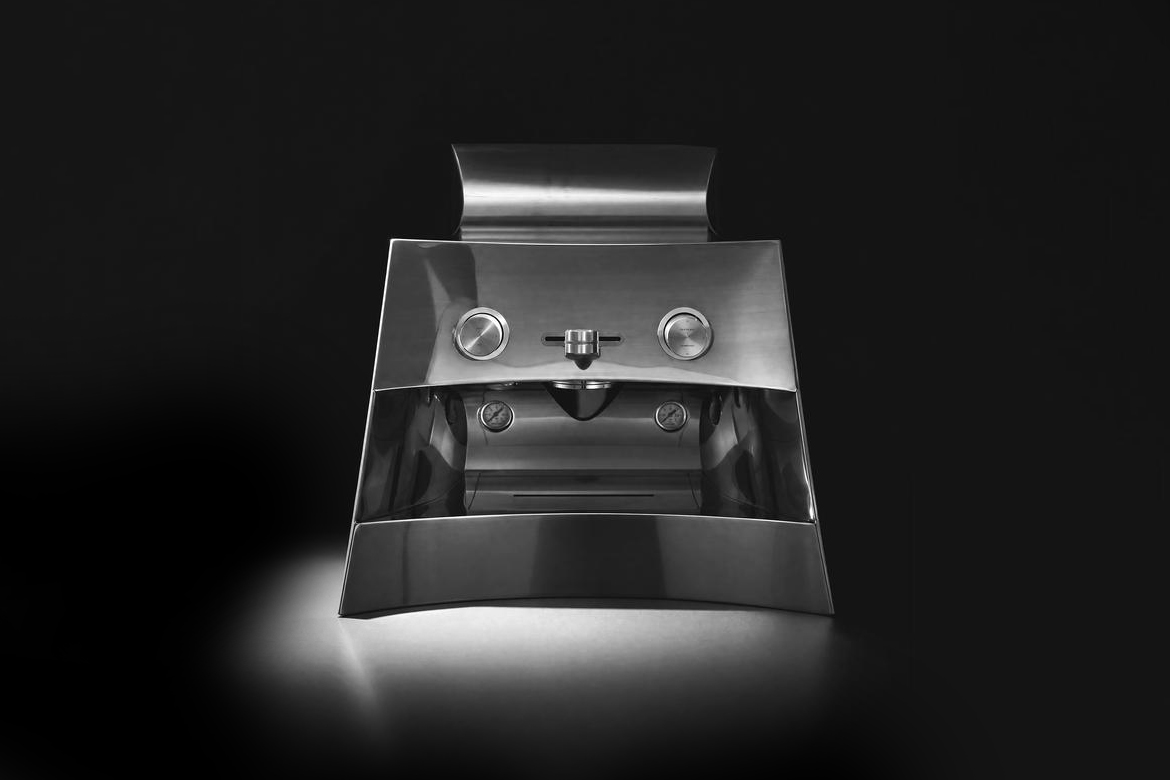
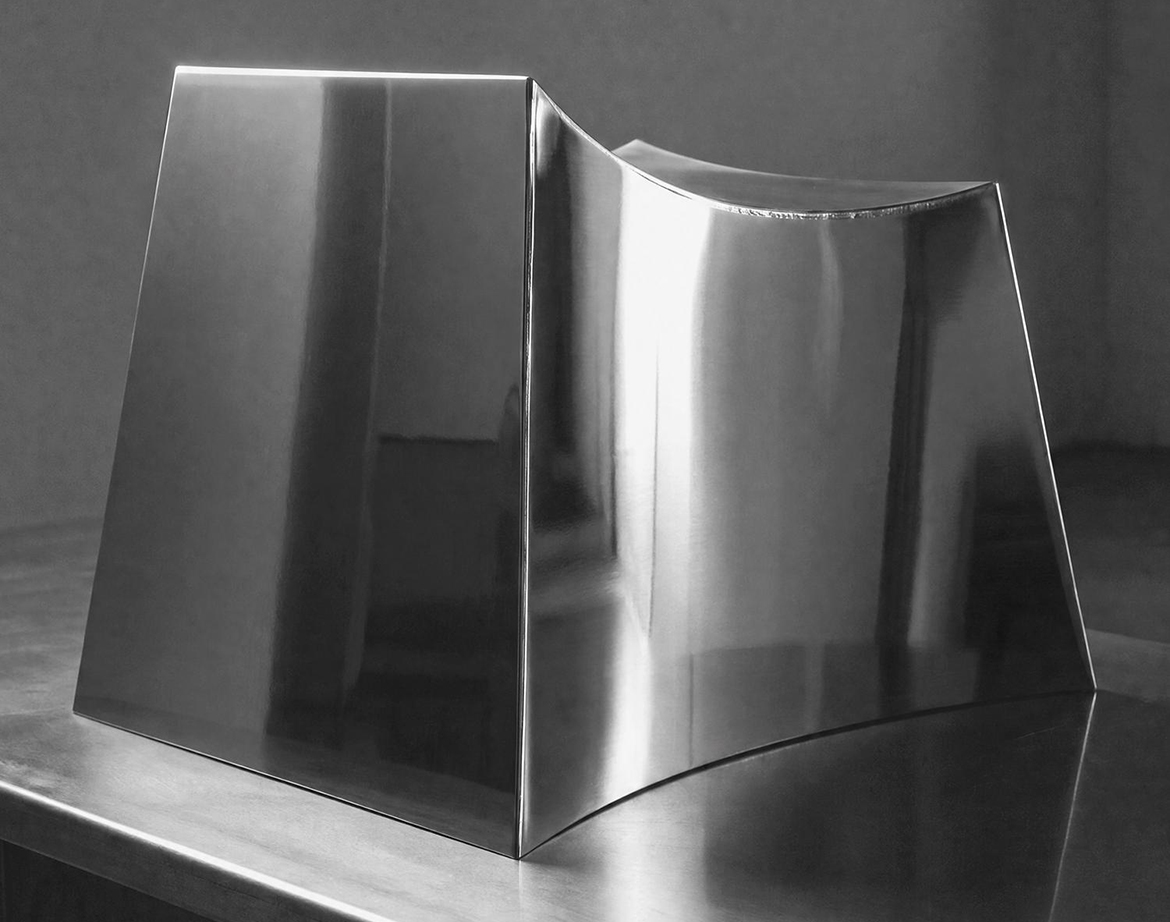
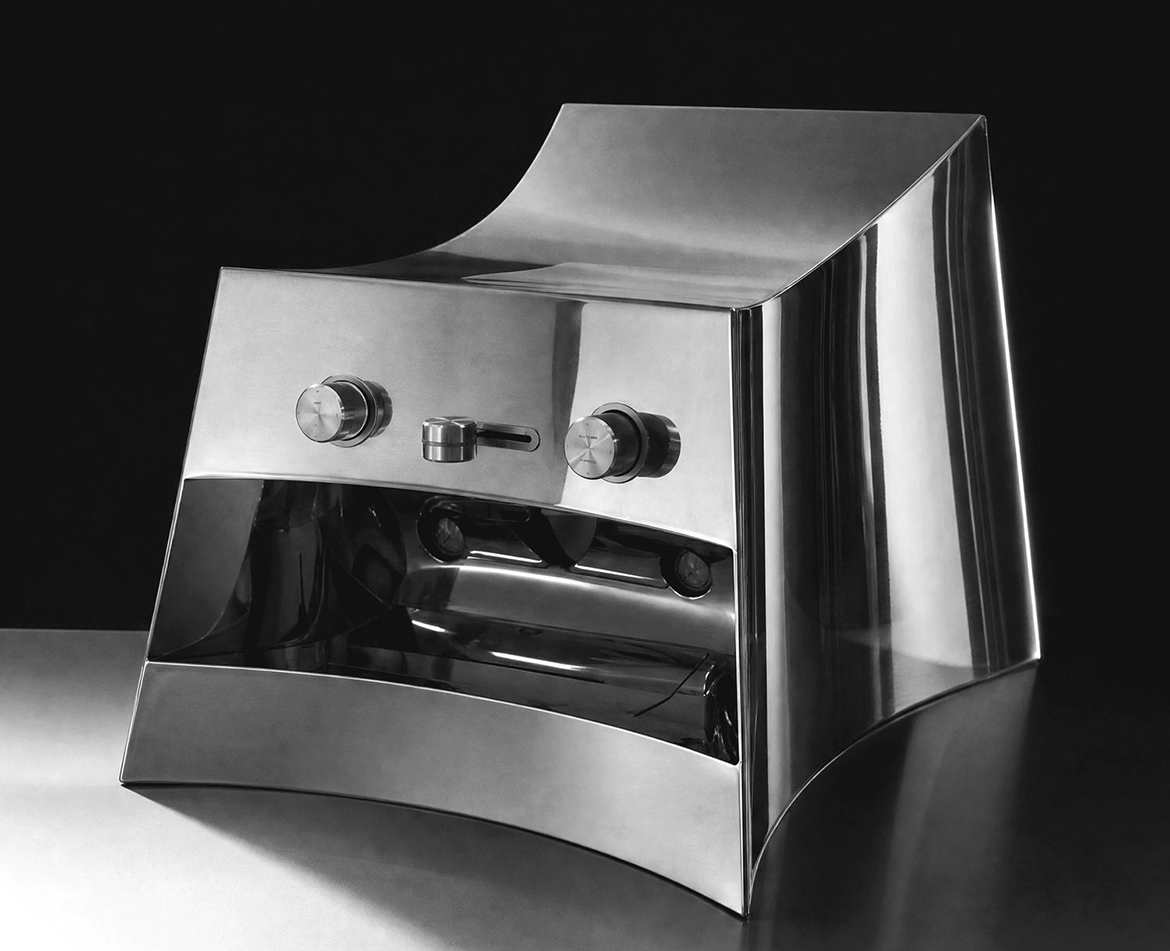
The most striking feature of the redesigned unit is the total absence of vertical lines and flat horizontal surfaces. The housing, machined by Caliper, consists of fluid, organic curves and mirrored finishes that reflect the surrounding environment. Unlike traditional machines that utilize a boxy chassis to house dual boilers and internal plumbing, this custom iteration treats the exterior as a singular, continuous form. This design choice aligns with Heliot Emil’s established "industrial elegance" aesthetic, which often features monochromatic palettes, metallic hardware, and subversive takes on traditional garments and objects.
The Engineering of Intentional Inefficiency
In the world of commercial coffee, the top surface of an espresso machine is traditionally utilized as a cup warmer—a critical functional area where ceramic vessels are preheated to maintain the thermal stability of the beverage. The Heliot Emil redesign intentionally rejects this utility. By incorporating a sloped, curved top, the machine provides no space for cups, saucers, or accessories to rest.
This "intentional lack of function" is central to the collaboration’s philosophy. According to statements released by Heliot Emil, the design is intended to force a specific behavioral interaction between the barista and the consumer. The brand posits that espresso is a time-sensitive medium, with a "window" of approximately two to three minutes before the crema begins to dissipate and the temperature profile shifts, altering the flavor complexity. By removing the ability to set a cup down on the machine or use it as a storage shelf, the design compels the user to remain present with the beverage during its peak state.
"The machine is built to protect that window," the design team noted during the reveal. "The shape is built to make sure you do not waste it. With nowhere to set the cup, you stay with the coffee for the only minutes it is truly perfect."
Technical Specifications and Bespoke Components
While the external shell has been entirely transformed, the internal components remain rooted in La Marzocco’s high-performance engineering. The Linea Mini features a dual-boiler system and an integrated brew group that ensures thermal stability and steam power consistent with commercial-grade equipment. However, the touchpoints of the machine have been customized to match the new aesthetic.
The modification includes:
- Custom Machined Adjustment Knobs: The steam and hot water knobs have been replaced with bespoke cylinders etched with the branding of Heliot Emil and Joe & The Juice.
- Design Pillar Etchings: The numbers 07, 13, 25, and 34 are engraved into the hardware, representing the core design pillars and historical markers of the Heliot Emil brand.
- Bespoke Paddle and Drip Tray: The traditional brew paddle has been redesigned for a more ergonomic, industrial feel, while the drip tray has been integrated into the curved base to maintain the machine’s fluid profile.
- Polished Stainless Steel Finish: Every external component has been polished to a mirror finish, a process that requires significant labor to ensure uniformity across the complex, non-linear surfaces.
The Role of Caliper and Madrid-Based Fabrication
The realization of such a complex geometry required the expertise of Caliper, a design and fabrication studio based in Madrid. Caliper is known for its ability to bridge the gap between digital design and physical manufacturing, often working with high-end brands to produce limited-edition objects that require advanced CNC machining and metalwork.
The production of the Heliot Emil Linea Mini involved translating the fashion brand’s avant-garde sketches into a 3D-modeled housing that could still accommodate the internal components of the La Marzocco base. Working with stainless steel in curved formats presents significant challenges in terms of weight distribution and heat dissipation. The resulting machine is a testament to modern fabrication techniques, where the housing acts as a structural exoskeleton that maintains the integrity of the internal boilers while presenting a seamless exterior.
Contextualizing the Collaboration: Fashion Meets Hospitality
The unveiling at Paris Men’s Fashion Week places this collaboration within a broader trend of "liquid luxury," where high-fashion houses expand their brand identity into the lifestyle and hospitality sectors. In recent years, brands like Prada, Louis Vuitton, and Ralph Lauren have opened cafes and restaurants to create immersive environments for their clientele.
The partnership between Heliot Emil and Joe & The Juice is particularly notable due to their shared Scandinavian roots. Joe & The Juice, founded in Copenhagen in 2002 by Kaspar Basse, has grown into a global powerhouse with over 300 locations. The brand has built its reputation on a high-energy, lifestyle-focused atmosphere that bridges the gap between a juice bar and a social club. By partnering with Heliot Emil, a brand known for its rigorous, often futuristic approach to fashion, Joe & The Juice is signaling a move toward a more curated, design-forward aesthetic.
Historical Precedent in Espresso Machine Customization
Customization is not a new phenomenon in the specialty coffee industry. La Marzocco itself has leaned into this market through its "Officine Fratelli Bambi" studio, a bespoke atelier that allows clients to order hand-built, customized machines. Similarly, aftermarket firms like Specht Design have gained international acclaim for adding wood accents, custom paint jobs, and glass panels to high-end espresso equipment.
However, most previous customizations have sought to enhance the existing "box" shape of the machine. The Heliot Emil project is distinct because it treats the espresso machine as a raw material for a sculptural overhaul. It moves beyond the "aftermarket mod" category and enters the realm of industrial art.
Broader Impact and Industry Implications
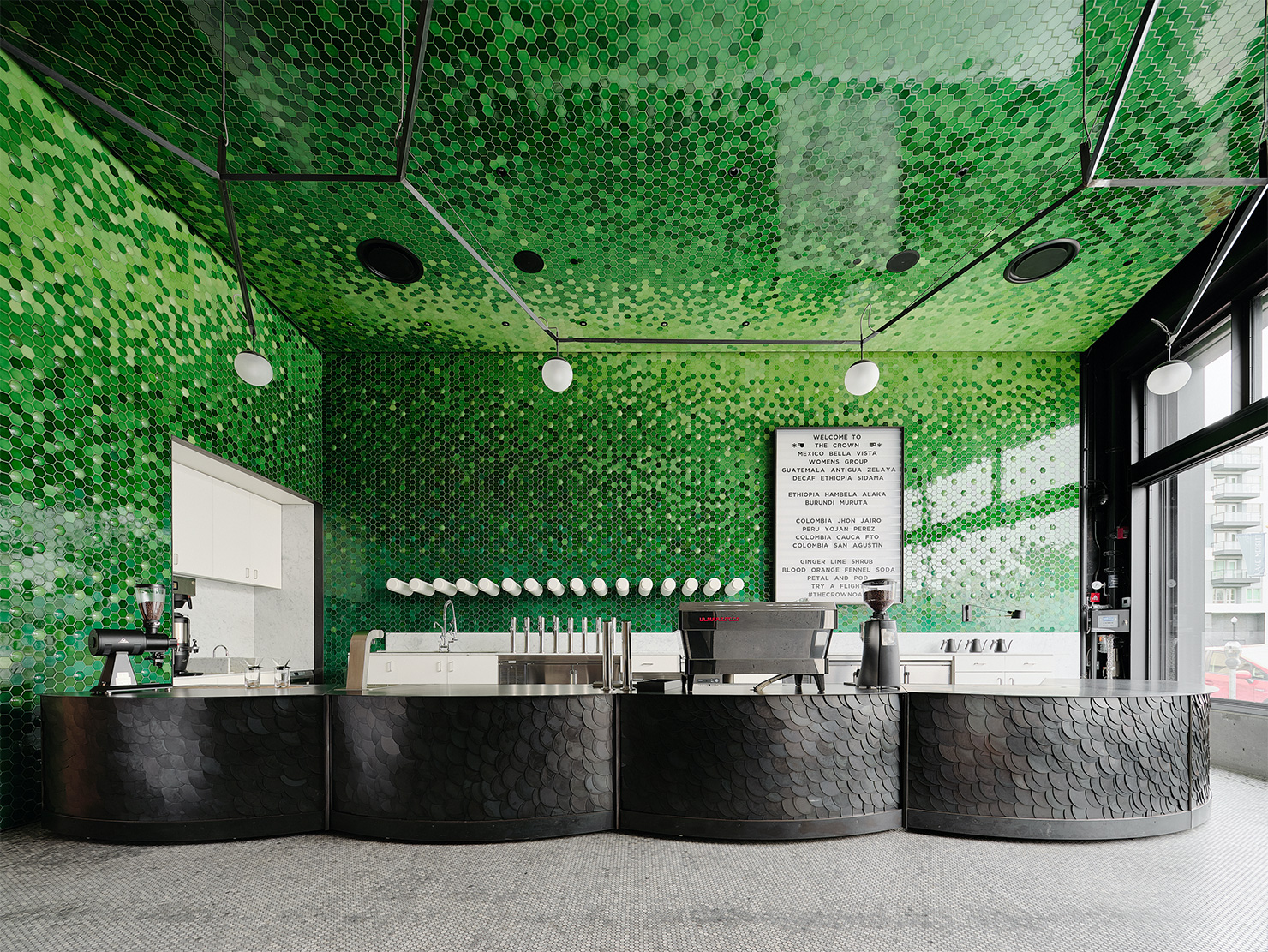
The debut of the Heliot Emil x Joe & The Juice Linea Mini reflects a shift in how luxury appliances are perceived. As the specialty coffee market matures, consumers are increasingly looking for equipment that serves as a centerpiece of interior design rather than just a kitchen tool.
Market analysts suggest that such collaborations serve two purposes. First, they elevate the brand perception of the hospitality partner—in this case, Joe & The Juice—by associating them with the exclusive world of Paris Fashion Week. Second, they allow fashion brands like Heliot Emil to demonstrate their design versatility, proving that their aesthetic can be applied to complex machinery just as effectively as it is applied to technical apparel.
While there has been no official word on whether this specific design will be made available for mass production, the interest generated at Paris Men’s Fashion Week suggests a growing appetite for avant-garde home appliances. For now, the machine remains a singular piece of "functional art," a term that is increasingly being used to describe the next generation of high-end consumer goods.
Conclusion
The Heliot Emil and Joe & The Juice redesign of the La Marzocco Linea Mini stands as a provocative challenge to the "form follows function" mantra of the 20th century. By prioritizing the sensory and temporal experience of the espresso "window" over the convenience of a cup warmer, the collaborators have created a machine that demands attention and dictates a specific ritual. In the crowded landscape of luxury collaborations, this polished steel sculpture serves as a reminder that even the most utilitarian objects can be reimagined as a medium for artistic expression and behavioral design.