Cintya Tara Annisa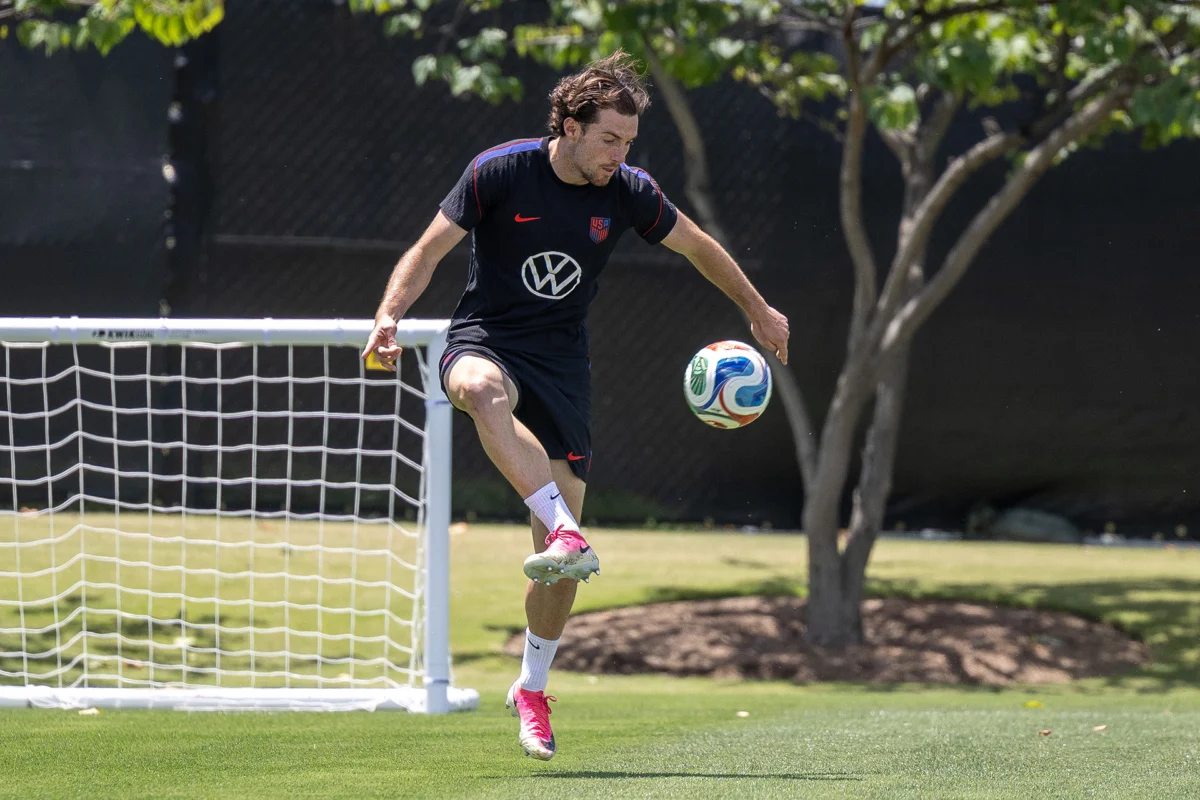
The intersection of professional sports and specialized hobbies often reveals a side of athletes that fans rarely see in the heat of competition. For Joe Scally, the 23-year-old fullback for the United States Men’s National Team (USMNT) and Bundesliga club Borussia Mönchengladbach, that passion is found in the precise extraction of a double shot of espresso. As the USMNT progressed through the knockout stages of the most recent international cycle, Scally emerged not just as a defensive asset on the pitch, but as the squad’s unofficial resident barista. This secondary role has garnered significant media attention, transforming a personal hobby into a defining characteristic of his public persona. Behind the scenes at the USMNT headquarters, Scally has been working alongside professional coffee consultant Becky Reeves, ensuring that the team’s caffeine needs are met with a level of sophistication that far exceeds the standard hotel carafe.
The Evolution of a Professional Athlete and Coffee Connoisseur
Joe Scally’s journey into the world of specialty coffee began far from the bright lights of the World Cup stadiums. At the age of 18, Scally made the life-altering move from the United States to Germany to join Borussia Mönchengladbach. This transition, while a dream for any young soccer player, presented the typical challenges of expatriate life: isolation, a new language, and significant downtime between training sessions. It was within the quiet streets of Düsseldorf and the broader North Rhine-Westphalia region that Scally discovered Germany’s robust coffee culture.
Initially a means to pass the time, visiting local cafes soon became a ritual. Germany’s coffee scene, particularly in western cities closer to the Dutch border, offers a unique blend of traditional European styles and modern third-wave influences. Scally noted that his surroundings in Düsseldorf felt more aligned with the specialty coffee culture found in Berlin than the Scandinavian-influenced styles of Amsterdam. This exposure led him to invest in his own equipment, a move that shifted coffee from a casual interest to a dedicated craft. Today, Scally describes his morning coffee routine as the highlight of his day, a meditative process that provides a necessary mental break from the rigors of professional football.
Technical Precision: The Hardware of a Resident Barista
In the world of specialty coffee, equipment is often viewed with the same level of scrutiny that an athlete might apply to their footwear or training gear. Scally’s commitment to the craft is evidenced by his choice of machinery. He utilizes the La Marzocco Linea Mini, a high-end prosumer machine renowned for its thermal stability and commercial-grade components. His dedication is so profound that he maintains identical setups in both his German residence and his home in Florida, ensuring consistency in his brewing regardless of which side of the Atlantic he is on.
During the USMNT’s recent tournament runs, while he did not transport his entire espresso machine, Scally did bring his Acaia Lunar scale. The scale is a critical tool for any serious barista, allowing for the measurement of both dose and yield to a tenth of a gram. This level of precision is necessary for "dialing in" espresso, a process where variables such as grind size, water temperature, and pressure are adjusted to achieve the perfect flavor profile. Scally’s standard parameters—typically 18 grams of ground coffee yielding 36 grams of liquid espresso in approximately 27 seconds—reflect a deep understanding of extraction theory.
Collaboration and Team Dynamics at USMNT Headquarters
The presence of a high-quality coffee bar at the USMNT headquarters was made possible through the efforts of the United States Soccer Federation and coffee professional Becky Reeves. Reeves was brought in to manage the station, providing the players with a sense of "home" and a high-quality alternative to standard offerings. However, Scally’s reputation preceded him, and he quickly became a fixture behind the bar.
According to Reeves, Scally’s involvement was immediate. Rather than merely being a consumer, he often steps behind the bar to assist during peak times, such as the morning rush before training or the post-lunch slump. This dynamic serves a dual purpose: it provides Scally with a creative outlet and fosters team bonding. In the high-pressure environment of an international tournament, these small moments of normalcy and shared interest are vital for player morale. Scally’s ability to pour latte art—specifically tulips—has become a point of interest for his teammates, further cementing his status as the team’s "Coffee Guy."
A Disciplined Routine: Coffee as a Performance Tool
For a professional athlete, everything consumed is a calculated choice. Scally’s coffee consumption is no exception, and he tailors his drinks to his physical needs throughout the day. On a standard training day, his first drink is a cortado—a 1:1 ratio of espresso and steamed milk. He prefers this because it provides the necessary caffeine kick with a smaller volume of milk, making it easier on the stomach before high-intensity physical activity.
Following training, Scally typically transitions to a flat white, a slightly larger drink that allows him to enjoy the texture of the milk and the nuances of the espresso. On game days, the routine becomes more functional. A flat white in the morning is followed by a concentrated double shot of espresso shortly before kickoff. This pre-game ritual is facilitated by the presence of a Rocket Espresso machine in the stadium’s player lounge, a testament to the growing demand for quality coffee in professional sports facilities.
Flavor Profiles and the "Anaerobic" Debate
The specialty coffee industry has recently seen a surge in "anaerobic" processing—a method where coffee cherries are fermented in oxygen-free tanks to produce wild, fruity, and often boozy flavor profiles. While these coffees are popular among "coffee nerds" for their uniqueness, Scally maintains a more traditional palate for his daily consumption. He leans toward washed coffees and house blends that offer chocolatey, nutty, and balanced notes, which pair better with milk for his preferred cortados and flat whites.
He specifically cites the house blend from Dritan Alsela’s roastery in Düsseldorf as his go-to choice. Alsela, a world-renowned barista and social media personality, has clearly influenced Scally’s approach to the craft. While Scally is open to trying more experimental, fruity coffees when visiting high-end shops like London’s Kiss the Hippo, he prefers the reliability of a classic profile when brewing at home. This pragmatic approach mirrors his style on the pitch: reliable, disciplined, and focused on the fundamentals.
The Broader Impact of Athlete Hobbies
The narrative of Joe Scally as the USMNT barista is more than just a quirky human-interest story; it represents a shift in how modern athletes manage their public images and personal well-being. The "grind" of professional sports can be mentally taxing, and having a complex, technical hobby provides a necessary cognitive diversion. For Scally, the precision required to pull a perfect shot of espresso requires the same focus as tracking a winger down the touchline, yet it exists in a completely different mental space.
Furthermore, Scally’s passion has created a bridge between the athlete and the fan base. Following the initial reports of his coffee obsession, he received numerous samples from roasters across the United States, eager to have their beans tested by the national team’s resident expert. This engagement humanizes the players, showing that they have interests and struggles—such as the difficulty of steaming milk on a different machine—that resonate with the general public.
Conclusion: A New Standard for Team Culture
As Joe Scally continues his career in the Bundesliga and with the USMNT, his dual identity as a footballer and a barista is likely to remain. His commitment to quality, whether in a defensive tackle or a 36-gram espresso yield, sets a standard for his peers. The presence of specialized coffee programs in national team camps is a burgeoning trend, reflecting a wider appreciation for the beverage’s role in both performance and social cohesion.
Scally’s story is a reminder that excellence in one field does not preclude a deep, technical mastery of another. As the USMNT looks toward future competitions, they do so with the confidence that their defense is solid and their espresso is perfectly dialed in. For Joe Scally, the pursuit of the perfect cup is a lifelong journey, one that continues to brew alongside his aspirations on the world’s biggest sporting stage.